

So, can dogs eat cheese? The short answer is: yes, but with some serious caveats that’ll make you rethink tossing that cheddar cube to Fido. Most dogs can safely enjoy small amounts of cheese as an occasional treat, but there’s a lot more to this dairy dilemma than meets the eye. Let’s dig into what you need to know before your pup becomes a cheese connoisseur.
Table of Contents
- Is Cheese Actually Safe for Dogs?
- Why Dogs Love Cheese (And Why That’s a Problem)
- The Lactose Intolerance Reality Check
- Which Cheeses Are Safest for Dogs?
- Sodium and Fat: The Hidden Dangers
- Cheese as a Training Treat: The Strategic Approach
- Special Populations: When to Skip Cheese Entirely
- The Portion Size Question
- What Veterinarians Actually Say
- Alternatives to Cheese That Dogs Actually Love
- Digestive Health and Monitoring
- Frequently Asked Questions
- The Bottom Line on Canine Cheese Consumption
Is Cheese Actually Safe for Dogs?
Here’s the deal: cheese isn’t toxic to dogs, which is great news if your furry friend has already discovered your cheese board. Unlike grapes or chocolate, cheese won’t poison your pooch. However, that doesn’t mean it’s a dietary staple or even a regular treat. Dogs are lactose intolerant to varying degrees—yes, just like some humans. When you’re thinking about dog-safe cheese options, you need to understand that not all pups handle dairy the same way.
Most adult dogs produce less lactase (the enzyme that breaks down lactose) than they did as puppies. This means that while a puppy might tolerate milk-based products better, your adult Golden Retriever might experience some digestive fireworks after a cheese binge. The key is moderation and observation.
Why Dogs Love Cheese (And Why That’s a Problem)
Dogs go absolutely bonkers for cheese because it’s packed with fat, protein, and salt—basically everything that makes their taste buds light up like a Christmas tree. From an evolutionary standpoint, dogs are drawn to high-calorie foods because their ancestors never knew when the next meal was coming. Your modern house dog still has those ancient instincts, even though their biggest concern is whether you’ll refill their water bowl.

The problem? Cheese is calorie-dense and high in fat. A single ounce of cheddar cheese contains roughly 110 calories and 9 grams of fat. For a 25-pound dog, that’s already a significant chunk of their daily caloric intake. Add this to the importance of overfeeding pets awareness, and you can see why veterinarians recommend restraint.
The Lactose Intolerance Reality Check
Let’s talk lactose. While aged cheeses have lower lactose content than milk or cream, they’re not completely lactose-free. Hard cheeses like parmesan and cheddar are better options than soft cheeses like brie or mozzarella because the aging process reduces lactose. However, individual dogs vary wildly in their tolerance.
Signs your dog might be lactose intolerant include diarrhea, vomiting, bloating, gas, or stomach cramping. If your dog shows any of these symptoms after consuming cheese, it’s time to cut it out of their diet. Some dogs can handle a small piece without issues, while others will have digestive distress from even a tiny nibble. You won’t know until you try, and it’s worth starting small to see how your individual pup reacts.

Which Cheeses Are Safest for Dogs?
Not all cheeses are created equal when it comes to canine safety. Here’s the hierarchy:
Best Options: Hard, aged cheeses like cheddar, parmesan, and Swiss have the lowest lactose content. A small piece occasionally won’t hurt most dogs.
Moderate Options: Mozzarella and string cheese are relatively mild, but they’re still higher in lactose than aged varieties.
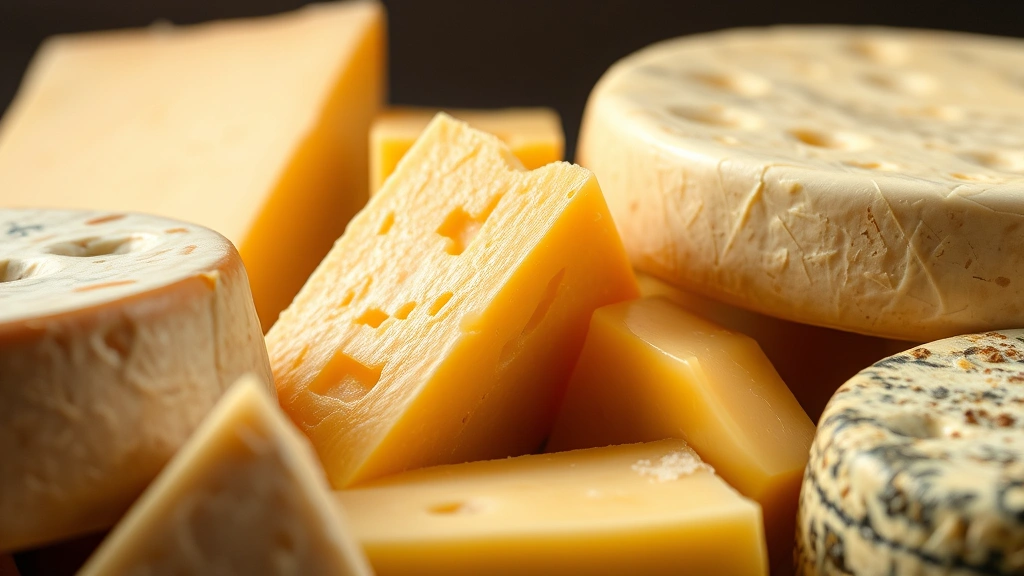
Avoid: Soft cheeses like brie, cream cheese, and goat cheese are higher in lactose and fat. Blue cheese, feta, and other heavily salted varieties should also be off-limits due to sodium content.
The absolute worst choice? Anything with added ingredients like garlic, onions, or spices. These can be toxic to dogs independent of the cheese itself. Always check the ingredient list before sharing.
Sodium and Fat: The Hidden Dangers
Beyond lactose, cheese brings two other concerns to the table: sodium and fat. Commercial cheeses are often loaded with salt, which isn’t great for dogs, especially those with heart conditions or hypertension. Excessive fat intake can lead to pancreatitis, a serious and painful inflammation of the pancreas.

Pancreatitis in dogs is no joke. It can be acute (sudden and severe) or chronic, and it’s often triggered by high-fat treats. Symptoms include vomiting, abdominal pain, loss of appetite, and lethargy. If your dog has a history of pancreatitis or is overweight, cheese should be completely off-limits. This ties directly into understanding pet food consistency and maintaining balanced nutrition.
Cheese as a Training Treat: The Strategic Approach
Here’s where cheese can actually be useful: training. A tiny piece of cheese can be a powerful motivator for dogs during training sessions. The key word is “tiny”—we’re talking about a piece the size of a pea, not a cube. If you’re going to use cheese for training, factor it into their daily caloric intake and adjust their regular meals accordingly.
Consider lower-fat alternatives for training too. Carrots, green beans, or plain cooked chicken offer training motivation without the caloric bomb. But if your dog responds exceptionally well to cheese, a small piece occasionally during training won’t derail their health if everything else is in balance. Just make sure you’re following proper puppy feeding times and adult dog nutrition guidelines.

Special Populations: When to Skip Cheese Entirely
Some dogs should never eat cheese under any circumstances. If your dog falls into any of these categories, cheese is off the menu:
Overweight or obese dogs: Cheese is calorie-dense and won’t help with weight management.
Dogs with pancreatitis history: The fat content is a major trigger.

Dogs with dairy allergies: Yes, these exist, and they’re separate from lactose intolerance.
Senior dogs with kidney disease: The sodium and protein can complicate their condition.
Dogs on specific veterinary diets: These are carefully formulated, and adding cheese disrupts the balance.

If your dog has any underlying health conditions, always check with your veterinarian before introducing cheese or any new food. This is especially important when considering how coat health feeding routine impacts overall wellness.
The Portion Size Question
So you’ve decided your dog can have cheese. How much is safe? The general rule is that treats should make up no more than 10% of your dog’s daily caloric intake. For a typical 50-pound dog eating about 1,000 calories per day, that means no more than 100 calories from treats—which is roughly one ounce of cheese per day, and that’s pushing it.
In practical terms, think of cheese as an occasional treat, not a daily addition. Once or twice a week in tiny amounts is reasonable for most healthy dogs. And remember, if you’re using cheese for training, that counts as their treat for the day.

What Veterinarians Actually Say
According to the American Kennel Club, small amounts of plain cheese can be safe for most dogs, but it should be given sparingly. PetMD emphasizes the importance of considering your individual dog’s health status and digestive sensitivity. The consensus among veterinary professionals is clear: cheese isn’t necessary for dogs and should never be a dietary staple.
Most veterinarians recommend sticking to dog-specific treats formulated for canine nutritional needs. These are designed with appropriate fat levels, sodium content, and digestibility in mind. They won’t cause the digestive upset or caloric imbalance that cheese might.
Alternatives to Cheese That Dogs Actually Love
If you want to give your dog a special treat without the cheese concerns, consider these alternatives:

Fruits and vegetables: Apples (without seeds), bananas, blueberries, carrots, and green beans are nutritious and low-calorie.
Protein options: Plain cooked chicken, turkey, or beef (no seasoning) satisfies that protein craving.
Peanut butter: A small amount of unsalted, xylitol-free peanut butter is a dog favorite.

Pumpkin: Plain canned pumpkin is great for digestion and makes a satisfying treat.
These alternatives provide enrichment and satisfaction without the potential digestive issues or excessive calories. Many dogs find these just as rewarding as cheese, especially when presented with enthusiasm.
Digestive Health and Monitoring
If your dog has eaten cheese and you’re concerned about their digestive health, monitor them for 24-48 hours. Watch for changes in stool consistency, vomiting, or behavioral changes like lethargy. Most mild digestive upset resolves on its own, but persistent symptoms warrant a veterinary call.

Understanding pet supplement ingredient transparency also applies to understanding what goes into your dog’s body, including treats. Always be transparent with your vet about what your dog has eaten if they’re experiencing digestive issues.
Frequently Asked Questions
Can puppies eat cheese?
Puppies have better lactase production than adult dogs, so they tolerate dairy slightly better. However, cheese is still high in fat and calories, which can contribute to obesity and developmental orthopedic disease in growing dogs. It’s better to stick with puppy-appropriate treats.
Is cottage cheese safer than hard cheese for dogs?
Cottage cheese is actually higher in lactose than aged hard cheeses, making it a worse choice. If you’re going to give cheese, stick with aged varieties like cheddar or parmesan.
What if my dog ate a large amount of cheese?
Don’t panic. One incident of overeating cheese is unlikely to cause serious harm, though your dog might experience digestive upset. Monitor them for vomiting or diarrhea. If they show signs of distress or the symptoms persist beyond 24 hours, contact your vet.
Can dogs eat cream cheese?
Cream cheese is high in fat and lactose, making it one of the worst cheese options for dogs. Avoid it entirely.
Is cheese toxic to dogs?
Cheese itself isn’t toxic, but certain varieties with added ingredients (garlic, onions, spices) can be. Always check the ingredient list and stick to plain cheese only.
Can lactose-free cheese be given to dogs?
Lactose-free cheese is technically safer regarding lactose content, but it’s still high in fat and calories. The benefits over regular cheese are minimal, so it’s not a game-changer for dogs that can’t tolerate dairy.
The Bottom Line on Canine Cheese Consumption
So, can dogs eat cheese? Technically yes, but should they regularly? Absolutely not. Cheese can be an occasional, tiny treat for healthy dogs without dairy sensitivity, but it’s far from necessary and comes with more risks than benefits for most pups. The high fat content, lactose, and sodium make it a poor nutritional choice compared to dog-specific alternatives.
Your dog’s health and longevity depend on consistent, balanced nutrition. Cheese doesn’t fit into that equation except in the most minimal quantities. If your dog has already developed a cheese obsession, work with your vet to determine safe portions and frequency based on their individual health profile.
Remember: just because your dog wants something doesn’t mean they should have it. Part of being a responsible pet owner is making smart nutritional choices on their behalf, even when those big puppy eyes are begging for that slice of cheddar. Your dog’s future self will thank you for the restraint.





