

Yes, can dogs eat sweet potatoes? Absolutely! Sweet potatoes are one of the safest and most nutritious treats you can offer your furry best friend. But before you start loading your pup’s bowl with orange goodness, let’s dig into what you actually need to know about this surprisingly beneficial root vegetable.
Table of Contents
- Why Sweet Potatoes Are Actually Great for Dogs
- Raw vs Cooked: Which Is Better for Your Pup?
- Portion Control: How Much Is Too Much?
- Potential Risks and When to Avoid Sweet Potatoes
- Preparing Sweet Potatoes Safely for Your Dog
- Sweet Potato Chews vs Fresh Sweet Potatoes
- Sweet Potatoes and Your Dog’s Digestive Health
- Sweet Potatoes for Dogs with Specific Health Conditions
- Comparison: Sweet Potatoes vs Other Dog-Friendly Vegetables
- Creating a Balanced Diet Including Sweet Potatoes
- Summary: The Sweet Potato Verdict for Your Dog
- Frequently Asked Questions
Why Sweet Potatoes Are Actually Great for Dogs
Sweet potatoes aren’t just safe—they’re legitimately good for your dog. These orange powerhouses are packed with vitamins, minerals, and fiber that can support your pup’s overall health. They contain beta-carotene (which converts to vitamin A), potassium, manganese, and vitamin C. Unlike regular white potatoes, sweet potatoes have a lower glycemic index, meaning they won’t spike your dog’s blood sugar like a sugary treat would. If you’re thinking about improving your dog’s nutrition, sweet potatoes should definitely be on your radar, especially when considering feeding active vs inactive dogs with different dietary needs.
Raw vs Cooked: Which Is Better for Your Pup?
Here’s where things get interesting. While raw sweet potatoes are technically safe, cooked sweet potatoes are far superior for your dog’s digestive system. Raw sweet potatoes are harder to digest and can potentially cause intestinal blockages if given in large chunks. Cooking breaks down the cell walls, making nutrients more bioavailable and easier for your dog to process. The best approach? Boil or bake plain sweet potatoes without any added seasonings, butter, or sugar. Let them cool completely before serving.

Portion Control: How Much Is Too Much?
Just because something is healthy doesn’t mean unlimited quantities are appropriate. Sweet potatoes should be treated as a treat or supplement to your dog’s regular diet, not a meal replacement. For most dogs, a small piece (about the size of your thumb) a few times per week is ideal. Larger dogs might handle a slightly bigger portion, while toy breeds should stick to smaller amounts. Remember, treats should make up no more than 10% of your dog’s daily caloric intake. If your dog has sensitive stomach supplements needs, introduce sweet potatoes gradually to avoid digestive upset.
Potential Risks and When to Avoid Sweet Potatoes
While sweet potatoes are generally safe, certain situations warrant caution. Dogs with diabetes should avoid sweet potatoes due to their natural sugar content—always consult your vet first. Dogs prone to obesity should also have limited portions since sweet potatoes contain more calories than many other vegetables. Additionally, if your dog has a sensitive stomach or history of pancreatitis, introduce sweet potatoes very slowly or skip them entirely. Some dogs might experience mild digestive upset like loose stools or gas when first eating sweet potatoes, which is why gradual introduction is key.

Preparing Sweet Potatoes Safely for Your Dog
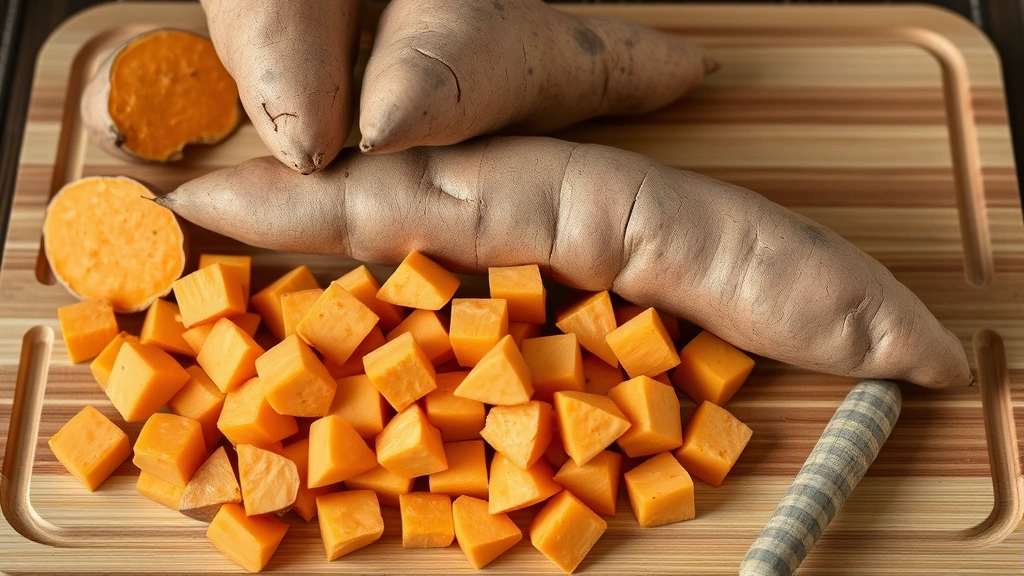
Preparation matters tremendously when it comes to dog nutrition. Never serve sweet potatoes with butter, brown sugar, cinnamon, nutmeg, or marshmallows—these common human toppings are either unhealthy or potentially toxic for dogs. Nutmeg, in particular, can be problematic in large quantities. The safest preparation method is simple: wash the sweet potato, peel it, chop it into appropriate-sized pieces, boil or bake it plain, and serve it plain. You can freeze cooked sweet potato chunks for a refreshing summer treat, or mix small amounts into your dog’s regular kibble for added nutrition and flavor.
Sweet Potato Chews vs Fresh Sweet Potatoes
You’ve probably seen those sweet potato chews at pet stores—those dried, stringy treats. These are fine occasionally, but they’re not nutritionally equivalent to fresh sweet potatoes. Dried versions are more concentrated in sugars and can be harder on the digestive system. They also pose a choking risk for some dogs, particularly aggressive chewers. Fresh, cooked sweet potatoes are always the better choice for nutritional value and safety. If you’re looking to enhance your dog’s diet overall, check out our guide on high-energy dog food needs to see if sweet potatoes fit your pup’s specific requirements.

Sweet Potatoes and Your Dog’s Digestive Health
The fiber in sweet potatoes can actually improve digestive health when introduced properly. Fiber helps regulate bowel movements and can support a healthy microbiome. However, too much fiber too quickly can cause the opposite effect—constipation or diarrhea. This is why the gradual introduction approach is so important. Start with tiny amounts and work your way up over a week or two. If your dog experiences any digestive issues, reduce the portion size or discontinue offering sweet potatoes and consult your veterinarian.
Sweet Potatoes for Dogs with Specific Health Conditions
Dogs with certain health conditions might benefit from sweet potatoes in their diet. The vitamin A content supports eye health, which is particularly beneficial for aging dogs. The antioxidants can help with inflammation and joint health in senior dogs with arthritis. However, always check with your vet before making dietary changes for a dog with existing health issues. Some conditions require specific dietary restrictions that sweet potatoes might interfere with. Your veterinarian can help you determine if sweet potatoes are appropriate for your individual dog’s health situation.

Comparison: Sweet Potatoes vs Other Dog-Friendly Vegetables
Sweet potatoes aren’t the only vegetable dogs can enjoy. Carrots, green beans, pumpkin, and broccoli are all safe options. However, sweet potatoes offer a unique nutritional profile with higher vitamin A and slightly more natural sweetness that many dogs find appealing. Carrots are lower in calories and great for dental health, while pumpkin is excellent for digestive issues. The best approach is variety—rotate different vegetables to provide diverse nutrients. For comprehensive guidance on homemade additions to your dog’s diet, explore our resource on homemade diet supplements for pets.
Creating a Balanced Diet Including Sweet Potatoes
Sweet potatoes should complement, not replace, a balanced commercial dog food or well-planned home-cooked diet. Dogs require specific ratios of protein, fat, carbohydrates, vitamins, and minerals to thrive. While sweet potatoes contribute fiber and certain nutrients, they shouldn’t make up a significant portion of your dog’s diet. Think of them as a nutritious supplement or occasional treat. If you’re considering a major dietary overhaul, consult with a veterinary nutritionist to ensure your dog gets complete and balanced nutrition. Understanding your dog’s dog feeding routine helps you determine the best way to incorporate sweet potatoes appropriately.
Summary: The Sweet Potato Verdict for Your Dog
So, can dogs eat sweet potatoes? Yes, they absolutely can, and when prepared correctly, they make a nutritious and delicious treat. Remember these key points: cook them plain without seasonings, introduce them gradually, keep portions small, and never serve them as a meal replacement. Sweet potatoes are safe for most healthy adult dogs but require caution for those with diabetes, obesity, or digestive sensitivities. When in doubt, check with your veterinarian—they know your individual dog’s health status and can provide personalized recommendations. Your dog will likely love this healthy treat, and you’ll love knowing you’re giving them something genuinely beneficial.
Frequently Asked Questions
Can puppies eat sweet potatoes?
Yes, puppies can eat sweet potatoes, but only in very small amounts. Their digestive systems are still developing, so introduce them gradually and in tiny portions. Stick to cooked, plain sweet potatoes only. Always consult your vet before introducing new foods to puppies.

Are sweet potato skins safe for dogs?
The skin of sweet potatoes is safe for dogs and contains additional fiber and nutrients. However, always wash the sweet potato thoroughly to remove any dirt or pesticides before serving. Some dogs might find the skin harder to digest, so you can peel it if your dog has a sensitive stomach.
Can dogs eat sweet potato fries?
Plain, air-fried sweet potato pieces are okay in moderation, but commercially-made sweet potato fries are usually not recommended. They often contain added salt, oil, and seasonings that aren’t appropriate for dogs. Homemade, unseasoned baked sweet potato pieces are a much better option.
How often can I give my dog sweet potatoes?
You can offer small amounts of sweet potato a few times per week as a treat. There’s no need to give them daily, and doing so might contribute excess calories to your dog’s diet. Variety in treats is always better than repetition.
What should I do if my dog eats a large amount of raw sweet potato?
If your dog consumed a significant quantity of raw sweet potato, monitor them for signs of digestive upset like vomiting, diarrhea, or constipation. Contact your veterinarian if symptoms develop or if you’re concerned about a potential blockage. In most cases, small to moderate amounts of raw sweet potato won’t cause serious problems, but observation is important.
Can sweet potatoes help with my dog’s weight loss?
Sweet potatoes can be part of a weight loss plan due to their fiber content and relatively low calorie density compared to many treats. However, they should be given in very small portions and counted toward your dog’s daily caloric intake. Work with your vet to create a comprehensive weight loss plan.





