
When it comes to dog-friendly thanksgiving foods, most pet parents are stuck between wanting to share the holiday feast with their furry best friend and knowing that turkey skin isn’t exactly a health food. The good news? Your dog can absolutely join in on the Thanksgiving celebration without you having to stress about a midnight vet visit. Let’s talk about what’s safe, what’s not, and how to make your pup feel like part of the family feast.
Table of Contents
- Why Dogs Want Your Thanksgiving Dinner (And Why You Should Care)
- Plain Turkey: The Star of the Show
- Sweet Potatoes: The Nutritional Powerhouse
- Carrots and Green Beans: The Veggie Duo
- Pumpkin Puree: The Digestive Superhero
- Plain Potatoes: Keep It Simple
- Apples and Pears: Fruity Treats (With Caution)
- Plain Cranberry Sauce: Skip the Sugar
- Chicken Broth: The Flavor Booster
- Foods to Absolutely Avoid
- Portion Control: The Real MVP
- Preparing Your Dog for Thanksgiving Feasting
- Frequently Asked Questions
- The Bottom Line: Making Thanksgiving Inclusive
Why Dogs Want Your Thanksgiving Dinner (And Why You Should Care)
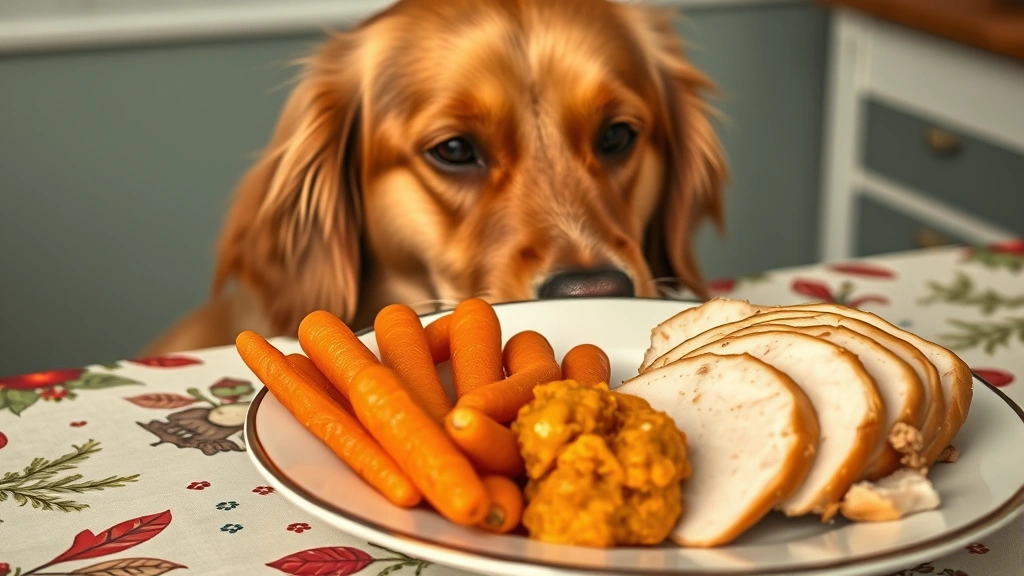
Let’s be real—your dog is going to sit under the table with those big puppy eyes, and you’re going to want to cave. The smell of roasted turkey, buttery mashed potatoes, and all those savory sides is basically canine catnip. But here’s the thing: not everything on your plate is safe for your four-legged dinner guest. Some foods can cause serious digestive issues, pancreatitis, or even toxicity. That’s why knowing which dog-safe thanksgiving options exist is crucial.
Plain Turkey: The Star of the Show
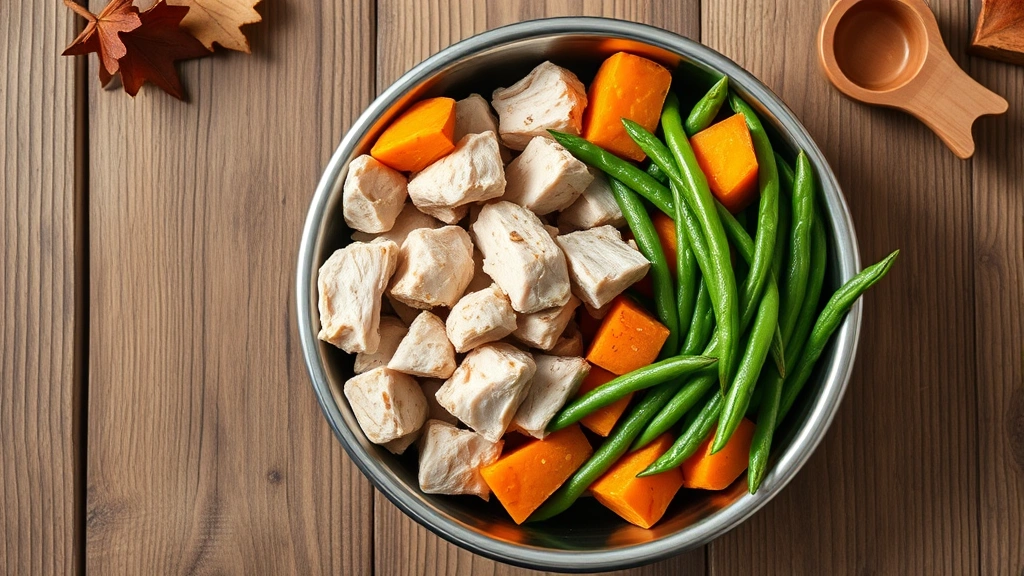
Let’s start with the obvious one—turkey. Plain, unseasoned, skinless turkey is actually fantastic for dogs. It’s lean, protein-packed, and absolutely safe when prepared correctly. Skip the skin (it’s too fatty and can trigger pancreatitis), ditch the seasoning, and avoid any bones. Cooked turkey meat is digestible and makes a great high-protein treat. You can serve it as small chunks mixed into their regular kibble or as standalone pieces. Just remember: moderation is key, and it should only be about 10% of their daily caloric intake.
Sweet Potatoes: The Nutritional Powerhouse
Sweet potatoes are one of the best dog-friendly thanksgiving foods you can share. They’re packed with fiber, vitamins, and minerals, and most dogs find them absolutely delicious. Serve them plain—no butter, brown sugar, marshmallows, or cinnamon. You can offer them mashed, baked, or even as a frozen treat. If your dog has a sensitive stomach, sweet potatoes are gentle and often recommended by vets. Check out our sensitive stomach supplements guide if your pup struggles with digestive issues.
Carrots and Green Beans: The Veggie Duo
Raw or cooked carrots and green beans are safe, healthy, and honestly kind of boring for humans but somehow exciting for dogs. Carrots are great for dental health and give your pup something to chew on. Green beans are low-calorie and full of nutrients. Both can be served plain, steamed, or even raw. They’re perfect for dogs watching their waistline, and you can use them as a filler to make their Thanksgiving plate feel more substantial without adding excess calories.
Pumpkin Puree: The Digestive Superhero
Plain pumpkin puree (not pie filling) is one of the most underrated dog-friendly thanksgiving foods. It’s great for digestive health, whether your dog is dealing with constipation or diarrhea. The fiber content helps regulate digestion, and most dogs actually enjoy the taste. You can mix it into their regular food, serve it plain, or even freeze it for a refreshing treat. Just make absolutely sure you’re buying 100% pure pumpkin, not the spiced pie filling.
Plain Potatoes: Keep It Simple
Regular white or sweet potatoes (boiled or baked, no butter or seasoning) are safe for dogs. They’re carbs, so they’re not essential for your pup’s diet, but they’re not harmful either. The key word here is plain—no gravy, no butter, no sour cream, no chives. If you’re following a weight-based feeding guide, remember that potatoes should be occasional treats, not staples.
Apples and Pears: Fruity Treats (With Caution)
Apples and pears are safe for dogs, but you need to remove the seeds first. Apple and pear seeds contain cyanogenic compounds that can be toxic in large quantities. Serve them in small chunks, and your dog will think they hit the jackpot. These fruits are great for dental health and provide natural sweetness without added sugar. Just don’t go overboard—they’re still sugary, even if natural.
Plain Cranberry Sauce: Skip the Sugar
Fresh cranberries are safe for dogs, but that sugary cranberry sauce most families serve? Not so much. If you want to include cranberries, serve them fresh and unsweetened. They’re tart, so most dogs need some coaxing, but they’re totally safe and have great antioxidants. Avoid any cranberry sauce with added sugar, artificial sweeteners (especially xylitol, which is toxic), or spices.
Chicken Broth: The Flavor Booster
Plain, unsalted chicken or vegetable broth can be drizzled over your dog’s regular food to make it feel more festive and special. It adds flavor without adding calories or dangerous ingredients. Just check the label to make sure there’s no added sodium, garlic, or onions. Some dogs get excited about broth-soaked kibble, and it’s a simple way to make them feel included in the celebration.
Foods to Absolutely Avoid
Now let’s talk about the Thanksgiving foods that are absolute no-nos. Anything with garlic or onions (including powdered versions) is toxic to dogs and can damage their red blood cells. Grapes and raisins are similarly dangerous, even in small amounts. Chocolate, especially dark chocolate, is toxic. Avocado contains persin, which can cause digestive upset. Bones (especially cooked ones) can splinter and cause intestinal blockages. Fatty foods like gravy can trigger pancreatitis. And xylitol, an artificial sweetener found in some desserts, is extremely toxic to dogs. When in doubt, don’t share it.
Portion Control: The Real MVP
Even safe foods can cause problems if your dog eats too much. Thanksgiving is one meal—it shouldn’t disrupt your dog’s regular feeding schedule. Treats should make up no more than 10% of their daily calories. If you’re planning a homemade pet food schedule, Thanksgiving should fit within that plan, not replace it. Consider reducing their regular meal slightly if you’re giving them extra treats, and always have fresh water available.
Preparing Your Dog for Thanksgiving Feasting
If your dog has a history of food sensitivities or digestive issues, introduce any new foods slowly, even safe ones. Start with tiny amounts a few days before Thanksgiving to make sure there are no adverse reactions. If your dog is prone to food aggression, establish clear boundaries about where they can eat and make sure everyone at your gathering knows not to hand-feed them. For active versus inactive dogs, adjust portions accordingly—your couch potato doesn’t need as many treats as your hiking buddy.
Frequently Asked Questions
Can dogs eat turkey skin?
No, turkey skin is too fatty and can cause pancreatitis, which is a serious condition. Stick to plain, skinless turkey meat only.
Is stuffing safe for dogs?
Traditional stuffing usually contains onions and garlic, which are toxic to dogs. Even if it doesn’t, it’s typically high in fat and salt. Skip it.
Can my dog have a little bit of pie?
Most pie contains sugar, spices, and potentially toxic ingredients like raisins or xylitol. It’s not worth the risk. Stick to dog-safe treats instead.
What should I do if my dog eats something toxic?
Contact your veterinarian or the ASPCA Animal Poison Control Center (888-426-4435) immediately. Don’t wait to see if symptoms develop.
Can dogs eat cornbread or rolls?
Plain cornbread or rolls without added ingredients are technically safe, but they’re not nutritious for dogs and can contribute to weight gain. Skip them.
Is it okay to give my dog a Thanksgiving bone?
Cooked bones can splinter and cause serious intestinal damage. Never give your dog cooked bones. Raw bones are safer but still risky if your dog doesn’t chew properly.
The Bottom Line: Making Thanksgiving Inclusive
Your dog can absolutely enjoy dog-friendly thanksgiving foods without compromising their health. Focus on plain proteins like turkey, safe vegetables like sweet potatoes and green beans, and simple fruits like apples. Skip anything with garlic, onions, grapes, chocolate, or excessive fat. Keep portions small, introduce new foods gradually, and remember that your dog’s regular diet should still be their primary nutrition source. The best gift you can give your pup on Thanksgiving isn’t extra food—it’s the company and love of your family gathered around the table. A happy, healthy dog is the real reason to be grateful this holiday season.





