

If your furry friend just devoured something questionable from the trash, ate spoiled food, or got into toxic human food, you’re probably wondering whether an emergency vet for food poisoning is necessary or if you can wait it out. Spoiler alert: sometimes you absolutely cannot wait. Pet food poisoning isn’t always a “let’s see what happens” situation, and knowing when to panic versus when to chill could literally save your pet’s life.
Table of Contents
- What Counts as Pet Food Poisoning Anyway?
- Sign #1: Persistent Vomiting and Uncontrollable Diarrhea
- Sign #2: Lethargy and Collapse
- Sign #3: Abdominal Pain and Distention
- Sign #4: Difficulty Breathing and Pale Gums
- Sign #5: Tremors, Seizures, or Neurological Symptoms
- When You Can Handle Food Poisoning at Home
- The Importance of Knowing What Your Pet Ate
- What to Expect at the Emergency Vet Clinic
- Prevention: The Best Medicine
- When to Call Your Regular Vet vs. Emergency Clinic
- Recovery and Follow-Up Care
- Frequently Asked Questions
- The Bottom Line
What Counts as Pet Food Poisoning Anyway?
Food poisoning in pets happens when they consume contaminated, spoiled, or toxic food. Unlike humans who might get away with a sketchy gas station hot dog, dogs and cats have different digestive systems and way lower tolerance for certain substances. Bacterial contamination from spoiled meat, mold toxins, chocolate, xylitol, onions, grapes, or even just eating too much greasy human food can all trigger poisoning. The severity ranges from “minor tummy troubles” to “get to the emergency clinic NOW.”
Sign #1: Persistent Vomiting and Uncontrollable Diarrhea
One or two episodes of vomiting? Annoying, but manageable. Your pet throwing up repeatedly over several hours or having explosive diarrhea that won’t stop? That’s when you call the emergency vet. Persistent vomiting and diarrhea lead to dehydration faster than you’d think, especially in small breeds, puppies, and senior pets. Dehydration can cause organ damage within hours. If your pet is vomiting more than twice in a short period or has diarrhea lasting over 24 hours, don’t mess around—contact an emergency vet immediately. Remote vet consultation can provide initial guidance, but in-person evaluation is crucial for severe cases.
Sign #2: Lethargy and Collapse
A pet that’s acting completely wiped out, won’t move, or collapses is showing serious distress. Food poisoning can cause systemic toxicity that affects the nervous system and overall energy levels. If your normally peppy pup is lying around like a furry potato and won’t respond to their favorite toy or treat, something’s seriously wrong. Lethargy combined with other symptoms means you’re looking at a genuine emergency. Don’t wait for the morning vet appointment—get to the 24-hour emergency clinic.
Sign #3: Abdominal Pain and Distention
Pets can’t tell you their belly hurts, but they show it through behavior. A dog in abdominal pain might assume a “play bow” position (front legs stretched, rear end up), whimper, or guard their belly when you touch it. Cats might hide, meow excessively, or refuse to eat. A visibly bloated or distended abdomen is especially concerning because it could indicate gastric dilation-volvulus (bloat), a life-threatening condition. Any signs of severe abdominal pain warrant an emergency vet visit. This isn’t something to monitor at home.
Sign #4: Difficulty Breathing and Pale Gums
If your pet is struggling to breathe, panting excessively, or has pale or bluish gums, get them to an emergency vet immediately. These symptoms suggest toxicity affecting the respiratory system or blood oxygen levels. Pale gums indicate poor circulation or blood loss, both emergencies. Don’t drive slowly—this is a “break the speed limit” situation. Difficulty breathing can progress rapidly, and waiting even 15 minutes could be too long.
Sign #5: Tremors, Seizures, or Neurological Symptoms
Certain toxins like chocolate, xylitol, or certain plants cause neurological symptoms. If your pet is trembling, having seizures, acting confused, or displaying unusual behavior after eating something suspicious, that’s a medical emergency. Neurological symptoms indicate the toxin has entered the bloodstream and is affecting the brain. Get to an emergency vet immediately. While you’re driving, note exactly what your pet ate (if you know) and when—this information helps the vet treat your pet faster. Pet medication advice online might help you understand next steps, but emergency care is non-negotiable here.
When You Can Handle Food Poisoning at Home
Not every instance of food poisoning requires emergency care. If your pet ate something mildly questionable and is showing only minor symptoms—like a single episode of vomiting or soft stool—you might manage it at home with rest and monitoring. Withhold food for 12-24 hours (but keep water available), then introduce bland food like boiled chicken and rice. However, this approach only works if your pet is otherwise acting normal, keeping water down, and showing no other warning signs. When in doubt, call your regular vet or an emergency clinic for guidance. Most vets are cool with quick phone consultations.
The Importance of Knowing What Your Pet Ate
If you witnessed your pet eating something toxic or suspicious, try to identify exactly what it was. Chocolate toxicity depends on the type and amount; dark chocolate is worse than milk chocolate. Xylitol (found in sugar-free products) is extremely toxic in tiny amounts. Grapes, raisins, onions, and garlic are all dangerous. Knowing the substance helps the emergency vet determine treatment urgently. If you don’t know what your pet ate, describe the symptoms and when they started. The vet will work backward to figure out the likely culprit.
What to Expect at the Emergency Vet Clinic
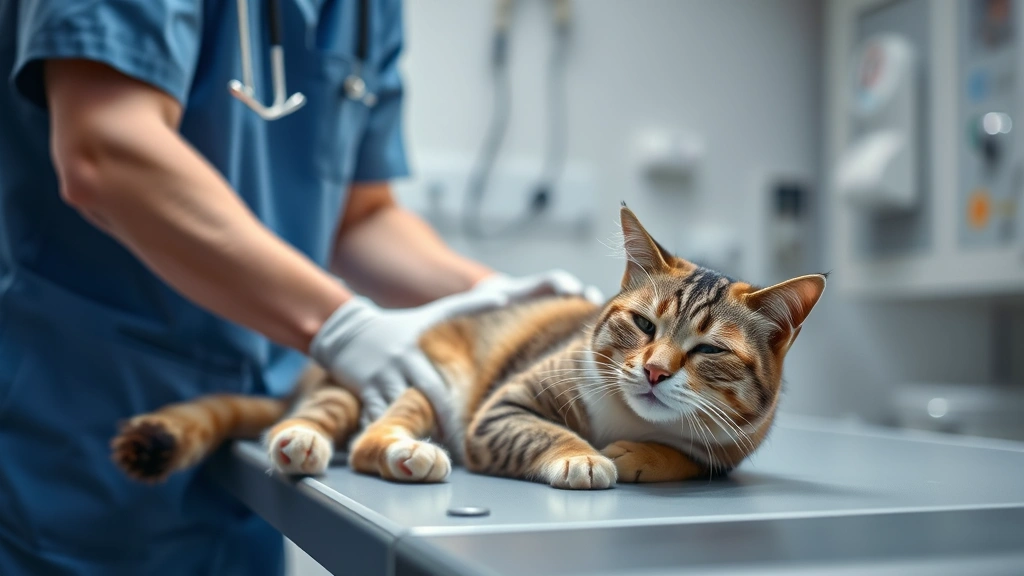
When you arrive with a potentially poisoned pet, the vet will perform a physical exam, take a history, and likely run blood work or other diagnostics. Treatment depends on the toxin and severity. Your pet might receive IV fluids to combat dehydration, anti-nausea medication, activated charcoal to absorb toxins (if given early enough), or supportive care. In severe cases, hospitalization for monitoring might be necessary. The vet might also induce vomiting if the toxin was ingested recently enough. Costs vary wildly depending on treatment intensity, but emergency vet visits typically run $500-$2,000+. Yes, it’s expensive, but it beats losing your pet.
Prevention: The Best Medicine
The best emergency vet for food poisoning is the one you never have to visit. Keep human food, especially toxic items, away from curious pets. Store garbage securely, don’t leave food on counters, and educate family members about pet-safe foods. Watch for signs of overfeeding pets, which can contribute to digestive upset. Be especially careful during holidays when toxic foods are abundant. If you have a pet prone to eating weird stuff, consider keeping their environment restricted and supervising outdoor time closely. Some pets are basically furry garbage disposals—if yours is one of them, extra vigilance saves lives and money.
When to Call Your Regular Vet vs. Emergency Clinic
Your regular vet is great for non-emergency situations. If your pet ate something questionable but is acting fine, call your regular vet during business hours for advice. If it’s after hours and your pet shows any concerning symptoms, skip the regular vet and go straight to the emergency clinic. Emergency clinics are equipped for urgent situations and staffed 24/7. Many regular vet offices have emergency numbers that direct you to appropriate after-hours care. Don’t waste time trying to reach a closed office when your pet needs immediate help.
Recovery and Follow-Up Care
After emergency treatment, your pet will need follow-up care. The vet might recommend a bland diet for several days, specific medications, or monitoring for complications. Some pets recover quickly; others need weeks to fully bounce back. Follow all post-care instructions carefully. If your pet was hospitalized, ask about discharge instructions and when to schedule a follow-up appointment. Monitor your pet closely for any returning symptoms and report them immediately. Recovery from food poisoning is usually good if caught early, but complications can develop, so stay vigilant. Consider implementing water intake monitoring during recovery to ensure proper hydration.
Frequently Asked Questions
How long does pet food poisoning last?
Mild cases might resolve in 24-48 hours with rest and bland food. Severe poisoning requiring emergency treatment can take days to weeks for full recovery, depending on the toxin and treatment intensity. Some toxins cause lasting damage requiring ongoing management.
Can I induce vomiting at home?
No. Inducing vomiting at home is dangerous and can cause more harm. Some substances (like corrosives) cause more damage coming back up. Always let a vet decide whether vomiting should be induced, and only they should do it safely.

Is activated charcoal safe for pets?
Activated charcoal is safe when administered by a vet in appropriate doses. It helps absorb certain toxins if given within a few hours of ingestion. Never give it at home without vet guidance.
What’s the cost of emergency vet care for food poisoning?
Costs range from $500 for basic evaluation and treatment to $2,000+ for hospitalization and intensive care. It varies by location, severity, and required diagnostics. Pet emergency insurance can help offset costs.
Can food poisoning be fatal in pets?
Yes, untreated severe food poisoning can be fatal. Certain toxins like xylitol or specific plants are deadly in small amounts. Early emergency treatment dramatically improves survival rates.
How do I know if my pet ate something toxic?
Watch for sudden vomiting, diarrhea, lethargy, tremors, or unusual behavior after eating something suspicious. If you witnessed them eating something questionable, assume it’s toxic and call a vet immediately. When in doubt, contact poison control or your emergency vet.
Should I give my pet water after they’ve been vomiting?
Yes, but in small amounts. Offer water in small sips rather than full bowls. If your pet immediately vomits the water, withhold it briefly and try again in 30 minutes. Dehydration is serious, so getting fluids in is important, but small frequent amounts are better than large quantities.
The Bottom Line
Finding an emergency vet for food poisoning shouldn’t be a panic-fueled internet search at 2 AM. Know your local emergency vet clinic before you need it. Save their number in your phone. Recognize the five critical signs—persistent vomiting, lethargy, abdominal pain, breathing difficulty, and neurological symptoms—and act immediately if you see them. Not every instance of food poisoning is an emergency, but when it is, speed matters. Your pet can’t tell you they’re in danger, so you have to be their advocate. Trust your gut, call the vet, and don’t worry about looking paranoid. Vets would rather you overreact than under-react when it comes to poisoning. Your pet’s life might depend on it.





