
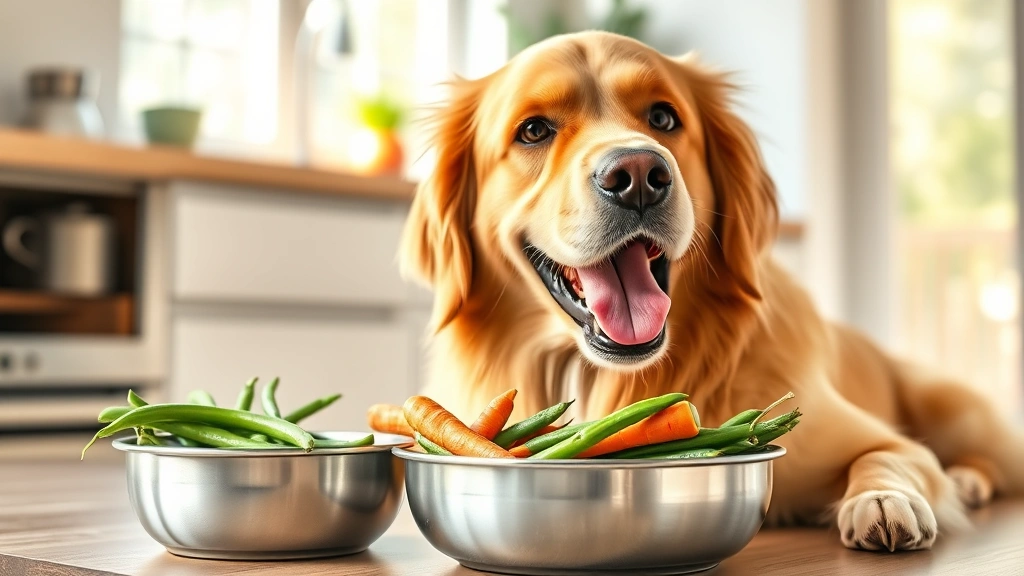
When it comes to treating your furry best friend, low-calorie human foods for pets can be a game-changer for maintaining a healthy weight while keeping those puppy-dog eyes happy. Let’s be honest—watching your pet beg for a bite of your dinner is basically the cutest form of emotional manipulation known to humankind. But before you cave and hand over your entire plate, let’s talk about which human foods are actually safe, healthy, and won’t send your vet into a lecture about obesity in pets.
Table of Contents
- Why Low-Calorie Treats Matter for Pet Health
- Carrots: The Crunchy Orange Wonder
- Green Beans: The Veggie That Won’t Break the Calorie Bank
- Apples: Sweet Treats Without the Guilt
- Watermelon: Hydration and Flavor in One
- Plain Cooked Chicken: The Protein Powerhouse
- Sweet Potatoes: Nutrient-Dense and Delicious
- Blueberries: Tiny Antioxidant Bombs
- Pumpkin: The Digestive Superstar
- Cucumbers: The Refreshing, Nearly-Calorie-Free Snack
- Eggs: Complete Protein in Moderation
- Important Safety Considerations and Vet Consultation
- Creative Ways to Use Low-Calorie Foods in Pet Nutrition
- Frequently Asked Questions
- Summary: Treating Your Pet Right
Why Low-Calorie Treats Matter for Pet Health
Pet obesity is no joke. According to the Association for Pet Obesity Prevention, nearly 60% of cats and 56% of dogs in the United States are overweight or obese. That’s a lot of chunky kitties and rotund pups waddling around! Excess weight leads to serious health issues like diabetes, joint problems, and shortened lifespans. The good news? Healthy human food options for pets can help you manage their weight without sacrificing the joy of treat time.
When you understand daily calorie requirements for cats and dogs, you can make informed decisions about what goes into their bowls. Treats should typically make up no more than 10% of your pet’s daily caloric intake. That means if your dog needs 1,500 calories a day, treats should max out around 150 calories.
Carrots: The Crunchy Orange Wonder
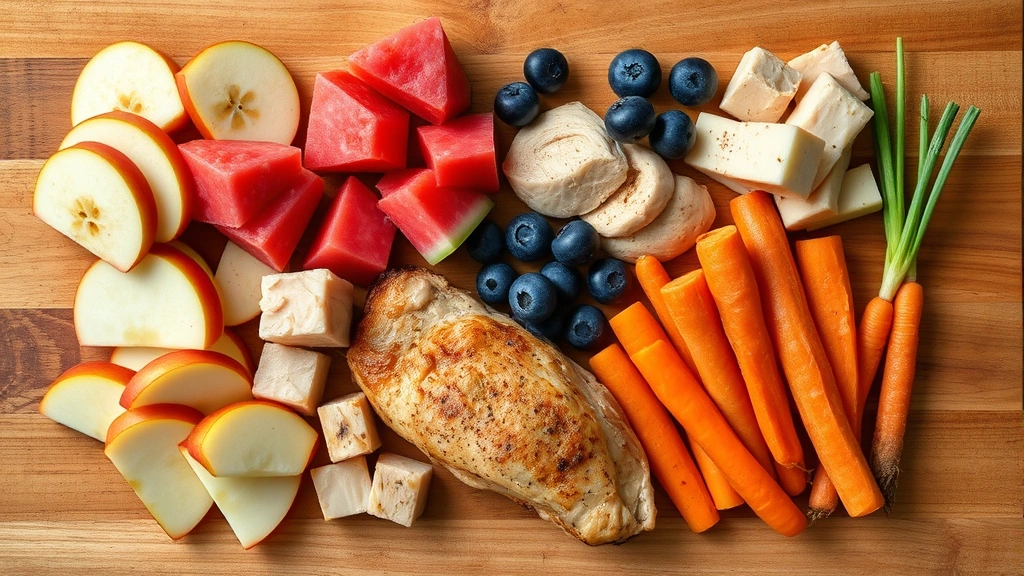
Raw carrots are basically nature’s toothbrush and a veterinarian’s dream treat. They’re packed with fiber, vitamin A, and are incredibly low in calories—about 4 calories per baby carrot. Dogs absolutely love the satisfying crunch, and chewing on carrots can help clean their teeth naturally. Your pup gets entertainment, dental benefits, and a guilt-free snack all in one.
Pro tip: Freeze carrot sticks for extra crunchiness and a longer-lasting chew session. Just avoid giving cooked carrots in large quantities, as they’re higher in sugar when cooked.
Green Beans: The Veggie That Won’t Break the Calorie Bank
Green beans are a vet-approved superstar for weight management. With only about 7 calories per green bean, they’re filling, crunchy, and loaded with vitamins. Many pet owners use green beans as a volume trick—adding steamed green beans to regular meals makes the bowl look fuller while keeping calories in check. It’s basically the pet equivalent of using smaller plates to feel fuller faster.
Serve them steamed or raw, but always without added salt, garlic, or onions (those last two are toxic to pets). You can even mix them into their regular food to add bulk without guilt.
Apples: Sweet Treats Without the Guilt
An apple a day might not keep the vet away, but it’s certainly not going to hurt! Apples are around 17 calories per slice and provide a natural sweetness that pets find irresistible. They’re great for cleaning teeth and contain fiber for digestive health. Just remove all seeds before serving—apple seeds contain cyanogenic compounds that aren’t ideal in large quantities.
Cut apples into bite-sized pieces and offer them as occasional treats. They work especially well for dogs who love crunchy textures.
Watermelon: Hydration and Flavor in One
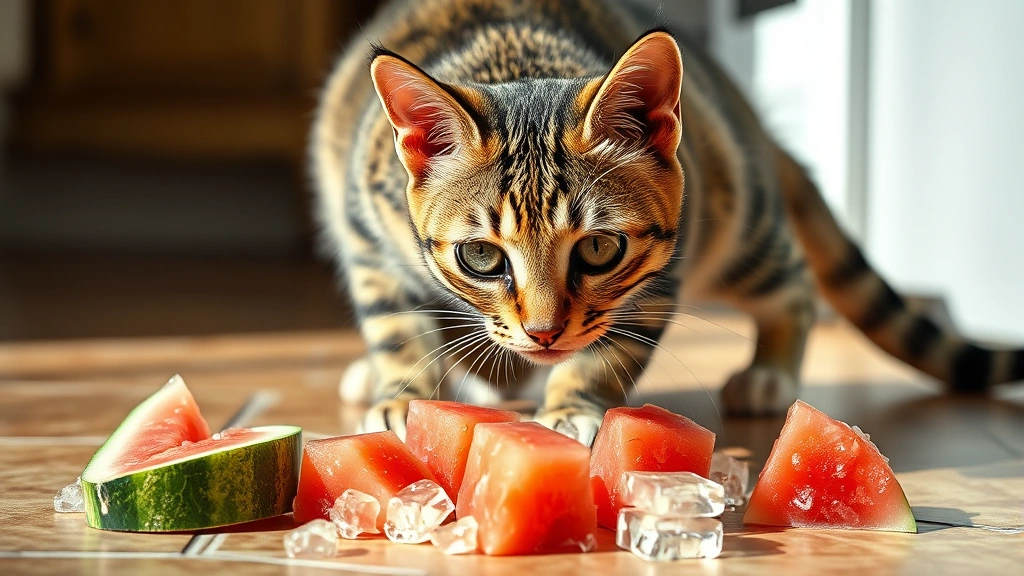
During hot summer months, watermelon is basically frozen gold for pets. It’s 92% water, making it incredibly low in calories (about 11 calories per 100 grams) while keeping your pet hydrated. Remove all seeds and the rind, then offer small cubes as refreshing treats. Some pet owners even freeze watermelon chunks for a popsicle-like treat that’ll make your dog forget all about your ice cream.
This is particularly useful when working on weight-based feeding guides for overweight pets who need more volume in their diet.
Plain Cooked Chicken: The Protein Powerhouse
Skinless, boneless, plain cooked chicken is basically the gold standard for pet treats. It’s high in protein, low in fat (when skin is removed), and most pets go absolutely bonkers for it. A 3-ounce serving has around 140 calories, making it perfect for training rewards or meal toppers.
Never give raw chicken due to salmonella risks, and always avoid seasoning, salt, and especially garlic and onions, which are toxic to pets. Boiled or baked chicken is your safest bet.
Sweet Potatoes: Nutrient-Dense and Delicious
Cooked sweet potato is a nutritional powerhouse with about 23 calories per ounce. They’re loaded with beta-carotene, fiber, and vitamin B6, making them one of the healthiest pet-safe human foods for weight loss. Many vets recommend sweet potatoes as part of a balanced diet for overweight pets.
Serve them plain and cooked—no butter, brown sugar, or marshmallows. Cut into small cubes and use as training treats or meal toppers.
Blueberries: Tiny Antioxidant Bombs
These little blue nuggets are nutritional superstars at just 3 calories each. Blueberries are packed with antioxidants, vitamin C, and fiber. They’re small enough to use as training treats without derailing your pet’s diet, and most dogs find them delicious. Plus, they’re great for brain health and have anti-inflammatory properties.
Fresh or frozen blueberries both work great. Some pets enjoy them frozen as a cooling summer snack.
Pumpkin: The Digestive Superstar
Plain pumpkin puree (not pie filling) is about 10 calories per tablespoon and is often recommended by vets for digestive health. It’s high in fiber, helps with both constipation and diarrhea, and most pets love it. You can mix it into their regular food, freeze it in ice cube trays, or offer small spoonfuls as treats.
This is particularly helpful when addressing overfeeding pets issues, as the fiber helps pets feel fuller longer.
Cucumbers: The Refreshing, Nearly-Calorie-Free Snack
Cucumbers are about 95% water and contain virtually zero calories—we’re talking less than 3 calories per cup. They’re perfect for pets who just want to munch on something without any nutritional impact. Serve them raw, sliced into rounds, and watch your pet enjoy a guilt-free crunch fest.
Some pets find cucumbers refreshing, especially on hot days. They’re also great for size-based portion control strategies where you need to add volume without calories.
Eggs: Complete Protein in Moderation
A boiled egg (without salt) contains about 70 calories and provides complete protein with all essential amino acids. Eggs are an excellent occasional treat, though they should be given in moderation due to their fat content. A whole egg once or twice weekly is generally safe for most pets.
Always cook eggs thoroughly and never serve raw due to salmonella risks. Scrambled, boiled, or poached—all work great, just skip the butter and seasoning.
Important Safety Considerations and Vet Consultation
Before introducing any new foods, always consult with your veterinarian. Some pets have specific health conditions or allergies that make certain foods inappropriate. Additionally, never assume a food is safe just because it’s on this list—individual pets react differently.
Foods to ALWAYS avoid include chocolate, grapes, raisins, avocado, macadamia nuts, xylitol (artificial sweetener), and anything with garlic or onions. These can cause serious health issues ranging from digestive upset to organ damage.
According to the American Animal Hospital Association, treats should comprise no more than 10% of your pet’s daily caloric intake. Use the size-based portion control guidelines to determine appropriate serving sizes for your specific pet.
Creative Ways to Use Low-Calorie Foods in Pet Nutrition
Think beyond basic treats. You can use low-calorie human foods for pets creatively throughout your pet’s diet. Mix steamed green beans or carrots into their regular food to increase volume while decreasing overall calorie density. Use small pieces of apple or blueberry as training rewards. Freeze watermelon chunks for enrichment toys on hot days.
According to PetMD, incorporating variety into your pet’s diet keeps them mentally stimulated and prevents boredom-related overeating. This aligns with food enrichment for cats and dogs, making mealtime more engaging.
You can also practice rotating protein sources by occasionally replacing a portion of their regular protein with plain cooked chicken or eggs, keeping their diet interesting while maintaining nutritional balance.
Frequently Asked Questions
Can I give my pet unlimited amounts of low-calorie foods?
No, even low-calorie foods should be given in moderation as part of a balanced diet. Treats should still comprise no more than 10% of daily calories. Excessive amounts of any food, even vegetables, can cause digestive upset and nutritional imbalances. Always measure portions and track treat intake.
Are frozen fruits and vegetables safe for pets?
Yes, frozen fruits and vegetables are perfectly safe and can actually be beneficial. Freezing doesn’t reduce nutritional value and can provide enrichment through longer chewing time. Just ensure they’re plain with no added sugars, sweeteners, or salt.
How do I know if my pet is overweight?
You should be able to feel your pet’s ribs easily without pressing hard, see a waist when viewed from above, and notice an abdominal tuck when viewed from the side. If you can’t feel ribs or see a defined waist, your pet may be overweight. Consult your vet for a professional assessment.
Can I use these foods for pets with specific health conditions?
Always check with your veterinarian before introducing new foods if your pet has diabetes, kidney disease, or other health conditions. Some foods may need to be avoided or limited based on your pet’s specific medical needs.
What’s the best way to introduce new foods to my pet?
Introduce new foods gradually, starting with small amounts mixed into regular food. Watch for any signs of digestive upset like vomiting or diarrhea. If your pet tolerates the new food well after 3-5 days, you can increase the amount slightly.
Summary: Treating Your Pet Right
Keeping your pet at a healthy weight doesn’t mean eliminating treats entirely. By choosing low-calorie human foods for pets wisely, you can give your furry friend delicious snacks without the guilt. Carrots, green beans, apples, watermelon, plain chicken, sweet potatoes, blueberries, pumpkin, cucumbers, and eggs are all vet-approved options that provide nutrition, enrichment, and joy.
Remember to keep treats to 10% of daily calories, always consult your vet before introducing new foods, and avoid toxic foods entirely. With these smart choices, you can enjoy those begging eyes knowing you’re actually supporting your pet’s health rather than compromising it. Your pet’s waistline—and their overall health—will thank you!





