

As a responsible dog owner, you’ve likely heard the warnings about chocolate being toxic to dogs. But what about white chocolate? Many pet parents find themselves wondering whether this lighter-colored confection poses the same risks as its darker counterparts. The question “can dogs have white chocolate” is more complex than a simple yes or no answer, and understanding the nuances could be crucial for your pet’s safety.
White chocolate occupies a unique position in the chocolate family, and its effects on dogs differ significantly from milk or dark chocolate. While it may seem like a safer alternative due to its lighter appearance and different composition, there are still important considerations every dog owner should understand before sharing any sweet treats with their furry companions.
What Is White Chocolate?
White chocolate is fundamentally different from traditional milk and dark chocolates in its composition and manufacturing process. Unlike its darker counterparts, white chocolate doesn’t contain cocoa solids, which are responsible for the brown color and much of the theobromine content that makes chocolate toxic to dogs. Instead, white chocolate is made primarily from cocoa butter, sugar, milk solids, and vanilla flavoring.
The FDA requires that products labeled as “white chocolate” contain at least 20% cocoa butter, 14% milk solids, and no more than 55% sugar. This composition is crucial when considering its safety for dogs, as the absence of cocoa solids significantly reduces the theobromine content that makes other chocolates dangerous.
However, it’s important to note that not all white-colored confections are true white chocolate. Some products labeled as “white chocolate” may contain artificial ingredients or different formulations that could affect their safety profile for pets. Always check ingredient labels when assessing any food item’s potential impact on your dog’s health.
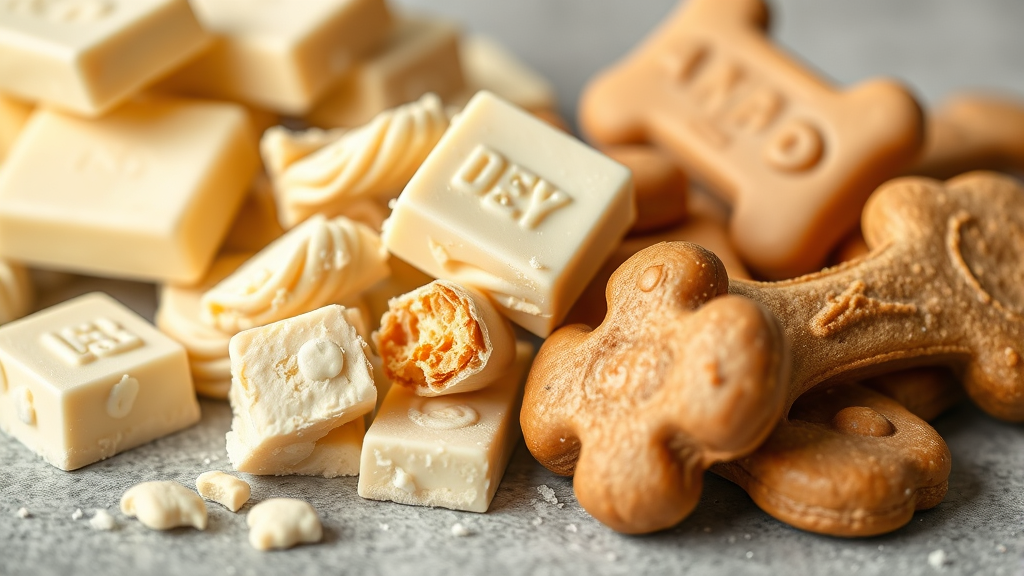
Understanding Theobromine Content in White Chocolate
Theobromine is the primary compound that makes chocolate toxic to dogs. This methylxanthine alkaloid is found in varying concentrations across different types of chocolate, with dark chocolate containing the highest levels, followed by milk chocolate, and finally white chocolate with the lowest amounts. Understanding why dogs can’t have chocolate helps explain the relative safety of white chocolate.
According to veterinary toxicology data, white chocolate contains approximately 0.25 mg of theobromine per ounce, compared to milk chocolate’s 44-58 mg per ounce and dark chocolate’s 130-450 mg per ounce. This dramatic difference in theobromine concentration is why white chocolate is generally considered less dangerous for dogs than other chocolate types.
The ASPCA Animal Poison Control Center notes that the toxic dose of theobromine for dogs ranges from 20 mg per kilogram of body weight for mild symptoms to 40-50 mg per kilogram for more severe reactions. Given white chocolate’s low theobromine content, a dog would need to consume enormous quantities to reach toxic levels from theobromine alone.
Is White Chocolate Safe for Dogs?
While white chocolate contains significantly less theobromine than other chocolate varieties, it’s not entirely safe for dogs. The minimal theobromine content makes white chocolate toxicity unlikely in small amounts, but this doesn’t mean it should be considered a safe treat for your pet. The primary concerns with white chocolate consumption in dogs relate to its high sugar and fat content rather than theobromine poisoning.
A small amount of white chocolate accidentally consumed by a dog is unlikely to cause theobromine toxicity. However, regular consumption or large quantities can lead to other health issues including obesity, dental problems, and pancreatitis. The high sugar content can also contribute to diabetes development in susceptible dogs, making white chocolate an inappropriate regular treat.
Veterinary professionals generally recommend avoiding all chocolate products for dogs, including white chocolate, as part of a comprehensive approach to pet safety. While the immediate toxic risk may be lower with white chocolate, the long-term health implications and the risk of creating problematic eating habits make it advisable to choose dog-specific treats instead.
Potential Risks and Health Concerns
Beyond the minimal theobromine content, white chocolate presents several health risks for dogs that pet owners should carefully consider. The high fat content in white chocolate can trigger acute pancreatitis, a serious and potentially life-threatening condition that causes severe abdominal pain, vomiting, and requires immediate veterinary intervention.
The sugar content in white chocolate poses additional concerns for canine health. Dogs process sugar differently than humans, and excessive sugar intake can lead to rapid spikes in blood glucose levels, potentially causing hyperactivity followed by crashes. Long-term sugar consumption contributes to obesity, dental decay, and may increase the risk of developing diabetes mellitus.
Some white chocolate products contain additional ingredients that may be harmful to dogs. Xylitol, an artificial sweetener sometimes used in sugar-free white chocolate alternatives, is extremely toxic to dogs and can cause rapid insulin release, leading to severe hypoglycemia. Similarly, some white chocolate products may contain nuts, raisins, or other ingredients that are independently toxic to dogs.
The caloric density of white chocolate is another concern. A typical ounce of white chocolate contains approximately 150 calories, which represents a significant portion of a small dog’s daily caloric needs. Regular consumption could quickly lead to weight gain and associated health problems including joint stress, cardiovascular issues, and reduced life expectancy.

Symptoms to Watch For
If your dog consumes white chocolate, monitoring for symptoms is essential even though the risk of theobromine toxicity is low. Gastrointestinal upset is the most common immediate reaction, presenting as vomiting, diarrhea, or excessive drooling. These symptoms typically appear within 2-4 hours of consumption and may persist for 12-24 hours.
Watch for signs of pancreatitis, which may develop 24-72 hours after consuming high-fat foods like white chocolate. Symptoms include severe abdominal pain (indicated by a hunched posture or reluctance to move), repeated vomiting, loss of appetite, lethargy, and fever. Pancreatitis requires immediate veterinary attention and can be life-threatening if left untreated.
In cases where dogs consume large quantities of white chocolate or products containing additional toxic ingredients, more serious symptoms may develop. These can include increased heart rate, restlessness, excessive urination, muscle tremors, or seizures. The American Veterinary Medical Association emphasizes that any concerning symptoms following chocolate consumption warrant immediate professional evaluation.
Behavioral changes such as hyperactivity or unusual restlessness may also occur due to the sugar content, even when theobromine levels aren’t toxic. These symptoms are generally temporary but can be distressing for both pets and owners, particularly in sensitive individuals or small dogs.
What to Do If Your Dog Eats White Chocolate
If you discover that your dog has consumed white chocolate, the first step is to remain calm and assess the situation. Determine how much white chocolate was consumed, when it was eaten, and your dog’s current weight. This information will be crucial for veterinary professionals to assess the risk level and determine appropriate treatment.
Contact your veterinarian or the ASPCA Animal Poison Control Center immediately for professional guidance. Even though white chocolate poses lower theobromine risks, professional assessment ensures that other potential hazards are properly evaluated. Provide specific details about the product consumed, including brand name and ingredient list if available.
Do not attempt to induce vomiting unless specifically instructed by a veterinary professional. While knowing how to induce vomiting in dogs can be valuable in certain emergency situations, inappropriate vomiting induction can cause additional complications, particularly if the dog has already developed gastrointestinal symptoms.
Monitor your dog closely for the next 24-48 hours, watching for any symptoms of distress or unusual behavior. Keep your pet calm and comfortable, ensuring access to fresh water while restricting food if vomiting occurs. Document any symptoms that develop, including timing and severity, to report to your veterinary team.
Safe Alternatives and Treats
Rather than risking potential health issues with white chocolate, numerous safe and healthy alternatives can satisfy your dog’s desire for special treats. Commercial dog treats are specifically formulated to meet canine nutritional needs while providing enjoyable flavors and textures that dogs love.
Natural treat options include small pieces of fresh fruits like apples (without seeds), blueberries, or bananas, which provide vitamins and antioxidants without harmful additives. Vegetables such as carrots, green beans, or sweet potato pieces offer nutritious alternatives that many dogs find appealing. Always introduce new foods gradually and in moderation.
For dogs who seem to crave sweet treats, consider dog-safe “ice cream” made from plain yogurt and pureed fruit, frozen in ice cube trays for a refreshing summer treat. Peanut butter (xylitol-free) frozen in Kong toys or spread on dog-safe crackers provides enrichment along with nutritional value.
When considering other human foods, it’s worth understanding what’s safe and what isn’t. For example, learning about whether dogs can eat marshmallows or dogs can eat whipped cream helps you make informed decisions about occasional treats that might seem harmless but could pose risks.
Prevention and Safety Tips
Prevention remains the most effective strategy for protecting your dog from chocolate-related health issues. Store all chocolate products, including white chocolate, in secure locations that are completely inaccessible to pets. Dogs are remarkably resourceful when it comes to accessing food, so consider using locked cabinets or high shelves that cannot be reached even by determined climbers.
Educate all family members, especially children, about the importance of not sharing chocolate with pets. Create clear household rules about food sharing and ensure that guests understand your pet safety protocols. Consider posting reminders near common snacking areas to reinforce these guidelines.
During holidays and special occasions when chocolate consumption typically increases, take extra precautions to secure chocolate products. Halloween, Christmas, Easter, and Valentine’s Day present particular risks due to increased chocolate presence in homes. Plan ahead by designating specific storage areas and cleaning up immediately after parties or celebrations.
Establish relationships with local emergency veterinary services before you need them. Keep contact information readily available, including after-hours clinics and poison control numbers. Having a plan in place reduces stress and response time in emergency situations, potentially improving outcomes for your pet.
Consider microchipping and ensuring current identification tags are always worn, as chocolate toxicity can sometimes cause disorientation or escape behaviors. Quick identification facilitates faster treatment if your pet requires emergency care away from your regular veterinarian.
Frequently Asked Questions
Can a small amount of white chocolate kill my dog?
A small amount of white chocolate is very unlikely to be fatal due to its extremely low theobromine content. However, it can still cause gastrointestinal upset and other health issues. The amount that would be dangerous varies significantly based on your dog’s size, with smaller dogs being at higher risk from any chocolate consumption.
How much white chocolate is toxic to dogs?
White chocolate contains only about 0.25 mg of theobromine per ounce, so a dog would need to consume enormous quantities to reach toxic theobromine levels. However, the high fat and sugar content can cause other serious health problems like pancreatitis at much lower quantities, particularly in small dogs or those with sensitive digestive systems.
What should I do if my dog ate white chocolate chips?
Contact your veterinarian immediately to report the incident and receive guidance based on your dog’s size and the amount consumed. Monitor your pet for symptoms like vomiting, diarrhea, or abdominal discomfort. While white chocolate chips contain minimal theobromine, they’re high in fat and sugar, which can cause digestive issues and pancreatitis.
Is white chocolate safer than milk chocolate for dogs?
Yes, white chocolate is significantly safer than milk or dark chocolate in terms of theobromine toxicity. However, it’s still not safe for dogs due to high fat and sugar content. The Pet Poison Helpline recommends avoiding all chocolate products for dogs, regardless of type.
Can diabetic dogs have white chocolate?
Absolutely not. Diabetic dogs should never consume white chocolate due to its high sugar content, which can cause dangerous blood glucose spikes. Dogs with diabetes require carefully controlled diets, and any deviation should only occur under veterinary supervision. Consider dog-specific diabetic treats instead.
What are the signs of chocolate poisoning in dogs?
Signs of chocolate poisoning include vomiting, diarrhea, increased heart rate, restlessness, excessive urination, muscle tremors, and in severe cases, seizures. With white chocolate, gastrointestinal symptoms are most common due to the high fat content rather than theobromine toxicity. Any concerning symptoms warrant immediate veterinary consultation.
Are there any safe chocolate alternatives for dogs?
Yes, carob is a popular chocolate alternative that’s safe for dogs and available in many pet stores. Dog-specific “chocolate” treats made with carob provide similar flavors without toxic compounds. You can also make homemade treats using dog-safe ingredients like peanut butter, oats, and carob chips, ensuring your pet can enjoy special treats safely.





