
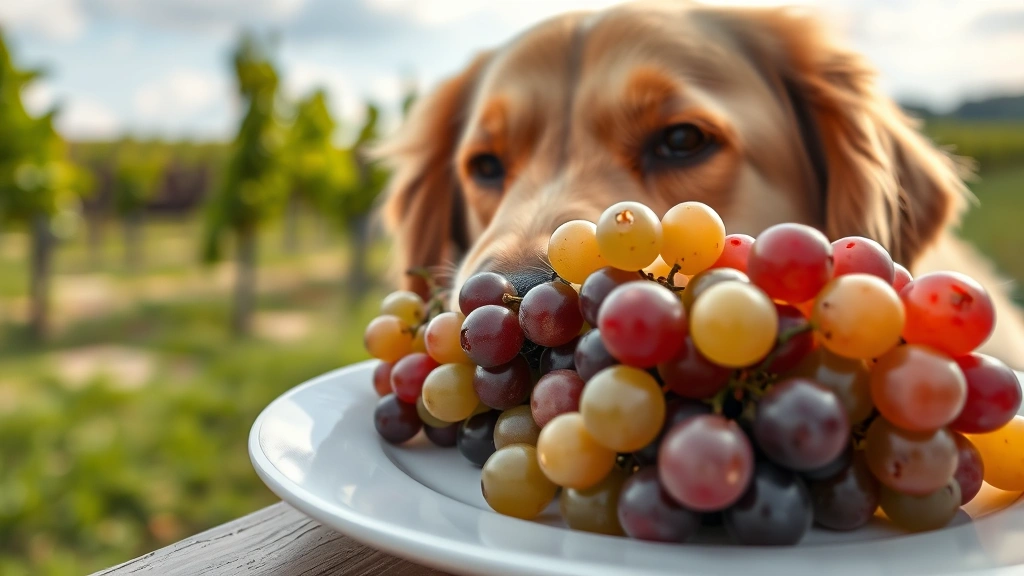
Grapes and raisins toxicity is one of those sneaky pet dangers that catches owners completely off guard—because honestly, how could something so innocent-looking be so dangerous? Your dog gives you those puppy dog eyes while you’re snacking on grapes, and you think, “What’s the harm?” Well, plenty. Let’s talk about why these seemingly harmless fruits are actually toxic to our furry friends and what you need to know to keep them safe.
Table of Contents
- Why Are Grapes and Raisins So Dangerous for Dogs?
- Symptoms of Grape and Raisin Poisoning in Canines
- Acute vs. Chronic Kidney Damage: Understanding the Timeline
- Which Dogs Are Most Vulnerable to Toxicity?
- What About Raisins, Currants, and Sultanas?
- Immediate Actions: What to Do If Your Dog Ate Grapes or Raisins
- Veterinary Treatment and Recovery Options
- Long-Term Management After Grape Ingestion
- Prevention: Creating a Grape-Free Home Environment
- Safe Fruit Alternatives Your Dog Will Love
- Understanding Individual Sensitivity and Idiopathic Reactions
- Frequently Asked Questions
- Summary: Protecting Your Pet from Grape and Raisin Toxicity
Why Are Grapes and Raisins So Dangerous for Dogs?
The mystery behind grape and raisin toxicity has puzzled veterinarians for years. Unlike many other toxic foods where we understand the exact chemical culprit, the specific compound in grapes that causes poisoning remains somewhat elusive. What we do know is that even small amounts can trigger serious kidney damage in dogs. It’s not about the quantity—a single grape or raisin could potentially cause problems, though larger amounts increase the risk significantly.
The toxicity affects dogs at a cellular level, damaging the kidneys’ ability to function properly. This is why veterinarians take any grape or raisin ingestion seriously, even if your pup seems fine immediately after eating them.
Symptoms of Grape and Raisin Poisoning in Canines
If your dog has snacked on grapes or raisins, watch for these warning signs within 24-72 hours. Early symptoms include vomiting, diarrhea, lethargy, and loss of appetite. Your dog might seem unusually tired or refuse their favorite treats. Some dogs become dehydrated and may drink more water than usual.
As kidney damage progresses, you might notice decreased urination or complete lack of urination—this is a critical red flag. Bad breath, excessive drooling, and abdominal pain can also indicate serious complications. Don’t wait around hoping these symptoms resolve on their own. Get to your vet immediately.
Acute vs. Chronic Kidney Damage: Understanding the Timeline
Grape and raisin toxicity can cause both acute (sudden) and chronic (long-term) kidney failure. Acute kidney injury might develop within 24-72 hours of ingestion, while some dogs experience delayed reactions. The scary part? Some dogs develop chronic kidney disease months or even years after exposure, making prevention absolutely critical.
This is why Pet First Aid Guidance recommends immediate veterinary care for any suspected ingestion. Your vet can run bloodwork and urinalysis to catch kidney damage early before it becomes irreversible.
Which Dogs Are Most Vulnerable to Toxicity?
While all dogs can be affected by grapes and raisins toxicity, certain breeds and individual dogs seem more susceptible. Smaller breeds and dogs with pre-existing kidney issues face higher risk. Age matters too—senior dogs and puppies are more vulnerable. Dogs with genetic predispositions to kidney disease should be kept especially far away from these fruits.
Interestingly, not all dogs react the same way. Some dogs might eat grapes without apparent immediate symptoms while others show signs quickly. This unpredictability is exactly why you shouldn’t play the “wait and see” game.
What About Raisins, Currants, and Sultanas?
Raisins are essentially dried grapes, so they’re equally toxic—actually, they’re more concentrated and potentially more dangerous. But here’s where it gets tricky: currants and sultanas are also grape products and carry the same risks. The drying process doesn’t eliminate the toxic compound; if anything, it concentrates it.
This means checking ingredient lists on baked goods, granola bars, trail mix, and cereals. Many human foods contain raisins or currants as hidden ingredients. That innocent-looking oatmeal cookie could be a danger zone for your pup.
Immediate Actions: What to Do If Your Dog Ate Grapes or Raisins
First, don’t panic—but do act fast. Contact your veterinarian or ASPCA Animal Poison Control Center (888-426-4435) immediately. Have the following information ready: your dog’s weight, the approximate number of grapes or raisins consumed, and when ingestion occurred.

Your vet might recommend induced vomiting if caught within 2-4 hours of ingestion. This is why timing matters—don’t wait to see if symptoms develop. Activated charcoal might be administered to absorb any remaining toxins. Head to At Home Pet Treatments for additional supportive care information after veterinary consultation.
Veterinary Treatment and Recovery Options
Treatment typically involves aggressive supportive care. Your vet will likely recommend hospitalization for IV fluids to flush the kidneys and maintain hydration. Bloodwork and urinalysis will be performed regularly to monitor kidney function and electrolyte levels. Some dogs require medications to manage nausea, protect the stomach lining, and support kidney function.
Recovery depends on how much was ingested and how quickly treatment began. Some dogs recover completely with no lasting damage, while others develop chronic kidney disease requiring lifelong management. This is why prevention is infinitely better than treatment.
Long-Term Management After Grape Ingestion
If your dog has survived grape or raisin toxicity, ongoing monitoring is essential. Regular veterinary check-ups with bloodwork every few months help catch any developing kidney issues early. Your vet might recommend Pet Liver Detox Supplements or kidney-supportive supplements to help maintain organ function.
Dietary adjustments might be necessary, including prescription kidney-friendly diets with controlled protein and phosphorus levels. Ensure your dog stays well-hydrated and maintain a consistent exercise routine. Some dogs thrive with supplemental support like Pet Multivitamins formulated for kidney health.
Prevention: Creating a Grape-Free Home Environment
The best treatment is prevention. Keep all grapes, raisins, currants, and sultanas completely out of reach. Store them in closed cabinets or the refrigerator where curious noses can’t access them. Train family members and guests not to share human food with your dog, no matter how much they beg.
Check all food labels carefully. Breakfast cereals, granola bars, trail mix, baked goods, and even some peanut butters contain raisins. Keep these items secured and educate everyone in your household about the dangers. Consider posting a reminder in your kitchen about toxic foods.
Safe Fruit Alternatives Your Dog Will Love
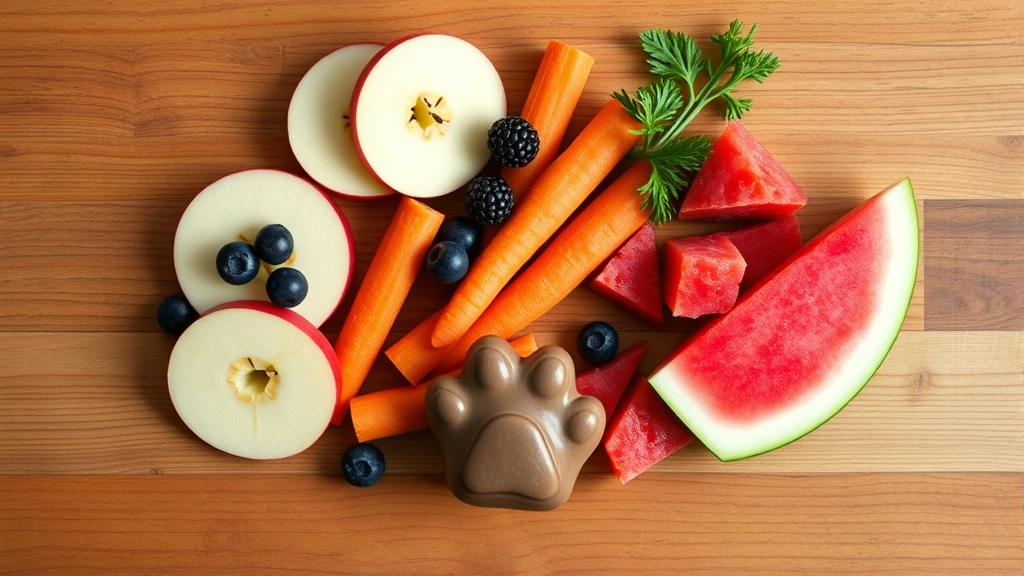
Your pup doesn’t need grapes when so many delicious alternatives exist. Apples (without seeds), bananas, blueberries, watermelon, and strawberries are all safe and nutritious. Carrots make excellent low-calorie treats that also help clean teeth. Pumpkin is fantastic for digestive health. These alternatives provide natural sweetness and nutrients without the deadly risks.
Always introduce new fruits gradually and in moderation. Fruits should make up no more than 10% of your dog’s daily caloric intake. When in doubt, check with your vet before offering any new food.
Understanding Individual Sensitivity and Idiopathic Reactions
One of the most frustrating aspects of grape and raisin toxicity is that sensitivity varies dramatically between individual dogs. Some dogs seem to tolerate small amounts without obvious symptoms, while others show severe reactions to minimal exposure. This isn’t about “safe amounts”—there’s no established safe threshold.
Veterinarians classify this as an idiopathic reaction, meaning the exact mechanism of toxicity isn’t completely understood. This uncertainty is precisely why the recommendation is absolute avoidance rather than moderation. Why risk your dog’s life on the chance they might be one of the less-sensitive dogs?
Frequently Asked Questions
Can a single grape kill a dog?
While one grape is unlikely to be immediately fatal, it could potentially cause kidney damage, especially in smaller dogs or those with pre-existing conditions. The risk isn’t worth taking—avoid grapes entirely.
How long does it take for grape toxicity symptoms to appear?
Symptoms typically appear within 24-72 hours of ingestion, but some dogs show signs immediately while others have delayed reactions. This unpredictability is why immediate veterinary care is crucial.
Are all grape varieties equally toxic?
Yes, all varieties including red, green, and seedless grapes are toxic. Raisins, currants, and sultanas are equally dangerous. The toxin isn’t eliminated by any processing method.
What’s the prognosis if my dog ate grapes?
Prognosis depends on the amount ingested, your dog’s size, and how quickly treatment was initiated. Some dogs recover completely with no lasting damage, while others develop chronic kidney disease. Early intervention significantly improves outcomes.
Should I induce vomiting at home?
Never induce vomiting without veterinary guidance. Your vet will determine if vomiting is appropriate based on timing and your dog’s health status. Incorrect home induction can cause additional harm.
Are grapes toxic to cats too?
Yes, grapes and raisins are toxic to cats as well, though cats are less likely to eat them. The same avoidance principle applies to all pets in your household.
Summary: Protecting Your Pet from Grape and Raisin Toxicity
Grapes and raisins toxicity represents a serious threat to our canine companions, yet it’s completely preventable through vigilance and awareness. The mysterious nature of the toxin and individual sensitivity variations mean there’s no safe amount—complete avoidance is the only reliable protection strategy.
Keep all grape products, including raisins, currants, and sultanas, secured away from your dog. Train family members and friends about this danger. Know the symptoms and act immediately if ingestion occurs. Provide safe fruit alternatives that satisfy your dog’s natural desire for treats without the deadly risks.
Your dog depends on you to keep them safe from hidden dangers in your home. By understanding grapes and raisins toxicity and implementing prevention strategies, you’re giving your furry friend the best chance at a long, healthy life. When in doubt about any food, contact your veterinarian—it’s always better to ask than to risk your pet’s life.





