

Look, I get it—your dog gives you those puppy eyes while you’re enjoying your morning yogurt, and suddenly you’re wondering if dairy products and pets can actually coexist peacefully. The short answer? It’s complicated, and honestly, way more nuanced than most pet blogs will tell you. Let’s dive into the real deal about what your furry friend can and can’t safely consume from the dairy aisle.
Table of Contents
- The Lactose Intolerance Reality Check
- Understanding Lactose-Free Dairy Options for Your Pet
- The Fat Content Problem Nobody Talks About
- Calcium and Phosphorus: The Mineral Balancing Act
- Specific Dairy Products: The Good, the Bad, and the Ugly
- Species-Specific Considerations: Dogs vs. Cats
- Introducing Dairy Safely: If You Must
- Better Alternatives to Dairy Treats
- When to Consult Your Veterinarian
- Frequently Asked Questions
- The Bottom Line on Dairy Products and Pets
The Lactose Intolerance Reality Check
Here’s the thing nobody likes to admit: most adult pets are lactose intolerant. Yeah, you read that right. While puppies and kittens produce lactase (the enzyme that breaks down lactose) when they’re nursing from mom, that production basically tanks once they’re weaned. It’s like their bodies say, “Cool, we’re done with that,” and peace out.
When your pet consumes dairy products containing lactose, their digestive system can’t process it properly. This leads to the delightful trifecta of gastrointestinal upset: bloating, diarrhea, and gas that could clear a room. Some pets handle small amounts better than others, but the reality is that most dogs and cats lack the enzymes needed for proper digestion. According to PetMD, lactose intolerance affects the majority of adult pets, making it one of the most common dietary issues veterinarians encounter.
Understanding Lactose-Free Dairy Options for Your Pet
Before you panic and throw out all your cheese, there’s good news. Lactose-free dairy products exist, and some can be incorporated into your pet’s diet responsibly. Lactose-free milk, cottage cheese, and certain yogurts are options that won’t trigger digestive disasters. The key is looking for products specifically labeled as lactose-free.
Here’s the catch though—just because something is lactose-free doesn’t mean it’s a health food for Fido. These products still contain fat, calories, and sometimes added sugars that aren’t ideal for pets. Think of them as occasional treats, not dietary staples. If you’re considering rotating protein sources in your pet’s diet, dairy should play a minimal role at best.
The Fat Content Problem Nobody Talks About
Even if your pet could digest lactose without issues, dairy products are absolutely loaded with fat. Full-fat milk, cream, cheese, and butter are caloric bombs that can quickly lead to weight gain. For pets already struggling with their waistline, dairy is basically the enemy.
Excess fat consumption in pets can trigger pancreatitis, a painful inflammation of the pancreas that requires veterinary intervention. It’s not something to mess around with. Additionally, high-fat diets contribute to obesity, which opens the door to diabetes, joint problems, and a shortened lifespan. If your pet needs to maintain a healthy weight, dairy products should be off-limits or reserved for the tiniest portions as rare treats. Check out our guide on weight management feeding for better alternatives.
Calcium and Phosphorus: The Mineral Balancing Act
One argument you’ll hear from well-meaning pet owners is that dairy provides calcium for strong bones. While that’s technically true, it misses the bigger picture. Pets require specific ratios of calcium and phosphorus for optimal health, and dairy products can throw that balance off.
When you’re feeding your pet, especially if you’re preparing homemade diet supplements for pets, mineral ratios matter enormously. Too much calcium without proper phosphorus balance, or vice versa, can lead to skeletal problems, particularly in growing puppies. It’s why veterinary nutritionists recommend getting professional guidance before adding dairy to homemade pet diets. The American Animal Hospital Association emphasizes the importance of proper nutrient balance in pet nutrition.
Specific Dairy Products: The Good, the Bad, and the Ugly
Not all dairy is created equal when it comes to pet safety. Plain, unsweetened yogurt with live and active cultures can actually be beneficial for some pets because of the probiotics. A small spoonful occasionally might help with digestive health, though feline specific probiotics are often a better choice for cats.
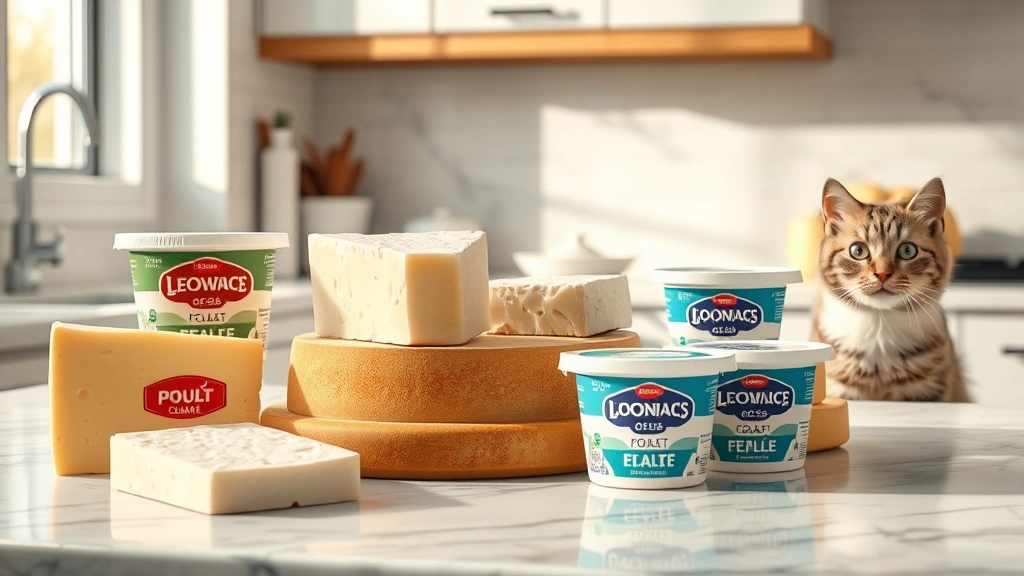
Hard cheeses like cheddar or parmesan contain less lactose than soft cheeses, making them slightly safer options. However, they’re still calorie-dense and should only be used as tiny training treats. Cottage cheese is another relatively safer option due to lower lactose content, but portion control is crucial.
Stay away from anything with added ingredients: flavored yogurts with sugar, ice cream (lactose plus sugar equals trouble), sweetened condensed milk, and anything containing xylitol. These are definite no-gos that can cause serious health problems ranging from obesity to toxicity.
Species-Specific Considerations: Dogs vs. Cats
While both dogs and cats are generally lactose intolerant, cats tend to be more sensitive. Cats are obligate carnivores with digestive systems optimized for meat, not milk. The old image of a cat lapping up a saucer of milk? That’s actually a myth that causes real problems. Most cats will experience digestive upset from dairy, even in small amounts.
Dogs, being more omnivorous, sometimes tolerate small amounts of dairy better than cats, but this varies wildly between individual animals. Age also matters—senior pets often have more sensitive digestion, making dairy an even worse choice. Always consider your specific pet’s age, health status, and individual tolerance levels.
Introducing Dairy Safely: If You Must
If you’re determined to give your pet dairy despite everything you’ve just read, here’s how to do it responsibly. Start with tiny amounts—we’re talking a teaspoon, not a tablespoon. Observe your pet for 24-48 hours for any signs of digestive upset: loose stools, vomiting, excessive gas, or abdominal discomfort.
Only introduce dairy when you can monitor your pet closely, not before you leave for work. Use this same cautious approach you’d take when following a pet food transition schedule—gradual and careful. If your pet shows any negative reaction, stop immediately and stick to non-dairy treats.
Better Alternatives to Dairy Treats
Instead of risking dairy-related digestive disasters, consider these pet-friendly alternatives that actually provide nutritional value. Plain, cooked chicken or turkey makes an excellent protein-rich treat. Carrots offer natural sweetness and help with dental health. Apples (without seeds), blueberries, and pumpkin puree are nutrient-dense options that won’t upset sensitive stomachs.
Bone broth made specifically for pets (without onions or garlic) provides hydration and minerals without the dairy concerns. For training treats, consider freeze-dried meat options that are pure protein with zero additives. These alternatives give you all the bonding benefits of treat-giving without the potential health risks.
When to Consult Your Veterinarian
If your pet has a history of digestive issues, pancreatitis, obesity, or allergies, dairy is definitely off the table—don’t even experiment. Similarly, if your pet is on a prescription diet for any health condition, adding dairy without veterinary approval could interfere with their treatment.

Before making any significant dietary changes, including adding dairy products, schedule a conversation with your vet. They know your pet’s medical history and can provide personalized guidance. What’s safe for your neighbor’s golden retriever might be problematic for yours.
Frequently Asked Questions
Can dogs eat cheese?
Small amounts of hard cheese like cheddar or parmesan might be okay for some dogs as an occasional treat, but it’s high in fat and calories. Soft cheeses, cream cheese, and anything with added ingredients should be avoided entirely. Always introduce any dairy slowly and watch for digestive upset.
Is milk actually bad for cats?
Yes, most adult cats are lactose intolerant and will experience digestive upset from milk. The myth of cats loving milk comes from the fact that kittens can digest it, but adult cats lose the ability to process lactose. Stick to fresh water instead.
What about yogurt with probiotics?
Plain, unsweetened yogurt with live cultures might offer some probiotic benefits for certain pets, but it’s not the best probiotic source. Pet-specific probiotic supplements are more reliable and won’t introduce unnecessary lactose or fat. Always choose unsweetened varieties if you do offer yogurt.
Can dairy cause pancreatitis in pets?
High-fat foods, including full-fat dairy products, can trigger pancreatitis in susceptible pets. This is a serious, painful condition that requires veterinary treatment. If your pet has a history of pancreatitis, dairy is absolutely off-limits.
Are there any dairy products completely safe for pets?
Lactose-free dairy products are safer than regular dairy, but they’re still high in fat and calories. The safest approach is to treat dairy as an occasional, tiny indulgence rather than a regular dietary component. Non-dairy alternatives are genuinely better for your pet’s health.
The Bottom Line on Dairy Products and Pets
Dairy products and pets don’t mix well for most animals. While the occasional tiny taste of plain, unsweetened yogurt or a small piece of hard cheese probably won’t cause catastrophic harm, dairy isn’t necessary for your pet’s diet and introduces unnecessary risks. Most pets are lactose intolerant, dairy is high in fat and calories, and there are plenty of better treat options available.
Your pet doesn’t need dairy to be happy and healthy. They need quality nutrition, regular exercise, veterinary care, and your love—none of which come from a cheese slice. When you’re planning your pet’s diet and feeding schedules for pets, skip the dairy aisle and focus on species-appropriate, nutrient-dense foods that actually support their wellbeing. Your vet will thank you, and your pet’s digestive system will too.





