

So you want to know about protein sources from human food for your furry friend? Great news—your kitchen is basically a pet nutrition goldmine, and your dog or cat doesn’t need to eat sad, boring kibble every single day. But before you start tossing table scraps like confetti, let’s talk about which human foods actually pack the nutritional punch your pet needs and which ones are basically the junk food equivalent for animals.
Table of Contents
- Why Protein Matters for Your Pet’s Health
- Chicken: The MVP of Pet Protein
- Beef and Lean Ground Meat Options
- Fish: Omega-3 Powerhouse for Pets
- Eggs: Nature’s Perfect Protein
- Organ Meats: The Nutritional Superstars Nobody Talks About
- Dairy Products: Proceed With Caution
- Legumes and Plant-Based Proteins: The Controversial Option
- Creating a Balanced Homemade Diet
- Safety Concerns With Human Food Proteins
- Mixing Commercial and Human Food Proteins
- Frequently Asked Questions
- The Bottom Line on Protein Sources From Human Food
Why Protein Matters for Your Pet’s Health
Protein isn’t just some trendy fitness buzzword—it’s literally the building block of your pet’s muscles, organs, skin, and immune system. Whether your pet is a couch potato or a hyperactive maniac, they need quality protein to thrive. The thing is, not all protein is created equal. When we talk about protein sources from human food, we’re looking for options that provide complete amino acid profiles, which means all nine essential amino acids your pet’s body can’t manufacture on its own.
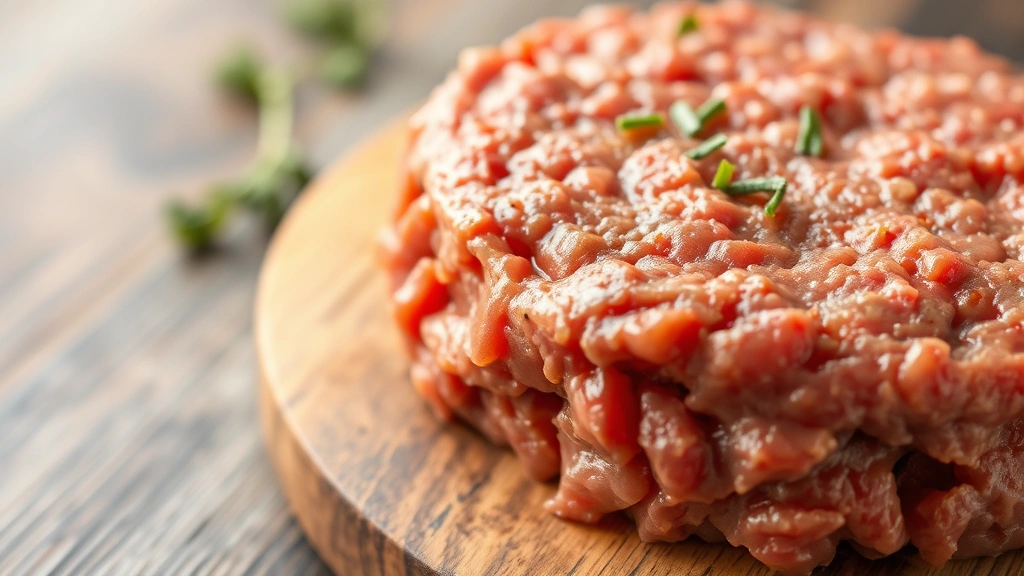
Your vet probably tells you this already, but protein requirements vary based on age, activity level, and health status. A growing puppy needs more protein than a senior dog lounging around the house. It’s kind of like how a bodybuilder needs more protein than an accountant, except your pet can’t hit the gym or complain about meal prep.

Chicken: The MVP of Pet Protein
Let’s start with the obvious champion: chicken. It’s lean, it’s affordable, and most pets lose their minds over it. Cooked chicken breast is basically the gold standard for human food protein options for pets. It’s packed with B vitamins, selenium, and protein that’s easily digestible. The best part? You can boil it, bake it, or grill it—just skip the seasoning, garlic, and onions (those are toxic to pets, seriously).

Ground chicken works great too, especially if you’re mixing it into their regular food or making homemade meals. Just remember to cook it thoroughly. Raw chicken is a whole different conversation involving food safety that we’re not diving into here. Stick with cooked chicken, and your pet will think you’re the best human ever.
Beef and Lean Ground Meat Options
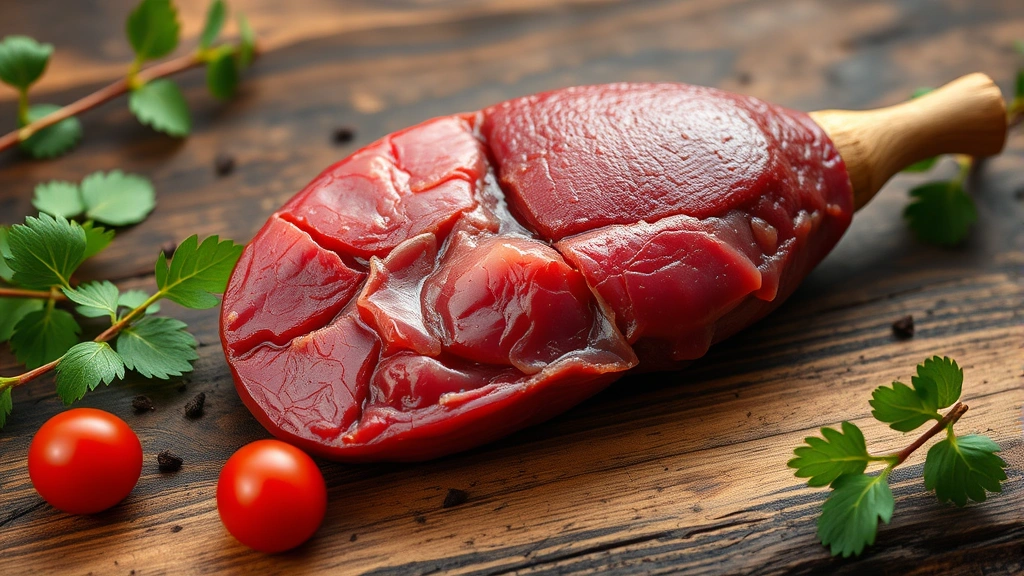
Beef is another powerhouse protein that dogs especially go bonkers for. Ground beef, lean cuts, and even beef organs (liver, kidney) are nutritional superstars. The key word here is “lean”—fatty cuts can cause digestive upset in some pets, and nobody wants to deal with that. Cook it plain, no seasoning, and you’ve got a protein source that’ll make your pet’s tail wag like a windmill.

Ground turkey is another excellent option that often gets overlooked. It’s leaner than ground beef, cheaper than chicken sometimes, and provides similar nutritional benefits. When you’re thinking about rotating protein sources for your pet, turkey should definitely be in the rotation. Check out our guide on rotating protein sources to keep meals interesting and nutritionally balanced.

Fish: Omega-3 Powerhouse for Pets
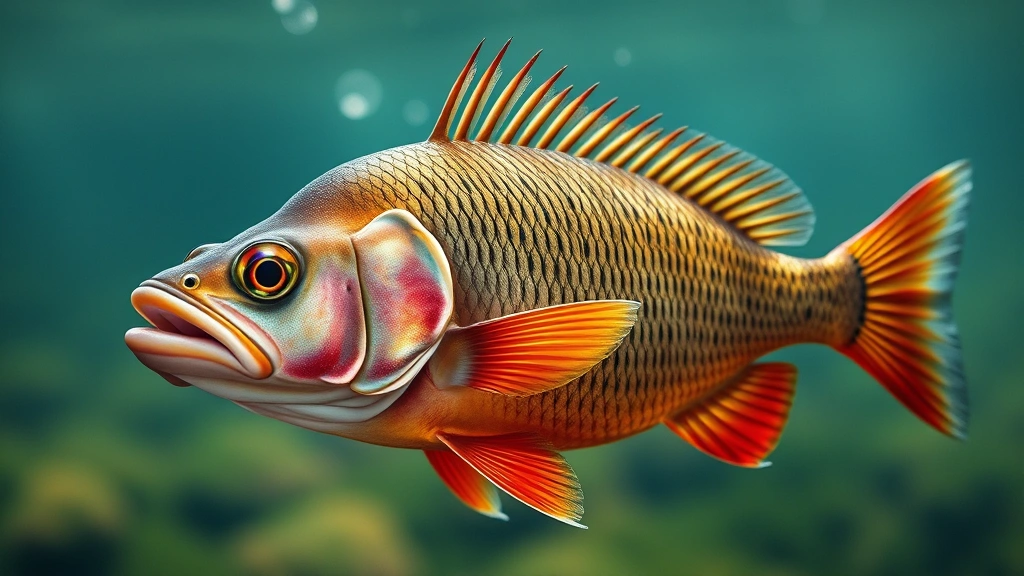
Fish is like the supplement aisle in a single food. Salmon, sardines, and other fatty fish are loaded with omega-3 fatty acids that support skin health, coat quality, and brain function. Your pet’s fur will literally shine brighter when you add fish to their diet. The omega-3s also help reduce inflammation, which is especially beneficial for older pets or those with joint issues.

Cook fish thoroughly and remove all bones—cooked bones can splinter and cause serious damage. Canned fish in water (not oil or salt) works great too and is super convenient. Some pets find fish a bit stinky, but that’s kind of the point, right? If your pet thinks it smells weird, they’re probably going to love it. Just don’t overdo it; fish should be an occasional treat or supplement, not the main protein source every day.

Eggs: Nature’s Perfect Protein
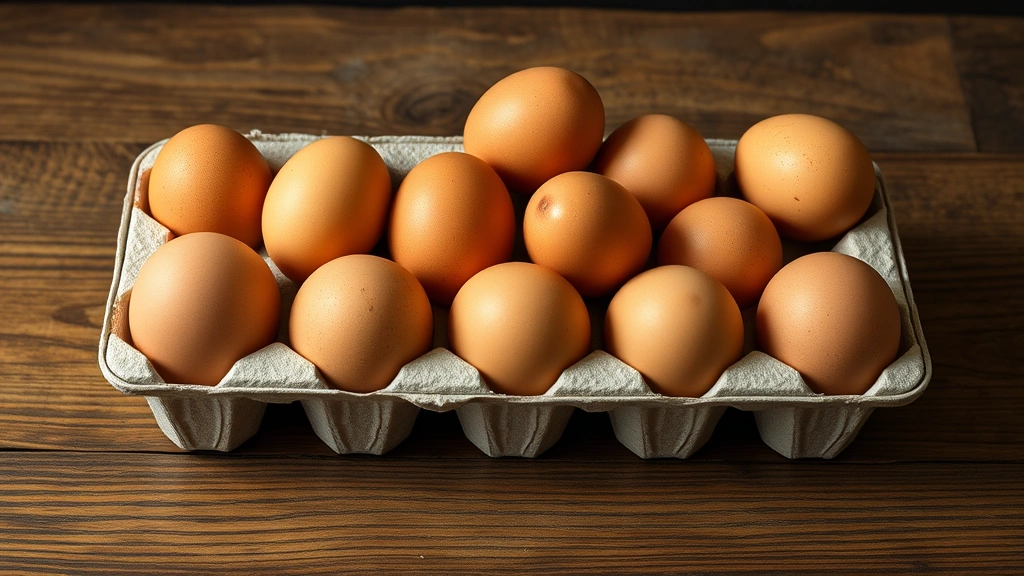
Eggs are basically nature’s multivitamin wrapped in a shell. They contain all nine essential amino acids, plus choline for brain health and lutein for eye health. Scrambled, boiled, or raw (yes, raw is actually fine for pets, despite what some people say)—eggs are incredibly versatile. Most pets can handle one egg a few times a week without issues.
The yolk is where most of the nutritional magic happens, so don’t skip it. Some people worry about cholesterol, but that’s human thinking. Your pet’s body processes cholesterol differently than ours does, and they won’t develop heart disease from eating eggs. Feed them the whole egg and let them enjoy the nutrient density.

Organ Meats: The Nutritional Superstars Nobody Talks About
Liver, kidney, heart, and other organ meats are nutritional powerhouses that most pet owners completely ignore. Liver especially is like a multivitamin in meat form—it’s packed with iron, B vitamins, and vitamin A. The only catch? It’s rich, so a little goes a long way. A small portion mixed into their regular food is perfect.

Organ meats are also incredibly affordable, which is great if you’re trying to supplement your pet’s diet without breaking the bank. Cook them plain, cut them into appropriate sizes, and your pet gets nutrition that commercial pet food manufacturers charge premium prices for. It’s honestly kind of ridiculous that more people don’t use them.

Dairy Products: Proceed With Caution
Here’s where things get tricky. Technically, dairy products like plain yogurt and cottage cheese contain protein, and many pets can tolerate them just fine. But here’s the reality: many adult pets are lactose intolerant. Their bodies stop producing lactase (the enzyme that breaks down lactose) after puppyhood, which is completely normal.

If your pet handles dairy well, plain yogurt and cottage cheese can be great protein supplements. Just avoid anything with added sugar, artificial sweeteners (especially xylitol, which is toxic), or flavoring. Plain is the only way to go. Start with small amounts to see how your pet’s digestive system handles it before making it a regular thing.
Legumes and Plant-Based Proteins: The Controversial Option
Okay, so technically legumes like lentils, chickpeas, and peas contain protein, but here’s the thing: they’re not complete proteins for carnivores. Dogs and cats are facultative and obligate carnivores respectively, meaning they’re built to digest and utilize animal protein more efficiently than plant protein. Plant-based proteins can supplement a diet, but they shouldn’t be the main event.
That said, a little bit of cooked lentils or peas mixed into meat-based meals is fine and adds fiber. Just don’t try to turn your carnivore into a vegetarian. It won’t work nutritionally, and your pet will probably be miserable about it anyway. Stick with animal-based protein sources from human food as your primary focus.

Creating a Balanced Homemade Diet
If you’re thinking about making homemade meals for your pet, you need to understand that just throwing meat in a bowl isn’t enough. A balanced homemade diet requires protein, yes, but also appropriate carbohydrates, fats, vitamins, and minerals. This is where things get complicated, and honestly, it’s worth consulting with a veterinary nutritionist.

Check out our homemade pet food schedule for guidance on structuring meals properly. A typical balanced meal might be 40-50% protein source, 30-40% vegetables or carbs, and the rest fats and supplements. But every pet is different, and what works for your neighbor’s dog might not work for yours. When in doubt, get professional guidance.

Safety Concerns With Human Food Proteins
Not every human food protein is safe for pets. Onions and garlic (even in small amounts) can damage red blood cells. Avocado contains persin, which can cause digestive upset. Macadamia nuts are toxic to dogs. Chocolate is obviously out. The list goes on, and it’s worth doing your research before introducing any new food.
Also, watch out for seasoning. Salt, spices, and especially xylitol (found in some “sugar-free” products) can be dangerous or at least cause digestive issues. Cook all meat plain, and you’ll be fine. Your pet doesn’t need seasoning to enjoy food—they’re not judging your culinary skills.
Mixing Commercial and Human Food Proteins
You don’t have to choose between commercial pet food and human food proteins. A mixed diet feeding approach works great for many pet owners. Maybe 80% of their diet is quality commercial food, and 20% is supplemented with human food proteins. This gives you flexibility, ensures nutritional completeness (since commercial food is formulated to be complete), and keeps meals interesting.
The key is consistency and moderation. Don’t randomly throw different things at your pet every day. Establish a routine, and if you’re supplementing with human food, reduce the commercial food portion accordingly to avoid overfeeding. Your vet can help you figure out appropriate portion sizes based on your pet’s weight and activity level.
Frequently Asked Questions
Can I feed my pet raw meat as a protein source?
Raw meat is a controversial topic in the pet nutrition world. Some people swear by raw diets, while vets often warn about bacterial contamination (for both pet and human safety). If you’re interested in raw feeding, research thoroughly and consult your vet. It’s not inherently wrong, but it requires careful handling and knowledge about nutritional balance.
How much human food protein should my pet eat daily?
It depends on your pet’s weight, age, and activity level. Generally, adult dogs need about 1 gram of protein per pound of body weight per day, but this varies. If you’re supplementing with human food, reduce their commercial food portion accordingly. Your vet or a veterinary nutritionist can give you specific recommendations for your pet.
Is chicken the best protein source from human food for pets?
Chicken is excellent and affordable, but it’s not the only option. Beef, turkey, fish, eggs, and organ meats all provide complete proteins. Variety is actually beneficial because different proteins offer different micronutrients. Rotate between sources to keep nutrition balanced and meals interesting.
Can cats eat the same human food proteins as dogs?
Mostly yes, but cats are obligate carnivores with different nutritional requirements. They need taurine (an amino acid) that’s abundant in animal protein, and they require vitamin A in a form that only animal products provide. Cats also need arachidonic acid, which is only found in animal fats. So yes to meat, but cats are pickier about plant-based options.
What if my pet has a sensitive stomach?
Introduce new proteins slowly, mixing small amounts into their regular food over 7-10 days. Some pets do better with certain proteins than others. If your pet has chronic digestive issues, check out our sensitive stomach feeding schedule for guidance. Your vet might recommend limited ingredient diets or specific protein sources.
Are there breed-specific protein needs?
Different breeds have different activity levels and metabolic rates, which affects protein requirements. Large breed puppies, for example, need careful protein balance to support proper growth without joint problems. Check out our breed specific feeding needs guide for more detailed information about your pet’s particular requirements.
The Bottom Line on Protein Sources From Human Food
Your kitchen is absolutely full of excellent protein sources from human food for your pet. Chicken, beef, turkey, fish, eggs, and organ meats are all nutritional powerhouses that can supplement or comprise your pet’s diet. The key is choosing quality sources, cooking them properly (usually plain), and maintaining nutritional balance with appropriate vegetables, fats, and supplements.
Don’t stress about making everything perfect. Even adding small amounts of human food protein to commercial pet food improves nutritional variety and makes your pet genuinely happy. Just avoid toxic foods, skip the seasoning, and watch portion sizes to prevent overfeeding. Your pet’s health will thank you, and honestly, they’ll think you’re the best human in the world for mixing things up.
When in doubt, talk to your vet or a veterinary nutritionist. They can help you create a feeding plan that works for your specific pet’s needs, health status, and lifestyle. Because at the end of the day, the best diet is one that keeps your pet healthy, happy, and thriving for years to come.





