

Have you ever watched your dog twitching, whimpering, or moving their legs while sleeping and wondered what’s going on in their mind? The question “do dogs have nightmares” has fascinated pet owners and scientists alike for decades. Just like humans, our canine companions experience various sleep stages, and research suggests they do indeed dream – and sometimes have nightmares.
Understanding your dog’s sleep patterns and dream behavior can help you become a better pet parent and recognize when your furry friend might need comfort or medical attention. While we can’t ask dogs directly about their dreams, scientific studies have revealed fascinating insights into canine sleep cycles and the neurological processes that occur during rest.
The Science Behind Canine Sleep
To understand whether dogs have nightmares, we first need to explore how dogs sleep. Like humans, dogs experience different sleep stages, including light sleep, deep sleep, and REM (Rapid Eye Movement) sleep. Research conducted at MIT and other institutions has shown that dogs have similar brain wave patterns to humans during sleep, suggesting comparable neurological processes.
Dogs typically sleep 12-14 hours per day, with puppies and senior dogs requiring even more rest. This extensive sleep time allows for proper brain development, memory consolidation, and physical recovery. The National Institutes of Health has documented how sleep helps clear toxins from the brain in mammals, a process that’s crucial for cognitive health.
During REM sleep, which occurs approximately every 20 minutes in dogs, brain activity increases dramatically. This is when most vivid dreams occur in humans, and researchers believe the same holds true for dogs. Understanding why do dogs sleep so much helps us appreciate the importance of uninterrupted rest for our pets.
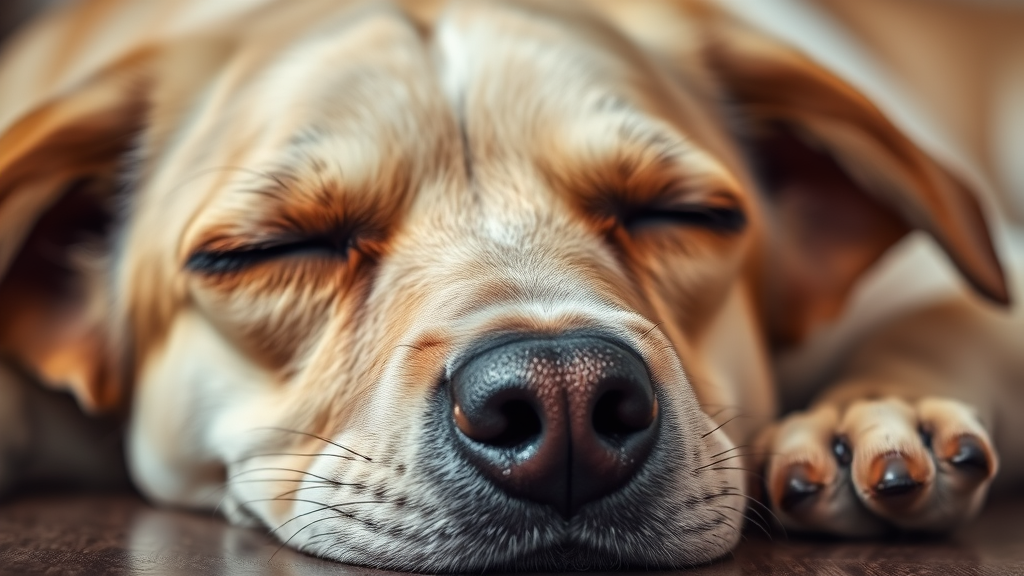
Do Dogs Actually Dream?
Scientific evidence strongly suggests that dogs do dream. In the 1960s, researchers at Harvard Medical School conducted groundbreaking studies by temporarily disabling the brain mechanism that prevents movement during REM sleep in laboratory animals. When this occurred, sleeping dogs would get up and act out their dreams, appearing to chase, play, or even eat imaginary objects.
The American Kennel Club reports that dogs likely dream about familiar activities like playing, eating, or interacting with their owners. Dr. Stanley Coren, a prominent animal behaviorist, suggests that dogs probably dream about their daily experiences, much like humans do.
Brain imaging studies have revealed that the hippocampus, the brain region associated with memory and learning, shows similar activity patterns in sleeping dogs and humans. This neurological evidence supports the theory that dogs process their experiences through dreams, potentially including both pleasant dreams and nightmares.
Smaller dogs tend to dream more frequently than larger breeds, with some small dogs dreaming every ten minutes compared to larger dogs who may dream every 45-90 minutes. This difference is likely related to brain size and metabolism rates across different breeds.
Signs Your Dog May Be Having a Nightmare
Recognizing the signs of canine nightmares can help you better understand your pet’s sleep behavior. Common indicators include whimpering, crying, or making distressed vocalizations during sleep. Some dogs may also exhibit physical movements like paddling their legs, as if running, or twitching their face and ears.
Unlike pleasant dreams where dogs might make soft barking sounds or gentle movements, nightmares often involve more intense reactions. You might notice your dog breathing heavily, and some pet owners wonder do dogs cry when experiencing distressing dreams. While dogs don’t produce emotional tears like humans, they may whine or make crying sounds during sleep.
Other signs of potential nightmares include sudden awakening with apparent disorientation, panting excessively upon waking, or seeking comfort from their owner immediately after waking. Some dogs may also exhibit trembling or shaking, which raises questions about why is my dog shaking during or after sleep.
It’s important to note that not all sleep movements indicate nightmares. Dogs naturally move during REM sleep, and gentle twitching or soft sounds are typically normal sleep behaviors rather than signs of distress.
Distinguishing Dreams from Medical Issues
While most sleep movements in dogs are normal dream activity, it’s crucial to distinguish between dreaming and potential medical issues like seizures. According to the American Veterinary Medical Association, seizures during sleep can occur and require immediate veterinary attention.
Dreams typically occur during REM sleep and involve coordinated movements that resemble real activities. Dogs having nightmares can usually be awakened relatively easily, though it’s generally recommended to avoid startling them. Seizures, on the other hand, involve more violent, uncontrolled movements and may include loss of consciousness.

Key differences include the dog’s responsiveness when gently called by name, the nature of the movements (coordinated vs. jerky), and the duration of the episode. Seizures often last longer and may be followed by confusion or disorientation that persists well after the episode ends.
If you’re concerned about your dog’s sleep behavior, monitoring factors like breathing patterns can be helpful. Understanding why do dogs pant can help you determine if post-sleep panting is normal cooling behavior or potentially concerning.
How to Help Your Dog During Nightmares
When you suspect your dog is having a nightmare, the best approach is usually to let them sleep through it naturally. Waking a dreaming dog suddenly can cause confusion and potentially lead to accidental biting due to disorientation. The Humane Society recommends observing from a distance and only intervening if the behavior seems extreme or prolonged.
If you must wake your dog, do so gently by calling their name from a distance rather than touching them directly. Once they’re awake, offer comfort through soft speaking and gentle petting to help them reorient to their surroundings.
Creating a comfortable sleep environment can help reduce the likelihood of nightmares. Ensure your dog has a cozy, secure sleeping area away from loud noises or disruptions. Some dogs benefit from sleeping near their owners, as the presence of familiar scents and sounds can provide comfort.
Regular exercise and mental stimulation during waking hours can also promote better sleep quality. A tired dog who has had adequate physical and mental exercise is more likely to experience restful sleep with fewer disturbances.
Factors That Influence Dog Dreams
Several factors can influence the frequency and intensity of dog dreams and nightmares. Age plays a significant role, with puppies and senior dogs often experiencing more active dream periods. Puppies’ developing brains process new experiences through dreams, while older dogs may have more fragmented sleep patterns.
Stress and anxiety can contribute to nightmare frequency in dogs. Major life changes, such as moving to a new home, the addition of new family members, or traumatic experiences, may increase the likelihood of distressing dreams. Dogs with anxiety disorders may be more prone to nightmares, similar to humans with anxiety conditions.
Diet and feeding schedules can also impact sleep quality. Late evening meals or certain foods may affect sleep patterns and dream activity. The FDA’s guidance on dog nutrition emphasizes the importance of proper feeding schedules for overall health, including sleep quality.
Environmental factors like temperature, noise levels, and sleeping surface comfort all play roles in sleep quality. Dogs sleeping in uncomfortable conditions may experience more restless sleep and potentially more frequent nightmares.
When to Consult a Veterinarian
While occasional nightmares are normal for dogs, certain signs warrant veterinary consultation. If your dog’s sleep disturbances become frequent, intense, or are accompanied by other symptoms, it’s time to seek professional advice. Excessive panting during or after sleep episodes might indicate underlying health issues, especially if you notice why is my dog panting so much during normal activities as well.
Warning signs that require veterinary attention include sleep disturbances that occur multiple times per night, episodes lasting more than a few minutes, signs of pain or distress upon waking, or changes in daytime behavior following sleep episodes. Additionally, if your dog seems confused or disoriented for extended periods after waking, this could indicate a medical issue rather than normal dreaming.
Some neurological conditions can manifest during sleep, and certain behavioral changes might indicate underlying health problems. For dogs showing unusual behaviors alongside sleep disturbances, it’s worth exploring whether conditions like autism spectrum-related behaviors exist, as some owners wonder can dogs have autism.
Fever can also affect sleep patterns and dream activity. Learning how to tell if a dog has a fever can help determine if illness is contributing to sleep disturbances.
Your veterinarian may recommend sleep studies, neurological evaluations, or other diagnostic tests to rule out underlying conditions. Early intervention can help address any medical issues and improve your dog’s sleep quality and overall well-being.
Frequently Asked Questions
Do all dogs have nightmares?
Not all dogs experience nightmares, but most dogs do dream during REM sleep. The frequency and intensity of dreams, including nightmares, can vary based on factors like age, stress levels, health status, and individual personality. Puppies and senior dogs tend to have more active dream periods, while some adult dogs may rarely show obvious signs of dreaming.
How can I tell if my dog is having a nightmare versus a pleasant dream?
Pleasant dreams typically involve gentle movements, soft sounds, or quiet tail wagging, while nightmares often include distressed vocalizations like whimpering, crying, or fearful barking. Nightmare behaviors may also include more intense physical movements, heavy breathing, or signs of distress. The dog’s body language and sounds usually indicate whether the dream experience is positive or negative.
Should I wake my dog up during a nightmare?
It’s generally best to let your dog sleep through the nightmare naturally, as waking them suddenly can cause confusion and disorientation. If you must intervene due to extreme or prolonged distress, wake them gently by calling their name from a distance rather than touching them directly. This reduces the risk of startling them and potential defensive reactions.
Can medications cause nightmares in dogs?
Yes, certain medications can affect sleep patterns and potentially increase nightmare frequency in dogs. Pain medications, steroids, and some behavioral medications may influence sleep quality and dream activity. If you notice changes in your dog’s sleep behavior after starting new medications, consult your veterinarian about possible side effects and alternatives.
Do rescue dogs have more nightmares than other dogs?
Dogs with traumatic backgrounds, including many rescue dogs, may be more prone to nightmares due to past experiences. However, this isn’t universal, and many rescue dogs sleep peacefully once they feel secure in their new homes. Providing a stable, loving environment and addressing any anxiety issues can help reduce nightmare frequency over time.
How long do dog nightmares typically last?
Most dog nightmares last only a few seconds to a couple of minutes, similar to human dreams. If sleep disturbances persist for longer periods or occur multiple times per night, this may indicate a medical issue rather than normal dreaming and should be evaluated by a veterinarian.
Can I prevent my dog from having nightmares?
While you can’t completely prevent nightmares, you can reduce their likelihood by providing adequate exercise, maintaining consistent routines, creating a comfortable sleep environment, and managing stress and anxiety. Ensuring your dog feels secure and addressing any underlying health issues can also promote better sleep quality and potentially reduce nightmare frequency.





