
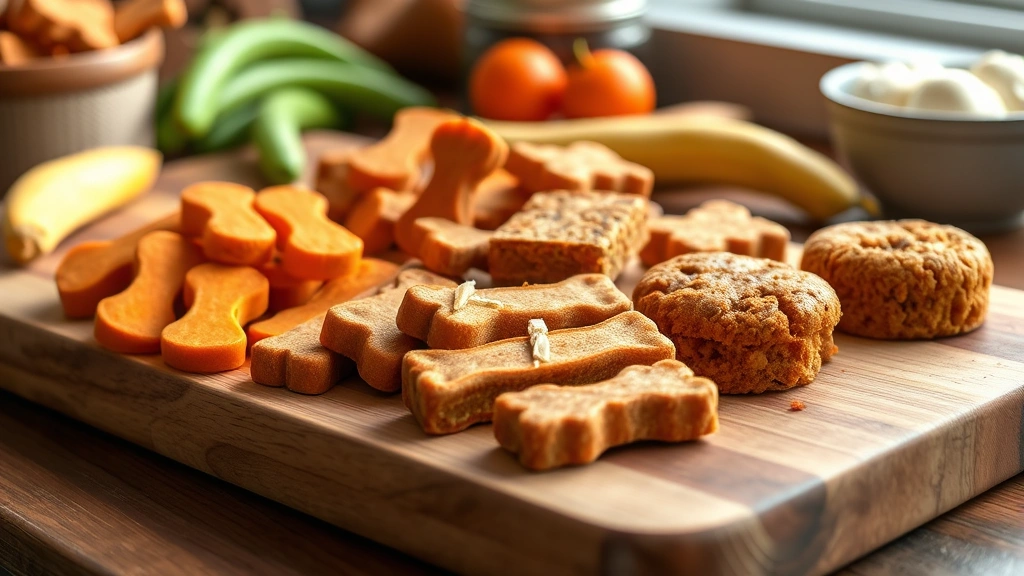
If your furry friend has a sensitive stomach or food allergies, finding the right treats can feel like navigating a minefield blindfolded. That’s where limited ingredient treat recipes come in to save the day—and your pet’s digestive system. These simple, straightforward recipes use minimal ingredients to create delicious snacks that won’t trigger allergic reactions or upset tummies.
Table of Contents
- Why Limited Ingredient Treats Matter for Sensitive Pets
- Understanding Your Pet’s Dietary Restrictions
- Recipe #1: Sweet Potato and Turkey Bites
- Recipe #2: Pumpkin and Pea Pupcakes
- Recipe #3: Salmon and Sweet Potato Chews
- Recipe #4: Beef Broth Ice Cubes
- Recipe #5: Duck and Carrot Cookies
- Recipe #6: Venison and Apple Bites
- Recipe #7: Lamb and Pea Patties
- Recipe #8: Banana and Oat Biscuits
- Recipe #9: Green Bean and Fish Snaps
- Recipe #10: Turkey and Pear Delights
- Storage and Safety Tips for Homemade Treats
- Incorporating Treats into Your Pet’s Feeding Routine
- When to Consult Your Veterinarian
- Frequently Asked Questions
- Summary: Making Treat Time Safer and Simpler
Why Limited Ingredient Treats Matter for Sensitive Pets
Your pet’s body is basically a finely-tuned machine, and when you introduce too many ingredients, things can go sideways fast. Limited ingredient treats work because they eliminate the mystery components that often lurk in commercial pet foods. When your dog or cat has food allergies and feeding routines that need careful management, homemade options give you complete control.
The beauty of these recipes is simplicity itself. Instead of deciphering ingredient lists that read like a chemistry textbook, you’re working with maybe three to five ingredients you recognize. This approach aligns with what veterinary nutritionists recommend for pets with sensitivities.
Understanding Your Pet’s Dietary Restrictions
Before you start whipping up batches of homemade goodness, you need to know what your pet can actually eat. Common culprits for food sensitivities include chicken, beef, wheat, corn, and soy. Your vet can help identify specific triggers through elimination diets or allergy testing.
Once you know what’s safe, you can confidently create treats your pet will love. Some pets do great with novel proteins like duck or venison, while others thrive on simple vegetable-based snacks. The key is knowing your individual pet’s needs.
Recipe #1: Sweet Potato and Turkey Bites
This recipe is a game-changer for dogs with chicken allergies. Sweet potatoes are packed with fiber and vitamins, while turkey provides lean protein that most sensitive pups tolerate beautifully.
Ingredients: 1 cup cooked sweet potato (mashed), ½ pound ground turkey, 2 tablespoons coconut oil
Instructions: Mix all ingredients together, form into small balls, and bake at 350°F for 15 minutes. Let cool completely before serving. Store in the fridge for up to five days or freeze for longer storage.
Recipe #2: Pumpkin and Pea Pupcakes
Pumpkin is basically nature’s digestive miracle worker. These little cakes are perfect for pets with upset stomachs and provide a satisfying treat without any problematic ingredients.
Ingredients: 1 cup pumpkin puree, ½ cup mashed green peas, 1 egg
Instructions: Combine ingredients in a bowl, divide into a muffin tin, and bake at 325°F for 20 minutes. These freeze beautifully and can be thawed as needed.
Recipe #3: Salmon and Sweet Potato Chews
Omega-3 fatty acids from salmon support skin health and reduce inflammation—perfect for itchy, sensitive pets. When creating homemade diet supplements for pets, salmon is a nutritional powerhouse.
Ingredients: 1 can wild-caught salmon (drained), 1 medium sweet potato (grated), 1 tablespoon olive oil
Instructions: Mix ingredients, spread thinly on parchment paper, and bake at 300°F for 25-30 minutes until crispy. Break into treat-sized pieces.
Recipe #4: Beef Broth Ice Cubes
These frozen treats are refreshing, hydrating, and incredibly simple. Use bone broth from a reputable source or make your own by simmering beef bones for 24 hours.
Ingredients: 2 cups beef broth (low-sodium, no onion or garlic)
Instructions: Pour into ice cube trays and freeze. Pop one out whenever your pet needs a cooling treat. Perfect for hot days or to help with sensitive stomach issues.
Recipe #5: Duck and Carrot Cookies
Duck is a novel protein that many sensitive pets handle remarkably well. Combined with carrots, which are naturally low in calories and high in nutrients, you’ve got a winner.
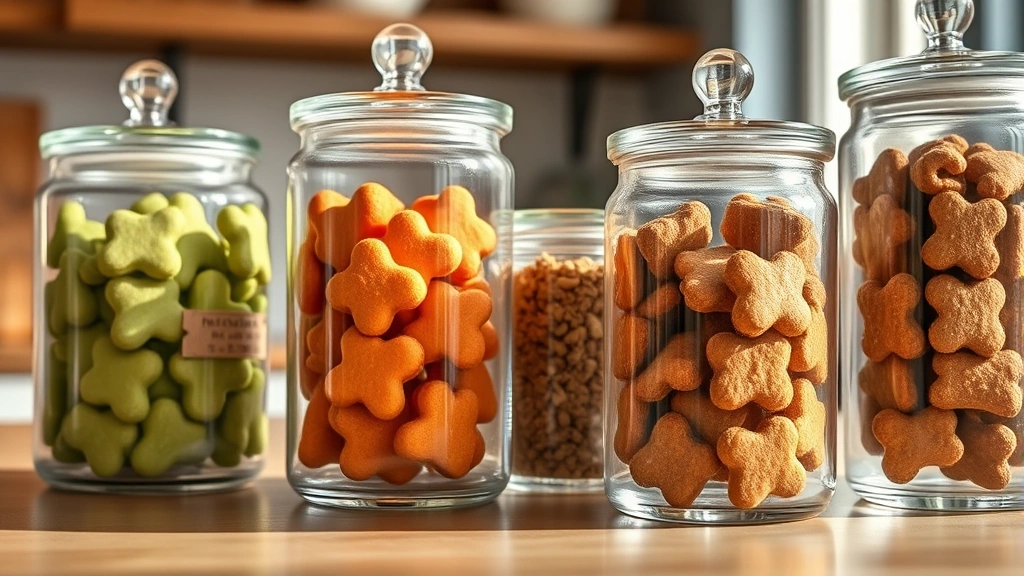
Ingredients: ½ pound ground duck, 1 cup grated carrots, 1 egg white
Instructions: Mix thoroughly, drop spoonfuls onto a baking sheet, and bake at 350°F for 12 minutes. These are crunchy enough to support dental health without being too hard.
Recipe #6: Venison and Apple Bites
Venison is lean, flavorful, and rarely causes allergic reactions. Apples add natural sweetness and fiber, making these treats both nutritious and delicious.
Ingredients: ¾ pound ground venison, ½ cup unsweetened applesauce, 1 tablespoon coconut flour
Instructions: Combine ingredients, form into small balls, and bake at 325°F for 18 minutes. Remove seeds from any fresh apples before adding them.
Recipe #7: Lamb and Pea Patties
Lamb is another excellent novel protein for dogs with beef or poultry sensitivities. These patties are substantial enough to feel like a real treat without being overwhelming.
Ingredients: 1 pound ground lamb, 1 cup cooked peas (mashed), 2 tablespoons lamb broth
Instructions: Mix ingredients, form into patties, and bake at 350°F for 20 minutes. Cool completely and store in the refrigerator.
Recipe #8: Banana and Oat Biscuits
For pets without grain sensitivities, oats are a gentle whole grain option. Bananas provide natural sweetness and potassium, creating treats that taste indulgent but are actually quite wholesome.
Ingredients: 1 cup rolled oats, 1 ripe banana (mashed), 1 tablespoon almond butter (xylitol-free)
Instructions: Mix well, press onto a baking sheet, cut into squares, and bake at 300°F for 25 minutes. Store in an airtight container for up to one week.
Recipe #9: Green Bean and Fish Snaps
Fish provides excellent protein and omega-3s without the common allergens found in poultry. Green beans are low-calorie vegetables that add bulk without adding unnecessary calories.
Ingredients: 1 can wild-caught fish (drained and flaked), 1 cup finely chopped green beans, 1 egg
Instructions: Combine ingredients, spread thin on a baking sheet lined with parchment paper, and bake at 325°F for 20 minutes. Break into bite-sized pieces once cooled.
Recipe #10: Turkey and Pear Delights
Pears are naturally sweet and provide excellent digestive benefits. Combined with turkey, these treats offer a unique flavor profile that most pets find irresistible while maintaining digestive health.
Ingredients: ½ pound ground turkey, 1 cup peeled and finely chopped pear, 1 tablespoon coconut oil
Instructions: Mix ingredients, form into small balls, and bake at 350°F for 15 minutes. Remove pear seeds before chopping, as they contain compounds that can be harmful in large quantities.

Storage and Safety Tips for Homemade Treats
Homemade treats don’t have preservatives, so proper storage is crucial. Most of these recipes will keep in the refrigerator for 3-5 days or in the freezer for up to three months. Always cool treats completely before storing, and use airtight containers to prevent freezer burn.
When introducing any new treat, start slowly. Give your pet a small piece and wait 24 hours to monitor for any adverse reactions. This is especially important when you’re experimenting with different proteins or ingredients. Remember that treats should make up no more than 10% of your pet’s daily caloric intake—the rest should come from their regular diet.
According to the American Kennel Club, proper nutrition is fundamental to pet health, and understanding ingredient quality matters. When measuring portions, proper measuring of pet food ensures you’re not overfeeding.
Incorporating Treats into Your Pet’s Feeding Routine
Limited ingredient treats work best when integrated thoughtfully into your pet’s overall diet. Consider using them during training sessions, as rewards for good behavior, or as part of your pet meal frequency schedule. Some owners freeze treats and use them with lick mats and feeding schedules to create enrichment activities that keep pets mentally stimulated.
The timing of treats matters too. Some pets do better with treats at specific times of day, while others can handle them anytime. Pay attention to your pet’s individual patterns and adjust accordingly.
When to Consult Your Veterinarian
While homemade treats are fantastic, they’re not a substitute for professional veterinary guidance. If your pet has diagnosed food allergies, consult your vet before introducing new recipes. Some pets require prescription diets or specific nutritional profiles that homemade treats alone can’t provide.
Your veterinarian can also help you understand whether your pet’s sensitivities are true allergies, intolerances, or digestive issues. This distinction matters because the treatment approach differs significantly. According to PetMD’s allergy resources, proper diagnosis is essential for long-term management.
Frequently Asked Questions
Can I use these recipes for cats as well as dogs?
Most of these recipes work for both species, but cats are obligate carnivores and need higher protein content. Focus on the meat-based recipes like salmon, turkey, and venison. Always ensure treats are appropriate for your cat’s specific dietary needs and consult your vet.
How long do homemade treats last in the freezer?
Properly stored homemade treats can last up to three months in the freezer. Use airtight containers or freezer bags, and label them with the date. Thaw at room temperature before serving, or offer frozen treats directly on hot days.
What if my pet has allergies to multiple ingredients?
Start with single-protein recipes using novel proteins like venison or duck, combined with one simple vegetable or carbohydrate. Work with your vet to identify safe ingredients through elimination diets, then build your treat repertoire from there.
Are these treats suitable for weight management?
Yes, many of these recipes are lower in calories than commercial treats. The vegetable-based options like green bean and pumpkin recipes are particularly good for pets watching their waistline. Always account for treat calories in your pet’s daily intake.
Can I add supplements to these recipes?
Absolutely. Many pet owners add omega-3 supplements, probiotics, or joint support supplements to their homemade treats. Just ensure any additions are pet-safe and discuss dosages with your veterinarian to avoid overdosing.
Summary: Making Treat Time Safer and Simpler
Limited ingredient treat recipes put you in control of exactly what your sensitive pet consumes. By using simple, whole-food ingredients and avoiding common allergens, you can create treats that nourish rather than trigger. Whether you choose sweet potato bites, salmon chews, or venison patties, your pet gets the benefit of knowing precisely what goes into each snack.
The recipes provided here represent just the beginning of possibilities. Once you understand the basic formula—protein plus vegetable or fruit, plus a binder—you can experiment with other safe ingredients your pet loves. Start slowly with any new recipe, monitor your pet’s response, and adjust as needed.
Your sensitive pet deserves treats that taste amazing without causing digestive distress or allergic reactions. Homemade limited ingredient treats deliver exactly that, plus the satisfaction of knowing you’re providing the absolute best for your furry friend.





