
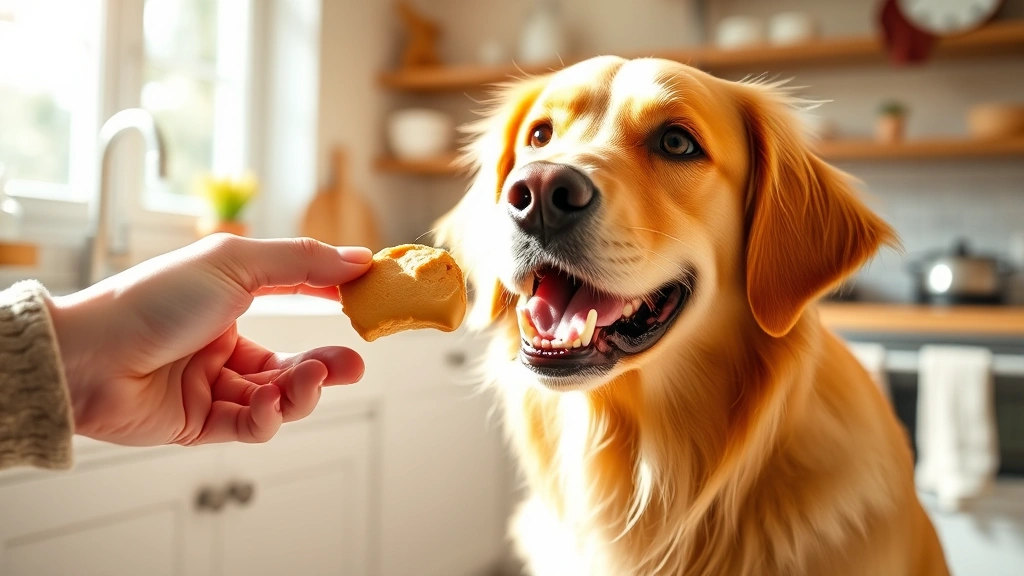
Peanut butter treats for dogs are basically the canine equivalent of chocolate for humans—except, you know, actually safe and delicious for your furry best friend. If you’ve ever watched your pup’s eyes light up at the mere sound of a treat jar opening, you know exactly what I’m talking about. These creamy, protein-packed snacks have become a staple in dog households everywhere, and honestly, it’s not hard to see why. Dogs go absolutely bonkers for peanut butter, and as a pet parent, you get to be the hero delivering pure joy in a spoonful.
Table of Contents
- Why Dogs Go Crazy for Peanut Butter
- Safety First: What to Avoid in Peanut Butter Dog Treats
- The Best Natural Peanut Butter Dog Treats
- Crunchy vs. Creamy: Which Is Better?
- Peanut Butter Treats for Training and Enrichment
- Portion Control and Caloric Considerations
- Homemade Peanut Butter Dog Treats: A DIY Option
- The Top Brands for Peanut Butter Dog Treats in 2024
- Peanut Butter Treats for Dogs with Food Sensitivities
- Storage and Shelf Life Tips
- Allergies and Health Concerns
- Seasonal and Special Occasion Treats
- Frequently Asked Questions
- Conclusion
But here’s the thing: not all peanut butter treats are created equal. Some are packed with unnecessary additives, while others might contain xylitol—a sweetener that’s genuinely dangerous for dogs. That’s why we’ve put together this comprehensive guide to help you navigate the world of peanut butter dog treats and find the absolute best options for your four-legged companion.
Why Dogs Go Crazy for Peanut Butter
Let’s start with the obvious: dogs love peanut butter. Like, really love it. But what’s the science behind this obsession? Peanut butter is loaded with protein and healthy fats that appeal to dogs’ natural instincts. It’s also calorie-dense, which means it triggers reward centers in your dog’s brain. Plus, the texture and smell are absolutely irresistible to most pups. When you combine that with the fact that peanut butter is generally safe for dogs (in moderation), you’ve got a winning treat formula.
Safety First: What to Avoid in Peanut Butter Dog Treats
Before we dive into the best options, let’s talk about the elephant in the room: xylitol. This artificial sweetener is found in some peanut butter products and is toxic to dogs. Even small amounts can cause serious health issues including liver failure and hypoglycemia. Always check ingredient lists carefully. Additionally, avoid treats with excessive sodium, artificial preservatives, or added sugars. Your dog doesn’t need those extras, and they can contribute to pet obesity prevention issues down the line.
The Best Natural Peanut Butter Dog Treats
Natural peanut butter treats are your safest bet. Look for products with minimal ingredients—ideally just peanuts and maybe a little salt. Brands that specialize in natural dog treats often have peanut butter options that are free from harmful additives. These treats tend to be higher quality and better for your dog’s overall health. Natural peanut butter dog snacks often contain just the essentials, making them perfect for pups with sensitive stomachs.
Crunchy vs. Creamy: Which Is Better?
This might seem like a silly question, but it actually matters. Creamy peanut butter treats are easier for older dogs or those with dental issues to enjoy, while crunchy options provide additional texture stimulation and can help with dental health. Many dogs prefer creamy because it’s smoother and sticks to the roof of their mouth longer (which they seem to find hilarious). However, crunchy treats can be beneficial for senior dog feeding routines when softened slightly with warm water.
Peanut Butter Treats for Training and Enrichment
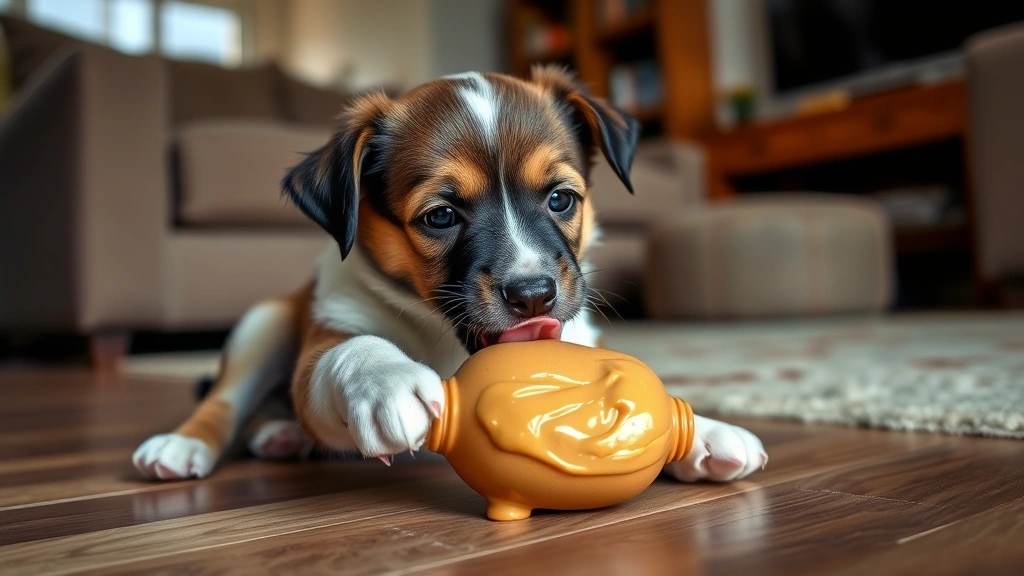
Peanut butter treats aren’t just for snacking—they’re incredible training tools. Their strong aroma and taste make them perfect for rewarding good behavior. You can also use them with feeding enrichment toys to keep your dog mentally stimulated. Smearing a bit of peanut butter in a Kong feeding routine can keep your pup occupied for hours. This is especially useful for dogs with anxiety or those who need mental enrichment throughout the day.
Portion Control and Caloric Considerations
Here’s where we need to be real: peanut butter is calorie-dense. A single tablespoon contains roughly 90-100 calories, which can add up quickly if you’re not careful. For most dogs, peanut butter treats should make up no more than 10% of their daily caloric intake. A small dog might get just a teaspoon, while a larger breed could handle a tablespoon or two. Always factor treat calories into your dog’s overall daily intake to prevent unwanted weight gain.
Homemade Peanut Butter Dog Treats: A DIY Option
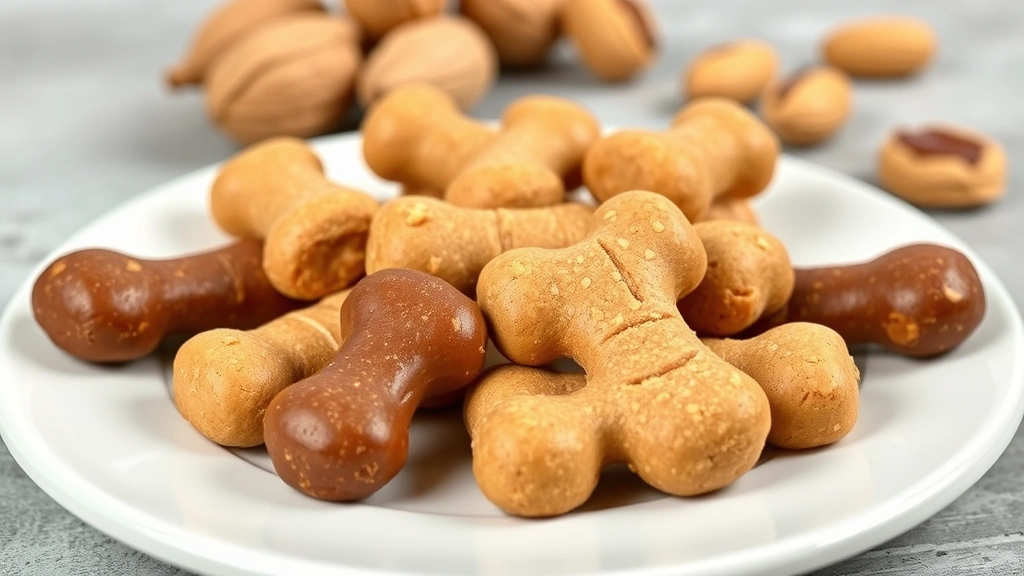
If you’re feeling ambitious, making your own peanut butter treats at home is surprisingly simple. Mix natural peanut butter with oat flour and a bit of honey, roll into balls, and bake at 350°F for about 15 minutes. You control every ingredient, which means zero mystery additives. Your dog will love you for it, and you’ll have peace of mind knowing exactly what they’re eating. Plus, your kitchen will smell amazing.
The Top Brands for Peanut Butter Dog Treats in 2024
Several brands have really stepped up their game when it comes to quality peanut butter treats. Look for companies that prioritize natural ingredients, transparent sourcing, and rigorous safety testing. According to the American Kennel Club, the best treats are those made with recognizable, whole-food ingredients. Many reputable manufacturers now offer organic, grain-free, and allergy-friendly options. Check product reviews and certifications to ensure you’re getting the best quality for your pup.
Peanut Butter Treats for Dogs with Food Sensitivities
Some dogs have allergies or sensitivities to common ingredients. If your pup falls into this category, look for limited-ingredient peanut butter treats. Many brands now offer options specifically formulated for sensitive digestive systems. You might also want to consult your vet before introducing any new treats, especially if your dog has a history of food aggressive dog feeding issues or dietary restrictions. Your veterinarian can recommend brands or recipes that work best for your individual dog’s needs.
Storage and Shelf Life Tips
Proper storage keeps your peanut butter treats fresh and safe. Store them in an airtight container in a cool, dry place. Most commercial treats last several months, but always check the expiration date. Homemade treats should be stored in the refrigerator and used within a week or two. You can also freeze homemade peanut butter treats for longer storage—just thaw them before serving. Keep treats away from direct sunlight and extreme temperatures to maintain quality and prevent spoilage.
Allergies and Health Concerns
While peanut butter is generally safe for dogs, some pups can have peanut allergies. Signs include itching, swelling, vomiting, or diarrhea. Always introduce new treats gradually and watch for adverse reactions. According to PetMD, it’s important to monitor your dog for any unusual symptoms after introducing peanut butter treats. If your dog has a known peanut allergy or shows any concerning symptoms, discontinue use immediately and consult your veterinarian. Additionally, peanut butter treats might not be appropriate for dogs with pancreatitis due to their fat content.
Seasonal and Special Occasion Treats
Peanut butter treats can be dressed up for special occasions. Consider peanut butter treats with pumpkin for fall, or frozen peanut butter treats for summer. You can also find seasonal varieties from specialty dog treat brands. These festive options keep treat time exciting while still providing the nutritional benefits your dog loves. Just remember to stick with xylitol-free options and maintain appropriate portion sizes even during celebrations.
Frequently Asked Questions
Is peanut butter safe for all dogs?
Peanut butter is safe for most dogs, but it’s not ideal for those with peanut allergies or pancreatitis. Always check for xylitol in the ingredient list, as this sweetener is toxic to dogs. Start with small amounts to ensure your dog tolerates it well, and consult your vet if your dog has any health concerns.
How much peanut butter can I give my dog daily?
Peanut butter should make up no more than 10% of your dog’s daily caloric intake. For most dogs, this means about a teaspoon to a tablespoon per day, depending on their size. Larger breeds can handle more, while small dogs should get just a taste. Remember that peanut butter is calorie-dense and should be factored into their overall diet.
Can puppies eat peanut butter treats?
Yes, puppies can enjoy peanut butter treats, but in very small amounts. Puppies have different nutritional needs than adult dogs, so treats should be minimal. Always choose puppy-appropriate treats and avoid anything with xylitol. When in doubt, ask your veterinarian for recommendations suitable for your puppy’s age and size.
What’s the difference between dog-specific peanut butter treats and human peanut butter?
Dog-specific peanut butter treats are formulated without xylitol and other harmful additives. Human peanut butter might contain added sugars, salt, or xylitol, which can be dangerous for dogs. While plain, unsalted human peanut butter is okay occasionally, dog treats are specifically designed for canine nutritional needs and safety.
Are there peanut butter treats for dogs with grain allergies?
Absolutely! Many brands now offer grain-free peanut butter treats made with alternative flours like sweet potato, chickpea, or coconut. These options are perfect for dogs with grain sensitivities or allergies. Check the ingredient list carefully and look for certifications from reputable organizations to ensure quality.
How do I know if my dog is allergic to peanut butter?
Signs of a peanut allergy in dogs include itching, skin irritation, vomiting, diarrhea, or swelling of the face and throat. If you notice any of these symptoms after giving your dog peanut butter treats, discontinue use immediately and contact your veterinarian. Some dogs might have delayed reactions, so monitor your pup for 24-48 hours after introducing a new treat.
Conclusion
Peanut butter treats for dogs are a fantastic way to reward your furry friend while keeping them happy and healthy. The key is choosing high-quality, xylitol-free options and practicing proper portion control. Whether you opt for commercial brands or homemade creations, always prioritize your dog’s individual needs and health status. With so many excellent options available in 2024, you’re sure to find the perfect peanut butter treat that your pup will absolutely love. Remember to consult with your veterinarian if you have any concerns, and enjoy watching your dog’s face light up when treat time rolls around. Your pup deserves the best, and now you know exactly how to deliver it.





