
Training treats from human food can save you money, strengthen your bond with your pup, and eliminate mystery ingredients—but not all human foods are safe for dogs. Before you raid your fridge for training snacks, let’s explore which human foods actually work as effective training rewards and which ones could land your furry friend in hot water (or the vet’s office).
Table of Contents
- Why Use Human Food for Dog Training?
- The Golden Rules Before You Start
- Top 10 Safe Human Foods for Training Treats
- Foods to Absolutely Avoid
- Preparation Tips for Maximum Training Success
- Mixing It Up: Combination Treats
- Special Considerations for Dogs with Dietary Restrictions
- Tracking Calories and Portion Control
- When to Switch Training Treats
- Storage and Food Safety
- Training Treat Consistency and Effectiveness
- Frequently Asked Questions
- Summary: Making Training Treats from Human Food Work
Why Use Human Food for Dog Training?
Your dog doesn’t care whether their treat came from a fancy pet boutique or your kitchen pantry. What matters is that it’s delicious, motivating, and gets results. Using training treats from human food offers several advantages: you already know the ingredients, you can control portion sizes, and your wallet stays happy. Plus, many dogs find real food more rewarding than processed kibble, making training sessions more effective.
The key is understanding which human foods are nutritionally appropriate and safe. According to the American Kennel Club, certain whole foods can supplement a balanced diet without causing issues.
The Golden Rules Before You Start
Not every human food is training treat material. Follow these rules religiously: treats should make up no more than 10% of your dog’s daily caloric intake, avoid anything with xylitol (a sweetener toxic to dogs), skip anything high in sodium or fat, and always introduce new foods gradually. If your dog has a sensitive stomach or medical conditions, chat with your vet first. PetMD recommends keeping a food diary if your pup has dietary sensitivities.
Top 10 Safe Human Foods for Training Treats
1. Chicken Breast
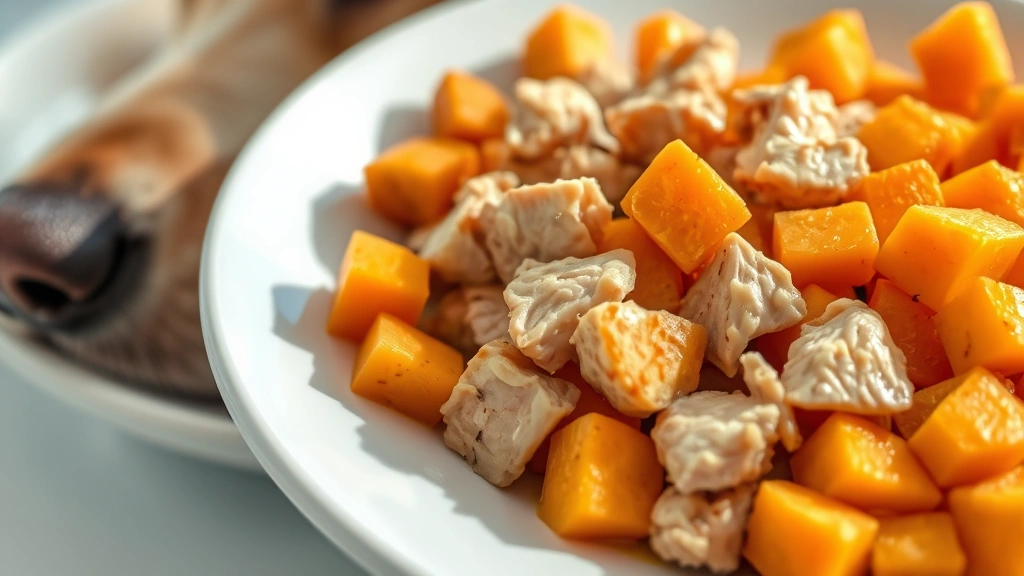
The MVP of training treats from human food. Boil unseasoned chicken breast, cut it into pea-sized pieces, and watch your dog’s eyes light up. Chicken is lean, protein-packed, and dogs lose their minds for it. Store cooked pieces in the fridge for up to three days or freeze them for longer storage.
2. Turkey
Similar to chicken but often overlooked, turkey is another excellent poultry option. Ground turkey or diced turkey breast works perfectly. Cook it plain—no seasoning, no skin. It’s especially great for dogs who get bored with chicken or need dietary variety. Rotating protein sources keeps training interesting and supports nutritional balance.
3. Sweet Potato
Unlike regular potatoes (which are fine cooked but less nutritious), sweet potatoes are nutritional powerhouses. Bake them, cut into small cubes, and you’ve got a naturally sweet, fiber-rich treat. Dogs with sensitive stomachs often tolerate sweet potato better than grain-based treats. It’s also perfect for food dispensing toys since you can freeze the pieces.
4. Carrots
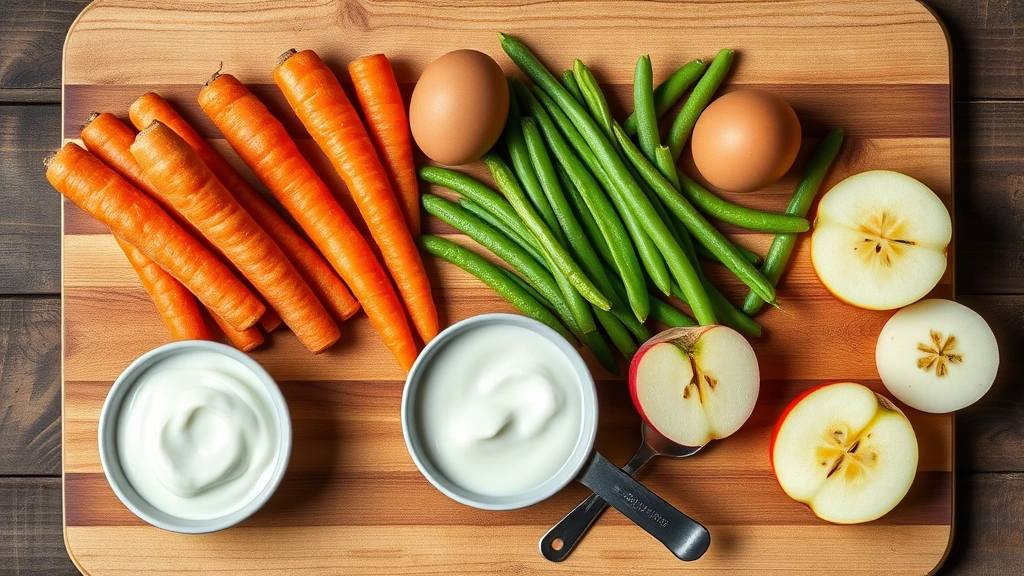
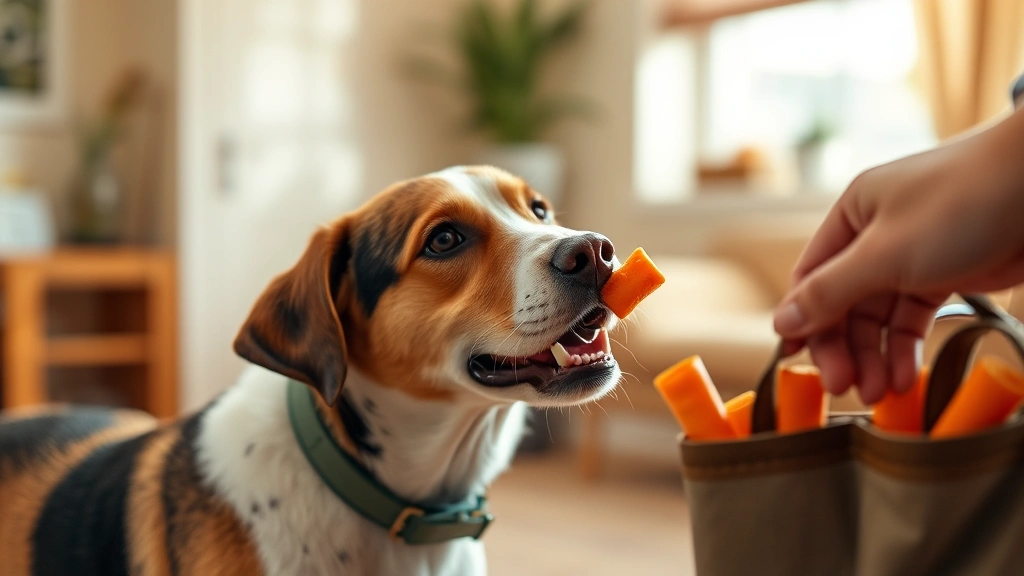
Raw or cooked carrots are crunchy, low-calorie, and great for dental health. They’re especially useful if you’re training multiple times daily since you can give more pieces without exceeding the 10% treat rule. Many dogs enjoy the texture, and carrots are virtually impossible to overdo.
3. Green Beans
Steamed or boiled (no salt, no butter), green beans are another low-calorie option. They’re filling without being heavy, making them perfect for dogs trying to maintain weight. Some trainers use green beans as “filler” treats during long sessions—your dog gets the reward sensation without excessive calories.
6. Apples
Remove the seeds (they contain cyanogenic compounds), cut into small pieces, and you’ve got a crispy, naturally sweet treat. Apples are great for dental health and provide natural sweetness without added sugar. Most dogs find the crunch satisfying, especially during warm months when you can freeze apple pieces.
7. Pumpkin
Plain canned pumpkin (not pie filling) is a training secret weapon. It’s naturally sweet, aids digestion, and you can freeze it in ice cube trays for portion-controlled treats. Some trainers mix pumpkin with other foods or use it for interactive feeding games to extend training sessions.
8. Eggs
Cooked eggs (scrambled, boiled, or hard-boiled) are protein-rich and most dogs find them irresistible. They’re also economical and easy to prepare in bulk. Avoid raw eggs due to salmonella risk, but cooked eggs are a training treat goldmine. One egg contains about 6 grams of protein—perfect for rewarding major accomplishments.
9. Plain Yogurt
Unsweetened, plain yogurt (no xylitol) is packed with probiotics and protein. Use it as a lickable treat by freezing small amounts on a spoon or mixing with other foods. Just check the ingredient list carefully—some yogurts contain xylitol, which is deadly to dogs. Plain, unsweetened varieties from major brands are your safest bet.
10. Banana
Sliced or mashed bananas are naturally sweet and potassium-rich. They’re soft, easy to portion, and most dogs love them. Since bananas are higher in natural sugars, use them sparingly, but they’re excellent for occasional high-value rewards. Freeze banana slices for a refreshing summer treat.
Foods to Absolutely Avoid
Some human foods are outright dangerous. Never give your dog chocolate, grapes, raisins, onions, garlic, avocado, macadamia nuts, foods with xylitol, or anything with caffeine. These aren’t “treats gone wrong”—they’re toxins. If your dog ingests any of these, contact your vet or animal poison control immediately. Even small amounts can cause serious health issues.
Preparation Tips for Maximum Training Success
Cut treats into pea-sized pieces—your dog doesn’t need a huge chunk to feel rewarded, and smaller pieces mean more training opportunities. Prepare treats in batches and store them properly: refrigerate for up to three days, freeze for longer storage. Label your containers so you don’t accidentally feed them to humans. Consider hiding pills in food techniques if your dog needs medication—the same principles apply to training treats.
Mixing It Up: Combination Treats
Get creative by combining foods. Mix mashed sweet potato with ground turkey, freeze banana slices with a dab of plain yogurt, or stuff a carrot with a bit of pumpkin. These combinations keep training interesting and can help with rotating protein sources for nutritional balance. Just ensure every ingredient in the combination is safe individually.
Special Considerations for Dogs with Dietary Restrictions
Dogs with allergies or sensitivities need extra care. If your pup has a chicken allergy, turkey or beef become your go-to proteins. For dogs with grain sensitivities, vegetables and proteins are safer than commercial grain-based treats. Always introduce new training treats from human food gradually—mix small amounts with their regular food over several days. This prevents digestive upset and helps you identify any problem foods. Consult your vet if your dog has a medical condition like diabetes or kidney disease, as some foods may require adjustment.
Tracking Calories and Portion Control
The 10% rule isn’t arbitrary—it’s based on nutritional science. If your dog needs 1,500 calories daily, treats should provide no more than 150 calories. A piece of chicken breast has roughly 5-10 calories, a carrot slice about 2 calories, and a green bean about 1 calorie. Use tasty pet supplements strategically and account for their calories too. Keep a training log noting treat type, quantity, and your dog’s response—this data helps optimize training effectiveness.
When to Switch Training Treats
If your dog suddenly loses interest in their usual training treats, it’s time for a change. Dogs can get bored with repetition, or their taste preferences might shift seasonally. Rotate between different safe options to maintain motivation. Some trainers use a “hierarchy” of treats: low-value for easy tasks (green beans), medium-value for moderate difficulty (carrots), and high-value for challenging behaviors (chicken or eggs). This system keeps your dog engaged throughout training sessions.
Storage and Food Safety
Proper storage prevents foodborne illness. Cooked chicken should be refrigerated immediately and used within three days, or frozen for up to three months. Vegetables last longer—cooked carrots and green beans keep for up to five days refrigerated. Always use clean containers, label with preparation dates, and follow the “first in, first out” principle. Never leave prepared treats sitting at room temperature for more than two hours. Frozen treats are convenient and allow you to prepare training supplies in bulk without waste.
Training Treat Consistency and Effectiveness
The best training treat is one your dog finds irresistible and that maintains pet food consistency with their overall diet. If you’re using human food treats, ensure they complement your dog’s regular meals rather than replacing balanced nutrition. Some trainers use training treats from human food as supplements to their dog’s kibble, while others make them the primary reward. Experiment to find what works for your individual dog—every pup has unique preferences and nutritional needs.
Frequently Asked Questions
Can I use training treats from human food as my dog’s only treats?
Yes, absolutely. Many dogs thrive on a diet supplemented with human food treats. Just ensure the foods are safe, maintain the 10% treat rule, and that your dog’s primary diet remains nutritionally complete. Monitor your dog’s weight and overall health, and adjust portions as needed.
How do I know if my dog has an allergic reaction to a new training treat?
Watch for symptoms like itching, vomiting, diarrhea, or swelling within 24-48 hours. Introduce new foods slowly and in small amounts. If you notice any concerning symptoms, stop offering that food and contact your vet. Keep a food diary to identify patterns if your dog experiences recurring issues.
Are frozen training treats from human food safe?
Yes, frozen treats are safe and often beneficial. They last longer, provide mental stimulation as your dog works to consume them, and can help with teething. Freeze small pieces of chicken, sweet potato, or banana for convenient, long-lasting training supplies.
What’s the best training treat for a dog with a sensitive stomach?
Start with bland, easily digestible options like plain boiled chicken, sweet potato, or carrots. Avoid fatty meats and introduce new foods very gradually. If your dog continues having digestive issues, consult your vet—they may recommend specific proteins or prescription diet options.
Can I mix training treats from human food with commercial treats?
Absolutely. Many trainers use a combination approach, rotating between human food treats and commercial options. Just track total treat calories to maintain the 10% rule and ensure nutritional balance. This variety keeps training interesting and helps identify which treats your dog finds most motivating.
How often should I change my dog’s training treats?
Change treats whenever your dog loses interest or every 2-4 weeks for variety. Some dogs need novelty to stay motivated, while others are consistent in their preferences. Rotate between different safe options to prevent boredom and ensure nutritional diversity.
Summary: Making Training Treats from Human Food Work
Training treats from human food are a practical, economical, and often more nutritious alternative to commercial options. Chicken, turkey, sweet potato, carrots, green beans, apples, pumpkin, eggs, yogurt, and bananas represent your safest, most effective choices. Always follow the 10% treat rule, avoid toxic foods completely, introduce new foods gradually, and track calories to maintain nutritional balance. The best training treat is one your dog finds irresistible and that fits naturally into their overall diet. Start with simple options like chicken breast, observe your dog’s response, and build from there. Your dog doesn’t care whether their training reward came from a premium pet store or your kitchen—they just care that it tastes amazing and keeps training fun. Happy training!





