

Look, if you’ve been scrolling through pet nutrition blogs and haven’t heard about bone broth recipes for pets yet, buckle up—because this stuff is basically liquid gold for your dog or cat. It’s not some trendy wellness nonsense (okay, maybe a little trendy), but it’s legitimately backed by vets and pet nutritionists who swear by its healing properties. We’re talking joint support, gut health, shiny coats, and the kind of tail wags that make your heart explode.
Table of Contents
- Why Bone Broth Is a Game-Changer for Pet Health
- The Classic Chicken Bone Broth Recipe
- Beef Bone Broth for Joint and Gut Support
- Turkey Bone Broth: The Post-Holiday Goldmine
- Fish Bone Broth for Omega-3 Powerhouse Status
- Vegetable and Bone Broth Blend for Balanced Nutrition
- Serving Guidelines: How Much Broth Is Too Much?
- Storage and Food Safety Tips
- Common Mistakes to Avoid
- When to Use Bone Broth for Specific Pet Health Situations
- Frequently Asked Questions
- Conclusion: The Broth Revolution Starts Now
The best part? You can make it at home for pennies, and your pet will think you’re an absolute legend.
Why Bone Broth Is a Game-Changer for Pet Health
Before we dive into the recipes, let’s talk about why bone broth for dogs and cats is such a big deal. When you simmer bones low and slow (we’re talking 12-48 hours), you extract collagen, gelatin, amino acids, and minerals that are basically nature’s repair kit for your pet’s body.
Collagen breaks down into gelatin, which supports joint cartilage—especially crucial for aging dogs or breeds prone to hip dysplasia. The amino acid glycine aids digestion and supports the gut lining, which is why so many vets recommend bone broth for pets with sensitive stomachs. Plus, the minerals like calcium, phosphorus, and magnesium? Your pet’s bones and teeth are literally begging for this stuff.
According to the American Kennel Club, incorporating nutrient-dense broths into your pet’s diet can support overall wellness when done properly. And if you’re already managing your dog feeding routine, bone broth is the perfect complement to boost nutritional value.
The Classic Chicken Bone Broth Recipe
Let’s start with the MVP of bone broth recipes for pets: chicken bone broth. This is your gateway drug into the world of homemade pet nutrition.
What You’ll Need:
- 2-3 lbs of chicken bones (backs, necks, feet—the weird stuff nobody eats)
- 1 carrot, roughly chopped
- 1 celery stalk, roughly chopped
- 1 small piece of ginger (optional but awesome)
- Water (enough to cover bones by 2 inches)
- 1 tablespoon apple cider vinegar (this helps extract minerals)
The Method:
Throw everything in a slow cooker or large pot. If you’re using a slow cooker, set it to low for 24 hours. If you’re using a stovetop, bring it to a boil, then reduce to a gentle simmer for 12-24 hours. The longer it goes, the more gelatin you’ll extract. After cooking, strain out the solids, let it cool completely, and skim the fat off the top (though some fat is good for your pet—don’t go crazy).
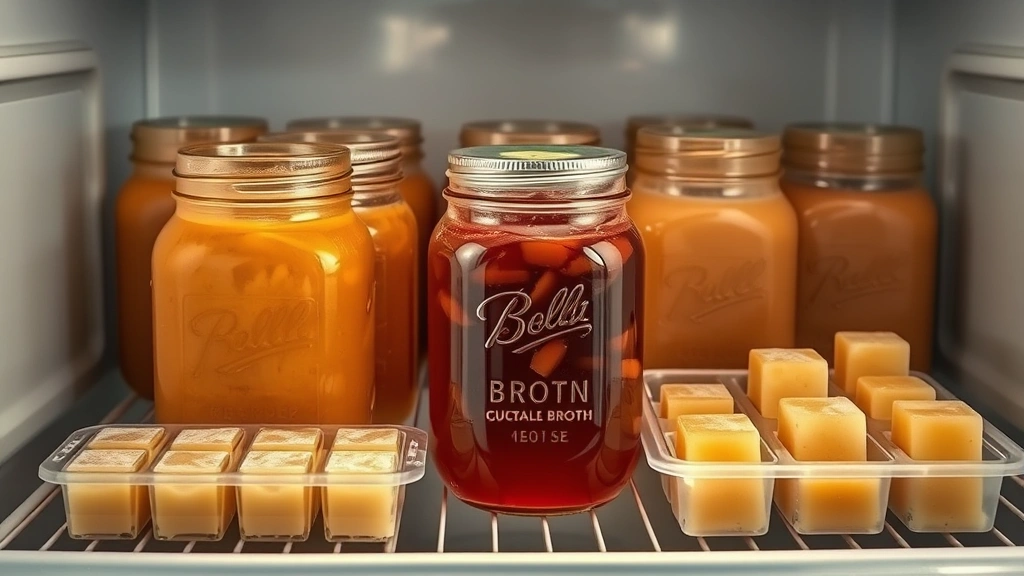
Store it in glass containers in the fridge for up to 5 days, or freeze it in ice cube trays for easy portioning. This is perfect for your fresh food feeding routine.
Beef Bone Broth for Joint and Gut Support
If your dog is a beef enthusiast (and let’s be honest, most are), beef bone broth is where it’s at. Beef bones are denser and richer than chicken, meaning more collagen and deeper flavor that’ll have your pup drooling before you even pour it.
Ingredients:
- 3-4 lbs of beef bones (knuckle bones, marrow bones, or leftover soup bones)
- 2 carrots, chopped
- 2 celery stalks, chopped
- 1 onion, halved (remove before serving—onions are toxic to pets in large amounts)
- 1 bay leaf
- 2 tablespoons apple cider vinegar
- Water
Cooking Instructions:
Roast the bones in a 400°F oven for 30 minutes first—this step is optional but creates a richer, deeper broth. Then follow the same slow cooker method: 24-48 hours on low. Beef broth can handle longer cooking times and actually gets better the longer it simmers. The result? A nutrient-dense bone broth that supports joint health and improves hydration with feeding.
Turkey Bone Broth: The Post-Holiday Goldmine
Got leftover turkey bones from Thanksgiving? Don’t throw them away—they’re broth gold. Turkey bone broth is slightly lighter than beef but richer than chicken, making it a perfect middle-ground option for picky eaters.
What Goes In:
- Turkey carcass (broken into manageable pieces)
- 1 carrot, chopped
- 1 celery stalk, chopped
- 1 small turnip or parsnip (optional, adds sweetness)
- 1 tablespoon apple cider vinegar
- Water
The process is identical to beef broth: 24-48 hours on low in a slow cooker. Turkey broth is especially good for sensitive stomach situations because it’s easier to digest than beef but more flavorful than chicken. If you’re planning homemade pet food schedule rotations, turkey broth is your secret weapon for variety.
Fish Bone Broth for Omega-3 Powerhouse Status
Okay, this one smells absolutely gnarly while cooking, but your pet’s skin and coat will thank you. Fish bone broth is packed with omega-3 fatty acids, which support brain function, reduce inflammation, and make your pet’s fur look like they just stepped out of a grooming salon.
Ingredients:
- Fish bones and heads (ask your local fishmonger—they’ll usually give them to you for free or cheap)
- 1 carrot, chopped
- 1 celery stalk, chopped
- 1 small piece of kombu seaweed (optional but adds minerals)
- Water
- 1 tablespoon apple cider vinegar
The Catch:
Fish broth cooks faster than meat broths—only 8-12 hours on low. Longer than that and it gets bitter. Also, crack those fish heads open if you can; it releases more gelatin. Yes, it’s gross. Yes, your pet will love you for it.
Vegetable and Bone Broth Blend for Balanced Nutrition
Want to sneak in some extra vegetables without your pet knowing? This hybrid broth combines bones with nutrient-dense veggies for a well-rounded supplement.
Base Recipe:
- 2 lbs mixed bones (chicken, beef, or turkey)
- 2 carrots, chopped
- 2 celery stalks, chopped
- 1 small sweet potato, cubed
- 1 cup spinach or kale (added in the last hour)
- 1 inch fresh turmeric root (anti-inflammatory superhero)
- 1 inch fresh ginger root
- Water
- 1 tablespoon apple cider vinegar
This blend is particularly helpful for nursing dog nutrition situations where you need maximum nutrient density. Cook for 24 hours on low, and you’ve got a broth that’s basically a multivitamin in liquid form.
Serving Guidelines: How Much Broth Is Too Much?
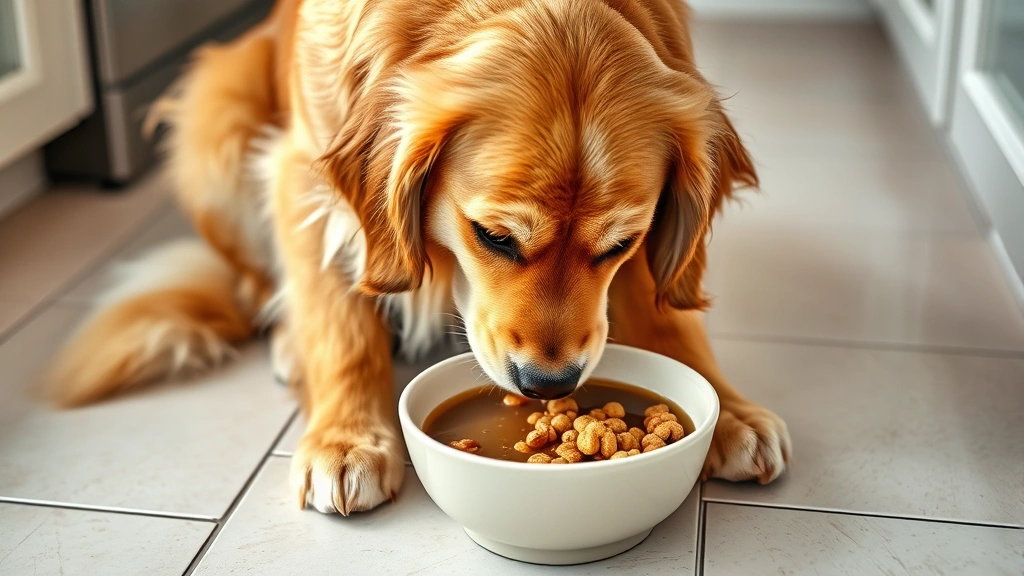
Here’s where people mess up: they get excited and start giving their pets massive amounts of broth. Slow your roll. For small dogs and cats, start with 1-2 tablespoons daily. Medium dogs can handle 1/4 cup, and large dogs can go up to 1/2 cup daily. You can pour it over their regular food, use it as a base for homemade meals, or freeze it into ice cubes for a refreshing treat.
If your pet has never had broth before, introduce it gradually over a week to avoid digestive upset. And here’s the thing—bone broth shouldn’t replace their regular meals; it should supplement them. Think of it as the premium upgrade to their existing nutrition plan.
Storage and Food Safety Tips
Homemade bone broth is amazing, but it needs respect when it comes to storage. Room temperature? Nope. That’s a bacterial party waiting to happen. Refrigerate immediately after cooling, and it’ll keep for 5-7 days. For longer storage, freeze it in ice cube trays, then pop the cubes into freezer bags. Frozen broth lasts 3-6 months.
One pro tip: if your broth solidifies in the fridge, that’s actually a sign you did it right. That gel is pure collagen, and it’s exactly what you want. Some people get nervous and think something went wrong, but nope—you’re golden.
Also, make absolutely sure you’re using bones that haven’t been treated with chemicals or pesticides. Organic, grass-fed bones are ideal. And never use cooked bones from your dinner—they splinter and can cause serious damage. Raw or raw-meaty bones only.
Common Mistakes to Avoid
Let’s talk about what NOT to do, because I’ve seen pet parents make some questionable choices with their broth-making endeavors.
Mistake #1: Adding Garlic or Onions – These are toxic to dogs and cats. Some recipes online suggest them, but they can damage red blood cells. Skip them entirely.
Mistake #2: Over-Salting – Your pet’s kidneys don’t need extra sodium. Keep it salt-free.
Mistake #3: Using Cooked Bones – Seriously, cooked bones splinter. Raw bones only. This is non-negotiable.
Mistake #4: Not Skimming the Fat – While some fat is healthy, too much can cause pancreatitis in sensitive pets. Skim off the excess after it cools.
Mistake #5: Forgetting to Cool Before Serving – Hot broth can burn your pet’s mouth. Always let it cool to room temperature first.
When to Use Bone Broth for Specific Pet Health Situations
Bone broth isn’t just a luxury supplement—it’s actually therapeutic in certain situations. Senior dogs with joint issues? Bone broth is their best friend. Puppies going through growth spurts? The minerals and collagen support healthy bone development. Pets recovering from surgery? The amino acids aid healing. Cats with digestive issues? The gelatin soothes the gut lining.
According to PetMD, bone broth can be a beneficial addition to recovery protocols when recommended by your veterinarian. It’s not a cure-all, but it’s a genuinely helpful tool in your pet nutrition toolkit.
Frequently Asked Questions
Can I Give Bone Broth to Cats?
Absolutely. Cats are actually more finicky about broth than dogs, but they benefit from it just as much. Start with small amounts mixed into their wet food. Fish broth tends to be more appealing to cats than chicken or beef. Just make sure there are no onions or garlic, and keep sodium levels low.
How Often Should I Give My Pet Bone Broth?
Daily is fine if you’re doing small portions. It’s not a meal replacement, so think of it as a supplement to their regular diet. Some people do it 5 days a week and take weekends off. Listen to your pet’s body—if they’re having digestive issues, dial it back.
Is Store-Bought Bone Broth Safe for Pets?
Some commercial bone broths are fine, but many contain additives, excess salt, or ingredients that aren’t pet-safe. Making it at home gives you total control over what goes in. Plus, homemade is way cheaper.
Can Puppies Have Bone Broth?
Yes, and it’s actually beneficial for growing puppies. The minerals support bone development, and the amino acids aid muscle growth. Start with very small amounts (1 tablespoon) and gradually increase as they grow. Always check with your vet if your puppy has any health concerns.
What If My Pet Has Kidney Disease?
This is where you need to talk to your vet first. Bone broth is high in phosphorus and protein, which might not be appropriate for pets with kidney issues. Your vet can give you the green light or suggest modifications.
How Do I Know If the Broth Has Gone Bad?
Trust your nose. Bad broth smells sour or off. If there’s mold growing on top, toss it. If it’s been in the fridge longer than a week, don’t risk it. When in doubt, throw it out.
Conclusion: The Broth Revolution Starts Now
Bone broth recipes for pets are genuinely one of the easiest ways to level up your pet’s nutrition without spending a fortune or your entire weekend in the kitchen. Whether you go with classic chicken, rich beef, delicate turkey, omega-packed fish, or a veggie-loaded blend, your pet is getting concentrated nutrition that supports joints, digestion, coat health, and overall vitality.
The beauty of making bone broth at home is that it’s forgiving, flexible, and honestly kind of therapeutic to watch simmer on the stove. Plus, your house smells amazing (except maybe after the fish broth, but we forgive that).
Start with one recipe, nail it, then branch out. Your pet will be healthier, happier, and probably more obsessed with you than they already are. And if that’s not worth 24 hours of slow cooker time, I don’t know what is.





