
If your cat goes absolutely bonkers when you crack open a can of tuna, you’re not alone—and fish-based treats for cats are legitimately one of the easiest ways to make your feline friend purr with joy. But here’s the thing: not all fish treats are created equal, and some can actually do more harm than good if you’re not careful about what you’re feeding your whiskered companion.
Table of Contents
- Why Cats Go Crazy for Fish (And Why It Actually Makes Sense)
- The Omega-3 Advantage in Fish-Based Cat Treats
- The Mercury Problem: What You Need to Know
- Best Fish-Based Treats for Cats: Our Top 5 Picks
- How Often Should You Give Fish-Based Treats?
- Choosing Quality: What to Look for on Labels
- Fish Treats and Digestive Health
- Storage and Safety Tips
- Alternatives and Complementary Treats
- Frequently Asked Questions
- Final Thoughts: Making Fish Treats Work for Your Cat
Let’s dive into the fishy world of cat treats and figure out which ones will have your kitty doing backflips while actually supporting their health.
Why Cats Go Crazy for Fish (And Why It Actually Makes Sense)
Before we talk about the best fish treats for felines, let’s understand why cats find fish so irresistible. Cats are obligate carnivores, meaning they need meat to survive—and fish is packed with high-quality protein that their bodies crave. Fish also contains taurine, an amino acid that’s absolutely essential for heart health and vision in cats. Your cat’s ancestors hunted fish-eating birds and the occasional riverside snack, so this attraction is hardwired into their DNA.
The smell of fish is also incredibly potent. Cats rely heavily on their sense of smell to identify food, and fish has compounds that trigger their hunting instincts like nothing else. It’s basically nature’s way of saying, “Hey kitty, this is good for you!”
The Omega-3 Advantage in Fish-Based Cat Treats
One of the biggest reasons vets recommend fish-based treats for cats is the omega-3 fatty acid content. Omega-3s are like tiny superheroes for your cat’s body. They reduce inflammation, support brain function, promote healthy skin and coat, and even help with joint health—especially important for older cats or those prone to arthritis.
Unlike some other protein sources, fish naturally contains EPA and DHA, the two most bioavailable forms of omega-3s. Your cat’s body doesn’t have to work as hard to absorb and utilize these nutrients. It’s like the difference between a fast-food drive-thru and a home-cooked meal—one is just more efficient.
If you’re considering rotating protein sources in your cat’s diet, check out our guide on rotating protein sources to ensure you’re balancing nutrition properly.
The Mercury Problem: What You Need to Know
Here’s where it gets real. Not all fish are created equal, and some contain concerning levels of mercury. Larger fish like tuna and swordfish sit at the top of the food chain, accumulating mercury over their lifetimes. This is why you shouldn’t feed your cat tuna every single day (I know, controversial opinion).
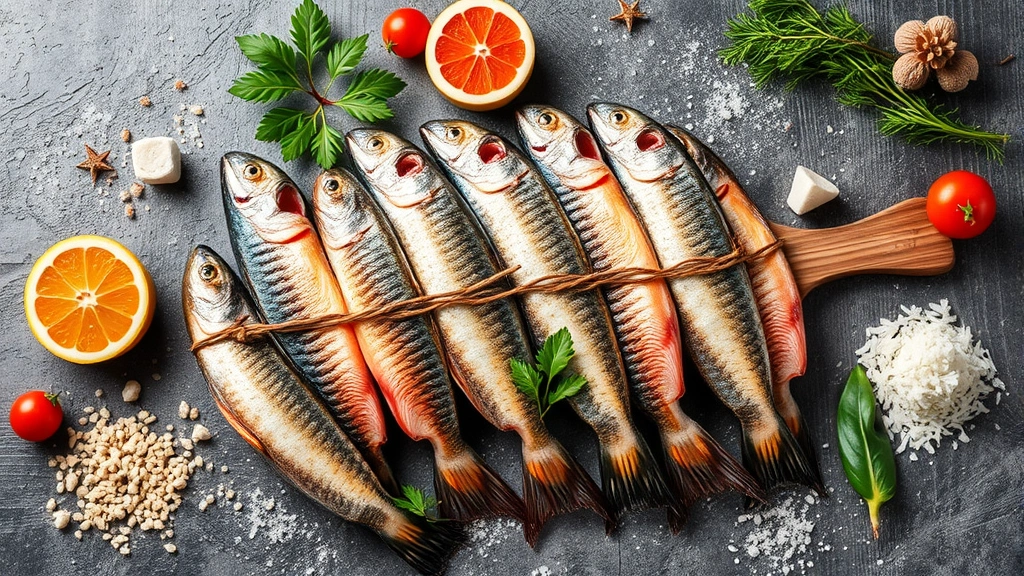
The good news? Smaller fish like sardines, anchovies, and mackerel have significantly lower mercury levels while still delivering all those omega-3 benefits. They’re also more sustainable for the environment, which is a nice bonus if you care about that sort of thing.
When shopping for fish-based treats for cats, look for products made from smaller fish species or those that have been tested for heavy metals. Reputable brands will actually list this information on their packaging.

Best Fish-Based Treats for Cats: Our Top 5 Picks
Now for the moment you’ve been waiting for. Here are five genuinely excellent fish-based cat treats that won’t make you feel guilty about treating your kitty:
1. Freeze-Dried Salmon Treats
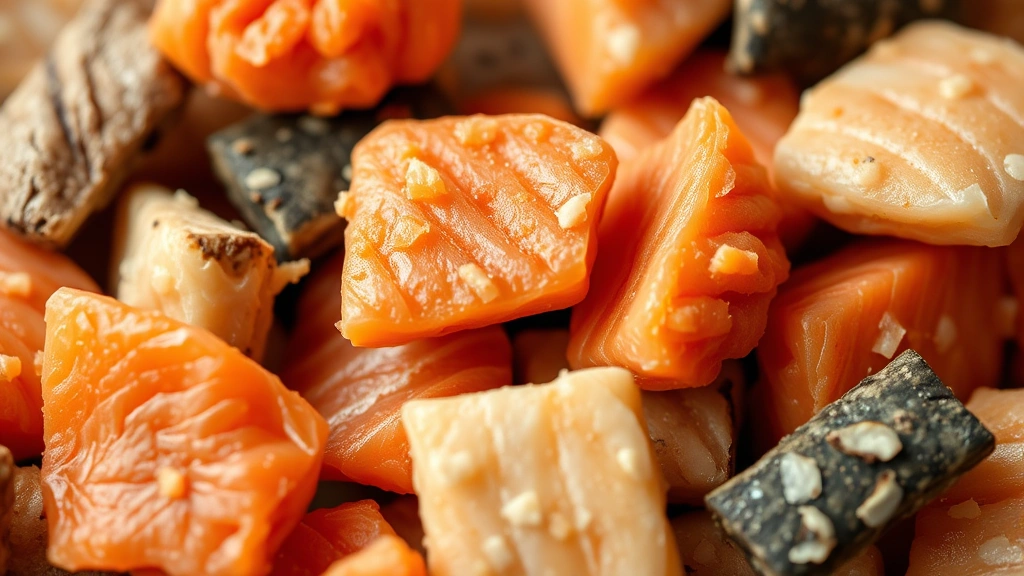
Freeze-dried salmon is basically the gold standard of fish treats. The freezing process preserves all the nutrients while removing moisture, creating a shelf-stable product that cats absolutely demolish. These treats are pure salmon—no fillers, no weird additives. They’re perfect for cats with sensitive stomachs and align well with food enrichment strategies.
2. Anchovy Treats
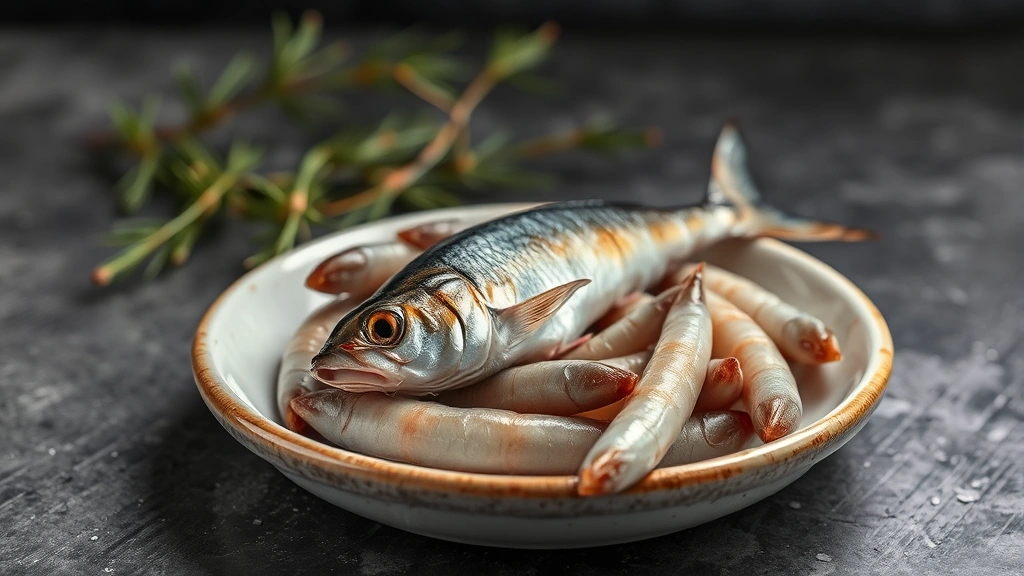
Anchovies are nutritional powerhouses for cats. They’re tiny, packed with omega-3s, and contain minimal mercury. Many cats find them even more irresistible than tuna because of their pungent aroma. Look for versions packed in water rather than salt-heavy oil.
3. Mackerel Jerky Strips
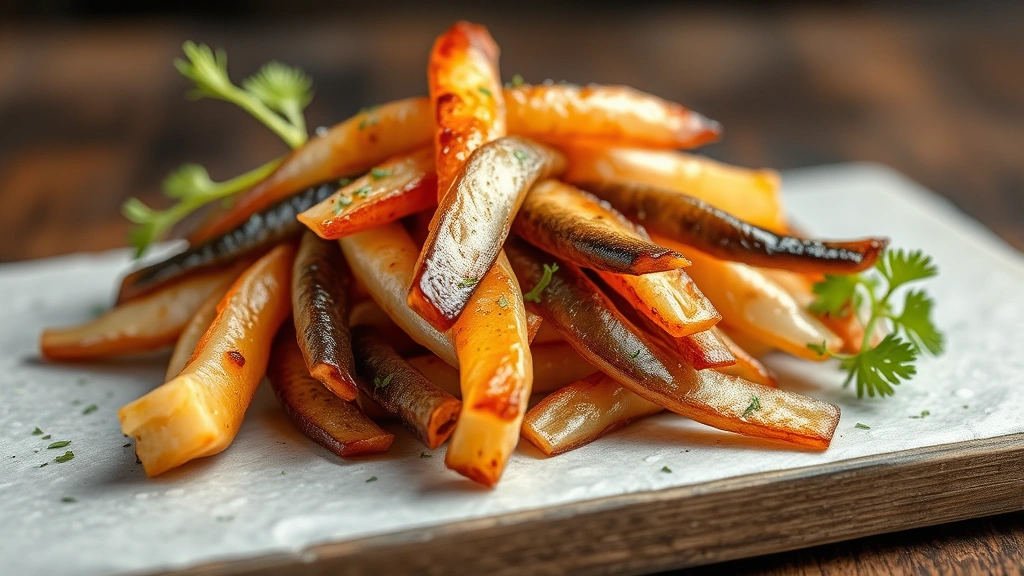
If your cat loves a textured treat they can actually chew on, mackerel jerky strips are your answer. They provide mental stimulation, help with dental health, and mackerel is an excellent source of protein and healthy fats.
4. Sardine Pate Treats
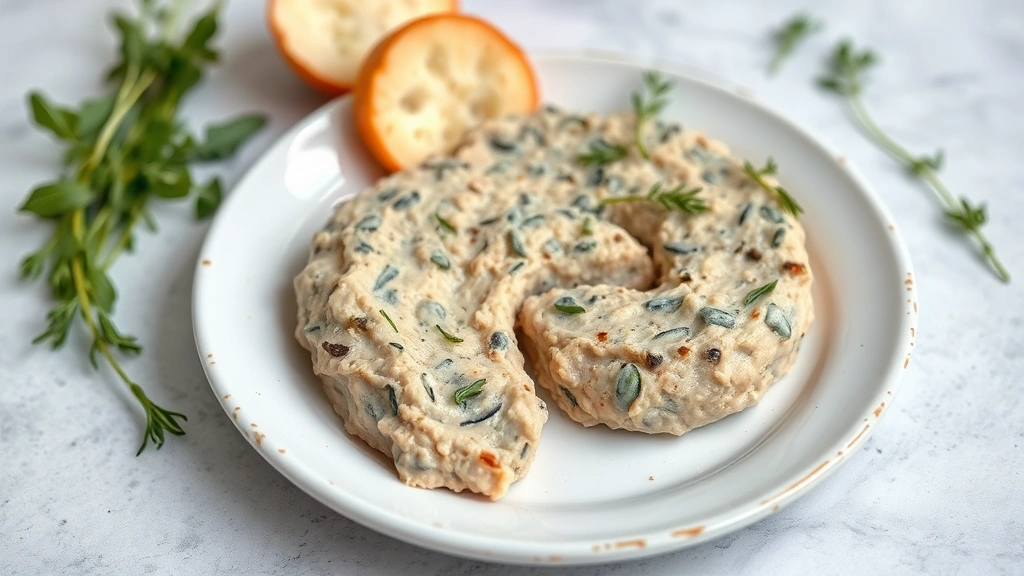
For cats who prefer softer treats, sardine pate options are fantastic. They’re easy to portion out (great for getting portions right), and sardines are one of the most sustainable fish options available.
5. Wild-Caught Fish and Sweet Potato Bites
These combination treats add a little nutritional complexity. The sweet potato provides fiber and additional nutrients, while the wild-caught fish keeps the protein content high. They’re perfect for cats that need a little variety without going completely off the rails.

How Often Should You Give Fish-Based Treats?
Here’s where moderation becomes your best friend. Fish-based treats should make up no more than 10% of your cat’s daily caloric intake. For most adult cats, that means one or two small treats per day, not a handful.
If you’re introducing fish treats for the first time, start small. Some cats have sensitive digestive systems and need time to adjust to new foods. Watch for any signs of digestive upset over the first few days.
Consider using a proper food transition schedule if you’re incorporating these treats into your cat’s regular diet rotation.

Choosing Quality: What to Look for on Labels
Not all fish-based treats are quality products. When you’re standing in the pet store aisle (or scrolling online), here’s what to look for:
Ingredient Lists: The first ingredient should be actual fish, not fish meal or fish by-products. You want to see “salmon” or “sardines,” not vague terms like “fish protein.”
No Unnecessary Additives: Your cat doesn’t need artificial colors, flavors, or preservatives. If you can’t pronounce an ingredient, your cat probably doesn’t need it.
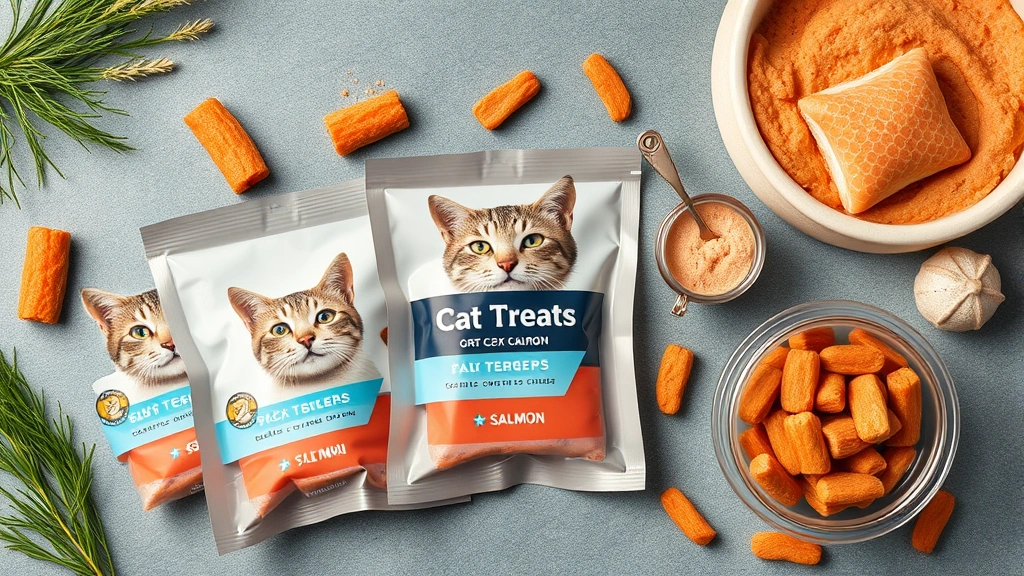
Sourcing Information: Reputable brands will tell you where their fish comes from. Wild-caught is generally preferable to farmed, though both can be acceptable if sourced responsibly.
Third-Party Testing: Look for brands that have their products tested for contaminants. This shows they actually care about safety.
Fish Treats and Digestive Health
Some cats have sensitive digestive systems that don’t take kindly to sudden dietary changes. If your cat falls into this category, introduce fish treats gradually and watch for vomiting, diarrhea, or constipation.
If your cat has chronic digestive issues, you might want to explore feline-specific probiotics alongside fish treats to support gut health. The combination can actually be quite beneficial.
Storage and Safety Tips
Fish treats can go rancid faster than other protein sources because of their fat content. Always store them in an airtight container in a cool, dry place. If you buy freeze-dried treats, they’ll last longer than softer varieties. Once opened, use within the timeframe specified on the package.
Keep fish treats away from your cat’s water bowl—the smell can actually taint the water and make your cat less likely to drink it. Yes, this is a real problem some cat owners face.
Alternatives and Complementary Treats
While fish-based treats are fantastic, variety is important for nutritional balance. Consider rotating between fish, poultry, and other protein sources. Check out our guide to tasty pet supplements for other nutritional options that complement fish treats.
Some cats also benefit from treats that support specific health needs—dental health treats, joint-support treats, or treats designed for weight management. Fish-based options exist in all these categories.
Frequently Asked Questions
Is it safe to give cats fish-based treats every day?
Fish-based treats should make up no more than 10% of your cat’s daily calories. For most cats, this means one to two small treats daily is fine, but not an entire handful. Variety is important for nutritional balance.

Can fish treats cause kidney problems in cats?
This is a common myth. Fish treats don’t cause kidney disease. However, cats with existing kidney disease should have their fish intake monitored by a vet because fish is higher in phosphorus. Always consult your veterinarian if your cat has health conditions.
Why does my cat vomit after eating fish treats?
Vomiting can indicate several things: too much treat given at once, a food sensitivity, or your cat eating too quickly. Try giving smaller portions or using treat-dispensing toys to slow consumption. If vomiting persists, consult your vet.
Are freeze-dried fish treats better than soft ones?
Both have benefits. Freeze-dried treats are more concentrated in nutrients and shelf-stable, while soft treats are easier to portion and digest quickly. Choose based on your individual cat’s preferences and digestive needs.
What’s the difference between fish meal and whole fish in treats?
Whole fish is the actual fish ingredient, while fish meal is processed fish that’s been ground into powder. Whole fish is generally preferable because it’s less processed and contains more recognizable nutrients, though quality fish meal can be acceptable.
Can kittens eat fish-based treats?
Yes, but in much smaller portions. Kittens have different caloric needs than adults, so treats should be even more limited. Wait until kittens are at least four months old before introducing treats, and stick to tiny portions.
Final Thoughts: Making Fish Treats Work for Your Cat
Fish-based treats for cats are genuinely excellent when chosen carefully and given in moderation. They provide real nutritional benefits, they’re something most cats absolutely love, and they can be a fun way to bond with your feline friend. The key is choosing quality products, understanding portion sizes, and remembering that treats should complement a complete diet, not replace it.
Your cat didn’t evolve to eat processed kibble alone, and occasionally treating them to something that taps into their natural hunting instincts is actually pretty healthy—both physically and mentally. Just keep it balanced, watch for any digestive issues, and enjoy watching your cat go absolutely bananas over their fishy snack.





