
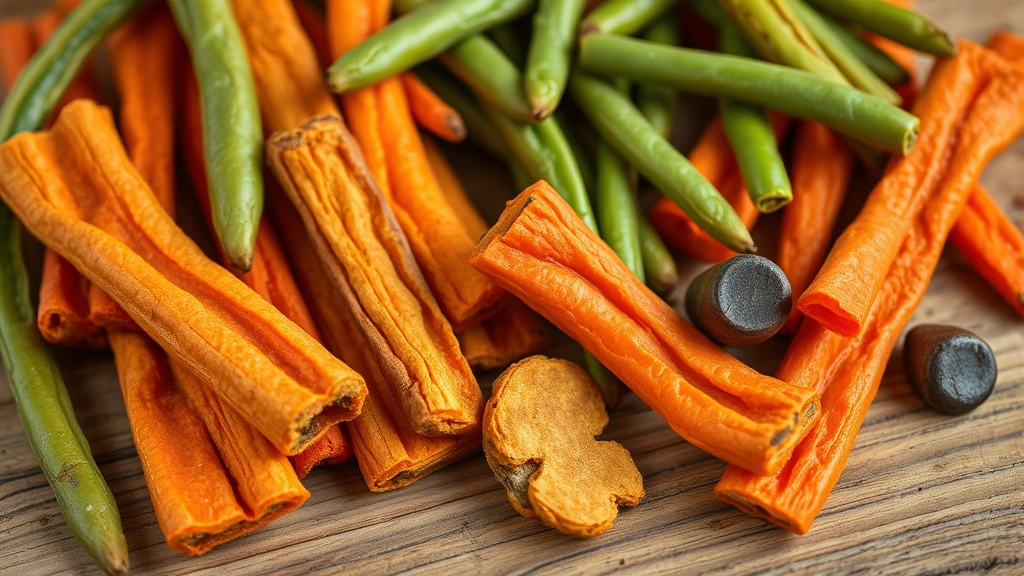
If you’re looking to upgrade your pet’s snack game, vegetable-based pet treats might just be the game-changer your furry friend needs. Gone are the days when treats meant empty calories and questionable ingredients that made you squint at the label. Today’s veggie-forward options pack serious nutritional punch while keeping tails wagging and whiskers twitching with joy.
Table of Contents
- Why Vegetable-Based Pet Treats Are Worth Your Attention
- Sweet Potato Chews: The Golden Standard
- Carrot Sticks and Frozen Carrot Treats
- Green Bean and Pea-Based Snacks
- Broccoli Bites: The Crunchy Option
- Pumpkin and Squash Treats for Digestive Support
- Reading Labels: What to Look For in Quality Vegetable Treats
- Introducing Vegetable Treats to Your Pet’s Diet
- Homemade Vegetable Treats: The DIY Approach
- Potential Considerations and Safety Tips
- Cost Comparison: Are Vegetable Treats Worth the Investment?
- Real Pet Success Stories with Vegetable Treats
- Frequently Asked Questions
- Conclusion: Making the Switch to Healthier Treats
Why Vegetable-Based Pet Treats Are Worth Your Attention
Let’s be real—most traditional pet treats are basically the junk food aisle of the pet world. They’re loaded with fillers, artificial flavors, and enough preservatives to make a chemistry textbook jealous. Vegetable-based pet treats flip the script entirely. They’re lower in calories, packed with fiber, and loaded with vitamins your pet actually needs. Plus, they’re gentler on the digestive system and won’t leave your pup with that dreaded treat breath.
The beauty of switching to vegetable-based options is that you’re not sacrificing taste or satisfaction. Modern pet food companies have figured out how to make broccoli, sweet potato, and carrots genuinely appealing to dogs and cats alike. Your pet gets the joy of a treat without you feeling guilty about what you’re feeding them.
Sweet Potato Chews: The Golden Standard
Sweet potato treats are basically the MVP of the vegetable-based pet treat world. They’re naturally sweet (so dogs go absolutely bonkers for them), packed with beta-carotene, and loaded with fiber that supports digestive health. These chews are perfect for extended chewing sessions, which means longer entertainment and better dental health.
What makes sweet potato chews stand out is their versatility. You can find them as simple dried strips, braided chews, or even mixed with other vegetables. They’re appropriate for dogs of all sizes and ages, making them a safe choice whether you’ve got a teething puppy or a senior dog with sensitive teeth. The natural sweetness means no artificial flavoring needed—just pure, wholesome goodness.
Carrot Sticks and Frozen Carrot Treats
Carrots are the underrated heroes of the vegetable-based pet treats category. Raw carrot sticks are practically free, incredibly healthy, and your dog’s teeth will thank you. The natural abrasiveness helps clean teeth while chewing, acting as a natural toothbrush. Plus, carrots are loaded with vitamin A and antioxidants.
For a more luxurious option, many brands now offer frozen carrot-based treats that are perfect for hot days. They’re refreshing, low-calorie, and provide mental stimulation as your pet works to melt and consume them. Some innovative companies even freeze carrots with a bit of coconut oil or plain yogurt for added appeal and nutritional value. This ties perfectly into maintaining a fresh food feeding routine for optimal pet health.
Green Bean and Pea-Based Snacks
Green beans and peas are nutritional powerhouses that often get overlooked in the treat department. These vegetables are rich in plant-based protein, fiber, and essential vitamins that support immune function and overall wellness. Green bean treats are particularly great for dogs watching their weight—they’re filling but incredibly low in calories.
Pea-based treats offer similar benefits with a slightly different flavor profile that many pets prefer. Some brands combine peas with other vegetables to create variety packs that keep things interesting. The best part? These treats are gentle enough for dogs with sensitive stomachs and don’t trigger the common allergies associated with grain-based treats.
Broccoli Bites: The Crunchy Option
Broccoli might not sound like a treat your dog would voluntarily eat, but freeze-dried broccoli bites are surprisingly popular. These crunchy morsels are packed with sulforaphane, a compound with potential anti-cancer properties. They’re also loaded with vitamin C and support healthy immune function.
The key to broccoli treats is the texture—when properly freeze-dried, they become incredibly crunchy and satisfying to munch on. Dogs love the auditory feedback of crunching, and you’ll love knowing you’re giving them something genuinely beneficial. Broccoli bites work wonderfully as part of a feeding enrichment toy strategy to keep your pet mentally stimulated during the day.
Pumpkin and Squash Treats for Digestive Support
Pumpkin treats deserve their own category because they’re basically digestive superheroes. Pumpkin is famous in the pet world for supporting healthy digestion, and when offered as a treat, it combines nutrition with enjoyment. These treats are particularly valuable for dogs with occasional digestive upset or those needing extra fiber.

Squash-based treats offer similar benefits with slightly different flavor notes. Some brands create layered treats combining pumpkin with other vegetables, creating interesting flavor combinations that keep pets engaged. The natural sweetness of pumpkin and squash means these treats appeal to even picky eaters, making them an excellent gateway into the world of vegetable-based pet treats.
Reading Labels: What to Look For in Quality Vegetable Treats
Not all vegetable-based pet treats are created equal. When you’re shopping, look for products with minimal ingredients—ideally just vegetables and maybe a binding agent like sweet potato starch. Avoid anything with artificial colors, flavors, or preservatives. The ingredient list should be short enough that you recognize everything on it.
Check for certifications from organizations like the AAFCO (Association of American Feed Control Officials) to ensure the product meets nutritional standards. Pay attention to sourcing information—treats made from vegetables grown without pesticides are preferable. Also, consider the treat’s caloric content, especially if your pet is on a pet portion control plan. Treats should comprise no more than 10% of your pet’s daily caloric intake.
Introducing Vegetable Treats to Your Pet’s Diet
If your pet is accustomed to traditional treats, transitioning to vegetable-based options requires a gentle approach. Start by mixing small pieces of vegetable treats with their regular treats, gradually increasing the ratio over a week or two. This prevents digestive upset and gives your pet time to adjust to the new flavors and textures.
Some pets take to vegetable treats immediately, while others need a bit of convincing. Try different varieties to find what resonates with your individual pet. A dog who turns their nose up at broccoli might go crazy for sweet potato. Patience and experimentation are key. You might also consider incorporating these treats into a rotating protein sources strategy to provide dietary variety and prevent food boredom.
Homemade Vegetable Treats: The DIY Approach
If you want complete control over what goes into your pet’s treats, making them at home is surprisingly simple. Slice vegetables like sweet potato, carrot, or green beans, arrange them on a baking sheet, and dehydrate them in a low oven (around 250°F) for several hours until they’re completely dry and crunchy.
Homemade treats are cost-effective, customizable, and give you absolute certainty about ingredient quality. You can experiment with combinations your pet loves, create treats specifically tailored to their dietary needs, and avoid any additives or preservatives. Store them in an airtight container, and they’ll last for weeks. This approach pairs beautifully with limited ingredient diet timing for pets with specific nutritional requirements.
Potential Considerations and Safety Tips
While vegetable-based pet treats are generally safe, a few vegetables should be avoided entirely. Onions, garlic, grapes, and raisins are toxic to dogs and cats, so never include these in homemade treats. Always introduce new treats gradually and monitor your pet for any adverse reactions, including digestive upset or allergic responses.
Some pets may have specific vegetable sensitivities, so pay attention to how your individual animal responds. If your pet has underlying health conditions, consult with your veterinarian before making significant dietary changes. Pregnant or nursing pets, puppies, and senior animals may have different nutritional needs that should be discussed with a vet.
Cost Comparison: Are Vegetable Treats Worth the Investment?
You might assume that healthier treats cost significantly more, but vegetable-based options are often competitively priced with traditional treats. When you factor in the health benefits—better digestion, healthier teeth, improved energy levels, and reduced vet visits for diet-related issues—the investment becomes even more attractive.
Homemade vegetable treats are particularly cost-effective. A few dollars worth of vegetables can yield weeks of treats. Even premium commercial vegetable-based treats often cost less than specialty treats loaded with meat by-products and artificial ingredients. Think of it as preventative healthcare—small investments now can save significant veterinary bills down the road.
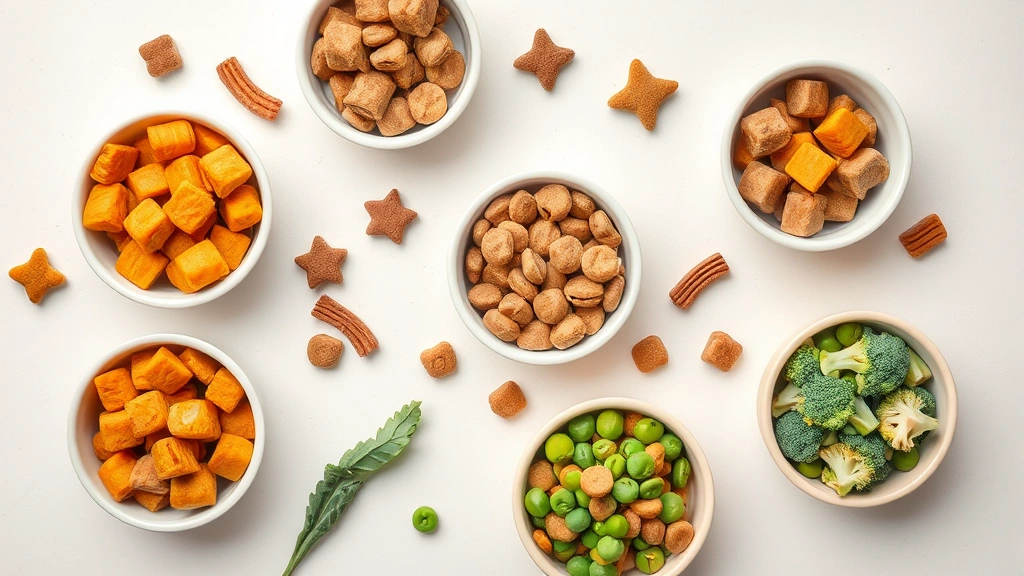
Real Pet Success Stories with Vegetable Treats
Pet owners across the country have reported remarkable transformations after switching to vegetable-based treats. Dogs with chronic digestive issues have experienced relief, overweight pets have achieved healthier weights without feeling deprived, and picky eaters have become enthusiastic about snack time. Cats, often considered more finicky, have surprised their owners by enthusiastically consuming freeze-dried vegetable treats.
One common theme in success stories is improved energy levels and coat quality. Pets receiving nutrient-dense vegetable treats often display shinier coats, clearer eyes, and more vibrant personalities. These aren’t miraculous transformations but rather the natural result of providing proper nutrition in treat form.
Frequently Asked Questions
Are vegetable-based pet treats suitable for all ages?
Most vegetable-based treats are safe for all life stages, but always introduce new treats gradually. Puppies and senior pets may have specific nutritional needs, so consult your veterinarian before introducing new treats. Softer varieties like pumpkin treats work better for dogs with dental issues, while crunchy options suit healthy adult dogs.
Can cats eat vegetable-based pet treats?
Absolutely! While cats are obligate carnivores and shouldn’t eat primarily vegetables, they can enjoy vegetable-based treats in moderation. Many cats enjoy freeze-dried vegetables, particularly peas and carrots. However, ensure treats don’t exceed 10% of your cat’s daily caloric intake and maintain their primary diet focused on protein sources.
How should I store vegetable-based pet treats?
Store commercial treats according to package instructions, typically in a cool, dry place away from direct sunlight. Homemade treats should be stored in airtight containers and will last 2-4 weeks at room temperature or longer in the refrigerator. If treating them like fresh food, refrigeration is safest for longevity.
What’s the difference between freeze-dried and dehydrated vegetable treats?
Freeze-dried treats undergo a process that removes water while preserving nutrients and creating a light, crunchy texture. Dehydrated treats are slowly dried using heat, which can slightly reduce some heat-sensitive nutrients but still maintains overall nutritional value. Both are excellent options; choose based on your pet’s texture preferences.
Can vegetable treats help with weight management?
Yes! Vegetable-based treats are naturally low in calories while being filling due to high fiber content. They’re excellent for weight management because they provide the satisfaction of a treat without excess calories. This makes them perfect for pets on portion-controlled diets or those needing to lose weight.
Are there any vegetables I should avoid in pet treats?
Never use onions, garlic, grapes, raisins, avocado, or macadamia nuts in pet treats—these are toxic to dogs and cats. Chocolate, xylitol, and caffeine are also dangerous. Stick to safe vegetables like sweet potato, carrot, green beans, peas, pumpkin, and squash.
Conclusion: Making the Switch to Healthier Treats
Switching to vegetable-based pet treats represents a meaningful investment in your pet’s long-term health and happiness. These treats offer genuine nutritional benefits, support digestive health, maintain dental wellness, and satisfy your pet’s snacking desires without guilt. Whether you choose commercial options or create homemade treats, you’re providing something genuinely beneficial to your beloved companion.
The variety available in today’s market means you can find options that match your pet’s preferences and your lifestyle. From simple carrot sticks to sophisticated pumpkin and squash combinations, vegetable-based pet treats prove that healthy eating doesn’t mean sacrificing enjoyment. Start exploring options, observe what your pet loves, and enjoy the peace of mind that comes from knowing exactly what you’re feeding your furry friend. Your pet’s health—and their enthusiastic response to these tasty treats—will thank you.





