
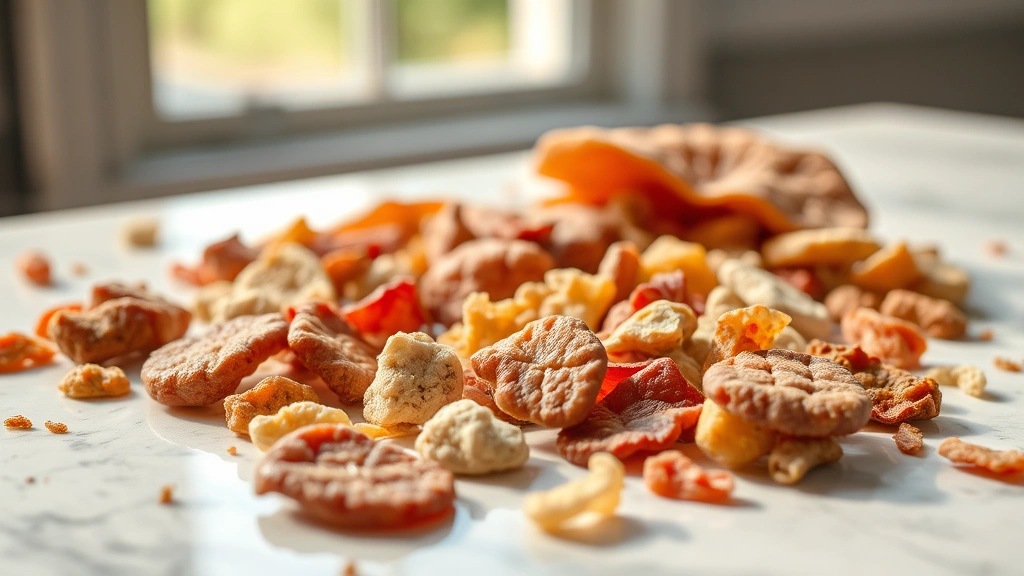
If you’re tired of flipping treat packages over like you’re reading ancient hieroglyphics trying to decode what the heck your dog is actually eating, single-ingredient natural treats are about to become your new best friend. These simple, no-nonsense snacks contain exactly one ingredient—just meat, fish, or plant matter—and nothing else. No mystery meat by-products, no artificial flavors, no ingredients that require a chemistry degree to pronounce. Your pet gets pure nutrition without the guilt trip.
Table of Contents
- Why Single-Ingredient Treats Are a Game-Changer for Pet Health
- Freeze-Dried Meat: The Protein Powerhouse
- Dehydrated Fish: Omega-3 Powerhouses for Shiny Coats
- Single-Ingredient Jerky: Chewy Satisfaction Without the Junk
- Raw and Frozen Organ Meats: Nutrient Density at Its Peak
- Vegetable-Based Single-Ingredient Treats for Variety
- What to Look for When Buying Single-Ingredient Natural Treats
- Storage and Safety Considerations
- Single-Ingredient Treats vs. Limited-Ingredient Formulas
- Budget-Friendly Ways to Source Single-Ingredient Treats
- Frequently Asked Questions
- The Bottom Line: Simple is Better
Why Single-Ingredient Treats Are a Game-Changer for Pet Health
Let’s be real: most commercial treats are basically junk food for pets. They’re packed with fillers, preservatives, and artificial flavors that do absolutely nothing for your furry friend’s wellbeing. Single-ingredient natural treats flip the script entirely. When you give your pet a treat with just one ingredient, you know exactly what’s going into their body. This is especially crucial for pets with sensitive stomachs or allergies. If your dog reacts badly, you don’t have to play detective trying to figure out which of the 47 ingredients caused the problem. It was that one ingredient. Done.
These treats also align perfectly with limited ingredient diet timing strategies, making them ideal for pets transitioning to specialized diets or those with digestive concerns.
Freeze-Dried Meat: The Protein Powerhouse
Freeze-dried meat treats are basically the superhero of the single-ingredient world. Manufacturers take raw meat—beef, chicken, turkey, lamb, or fish—and remove all the moisture through a special freezing process. What you get is pure, concentrated protein that’s shelf-stable and packed with nutrients. Your pet gets the nutritional benefits of fresh meat without any of the spoilage concerns.
The best part? Freeze-dried meat treats are incredibly palatable. Dogs and cats go absolutely bonkers for them. They’re also perfect for training because they’re easy to break into smaller pieces and won’t leave your hands covered in mystery grease. Plus, they’re fantastic for coat health feeding routines since the high protein content supports skin and fur quality.
Dehydrated Fish: Omega-3 Powerhouses for Shiny Coats
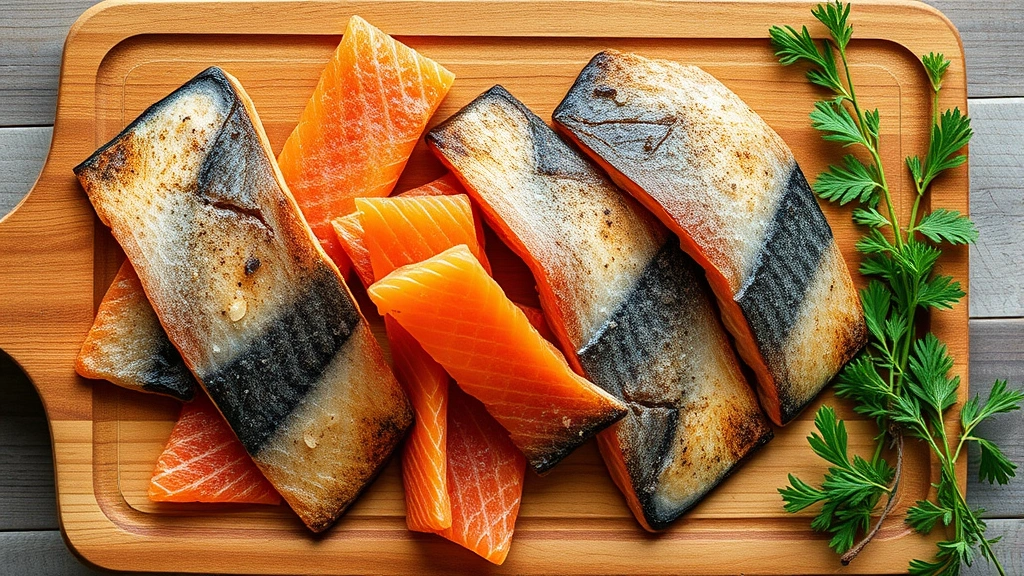
If your pet’s coat looks like it survived a tumble dryer, dehydrated fish treats might be exactly what you need. Fish like salmon, anchovies, and sardines are loaded with omega-3 fatty acids that promote healthy skin and a glossy coat. Dehydrated fish treats are just that—whole fish with the water removed. No additives, no processing beyond gentle drying.
The smell? Yeah, it’s… robust. Your house might temporarily smell like a fishing dock during low tide, but your pet won’t care one bit. They’ll consider it the most amazing aroma ever created. These treats are also excellent for pets with feeding pets with IBD concerns, as fish is often well-tolerated and easier to digest than some meat proteins.
Single-Ingredient Jerky: Chewy Satisfaction Without the Junk
Pet jerky made from a single meat source is basically the canine equivalent of beef jerky for humans—except without the salt overload. These treats are typically made from strips of meat that are gently dehydrated to create a chewy texture that pets absolutely love. Whether it’s beef, chicken, turkey, or even venison, jerky keeps pets entertained for longer than freeze-dried options, making it great for boredom prevention.
The chewing action also provides mild dental benefits, helping to reduce tartar buildup naturally. Plus, jerky treats are portable and don’t require refrigeration, making them perfect for travel or trips to the park.
Raw and Frozen Organ Meats: Nutrient Density at Its Peak
This might sound intense, but raw or frozen organ meats like beef liver, chicken hearts, and beef kidneys are nutritional powerhouses. They’re incredibly nutrient-dense, packed with vitamins, minerals, and amino acids that support overall health. Many pet parents who follow raw feeding philosophies swear by organ meats as treats.
The key here is sourcing from reputable suppliers who follow proper food safety protocols. When handled correctly, these treats can significantly boost your pet’s nutritional intake. They’re particularly beneficial for pets dealing with sensitive stomach supplements needs, as organ meats are often easier to digest than muscle meat alone.
Vegetable-Based Single-Ingredient Treats for Variety
Not every single-ingredient treat needs to be meat-based. Dehydrated sweet potato, pumpkin, and carrot treats are legitimate single-ingredient options that many pets enjoy. These are perfect for pets who need lower-protein options or for mixing into a treat rotation to provide variety.
Sweet potato treats, in particular, are rich in fiber and beta-carotene, supporting digestive health and vision. They’re also naturally sweet, so pets find them satisfying without any added sugars. Just make sure any vegetable treats you choose are actually single-ingredient—no added oils, seasonings, or preservatives.
What to Look for When Buying Single-Ingredient Natural Treats
Not all treats labeled “natural” are actually single-ingredient. Here’s what to check:
- The ingredient list: It should literally list one thing. If it says “chicken treat” and the ingredients are just “chicken,” you’re golden. If you see multiple items, it’s not truly single-ingredient.
- Processing method: Look for freeze-dried, dehydrated, or raw options. These preserve nutritional integrity better than heavily processed alternatives.
- Sourcing: Reputable brands provide information about where their ingredients come from. Country of origin matters.
- Certifications: Look for third-party testing or certifications from organizations like the AAFCO (Association of American Feed Control Officials).
- Packaging: Treats should be packaged in ways that prevent contamination and preserve freshness without requiring artificial preservatives.
Storage and Safety Considerations
Single-ingredient treats, especially raw and frozen options, require proper storage. Keep freeze-dried and dehydrated treats in cool, dry places away from moisture. Raw or frozen options need to stay frozen until use and should be thawed properly before serving. Always check expiration dates and discard treats that show signs of spoilage, mold, or off-smells.
Introduce new treats gradually to avoid digestive upset, especially if your pet has a sensitive stomach. Start with small portions and monitor for any adverse reactions.
Single-Ingredient Treats vs. Limited-Ingredient Formulas
It’s important to understand the difference between single-ingredient treats and limited-ingredient treats. Limited-ingredient treats might have two to five ingredients, all clearly listed and generally recognizable. They’re still excellent choices and often easier to find than true single-ingredient options. Both serve the same purpose of reducing potential allergens and irritants, but single-ingredient treats offer maximum transparency and simplicity.
For pets with severe allergies or sensitivities, single-ingredient is the way to go. For others, limited-ingredient options provide good quality with slightly more variety.
Budget-Friendly Ways to Source Single-Ingredient Treats
Yes, quality single-ingredient treats can be pricey, but there are ways to make them more affordable. Buy in bulk when possible, look for sales at specialty pet stores, and consider making your own. Dehydrating chicken breast or beef strips at home using a food dehydrator is surprisingly simple and significantly cheaper than store-bought options. You maintain complete control over sourcing and quality while saving money.

Some pet parents also buy in-season and freeze organ meats from local butchers, which is often cheaper than pre-packaged options and supports local businesses.
Frequently Asked Questions
Are single-ingredient treats safe for all pets?
Single-ingredient treats are generally safe, but individual pets have individual needs. Puppies, senior pets, and those with specific health conditions should have treats approved by a veterinarian first. Always introduce new treats gradually and monitor for reactions.
Can I give my cat single-ingredient treats?
Absolutely. Cats often prefer single-ingredient meat treats over anything else. Freeze-dried chicken, turkey, and fish are particularly popular with felines. Avoid plant-based options for cats, as they’re obligate carnivores.
How often can I give my pet single-ingredient treats?
Treats should comprise no more than 10% of your pet’s daily caloric intake. For most pets, this means a few treats per day is appropriate. Adjust portions based on your pet’s size and overall diet.
What’s the difference between freeze-dried and dehydrated treats?
Freeze-dried treats use a special freezing process that removes moisture while preserving nutrients and texture. Dehydrated treats use heat to remove moisture. Both are shelf-stable, but freeze-dried options typically retain more nutrients and have a crunchier texture.
Are single-ingredient treats good for dental health?
Chewy treats like jerky provide some dental benefits through the chewing action, which helps reduce tartar. However, they’re not a substitute for proper dental care. Crunchy options like dehydrated vegetables provide more dental benefit than soft treats.
Can I use single-ingredient treats for training?
Yes, they’re excellent for training. Freeze-dried meat breaks into small pieces easily, making it perfect for reward-based training without overfeeding your pet.
The Bottom Line: Simple is Better
In a world of complicated pet food labels and mysterious ingredients, single-ingredient natural treats represent a return to simplicity. Your pet gets pure nutrition, you get complete transparency, and everyone’s happy. Whether you choose freeze-dried meat, dehydrated fish, or homemade jerky, you’re making a choice that prioritizes your pet’s health and wellbeing. Start exploring these options today, and watch your pet’s enthusiasm for treat time reach new heights. Your pet will thank you—probably by doing that adorable treat dance they do.
For pets with more complex dietary needs, consider pairing single-ingredient treats with small animal probiotics and maintaining pet food consistency in their overall nutrition plan.





