

When your furry best friend gets diagnosed with heart disease, human foods for pets with heart disease become one of your most powerful tools for managing their condition. But here’s the thing—not all table scraps are created equal, and some can actually make your pet’s heart work harder. Let’s dig into what your cardiac canine or feline friend can actually eat without triggering a vet emergency.
Table of Contents
- Understanding Cardiac Diets: Why Food Matters So Much
- Low-Sodium Proteins: The Heart-Healthy Superstars
- Heart-Healthy Vegetables Your Pet Can Enjoy
- Omega-3 Rich Foods: Nature’s Anti-Inflammatory Medicine
- Fruits That Support Cardiac Health (In Moderation)
- Foods to Absolutely Avoid with Cardiac Pets
- Meal Planning and Portion Control Strategies
- Creating Homemade Cardiac Meals: When and How
- Supplements and Special Considerations
- Monitoring Your Pet’s Response to Dietary Changes
- Real-World Success Stories and What Works
- Frequently Asked Questions
- Conclusion: Nourishing Your Pet’s Heart One Meal at a Time
Understanding Cardiac Diets: Why Food Matters So Much
Your pet’s heart is basically a muscle that pumps blood, and when it’s struggling, every nutrient counts. The right diet can literally extend your pet’s lifespan and improve their quality of life. Heart disease in pets typically means managing sodium intake, controlling weight, and ensuring they get the right balance of omega-3 fatty acids and taurine (especially crucial for cats). Think of diet as preventive medicine that works 24/7.
Before introducing any human foods, always consult with your veterinarian or a veterinary cardiologist. They can assess your pet’s specific condition and recommend what works best for their unique situation. This is especially important if your pet is already on prescription diet feeding protocols.
Low-Sodium Proteins: The Heart-Healthy Superstars
Protein is essential for maintaining muscle mass in cardiac pets, but here’s the catch—you need lean proteins without added salt. Chicken breast (skinless and unseasoned) is like the golden ticket of pet nutrition. Boil it plain, cut it into bite-sized pieces, and your dog or cat gets pure protein without sodium bombs.
Turkey is another excellent option, though ground turkey can be fattier than breast meat. Fish like salmon provides those omega-3 fatty acids your pet’s heart desperately needs. Just keep portions small—we’re talking about supplementing their diet, not replacing it entirely. A palm-sized portion a few times weekly is ideal.
Lean beef works too, but trim all visible fat first. Heart disease and excess fat are like enemies in a buddy cop movie—they don’t work well together. Ground beef should be drained thoroughly if you cook it.
Heart-Healthy Vegetables Your Pet Can Enjoy
This is where things get fun because vegetables are basically nature’s medicine cabinet with zero sodium guilt. Sweet potatoes (cooked and unseasoned) are packed with potassium, which supports cardiac function. Green beans are low-calorie, nutrient-dense, and most pets find them acceptable (though some will judge you for offering vegetables).
Carrots provide fiber and are great for dental health too. Pumpkin (plain, not pie filling) helps with digestion and contains heart-supporting nutrients. Spinach and kale are nutrient powerhouses, though spinach contains oxalates so moderation is key. Broccoli in small amounts offers antioxidants, but too much can cause digestive upset.
Avoid onions, garlic, and avocado like they’re contagious—they’re genuinely toxic to pets. Grapes and raisins are also absolute no-nos. When in doubt, if it’s in the allium family or you’re unsure, skip it.
Omega-3 Rich Foods: Nature’s Anti-Inflammatory Medicine
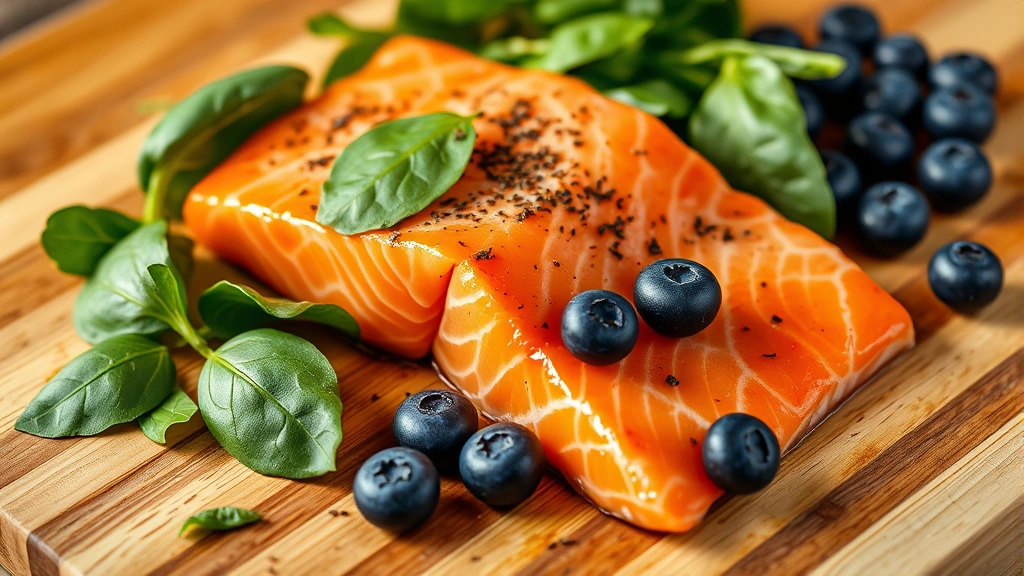
Omega-3 fatty acids reduce inflammation and support heart health like few other nutrients can. Salmon is your best friend here—it’s got EPA and DHA that literally help cardiac tissue function better. A small piece of cooked salmon (no seasoning, no skin if possible) once or twice weekly can make a real difference.
Sardines packed in water (not oil or salt) are another option, though the smell might clear your kitchen. Mackerel works similarly to salmon. If your pet won’t eat fish, consider fish oil alternatives for pets that can be drizzled on food.
Flaxseeds contain ALA (a plant-based omega-3), but pets convert it less efficiently than marine sources. Still, ground flaxseed mixed into food provides some benefit. Just remember: more isn’t better. A teaspoon mixed into food is sufficient.
Fruits That Support Cardiac Health (In Moderation)
Blueberries are antioxidant superstars and most pets tolerate them well. Apples (seeds removed—they contain cyanogenic compounds) provide fiber and nutrients. Watermelon (seedless, no rind) is mostly water and great for hydration in summer months. Bananas offer potassium but are high in sugar, so use sparingly.
Strawberries, raspberries, and blackberries are all acceptable in small quantities. The key word here is moderation—fruits are treats, not meal components. A few berries as a reward is perfect; a bowl of fruit salad is not.
Foods to Absolutely Avoid with Cardiac Pets
Salt is enemy number one. This means no processed human foods, no deli meats (even low-sodium versions are problematic), and no seasoned anything. Your pet’s kidneys and heart are already working overtime; don’t add sodium stress.
Fatty foods are second on the hit list. Bacon, sausage, cheese, cream, and fatty cuts of meat stress the cardiovascular system. High-fat diets contribute to obesity, which compounds heart disease. It’s tempting to share your breakfast bacon, but your pet’s future self will thank you for restraint.
Chocolate, caffeine, alcohol, and xylitol (artificial sweetener) are toxic. Salty snacks like chips and pretzels are absolute no-nos. Anything with garlic or onion powder is off-limits. If you wouldn’t give it to a newborn human, seriously reconsider giving it to your pet.
Meal Planning and Portion Control Strategies
Your cardiac pet’s diet should be 80-90% their prescribed veterinary diet and 10-20% supplemental human foods. This ensures they get complete nutrition while enjoying variety. Work with your vet to establish a feeding schedule that maintains stable weight—obesity is one of the biggest cardiac risk factors.
If your pet has congestive heart failure specifically, sodium restriction becomes even more critical. Some vets recommend rotating protein sources to prevent food sensitivities while maintaining nutritional variety.
Measure portions carefully. A cardiac pet doesn’t need large meals; smaller, more frequent meals actually reduce cardiac workload. Three small meals daily is often better than two large ones. Keep a food journal to track what your pet eats and how they respond.
Creating Homemade Cardiac Meals: When and How
Some pet parents want to prepare homemade meals for cardiac pets. This is possible but requires veterinary oversight—homemade diets are notoriously unbalanced unless formulated by a veterinary nutritionist. If you’re interested, consult about homemade diet supplements for pets that ensure nutritional completeness.
Never go rogue and create your own cardiac diet without professional guidance. Your pet needs specific calcium-to-phosphorus ratios, adequate taurine (especially for cats), proper vitamin E, and balanced micronutrients. A vet nutritionist can create a recipe that hits all these targets.
If you do prepare food at home, cook without salt, avoid oils, and include appropriate supplements. Your vet should review the recipe before you implement it long-term.
Supplements and Special Considerations
Taurine is non-negotiable for cats with heart disease—it’s literally life-saving. Many commercial cat foods are taurine-supplemented, but confirm this with your vet. Dogs can synthesize taurine, but some cardiac dogs benefit from supplementation too.
Coenzyme Q10 (CoQ10) has research supporting its use in cardiac support. L-carnitine aids heart muscle function. Hawthorn berry is a traditional herbal support for cardiac health. These should only be added under veterinary guidance—interactions with medications are possible.
Probiotics support gut health, which indirectly supports overall health including cardiac function. A quality probiotic formulated for pets can be beneficial, especially if your pet takes antibiotics or has digestive sensitivity.
Monitoring Your Pet’s Response to Dietary Changes
After introducing new human foods, watch for changes in energy level, appetite, weight, breathing patterns, and exercise tolerance. Some pets respond immediately to dietary improvements; others take weeks to show benefits.
Schedule regular check-ups with your veterinarian—ideally every 3-6 months for cardiac pets. They’ll monitor heart function, adjust medications if needed, and evaluate whether your current diet strategy is working. Blood work can reveal how your pet’s kidneys and liver are handling the diet.
Weight management is critical. A cardiac pet should maintain ideal body weight—overweight pets have significantly worse prognoses. If your pet gains weight despite dietary efforts, discuss with your vet about caloric adjustments or underlying metabolic issues.

Real-World Success Stories and What Works
Many pet parents report that their cardiac dogs thrive when given small portions of lean chicken, sweet potato, and green beans alongside their prescription diet. Cats often do well with small amounts of cooked salmon or turkey. The consistency and routine seem to matter as much as the specific foods.
One thing successful pet parents do: they don’t try to make up for their pet’s illness with excessive treats. Instead, they focus on quality nutrition and appropriate portion sizes. Your pet doesn’t need five different human foods daily; they need consistency and balance.
Keep a record of what works. Some pets tolerate certain foods beautifully while others develop sensitivities. Your detailed observations help your vet fine-tune recommendations and catch problems early.
Frequently Asked Questions
Can I give my heart disease pet regular dog or cat food?
Regular commercial pet food often contains too much sodium for cardiac pets. Prescription veterinary diets are specifically formulated with lower sodium, appropriate protein levels, and heart-supporting nutrients. Your vet will recommend the best option for your pet’s specific cardiac condition.
How much human food should a cardiac pet eat daily?
Generally, human foods should comprise no more than 10-20% of your pet’s daily caloric intake, with the remaining 80-90% coming from their prescribed veterinary diet. Exact amounts depend on your pet’s weight, condition severity, and individual tolerance. Your vet can calculate specific portions.
Are there human foods that can harm a pet with heart disease?
Yes—sodium is the primary concern, making processed foods, deli meats, and seasoned dishes problematic. High-fat foods stress the cardiovascular system. Toxic foods like chocolate, grapes, onions, and xylitol are absolute no-nos. Always check with your vet before introducing new foods.
Can dietary changes alone manage my pet’s heart disease?
Diet is crucial but typically works alongside medications. Heart disease usually requires medications like ACE inhibitors, diuretics, or beta-blockers. Diet supports these medications’ effectiveness and can slow disease progression, but won’t replace pharmaceutical treatment in most cases.
What’s the best protein for a cardiac pet?
Lean, unseasoned chicken breast is excellent for dogs. Fish like salmon provides both protein and beneficial omega-3 fatty acids. For cats, cooked turkey or salmon works well. The key is removing skin and fat, cooking without seasoning, and maintaining appropriate portion sizes.
Is salt-free broth safe for cardiac pets?
Yes, low-sodium or salt-free bone broth can be beneficial, providing hydration and some nutrients. However, ensure it’s truly sodium-free and doesn’t contain onion or garlic. You can use it to moisten dry food or serve as a light supplement to meals.
Conclusion: Nourishing Your Pet’s Heart One Meal at a Time
Feeding a pet with heart disease requires knowledge, consistency, and partnership with your veterinary team. Human foods for pets with heart disease can enhance quality of life and support medical treatment when chosen carefully and portioned appropriately. The foundation is always a veterinary-prescribed cardiac diet, supplemented thoughtfully with heart-healthy human foods like lean proteins, low-sodium vegetables, and omega-3 rich options.
Remember: your pet doesn’t need variety for happiness—they need stability and appropriate nutrition. Small portions of chicken, sweet potato, and green beans given consistently matter more than rotating through ten different foods. Work closely with your veterinarian, monitor your pet’s response carefully, and adjust as needed.
Your pet’s heart has already been through enough. Give it the nutritional support it deserves. For additional guidance on specialized feeding approaches, explore feeding pets with IBD for digestive considerations that may overlap with cardiac care, and consider scheduling a pet wellness exam via telehealth to discuss dietary adjustments with your vet from home.
The love you show through careful, informed feeding choices gives your cardiac companion the best chance at a longer, happier life together.





