
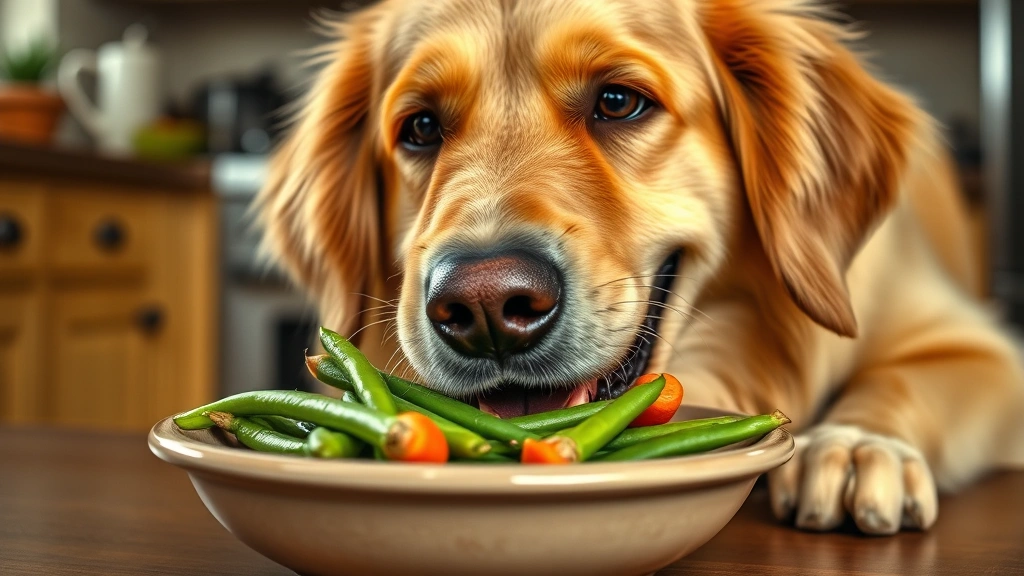
Let’s be real—watching your fluffy friend waddle around the house is cute until the vet drops the bomb: your pet is overweight. The good news? Human foods for weight management in pets can be a game-changer when you pick the right ones. Before you panic about your dog giving you those soul-crushing eyes at dinner time, know that there are actually some stellar human foods that can help your pet shed those extra pounds without feeling like they’re being punished.
Table of Contents
- Why Pet Weight Management Matters More Than You Think
- Green Beans: The Miracle Weight Loss Food
- Carrots: Crunchy, Satisfying, and Vet-Approved
- Lean Chicken Breast: Protein Without the Guilt
- Pumpkin Puree: The Digestive Game-Changer
- Apples and Berries: Sweet Treats That Won’t Wreck Progress
- Understanding Portion Control and Measurement
- Foods to Absolutely Avoid During Weight Loss
- Creating a Sustainable Weight Loss Plan
- Addressing Food Allergies During Weight Management
- The Importance of Not Underfeeding
- Tracking Progress and Adjusting as Needed
- Frequently Asked Questions
- The Bottom Line: Smart Choices Lead to Healthy Pets
The struggle is real. Your cat eyes you from the counter while you’re eating chicken. Your dog does that thing where they stare at your salad like it’s the most offensive thing you’ve ever prepared. But here’s the secret: some of those foods you’re eating can actually help your pet lose weight safely and sustainably. Let’s dive into the five best human foods that won’t sabotage your pet’s weight loss journey.
Why Pet Weight Management Matters More Than You Think
Before we get into the tasty stuff, let’s talk about why this matters. Overweight pets aren’t just a cosmetic issue—they’re at higher risk for diabetes, joint problems, heart disease, and a shorter lifespan. That’s the serious stuff nobody wants to hear, but it’s the reality. The CDC reports that pet obesity affects millions of animals annually, and the trend keeps climbing.
The good news is that decreasing pet food intake combined with strategic human food choices can create a sustainable weight loss plan. You don’t have to starve your pet or make them miserable. You just need to be smarter about what goes in their bowl.
Green Beans: The Miracle Weight Loss Food
Here’s where it gets exciting. Green beans are basically the MVP of pet weight management. They’re low in calories, high in fiber, and most pets actually think they’re delicious. You can steam them, boil them, or even serve them raw (though cooked is easier on their digestive system).
The magic here? Green beans fill up your pet’s stomach without adding significant calories. A cup of green beans has roughly 30 calories, while the same amount of kibble might have 400+. You can literally replace 25% of your pet’s regular food with green beans and they’ll feel just as satisfied. It’s like the dietary equivalent of a magic trick.
Pro tip: Make sure they’re plain—no salt, no seasonings. Your pet doesn’t need sodium, and added ingredients can derail your weight management goals.
Carrots: Crunchy, Satisfying, and Vet-Approved
Carrots are another stellar choice for pet weight loss foods that actually taste good. Raw carrots are perfect because they’re crunchy, which means your pet gets that satisfying chewing experience. Plus, they’re great for dental health. Win-win.
One medium carrot contains about 25 calories and is packed with beta-carotene and fiber. Dogs especially go nuts for carrots, and you can freeze them for an even more satisfying treat. Frozen carrots also last longer in the mouth, which means more satisfaction for fewer calories.
The best part? Carrots are so low-risk that even if you overfeed them slightly, you’re not going to derail your pet’s progress. They’re basically nature’s guilt-free snack.
Lean Chicken Breast: Protein Without the Guilt
Now, if your pet is going to lose weight, they need adequate protein to maintain muscle mass. Lean chicken breast is perfect for this. Cook it plain—no seasoning, no skin, no bones. Just pure, simple protein.
A 3-ounce serving of cooked chicken breast has about 26 grams of protein and only 128 calories. This is crucial because when pets lose weight, you want them losing fat, not muscle. Protein keeps them feeling full longer and supports lean muscle maintenance.
You can incorporate this into your pet’s regular meals or use it as a special treat. Many pet owners find that adding small amounts of plain chicken breast to their pet’s regular food makes the meal feel more exciting while keeping calories in check. Check out our guide on rotating protein sources to learn how to diversify your pet’s diet safely.
Pumpkin Puree: The Digestive Game-Changer
Pumpkin puree (not pumpkin pie filling—that’s loaded with sugar) is basically a secret weapon for pet weight management. It’s high in fiber, low in calories, and most importantly, it helps with digestive health.
A quarter cup of plain pumpkin puree contains only 10 calories but provides significant fiber content. This fiber helps your pet feel fuller longer, which means they’re less likely to be constantly begging for food. It also supports healthy digestion, which is crucial when you’re changing your pet’s diet.
The best part? You can mix it directly into your pet’s regular food, and they usually don’t even notice. It’s like sneaking vegetables into a kid’s spaghetti sauce, except your pet actually benefits from it.
Apples and Berries: Sweet Treats That Won’t Wreck Progress
Your pet doesn’t need candy, but they do enjoy treats. Apples (without seeds) and berries like blueberries are perfect for satisfying that sweet tooth without derailing weight loss. A small apple slice has about 4 calories, and a handful of blueberries has roughly 15 calories.
These fruits are packed with antioxidants and vitamins, so you’re not just giving your pet empty calories. You’re actually providing nutritional value. Plus, the natural sweetness feels like a reward, which is psychologically important for your pet (and let’s be honest, for you too).
Just remember: moderation. These should be occasional treats, not daily additions, since they do contain natural sugars.
Understanding Portion Control and Measurement
Here’s where a lot of people mess up their pet’s weight loss journey: they don’t actually measure anything. They just eyeball it and hope for the best. That doesn’t work. You need to be precise.
Learn more about measuring pet food to understand exactly how many calories your pet should be consuming daily. Your vet can calculate this based on your pet’s ideal weight, not their current weight. This is crucial.
When you’re incorporating human foods, you need to account for them in your pet’s daily calorie total. If your pet should eat 1,000 calories daily and you’re giving them 100 calories in human food treats, that means only 900 calories of regular kibble. It’s basic math, but it’s essential math.
Foods to Absolutely Avoid During Weight Loss
While we’re celebrating the good stuff, let’s talk about the foods that will absolutely torpedo your pet’s weight loss efforts. Anything with added sugars, salt, or fat is off-limits. That includes:
Bread, pasta, rice, and other carbs should be minimal or eliminated entirely. These empty calories add up fast and don’t provide satiety. Fatty meats, dairy products, and anything fried are also no-gos. Your pet doesn’t need a cheat day—they need consistency.
If you’re unsure about a specific food, check with your vet or look it up on the ASPCA’s toxic and non-toxic plants database.
Creating a Sustainable Weight Loss Plan
The best human foods for weight management in pets are only effective if they’re part of a comprehensive plan. This means regular exercise, consistent feeding schedules, and realistic expectations.
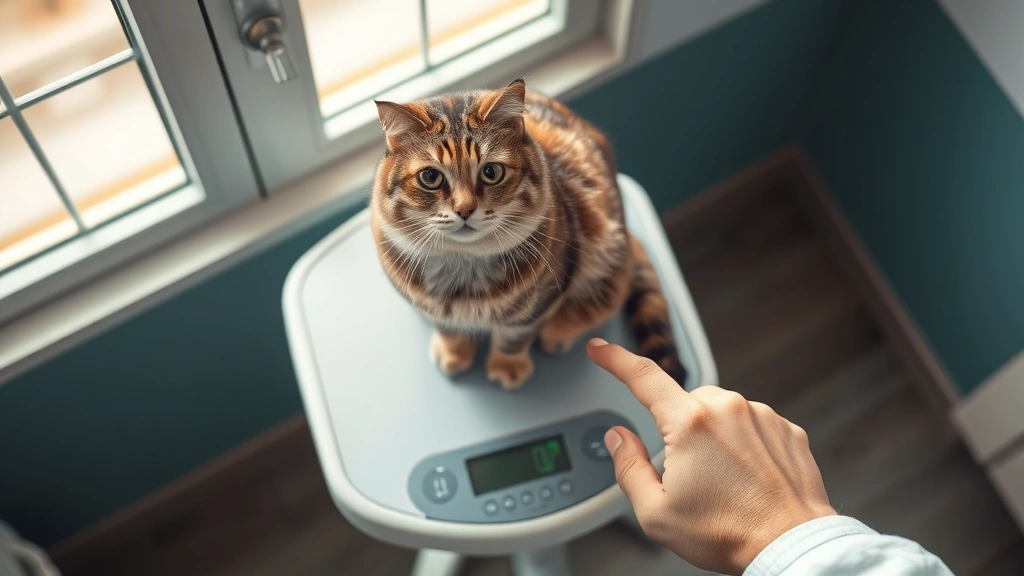
Weight loss should happen gradually—about 1-2% of body weight per week is ideal. Rapid weight loss can actually be dangerous for pets, causing liver issues and other complications. Slow and steady wins the race here.
Work with your vet to establish a plan. They can monitor your pet’s progress, adjust portions as needed, and catch any issues early. This isn’t something to wing.
Addressing Food Allergies During Weight Management
Some pets have food sensitivities that complicate weight management. If your pet has allergies, you need to be extra careful about introducing new foods, even human foods. Learn about food allergies and feeding routines to understand how to manage this safely.
Always introduce new foods slowly, one at a time, and watch for any adverse reactions. Just because a food is safe for most pets doesn’t mean it’s safe for yours.
The Importance of Not Underfeeding
Here’s a critical point that some well-meaning pet owners miss: you can’t starve your pet into weight loss. Underfeeding leads to malnutrition, behavioral issues, and can actually slow metabolism, making future weight loss harder.
The goal is to replace less nutritious foods with more nutritious, lower-calorie options—not to simply feed less. There’s a big difference. Check out our article on underfeeding pets to understand the risks and how to avoid them.
Tracking Progress and Adjusting as Needed
Weight loss isn’t linear. Your pet might lose 2 pounds one month and nothing the next, then lose 3 pounds the following month. This is normal. What matters is the overall trend.
Take photos monthly, measure your pet’s girth, and have regular weigh-ins at your vet’s office. These visual and measurable markers help you stay motivated and allow your vet to adjust the plan if progress stalls.
Frequently Asked Questions
Can I give my cat human foods for weight loss?
Absolutely, but cats are pickier than dogs. Lean chicken, small amounts of cooked fish, and some vegetables work well. Cats are obligate carnivores, so protein should be the focus. Always check with your vet before introducing new foods, especially since cats can be sensitive.
How quickly will my pet lose weight?
Healthy weight loss is typically 1-2% of body weight per week. A 50-pound dog losing 1-2 pounds weekly is on track. Faster weight loss can cause complications. Be patient—this is a marathon, not a sprint.
Are there any human foods that are toxic to pets?
Yes, several. Chocolate, grapes, raisins, onions, garlic, avocado, and xylitol (artificial sweetener) are all toxic. Stick to the foods we’ve mentioned and always verify with your vet or the PetMD toxic foods list before giving your pet anything new.
Should I eliminate treats entirely?
No. Treats are important for training and mental stimulation. Just make them count. Use the human foods we’ve discussed as treats instead of commercial pet treats, which are often high in calories and low in nutrition.
What if my pet has medical conditions?
This is where your vet becomes essential. Some conditions require specific diets. Never make changes without veterinary approval, especially if your pet has diabetes, kidney disease, or other chronic conditions.
Can I use these foods for both cats and dogs?
Most of them, yes, but in different amounts. Dogs can handle more variety, while cats need more protein-focused options. Portion sizes also differ significantly. Always adjust based on your specific pet’s needs.
The Bottom Line: Smart Choices Lead to Healthy Pets
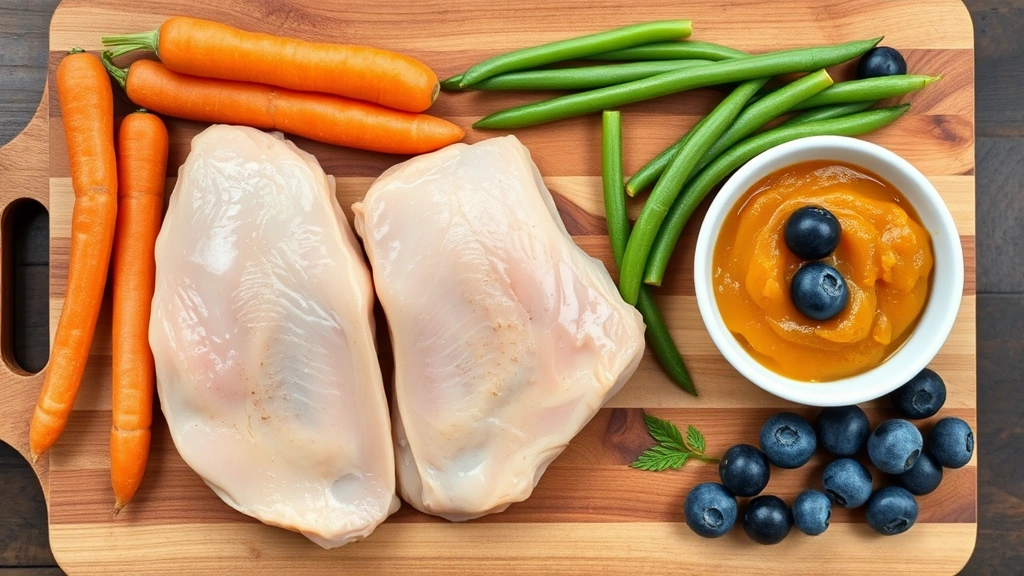
Your pet’s weight loss journey doesn’t have to be miserable or complicated. By incorporating the right human foods for weight management in pets—green beans, carrots, lean chicken, pumpkin puree, and fruits—you can help your furry friend reach a healthier weight while keeping them happy and satisfied.
The key is consistency, accurate measurement, veterinary guidance, and patience. Your pet didn’t gain weight overnight, and they won’t lose it overnight either. But with the right approach, you’re setting them up for a longer, healthier, more active life. And that’s worth every bit of effort.
Start with one food change, monitor your pet’s response, and gradually build a sustainable plan. Before you know it, your pet will be leaner, more energetic, and healthier overall. That’s the real reward—not just a slimmer pet, but a pet with more years ahead of them.





