
Let’s be honest—nobody wants to deal with a pet that has breath so bad it could knock over a fire hydrant. But here’s the thing: foods for dental health in pets aren’t just about fresh breath (though that’s definitely a bonus). Proper nutrition plays a massive role in keeping your furry friend’s teeth strong, gums healthy, and their overall smile intact. Think of it as preventative maintenance for your pet’s chompers—way better than dealing with expensive dental cleanings or extractions down the road.
Table of Contents
- Why Dental Health Matters More Than You Think
- The Science Behind Crunchy Foods and Dental Care
- Best Foods for Optimal Pet Dental Health
- The Role of Hydration in Dental Health
- Protein Variety and Oral Tissue Strength
- Foods to Avoid for Dental Protection
- Professional Guidance and Veterinary Recommendations
- Creating a Comprehensive Dental Care Strategy
- The Long-Term Benefits of Dental-Focused Nutrition
- Frequently Asked Questions
Why Dental Health Matters More Than You Think
Your pet’s teeth aren’t just for show. They’re essential tools for eating, playing, and yes, the occasional aggressive toy destruction. Poor dental health can lead to serious complications like periodontal disease, which doesn’t just affect the mouth—it can damage the heart, kidneys, and liver. Studies show that by age three, most dogs and cats have some form of dental disease. Scary, right? The good news is that strategic nutrition can help prevent these issues before they start.
The Science Behind Crunchy Foods and Dental Care
Here’s where it gets interesting. When your pet chews on crunchy kibble or raw bones, the mechanical action actually helps scrape away plaque and tartar buildup—kind of like nature’s toothbrush. Hard textures create friction against the tooth surface, which reduces bacterial accumulation. This is why dental health feeding practices often emphasize texture variety. But not all crunchy foods are created equal, and some are downright useless for dental purposes. We’re talking about those treats that dissolve instantly without any real chewing action.
Best Foods for Optimal Pet Dental Health
Let’s dive into the top choices that actually work for maintaining your pet’s dental hygiene:
1. Raw Meaty Bones
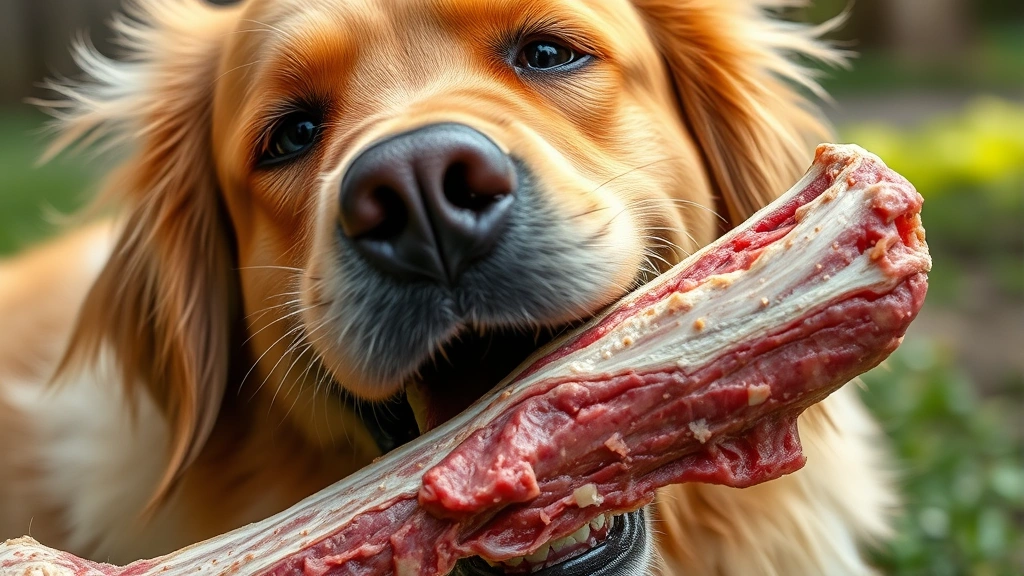
Raw bones (never cooked!) are nature’s original dental cleaner. The act of gnawing on a raw chicken neck or beef knuckle provides intense mechanical cleaning action. The meat fibers also contain natural enzymes that help fight bacteria. Just supervise your pet and choose appropriately sized bones for your animal.
2. High-Quality Dry Kibble
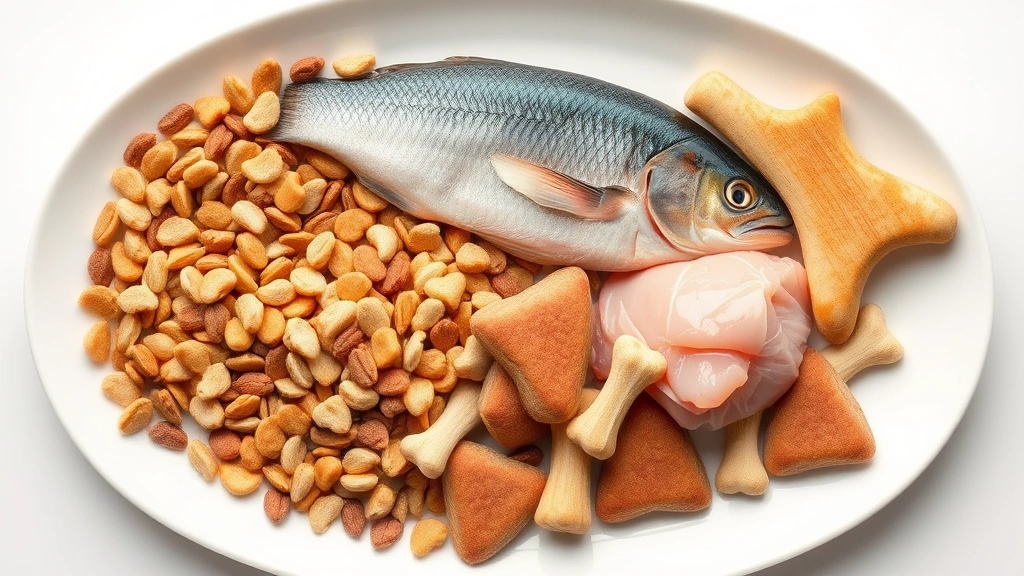
Not all kibble is equal when it comes to dental benefits. Look for premium brands with larger kibble sizes that require actual chewing. The friction generated during mastication helps maintain tooth surface integrity. When transitioning to a new kibble, follow a pet food transition schedule to avoid digestive upset.
3. Dental-Specific Treats
Veterinary dental treats are formulated with special textures and sometimes ingredients like seaweed that reduce plaque formation. Brands like Greenies or Virbac products are backed by research showing measurable plaque reduction. These aren’t just marketing fluff—they actually work when used consistently.
4. Carrots and Celery
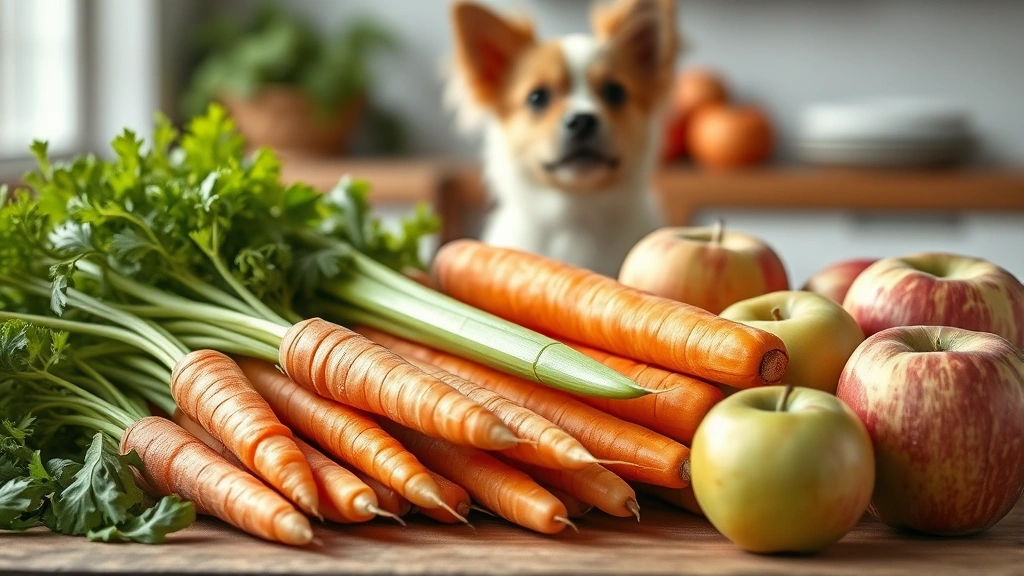
Raw vegetables offer dual benefits: they’re low-calorie, crunchy, and packed with nutrients. The natural abrasive action of chewing raw carrots helps clean teeth, plus they’re hydrating and contain vitamins that support gum health. Just cut them into appropriate sizes to prevent choking hazards.
5. Apples (Seedless)
When given in moderation, seedless apples provide a crunchy texture that cleans teeth naturally. They’re also low in calories and contain malic acid, which has mild antibacterial properties. Remove all seeds first, as they contain cyanogenic compounds.
6. Sweet Potatoes
Baked or raw sweet potatoes offer a firm texture that encourages chewing. They’re nutrient-dense and contain beta-carotene, which supports oral tissue health. The natural sweetness makes them appealing to most pets without being unhealthy.
7. Salmon and Fish-Based Foods
Fish contains omega-3 fatty acids that reduce inflammation in the gums and support overall oral tissue health. Incorporating fish into your pet’s diet through kibble or whole food sources provides anti-inflammatory benefits that extend beyond just dental care.
8. Leafy Greens
Spinach, kale, and other leafy greens are packed with minerals and vitamins that strengthen tooth enamel. They’re also low-calorie and provide a mild abrasive action. Mix them into meals or offer them as occasional treats.
9. Pumpkin
Rich in fiber and nutrients, pumpkin encourages chewing and supports digestive health simultaneously. The texture variation helps clean teeth while the nutritional profile supports overall wellness. Frozen pumpkin pubes can also serve as refreshing chew toys.
10. Poultry with Bones
Chicken or turkey with bones (raw, never cooked) provides excellent dental benefits. The bone structure requires significant chewing effort, and the marrow offers nutritional density. Always supervise and choose appropriately sized portions.
The Role of Hydration in Dental Health
Here’s something people often overlook: water intake directly affects oral health. Proper hydration helps produce saliva, which naturally cleanses the mouth and fights bacteria. Ensure your pet always has access to fresh, clean water. Some pets benefit from pet food supplement boosters that include hydration-supporting ingredients.
Protein Variety and Oral Tissue Strength
Different protein sources provide varying amino acid profiles that support oral tissue integrity. By rotating protein sources between chicken, beef, fish, and lamb, you ensure comprehensive nutritional support for dental structures. This variety also prevents food sensitivities and keeps meals interesting for your pet.
Foods to Avoid for Dental Protection
Just as important as knowing what to feed is knowing what to avoid. Soft, sticky foods like wet food alone don’t provide dental benefits—they actually contribute to plaque buildup. Sugary treats, starches, and highly processed foods promote bacterial growth and should be minimized. If your pet has a sensitive stomach feeding schedule, work with your vet to find dental-friendly options that won’t cause digestive issues.
Professional Guidance and Veterinary Recommendations
While nutrition is crucial, it’s not a complete replacement for professional dental care. The American Veterinary Dental College (AVDC) recommends annual dental exams for all pets, with more frequent cleanings for older animals or those with existing disease. Your veterinarian can recommend specific foods based on your pet’s individual needs, breed predispositions, and any existing dental conditions. According to the Association of American Feed Control Officials (AAFCO), pet foods meeting their standards provide baseline nutritional support, but dental-specific formulations offer additional benefits.
Creating a Comprehensive Dental Care Strategy
The best approach combines proper nutrition with other dental care practices. Regular brushing (daily is ideal, but several times weekly helps), appropriate toys, and professional cleanings work synergistically with dietary choices. Think of food as just one component of a multi-faceted dental health strategy. When you’re ready to make dietary changes, consult resources on the American Kennel Club (AKC) for breed-specific recommendations and guidance from PetMD for comprehensive pet health information.
The Long-Term Benefits of Dental-Focused Nutrition
Investing in proper nutrition for dental health pays dividends throughout your pet’s life. Pets with healthy teeth and gums live longer, experience fewer infections, and maintain better quality of life. They’re also more comfortable eating, which means better nutrition absorption overall. It’s a beautiful cycle of wellness that starts with making informed food choices.
Frequently Asked Questions
Can I give my pet cooked bones for dental health?
Absolutely not. Cooked bones splinter easily and can cause serious injuries to the digestive tract. Always offer raw, appropriately-sized bones under supervision. If you’re concerned about safety, consult your veterinarian about the best options for your specific pet.
How long does it take to see dental improvements from dietary changes?
Most pets show noticeable improvements in plaque reduction within 4-6 weeks of consistent dietary changes combined with proper chewing habits. However, significant reversal of existing dental disease requires professional intervention alongside nutrition optimization.
Are dental treats better than regular kibble for tooth health?
Dental-specific treats offer concentrated benefits, but high-quality kibble with appropriate texture provides consistent, daily benefits. The ideal approach combines both: quality kibble as the foundation with dental treats as supplementary support.
What if my pet has sensitive teeth or existing dental disease?
Pets with existing dental issues need modified approaches. Softer foods might be necessary initially, but work with your vet to gradually introduce crunchy options as healing occurs. Some foods that are normally beneficial might cause discomfort during active disease.
Can vegetables alone maintain my pet’s dental health?
While vegetables provide some dental benefits through texture and nutrients, they’re most effective as part of a comprehensive approach. Combining vegetables with appropriate protein sources, quality kibble, and professional care creates the strongest foundation for dental health.





