
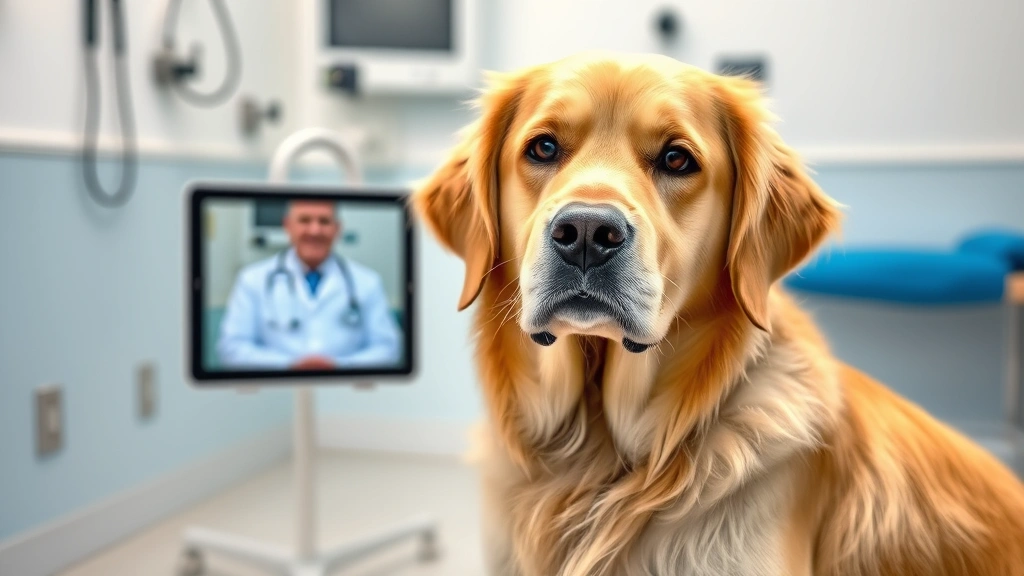
Getting online vet advice for food reactions has become a game-changer for pet parents who notice their furry friends suddenly acting like they’ve been poisoned by their kibble. One minute your dog is happily munching away, and the next they’re scratching like they’re auditioning for a flea circus, or their stomach sounds like a horror movie soundtrack. The good news? You don’t always need to panic or wait three weeks for an appointment. Let’s dive into how to navigate digital veterinary care when your pet’s digestive system decides to stage a rebellion.
Table of Contents
- Why Online Vet Advice for Food Reactions Matters More Than Ever
- Tip #1: Document Everything Before Your Virtual Consultation
- Understanding Common Pet Food Reaction Symptoms
- Tip #2: Choose the Right Platform for Your Online Vet Advice
- Tip #3: Know When Online Advice Isn’t Enough
- Tip #4: Implement Dietary Changes Based on Professional Guidance
- Tip #5: Leverage Telehealth for Follow-Up Care and Monitoring
- Building a Partnership with Your Online Veterinarian
- Red Flags: When to Escalate Beyond Online Advice
- The Cost-Benefit Reality of Online Vet Consultations
- Frequently Asked Questions
- Conclusion: Smart Pet Care in the Digital Age
Why Online Vet Advice for Food Reactions Matters More Than Ever
Gone are the days when you had to drag your pet to the clinic for every sneeze and stomach gurgle. With pet health consultation via video, you can get professional guidance from your couch while your pet sits on yours. This is especially crucial for food reactions because timing matters. The faster you identify what’s wrong, the faster you can make dietary adjustments and prevent things from getting worse.
Pet food allergies and intolerances affect roughly 10% of all dogs and cats, according to research from veterinary dermatology specialists. That’s a lot of itchy, uncomfortable animals out there. When your pet suddenly develops symptoms after eating something new, getting quick professional input can mean the difference between a minor adjustment and a trip to the emergency vet.
Tip #1: Document Everything Before Your Virtual Consultation
When you’re seeking pet symptom checker online guidance or scheduling a video call with a vet, show up prepared like you’re defending a thesis. Write down exactly what your pet ate, when they ate it, and when symptoms appeared. Was it a new treat? A different brand of kibble? That mysterious piece of chicken they stole off the counter?
Create a symptom timeline that includes:
- When itching or scratching started
- Vomiting or diarrhea frequency and consistency
- Changes in energy levels or appetite
- Skin redness, hives, or swelling
- Ear infections or excessive head shaking
- Any behavioral changes
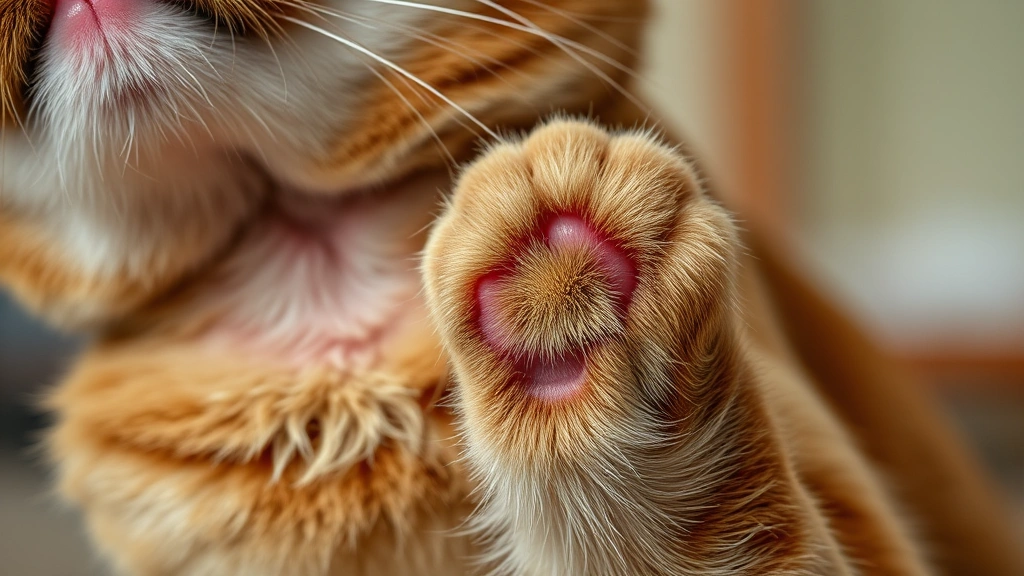
Photos and videos are your best friends here. A vet can’t physically examine your pet through a screen, so visual documentation of rashes, swelling, or other symptoms is absolutely invaluable. Record a quick video of your pet scratching or showing distress. It might feel silly, but it gives your veterinarian concrete evidence of what’s happening.
Understanding Common Pet Food Reaction Symptoms
Not all food reactions are created equal, and knowing the difference between an allergy and an intolerance can help you communicate better with your online veterinarian. Food allergies involve the immune system and typically show up as skin issues, ear infections, or chronic itching. Food intolerances, on the other hand, are digestive issues—think vomiting, diarrhea, and gas that could clear a room faster than a fire alarm.
According to the Association of American Feed Control Officials (AAFCO), the most common food allergens for dogs include beef, dairy, wheat, egg, chicken, and soy. Cats tend to react more to beef, fish, and chicken. When you’re describing symptoms to your online vet, be specific about which of these your pet consumed.
Tip #2: Choose the Right Platform for Your Online Vet Advice
Not all online veterinary services are created equal, and this matters when dealing with food reactions. You want a legitimate platform staffed by licensed veterinarians in your state, not some chatbot that tells you to “wait and see.” Look for services that offer pet medication advice online from board-certified vets with real credentials.
The best platforms allow you to:
- Upload photos and videos of your pet
- Have a real-time video consultation if needed
- Get follow-up advice if symptoms worsen
- Receive written documentation of the consultation
- Access your pet’s medical history
Avoid any service that promises to diagnose food allergies without examining your pet. A responsible vet will tell you that some cases need in-person evaluation or bloodwork. That’s actually a good sign—it means they’re being honest about the limitations of virtual care.
Tip #3: Know When Online Advice Isn’t Enough
Here’s the truth bomb: sometimes you need to see a vet in person. If your pet is showing signs of anaphylaxis (severe swelling of the face, difficulty breathing, collapse), you need an emergency vet NOW, not a video call. If symptoms persist despite dietary changes, or if your pet is losing weight and becoming lethargic, in-person diagnostics like bloodwork or elimination diets might be necessary.
Online vet advice for food reactions works best for initial assessment and guidance, but it’s not a replacement for proper diagnosis when things get complicated. Think of it as your first line of defense, not your only line of defense. A good online vet will tell you straight up if they think your pet needs hands-on evaluation.
Tip #4: Implement Dietary Changes Based on Professional Guidance
Once you’ve gotten advice from your online veterinarian, the real work begins. If they suspect a food reaction, you’ll likely need to try an elimination diet or switch to a limited ingredient formula. This is where feeding schedules for pets and careful meal planning become your new hobby.
An elimination diet involves feeding your pet a diet with ingredients they’ve never eaten before (novel proteins like duck, venison, or rabbit) for 8-12 weeks. You need to eliminate ALL treats, table scraps, and flavored medications during this time. It’s basically pet detective work, and it requires patience and precision.
According to PetMD, keeping a detailed food diary during this process helps identify triggers. Write down everything your pet eats and any symptoms that appear. This information becomes gold when you follow up with your vet.
Tip #5: Leverage Telehealth for Follow-Up Care and Monitoring
The beauty of online vet advice for food reactions is that follow-up becomes easier. After your initial consultation, you can schedule check-ins via video to monitor progress without the hassle of driving to the clinic. This is especially useful when you’re trying an elimination diet or waiting to see if symptoms improve.
Many vets now offer pet dermatology telehealth services specifically for skin and food-related issues. These specialists can provide detailed guidance on managing chronic food reactions and preventing future flare-ups. They can also help you understand whether your pet needs prescription diets, supplements, or medications to manage their condition long-term.
Regular follow-ups also help you catch any new symptoms early. If your pet develops a secondary ear infection from scratching, your vet can prescribe treatment before it becomes a bigger problem.
Building a Partnership with Your Online Veterinarian
The best outcomes happen when you treat your online vet like a partner, not a vending machine for answers. Be honest about your pet’s eating habits (yes, even if they’re sneaking food from the trash). Ask questions when you don’t understand something. Share updates about how your pet is responding to dietary changes.
Many pet owners find that having a consistent online vet they work with over time leads to better care. Your vet gets to know your pet’s history, quirks, and baseline health. This context is invaluable when dealing with recurring food reactions or complex cases.
Red Flags: When to Escalate Beyond Online Advice
Keep an eye out for these warning signs that warrant immediate in-person veterinary care:
- Severe allergic reactions (facial swelling, difficulty breathing)
- Persistent vomiting or diarrhea lasting more than 48 hours
- Blood in stool or vomit
- Severe lethargy or collapse
- Signs of dehydration (dry gums, sunken eyes)
- Inability to keep food down
- Symptoms that worsen despite dietary changes
Your online vet should be able to help you determine if your pet needs emergency care. If they ever seem dismissive of serious symptoms, that’s your cue to seek in-person evaluation immediately.

The Cost-Benefit Reality of Online Vet Consultations
Let’s talk money. Online vet consultations typically cost $30-$100, compared to $150-$300 for an in-person visit. For food reaction assessment and follow-up care, this savings adds up quickly. Plus, you’re not paying for parking, gas, or the emotional labor of wrangling your pet into a carrier.
However, if your pet needs bloodwork, skin scrapings, or other diagnostics, you’ll eventually need to visit a physical clinic. Think of online vet advice as a smart first step that can prevent unnecessary vet visits while ensuring you don’t miss cases that need hands-on care.
Frequently Asked Questions
Can a vet diagnose a food allergy online?
Not definitively. An online vet can help identify if a food reaction is likely and guide you through an elimination diet, but true diagnosis often requires bloodwork or an elimination diet trial conducted over weeks. However, online consultation is an excellent first step to rule out other causes and get professional guidance on next steps.
What should I feed my pet if they have a food reaction?
Your online vet will likely recommend a limited ingredient diet or novel protein formula while you investigate the trigger. Common options include venison, duck, lamb, or prescription diets. Always follow your vet’s specific recommendations rather than guessing, as you want to ensure nutritional completeness.
How long does it take to see improvement after changing food?
Skin symptoms can take 4-8 weeks to improve, while digestive symptoms might improve within days to weeks. This is why patience and detailed documentation are crucial. Some pets improve quickly, while others take longer depending on the severity of their reaction.
Is online vet advice reliable for food allergies?
Yes, when you’re using a legitimate service with licensed vets. Online advice is reliable for initial assessment, guidance, and follow-up monitoring. Just ensure your vet is licensed in your state and doesn’t make promises they can’t keep.
Can I get prescription diets recommended online?
Absolutely. Many vets can recommend and sometimes prescribe specialized diets through online consultations. Some prescription foods can be ordered directly through their online portal, making the process seamless.
Conclusion: Smart Pet Care in the Digital Age
Getting online vet advice for food reactions is a practical, affordable way to address one of the most common pet health issues. By documenting symptoms thoroughly, choosing reputable platforms, knowing when to escalate to in-person care, and maintaining open communication with your veterinarian, you can navigate food reactions confidently.
The key is treating online vet advice as your first line of defense—not your only line. Use it for quick assessments, follow-up monitoring, and guidance on dietary management. When symptoms suggest something more serious or complex, don’t hesitate to seek in-person evaluation. Your pet’s comfort and health are worth the extra effort, and most vets appreciate when pet parents take a proactive, informed approach to their animal’s care.
Remember, the goal isn’t to become a veterinarian yourself. It’s to be an informed, engaged pet parent who knows when to ask for help and how to work effectively with professionals to keep your furry friend happy, healthy, and itch-free.





