
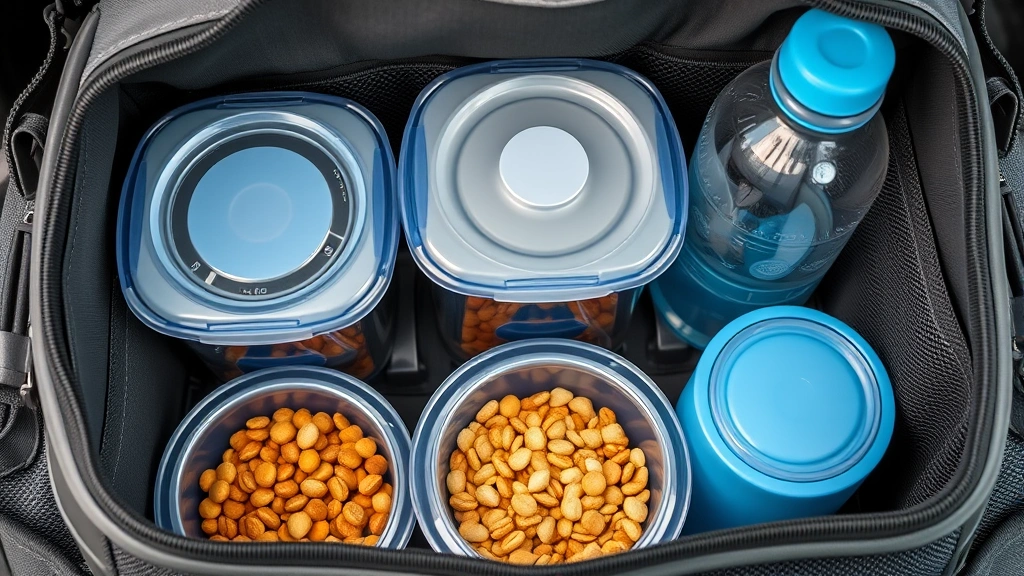
Pet food safety during travel isn’t just about throwing kibble in a bag and hoping for the best—it’s about keeping your furry travel buddy healthy, happy, and fed properly while you’re exploring new places. Whether you’re road-tripping across state lines or flying to grandma’s house, what your pet eats matters just as much at home as it does on the road.
Table of Contents
- Why Pet Food Safety During Travel Matters More Than You Think
- Tip #1: Pack Your Own Food (Don’t Rely on Destination Supplies)
- Tip #2: Keep Food at Proper Temperatures and Away From Moisture
- Tip #3: Maintain Consistent Feeding Schedules (Even When Jet-Lagged)
- Tip #4: Research Pet-Friendly Restaurants and Accommodations Beforehand
- Tip #5: Have a Backup Plan for Digestive Issues and Access to Veterinary Care
- Water Safety: The Often-Forgotten Food Safety Component
- Special Considerations for Different Travel Methods
- Reading Labels and Choosing Travel-Friendly Foods
- Monitoring Your Pet’s Health During and After Travel
- The Pre-Travel Vet Check: Your Secret Weapon
- Practical Packing Checklist for Pet Food Safety During Travel
- Frequently Asked Questions
Why Pet Food Safety During Travel Matters More Than You Think
Your pet’s digestive system is like a finely-tuned instrument. Change the food too quickly, expose it to heat or moisture, or let it sit in questionable conditions, and you’ve got a recipe for upset stomachs, diarrhea, and emergency vet visits nobody wants. Travel already stresses pets out—new environments, strange sounds, different routines. The last thing they need is food-related digestive drama on top of it all.
Think about it: if you suddenly switched your own diet while traveling, you’d feel terrible. Your pet feels the same way. That’s why pet travel supplements and careful meal planning are game-changers for keeping your companion comfortable during trips.
Tip #1: Pack Your Own Food (Don’t Rely on Destination Supplies)
This is the golden rule of pet food safety during travel. Bring enough of your pet’s regular food from home—and then bring a little extra, just in case. Why? Because finding the exact same brand and formula in a strange town at 9 PM on a Sunday is basically impossible.
Pack food in airtight, waterproof containers. Plastic freezer bags work in a pinch, but dedicated pet food storage containers are better. Label everything with your pet’s name and the food type. If you’re traveling with multiple pets, this prevents mix-ups and ensures each animal gets their proper nutrition.
Pro tip: Bring at least one extra day’s worth of food beyond your planned trip duration. Flight delays happen. Road construction happens. Murphy’s Law happens.
Tip #2: Keep Food at Proper Temperatures and Away From Moisture
Heat and humidity are the enemies of pet food. Kibble absorbs moisture and becomes a breeding ground for mold and bacteria. Wet food spoils faster than your enthusiasm for a road trip playlist.
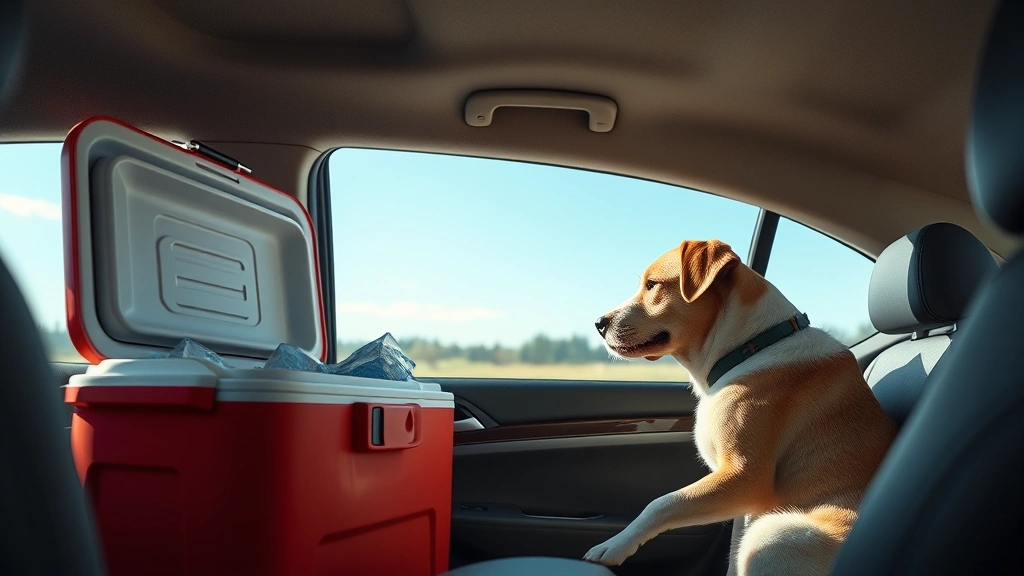
In cars, keep food in the coolest part of your vehicle—never in direct sunlight or the trunk where temperatures can spike. If you’re staying somewhere, find a cool, dry spot. Hotel rooms with air conditioning are ideal. If you’re camping or in an RV, use coolers with ice packs for wet food and keep dry food sealed and elevated off the ground.
For air travel, TSA allows pet food in carry-on bags, which is actually perfect because it keeps your pet’s meals at stable temperatures. Pack wet food in your checked baggage with ice packs if needed, but dry kibble travels beautifully in carry-ons.
Tip #3: Maintain Consistent Feeding Schedules (Even When Jet-Lagged)
Your pet’s body clock is already confused by travel. Keeping meal times consistent helps maintain digestive regularity and reduces stress. Feed your pet at the same times you would at home, even if it feels weird.
If you’re crossing time zones, gradually shift feeding times over a few days before departure if possible. If that’s not feasible, stick with your home time zone for feeding for the first few days, then transition to local time.
Consistency also means portion control. Don’t overfeed your anxious pet because they’re giving you those sad travel eyes. Overfeeding on the road can trigger digestive issues and weight gain. Travel anxiety supplements are better solutions for calming nervous pets than extra snacks.
Tip #4: Research Pet-Friendly Restaurants and Accommodations Beforehand
If you’re planning an extended trip, knowing where you can grab pet-approved meals and find safe dining options is crucial. Some pet-friendly restaurants allow pets on patios where you can share meals, but always verify their food safety standards.
When booking accommodations, ask about their pet food policies. Some hotels have refrigerator space in pet-friendly rooms. Vacation rentals often have better kitchen facilities if you need to prepare special meals. Understanding your pet’s food allergies and feeding routine before traveling helps you communicate needs to accommodations clearly.
Check reviews from other pet travelers. Real experiences from other owners reveal whether a place actually takes pet nutrition seriously or just pays lip service to it.
Tip #5: Have a Backup Plan for Digestive Issues and Access to Veterinary Care
Even with perfect planning, travel happens. Your pet might get an upset stomach from stress, water changes, or that one treat they snuck. Have a plan.
Pack pet-safe digestive aids and any medications your vet recommends for travel. Know where emergency vet clinics are located at your destination. Many areas have 24-hour animal hospitals—find them before you need them.
Pet emergency telehealth services are lifesavers when you’re traveling. You can consult with a vet from anywhere, get professional advice about whether that diarrhea needs immediate attention or just time, and get prescriptions if needed. Remote vet consultation options mean you’re never truly without professional guidance.
Water Safety: The Often-Forgotten Food Safety Component
Water quality varies dramatically by location. Some pets have sensitive systems that react to different mineral content or chlorination levels. Bring water from home if your pet has a sensitive stomach, or gradually introduce local water by mixing it with home water over several days.
For longer trips, bottled water is a safe bet. It’s cheap insurance against unexpected digestive drama. Keep water bowls clean and refill frequently—stagnant water can harbor bacteria.
Special Considerations for Different Travel Methods
Car travel allows flexibility. Pack a cooler with ice packs, use portable food and water bowls, and stop every 2-3 hours for bathroom and feeding breaks if needed. Air travel requires TSA compliance and advance planning. Train travel varies by provider but generally allows pets in carriers with food.
For international travel, research import regulations for pet food. Some countries have strict rules about bringing food across borders. Have vaccination records and health certificates ready.
Reading Labels and Choosing Travel-Friendly Foods
Not all pet foods travel equally well. Dry kibble is obviously more portable than wet food. If your pet typically eats wet food, consider switching to a high-quality dry option for travel, or pack freeze-dried raw food which is lightweight and shelf-stable.
Read ingredient lists carefully. Foods with artificial preservatives might be more stable during travel but could upset sensitive systems. Natural preservatives like vitamin E are gentler but require more careful storage.
According to the Association of American Feed Control Officials (AAFCO), pet food labels must meet specific nutritional standards. Stick with AAFCO-certified foods you know your pet tolerates well.
Monitoring Your Pet’s Health During and After Travel
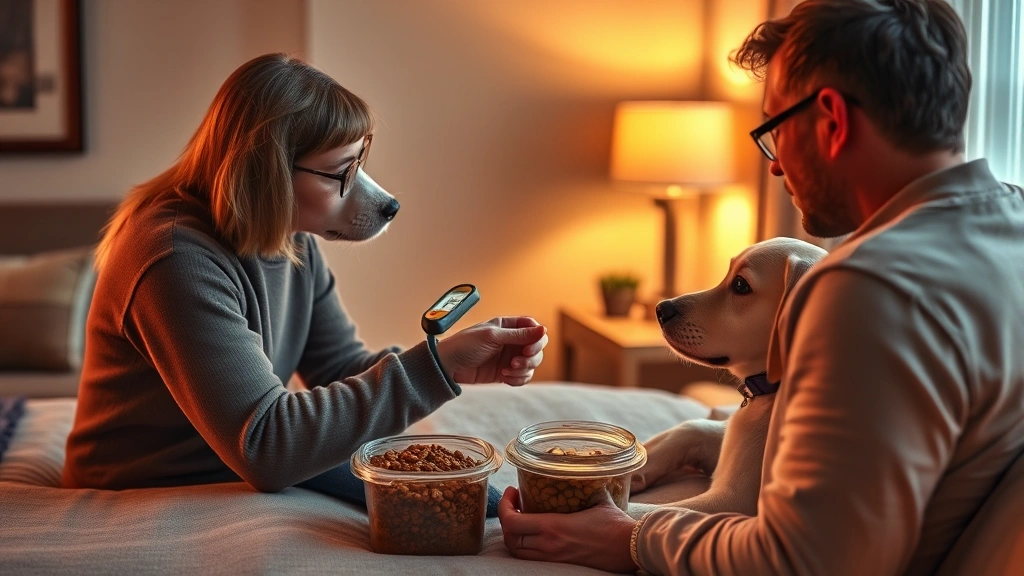
Pet health monitoring becomes especially important during travel. Watch for signs of digestive upset: reduced appetite, vomiting, diarrhea, constipation, or behavioral changes. Some stress-related issues resolve within 24-48 hours, but persistent problems warrant veterinary attention.
Keep notes on what your pet eats and any reactions. This information helps your vet if problems develop. Take photos of your pet’s meals and any unusual symptoms—visual documentation is invaluable for remote consultations.
The Pre-Travel Vet Check: Your Secret Weapon
Schedule a vet visit 2-3 weeks before traveling. Discuss your travel plans, get health certificates if needed, and ask about potential digestive issues specific to your destination. Your vet can recommend specific supplements or medications tailored to your trip.
This is also the perfect time to ensure vaccinations are current and to get copies of medical records. According to PetMD, traveling with updated medical records prevents complications and speeds up care if emergencies occur.
Practical Packing Checklist for Pet Food Safety During Travel
Here’s your no-fail packing list: regular pet food (plus 20% extra), portable food and water bowls, bottled or home water, airtight storage containers, digestive aids, any medications, vaccination records, vet contact information at your destination, treats (limited quantities), and a small cooler if traveling by car.
Don’t forget a scoop for measuring portions and paper towels for cleanup. Wet wipes are lifesavers for cleaning bowls when you can’t access a sink.
Frequently Asked Questions
Can I switch my pet’s food while traveling?
Ideally, no. Switching foods suddenly causes digestive upset. If you absolutely must switch, do it gradually over 7-10 days, mixing increasing amounts of new food with old food. If traveling for less than two weeks, stick with home food.
How long can pet food sit out in warm weather?
Wet food shouldn’t sit out more than 2 hours in temperatures above 50°F. Dry kibble is more forgiving but can absorb moisture and spoil in humid conditions. Keep everything sealed and cool.
What if my pet refuses to eat while traveling?
Some stress-related appetite loss is normal for 24-48 hours. Offer small amounts of their regular food frequently rather than large meals. If refusal lasts more than 48 hours or your pet shows other symptoms, contact a vet immediately.
Are freeze-dried pet foods safe for travel?
Yes, absolutely. Freeze-dried raw and kibble options are lightweight, shelf-stable, and nutritionally complete. They’re excellent travel choices, though typically more expensive than regular kibble.
Can I use treats to distract my pet during travel?
Treats can help, but moderation is key. Excessive treats cause digestive upset and weight gain. Stick to 10% of daily calories from treats, and choose ones your pet’s system handles well.
What should I do if my pet gets food poisoning while traveling?
Contact a vet immediately. Symptoms include vomiting, diarrhea, lethargy, and abdominal pain. Avoid feeding for 12-24 hours (with vet approval), offer small amounts of bland food like boiled chicken and rice, and ensure hydration. Seek emergency care if symptoms worsen.





