
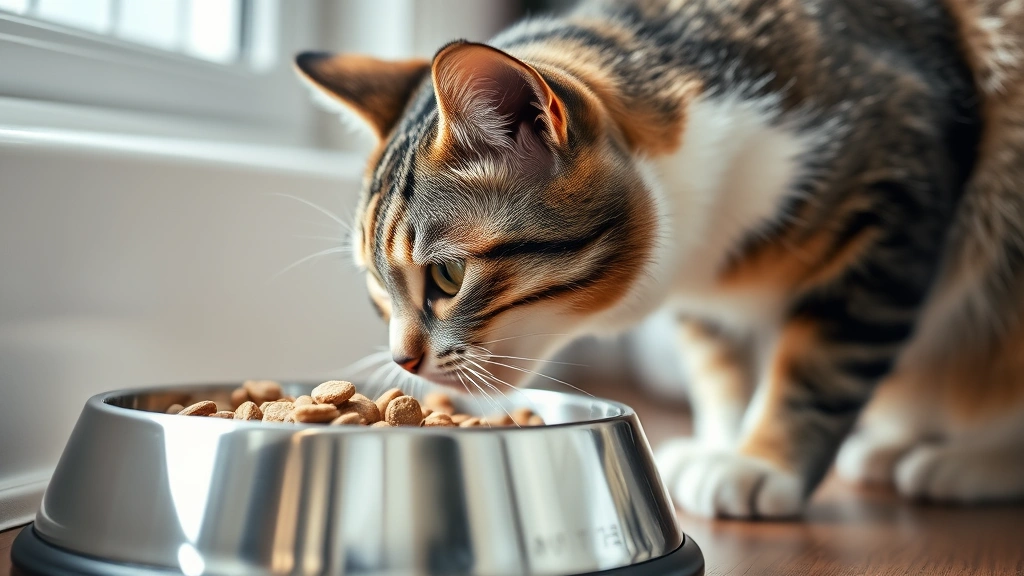
If you’ve been scrolling through pet food aisles lately, you’ve probably noticed some wild new options—and we’re not talking about “chicken flavor.” Insect protein for cats is the buzzy newcomer that’s making pet parents do a double-take, and honestly? It might just be the protein revolution your feline friend needs.
Table of Contents
- What Exactly Is Insect Protein for Cats?
- Why Cats Need Quality Protein (And Why Insects Deliver)
- Health Benefits That Actually Make Sense
- Environmental Benefits (Your Cat Can Feel Good About)
- Transitioning Your Cat to Insect Protein
- Potential Concerns and Honest Answers
- Best Practices for Feeding Insect Protein
- Real-World Results: What Cat Parents Are Saying
- Comparing Insect Protein to Traditional Options
- Frequently Asked Questions
- The Bottom Line: Should Your Cat Make the Switch?
Before you imagine your cat hunting crickets in the backyard (though, let’s be real, some cats would be into that), let’s break down what insect-based cat food actually is, why vets are getting excited about it, and whether it’s worth making the switch from traditional kibble.
What Exactly Is Insect Protein for Cats?
Insect protein comes from farmed insects like crickets, black soldier fly larvae, and mealworms—all sustainably raised specifically for pet food. These aren’t wild bugs; they’re cultivated in controlled environments, processed, and turned into protein-rich ingredients that end up in premium cat foods and supplements.
The most common insects used in insect-based cat protein products include:
- Crickets: High in protein and amino acids
- Black Soldier Fly Larvae: Rich in omega-3 and omega-6 fatty acids
- Mealworms: Packed with B vitamins and minerals
Think of it as nature’s protein powder, except it actually comes from nature and doesn’t taste like cardboard. Your cat’s wild ancestors were technically eating insects anyway—they just didn’t know they were being trendy about it.
Why Cats Need Quality Protein (And Why Insects Deliver)
Cats are obligate carnivores, which means they’re basically tiny, furry murder machines that need meat to survive. Unlike dogs, cats can’t synthesize certain amino acids on their own—particularly taurine—so they absolutely need high-quality protein sources.
Insect protein checks all the boxes:
- Complete amino acid profile: Contains all nine essential amino acids cats need
- High digestibility: Easier on the gut than some traditional proteins
- Bioavailable nutrients: Your cat’s body can actually absorb and use what’s in there
- Lower allergen potential: Great for cats with chicken or fish sensitivities
The protein content in insect-based foods typically ranges from 40-50%, rivaling or exceeding traditional meat-based cat foods. That’s the kind of nutritional density that makes feline nutritionists nod approvingly.
Health Benefits That Actually Make Sense
So why are vets and pet parents getting hyped about insect protein nutrition for cats? Here are the legitimate benefits:
Superior Digestibility
Insect protein has a chitin exoskeleton (basically the bug’s outer shell) that acts as a prebiotic, feeding the good bacteria in your cat’s gut. Better digestion means better nutrient absorption, shinier coat, and fewer litter box surprises. Win-win-win.
Allergy-Friendly Alternative
For cats with chicken, beef, or fish allergies, insect protein is a game-changer. It’s novel enough that most cats haven’t developed sensitivities to it, making it perfect for cats with food allergies and feeding routine adjustments. Check out our guide on food allergies and feeding routine for more details on transitioning sensitive cats.
Sustainable Omega Fatty Acids
Black soldier fly larvae contain omega-3 and omega-6 fatty acids naturally, supporting skin health, reducing inflammation, and keeping that coat glossy without requiring fish oil supplements. It’s like nature’s own beauty treatment.
Nutrient-Dense Profile
Insects are packed with B vitamins, iron, zinc, and magnesium—all the micronutrients that keep your cat’s immune system firing on all cylinders. These aren’t just empty calories; they’re nutritional powerhouses.
Environmental Benefits (Your Cat Can Feel Good About)
Here’s where insect protein gets its environmental credentials. Raising insects for protein requires:
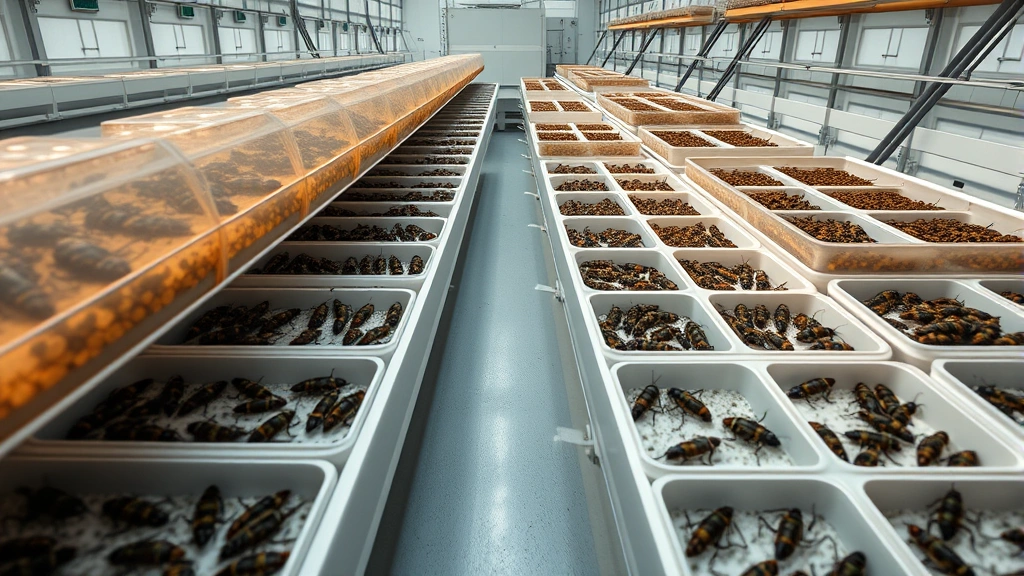
- 90% less water than traditional cattle farming
- 95% less land compared to beef production
- Significantly lower carbon footprint than chicken or fish farming
- Zero pesticide requirements in most sustainable farming operations
So while your cat doesn’t care about climate change, you can feel smug knowing their dinner is helping save the planet. That’s the kind of feel-good factor that makes premium pet supplements worth the investment. Explore premium pet supplements to find quality options.
Transitioning Your Cat to Insect Protein
Here’s the thing: cats are basically tiny food snobs. They like what they know, and change freaks them out. If you’re switching to insect-based cat food, do it gradually.
The Transition Timeline
Days 1-3: Mix 25% insect-based food with 75% old food
Days 4-6: Go 50/50
Days 7-9: 75% insect, 25% old food
Day 10+: Full switch (if your cat hasn’t staged a protest)
Some cats will accept the change immediately; others will give you the silent treatment. If your cat’s being particularly difficult, try mixing in some pet food supplement boosters to make the new food more appealing.
Potential Concerns and Honest Answers
Let’s address the elephant in the room: yes, some people find the idea of insect protein weird. Here are the real concerns and real answers:
“But… Bugs?”
Your cat already eats processed meat from animals you’ve never met. Insects are actually cleaner, more sustainable, and more regulated than many traditional protein sources. Plus, they’re processed into flour or meal—you won’t see actual bugs in the bowl.
Allergic Reactions?
Extremely rare, but if your cat has a shellfish allergy, be cautious since insects are arthropods (distant relatives). Always introduce new foods slowly and watch for signs of digestive upset. For detailed guidance, check our resource on limited ingredient diet timing.
Nutritional Completeness?
Quality insect-based cat foods are formulated to meet AAFCO standards (Association of American Feed Control Officials), meaning they’re nutritionally complete and balanced. Look for that certification on the bag.
Cost Concerns?
Yes, insect protein products are typically pricier than budget kibble. But they’re often comparable to other premium proteins, and the health benefits—better digestion, fewer supplements needed, healthier skin—can offset the cost.
Best Practices for Feeding Insect Protein
If you’re committed to the insect protein journey, here’s how to maximize the benefits:
- Choose complete formulas: Make sure insect protein is the primary ingredient, not a filler
- Combine with fresh feeding: Mix in some fresh, whole foods if your cat tolerates it
- Maintain proper portions: Use our cat food portions guide to prevent overfeeding
- Set up proper feeding stations: Check out cat feeding stations for optimal feeding environments
- Monitor health metrics: Track weight, coat condition, and litter box habits for the first month
Real-World Results: What Cat Parents Are Saying
Beyond the science, actual cat owners are reporting some impressive results with insect protein:
- Improved digestion and smaller, less stinky stools
- Shinier coats with less shedding
- More stable energy levels throughout the day
- Reduced itching in cats with food sensitivities
- Better overall body condition with less bloating
Of course, individual results vary. Your cat might become the poster child for insect protein success, or they might turn their nose up and demand their regular kibble back. Cats are unpredictable like that.
Comparing Insect Protein to Traditional Options
Here’s how insect protein stacks up against the usual suspects:
| Protein Source | Protein % | Digestibility | Allergen Risk | Sustainability |
|---|---|---|---|---|
| Insect | 40-50% | Excellent | Very Low | Excellent |
| Chicken | 30-40% | Good | Moderate | Moderate |
| Fish | 35-45% | Good | Low | Poor |
| Beef | 25-35% | Fair | Low | Poor |
Frequently Asked Questions
Is insect protein safe for all cats?
Yes, for the vast majority of cats. However, cats with shellfish allergies should be introduced slowly and monitored. Always consult your vet before making major dietary changes, especially for cats with existing health conditions.
Will my cat actually eat insect protein food?
Most cats will, especially if transitioned gradually. Some cats are more adventurous than others. If your cat refuses, try mixing it with their favorite food or warming it slightly to enhance the aroma.
How much insect protein should I feed my cat?
Follow the feeding guidelines on your product’s label, which are based on your cat’s age, weight, and activity level. Use our portion guide for specific recommendations tailored to your feline.
Can I mix insect protein with other protein sources?
Absolutely. In fact, rotating protein sources can provide nutritional variety and reduce the risk of developing food sensitivities. Just transition slowly between different foods.
Where can I buy insect protein cat food?
Quality insect-based cat foods are available through premium pet retailers, online marketplaces, and specialty pet stores. Look for brands with transparent sourcing and AAFCO certification.
Is insect protein more expensive than regular cat food?
Generally yes, but the price difference is often justified by superior nutrition, better digestibility, and potential health improvements. Consider it an investment in your cat’s long-term health.
The Bottom Line: Should Your Cat Make the Switch?
Insect protein for cats isn’t just a trendy fad—it’s a legitimate nutritional innovation backed by solid science. If your cat has food sensitivities, digestive issues, or you’re simply looking for a more sustainable, nutrient-dense protein source, insect-based foods deserve serious consideration.
That said, not every cat needs to switch. If your cat is thriving on their current diet, there’s no pressing reason to change. But if you’re dealing with allergies, digestive problems, or just want to optimize your cat’s nutrition, insect protein is absolutely worth exploring.
Start with a gradual transition, monitor your cat’s response, and don’t hesitate to chat with your vet about whether insect protein is the right choice for your specific feline. After all, every cat is unique—some might become insect protein enthusiasts, while others will stubbornly demand their old food back. Either way, you’ll know you gave it an honest shot.
Your cat might not thank you for the dietary upgrade, but their coat, digestive system, and energy levels probably will.





