

If you’re an eco-conscious pet owner, you’ve probably already ditched single-use plastics, composted your food scraps, and maybe even converted your car to run on thoughts and good intentions. But here’s the thing—your pet care routine might still be leaving a carbon pawprint the size of a Great Dane’s paw. Don’t worry; we’re not here to guilt you into wrapping your dog in recycled newspaper (though that would be hilarious). Instead, let’s talk about practical, sustainable pet care solutions that actually work and won’t make you feel like you’re sacrificing your pet’s happiness for Mother Earth.
Table of Contents
- Understanding the Environmental Impact of Pet Ownership
- Choose Sustainable and Ethical Pet Food Options
- Reduce Packaging Waste Through Bulk Buying and Refillable Options
- Switch to Eco-Friendly Pet Grooming and Hygiene Products
- Implement Sustainable Waste Management for Pet Litter and Waste
- Support Sustainable Supplement and Nutrition Choices
- Invest in Durable, Long-Lasting Pet Gear and Toys
- Choose Sustainable Veterinary and Health Care Practices
- Adopt or Support Ethical Pet Breeding and Rescue
- Create a Green Home Environment for Your Pet
- Frequently Asked Questions
- Conclusion: Your Pet Can Be Green Too
Understanding the Environmental Impact of Pet Ownership
Before we dive into solutions, let’s be real about the problem. Pet ownership has a genuine environmental footprint. The pet food industry alone generates massive amounts of waste, and traditional pet products often come wrapped in enough plastic to choke a whale (which, let’s be honest, is not the vibe). A study from UCLA found that dogs and cats consume roughly 25% of the calories that humans do, yet they produce about 30% of the environmental impact from meat consumption. Yikes. But here’s the silver lining: sustainable pet ownership is totally achievable, and your pets won’t even notice the difference.
Choose Sustainable and Ethical Pet Food Options
Your pet’s diet is ground zero for environmental impact. Most commercial pet foods rely heavily on factory-farmed meat, which is about as eco-friendly as a gas-guzzling SUV. Eco-conscious pet owners are increasingly turning to brands that prioritize sustainable sourcing, ethical farming practices, and minimal packaging. Look for companies that use responsibly sourced proteins and offer transparent ingredient sourcing. Some brands even use insect protein or plant-based alternatives—yes, your dog can eat crickets, and no, they won’t start chirping. Another approach is exploring mixed diet feeding strategies that reduce overall meat consumption while maintaining nutritional balance. According to AAFCO standards, these alternative proteins still meet all essential nutritional requirements for your pet’s health.
Reduce Packaging Waste Through Bulk Buying and Refillable Options
Those cute little pet food bags? They’re basically tiny plastic nightmares. Eco-conscious pet owners can dramatically reduce waste by buying in bulk from suppliers who offer refillable containers or minimal packaging. Some companies now deliver pet food in compostable or recyclable packaging, and a few forward-thinking retailers even have refill stations specifically for pet products. If bulk buying isn’t feasible, look for brands that use recycled materials in their packaging. You could also consider purchasing professional-grade pet supplements in bulk formats, which typically have better packaging-to-product ratios than individual servings. Every little bit counts when you’re trying to keep your pet’s paws off the planet.
Switch to Eco-Friendly Pet Grooming and Hygiene Products
Traditional pet shampoos and grooming products are loaded with chemicals that eventually wash down the drain and into our waterways. Sustainable pet care means choosing natural, biodegradable grooming products that won’t harm aquatic ecosystems. Look for shampoos made with plant-based ingredients, free from parabens and sulfates. You can even make your own pet shampoo at home with oatmeal, coconut oil, and a bit of gentle dish soap—your pet gets a spa day, and you feel like an eco-warrior. For toys and bedding, seek out products made from recycled materials or sustainable fabrics like organic cotton. And here’s a pro tip: old t-shirts make excellent DIY pet toys that would otherwise end up in landfills. Your dog doesn’t care if their tug toy came from a boutique pet store or your closet.
Implement Sustainable Waste Management for Pet Litter and Waste
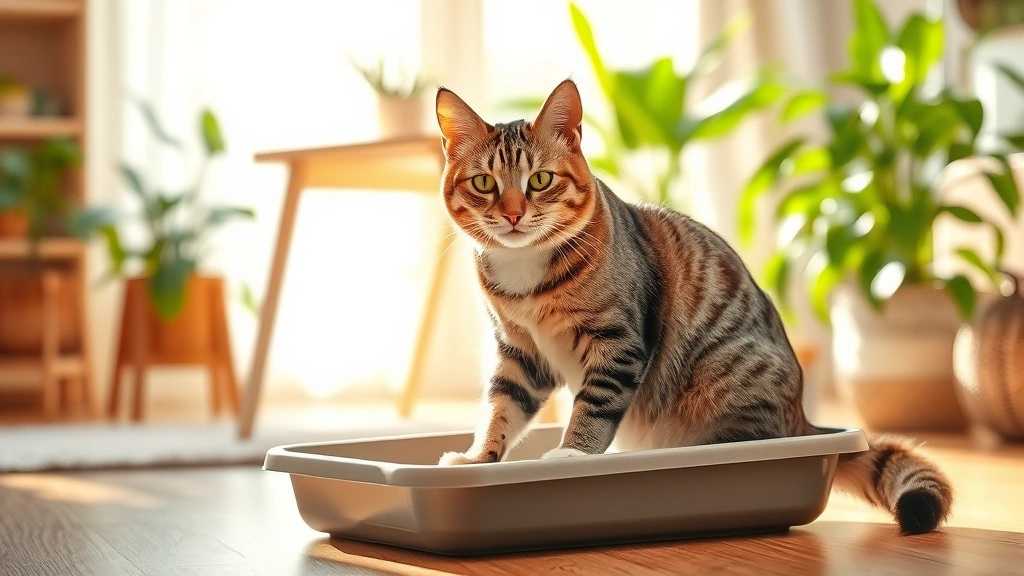
If you have a cat, you already know that litter boxes produce an alarming amount of waste. Traditional clay litter is mined from the earth and doesn’t decompose—it’s basically creating permanent cat waste monuments in landfills. Eco-conscious pet owners should explore alternatives like pine litter, corn-based litter, or wheat litter, all of which are biodegradable and often flushable. For dog owners, compostable waste bags are a game-changer. Yes, they cost a bit more, but they break down in about 180 days instead of 450 years. Some municipalities even have pet waste composting programs. If you’re feeling extra ambitious, you could set up a separate composting system specifically for pet waste (keep it away from your vegetable garden, obviously).
Support Sustainable Supplement and Nutrition Choices
Supplements are a huge part of modern pet health, but they often come in plastic bottles with questionable sourcing. Consider exploring fish oil alternatives for pets that don’t deplete ocean ecosystems. Algae-based omega-3 supplements are increasingly available and provide the same benefits without contributing to overfishing. When choosing supplements, verify that manufacturers follow ethical practices. According to PetMD’s supplement guidelines, look for third-party testing certifications and transparent sourcing information. Your veterinarian can help you identify sustainable supplement options that align with your pet’s specific health needs.
Invest in Durable, Long-Lasting Pet Gear and Toys
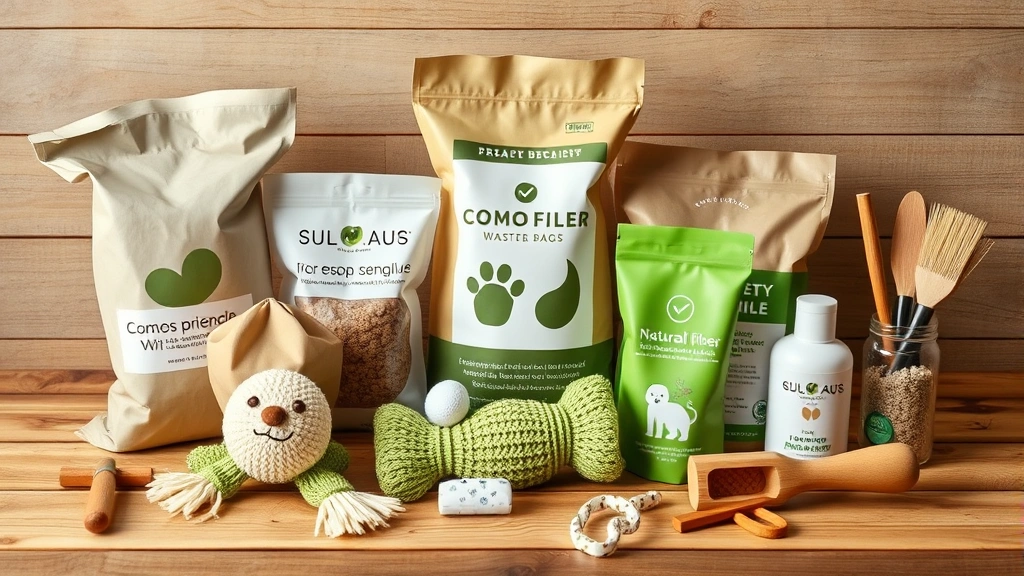
The pet industry loves planned obsolescence almost as much as the fashion industry. Every season brings new trendy toys that fall apart in three weeks, sending you back to the store for replacements. Eco-conscious pet owners should invest in high-quality, durable gear that lasts years instead of months. Yes, that organic cotton collar costs more upfront, but it’ll still be functional when your dog is gray-muzzled. Choose toys made from natural rubber, untreated wood, or recycled materials. Rope toys, puzzle feeders, and interactive toys tend to have longer lifespans than squeaky toys that lose their squeak by day two. And here’s the beautiful part: your pet will be just as happy with one quality toy that lasts two years as they would be with ten cheap toys that end up in the trash.
Choose Sustainable Veterinary and Health Care Practices
Veterinary clinics generate significant medical waste, but many are now implementing green practices. When choosing a vet, ask about their sustainability initiatives—do they use digital records to reduce paper waste? Do they source medications responsibly? Some progressive veterinary practices are even incorporating preventive care strategies that reduce the need for interventions, which is better for your pet and the planet. Consider weight management feeding strategies recommended by your vet, as maintaining a healthy pet weight reduces overall food consumption and improves long-term health outcomes. According to the American Animal Hospital Association, preventive care is one of the most sustainable approaches to pet health.
Adopt or Support Ethical Pet Breeding and Rescue
The most eco-conscious choice is adopting from shelters or rescue organizations rather than supporting breeders who contribute to overproduction and waste. Shelter animals are already here and need homes—adopting one means resources go toward caring for existing animals rather than breeding new ones. If you do choose to work with a breeder, ensure they follow ethical, sustainable practices with minimal environmental impact. Supporting rescue organizations also means you’re helping reduce the burden on shelters, which ultimately benefits the entire animal welfare ecosystem.
Create a Green Home Environment for Your Pet
Finally, eco-conscious pet owners should consider their pet’s living environment. Use eco-friendly cleaning products around your home (especially important since pets spend so much time on floors), choose sustainable bedding materials, and ensure proper insulation to reduce heating and cooling needs. If you have an outdoor space, consider creating a wildlife-friendly garden that benefits both your pet and local ecosystems. Native plants, chemical-free landscaping, and water features create enrichment for your pet while supporting biodiversity. It’s a win-win that makes your property look better too.
Frequently Asked Questions
Can eco-friendly pet food really meet my pet’s nutritional needs?
Absolutely. As long as the food meets AAFCO standards and is formulated by a veterinary nutritionist, eco-friendly pet foods provide complete and balanced nutrition. Many sustainable brands are backed by rigorous testing and research. Always check the label for AAFCO certification and consult your veterinarian about your specific pet’s needs.
Are biodegradable pet waste bags actually better for the environment?
Yes, significantly. While they do require specific conditions to decompose (usually industrial composting), they break down in months rather than centuries. However, they’re most effective when disposed of in proper composting facilities rather than regular landfills. Check your local waste management options.
Will my pet care costs increase if I go eco-conscious?
Not necessarily. While some sustainable products cost more upfront, investing in durable gear and bulk purchases often saves money long-term. Additionally, preventive care through sustainable practices reduces expensive emergency vet visits. It’s an investment that pays dividends.
How do I know if a pet brand is genuinely eco-friendly?
Look for third-party certifications, transparent sourcing information, and detailed sustainability reports. Don’t rely solely on marketing claims—research the company’s actual practices. Check for certifications from organizations like B Corp or similar environmental standards.
Can cats and dogs eat plant-based diets sustainably?
Dogs can thrive on well-formulated plant-based diets. Cats are obligate carnivores and require specific nutrients like taurine, so plant-based options are more limited. Focus on sustainable meat sources for cats rather than plant-based alternatives.
Conclusion: Your Pet Can Be Green Too
Being an eco-conscious pet owner doesn’t mean you have to become a crunchy extremist who feeds their dog only ethically sourced, free-range crickets (though hey, no judgment if you do). It’s about making thoughtful choices that reduce environmental impact while maintaining your pet’s health and happiness. Start with one or two changes—maybe switching to sustainable litter or investing in durable toys—and build from there. Your pet won’t notice the difference, but the planet will. And honestly, isn’t that worth a little extra effort? Your furry friend depends on this planet too, so let’s keep it clean for them. Now go forth and reduce that carbon pawprint!





