

Your furry best friend might be adorable, but let’s be real—they’re also leaving a carbon footprint that would make a SUV blush. A low carbon pawprint isn’t just some trendy buzzword for eco-conscious pet parents; it’s actually achievable without turning your pup into a kale-eating, solar-powered robot. Whether you’ve got a dog, cat, or that weird ferret your roommate insists on keeping, there are practical ways to reduce your pet’s environmental impact while keeping them happy, healthy, and well-fed.
Table of Contents
- Understanding Your Pet’s Environmental Impact
- Choose Sustainable Pet Food Options
- Implement Sustainable Feeding Practices
- Reduce Waste in Your Pet Care Routine
- Invest in Preventative Health Care
- Choose Eco-Friendly Pet Products and Toys
- Support Sustainable Pet Brands and Certifications
- Reduce Your Pet’s Medical Footprint
- Make Sustainable Choices in Pet Grooming
- Consider Your Pet’s Lifespan and Breed
- Frequently Asked Questions
- Summary: Your Pet’s Green Future Starts Now
Understanding Your Pet’s Environmental Impact
Before we dive into the solutions, let’s talk about the elephant—or rather, the dog—in the room. Pets, especially dogs, have a surprisingly significant environmental footprint. According to research, the pet industry contributes roughly 2% of global carbon emissions. The biggest culprit? Pet food production. Meat production for pet food requires massive amounts of water, feed, and land. If your pup is eating conventional, meat-heavy kibble, they’re indirectly responsible for deforestation, water pollution, and methane emissions. But here’s the good news: you can absolutely reduce your pet’s carbon pawprint with some smart choices.
Choose Sustainable Pet Food Options
The most impactful way to lower your pet’s environmental footprint is through diet. Start by exploring rotating protein sources to diversify your pet’s nutrition while supporting more sustainable farming practices. Consider switching to pet foods made from alternative proteins like insect-based kibble, plant-based options, or sustainably-sourced fish. Brands like Jiminy’s, The Farmer’s Dog, and Yora are leading the charge with eco-friendly formulations that don’t sacrifice nutritional quality.
If you’re feeling adventurous, homemade pet food schedules give you complete control over ingredients. You can source local, seasonal proteins and vegetables, which dramatically cuts transportation emissions. Just work with your vet to ensure your homemade meals meet your pet’s nutritional needs—balance is everything.
Implement Sustainable Feeding Practices
Overfeeding is an often-overlooked environmental issue. Every extra kibble your pet doesn’t need represents wasted resources. Use a weight-based feeding guide to determine precise portions for your pet’s size and activity level. Proper pet portion control not only reduces your pet’s carbon footprint but also prevents obesity-related health issues, which means fewer vet visits and medications down the road.
Consider incorporating limited ingredient diet timing strategies to optimize digestion and nutrient absorption. When your pet absorbs nutrients more efficiently, they need less food overall, further reducing environmental impact. It’s a win-win for both your wallet and Mother Earth.
Reduce Waste in Your Pet Care Routine
Pet waste management is a massive sustainability issue. Those plastic poop bags? They take 500+ years to decompose. Switch to biodegradable or compostable waste bags made from plant-based materials. Brands like Earth Rated and Pogi’s offer genuinely eco-friendly options that actually break down.
If you have a yard, consider composting pet waste separately from food scraps (pet waste composting requires different temperatures than regular composting). For cat owners, switch from clay litter to sustainable alternatives like pine, corn, or wheat-based litters. They’re flushable, biodegradable, and often better for your cat’s respiratory health too.
Invest in Preventative Health Care
Keeping your pet healthy prevents unnecessary vet visits and medications, which reduces your overall environmental footprint. Add preventative care supplements like omega-3s, probiotics, and joint support to your pet’s routine. These supplements can prevent chronic diseases and extend your pet’s lifespan, meaning less medical intervention overall.
Regular exercise, dental care, and preventative screenings also keep your pet in peak condition, reducing the environmental cost of treating preventable diseases. It’s not just good for your pet—it’s good for the planet.
Choose Eco-Friendly Pet Products and Toys
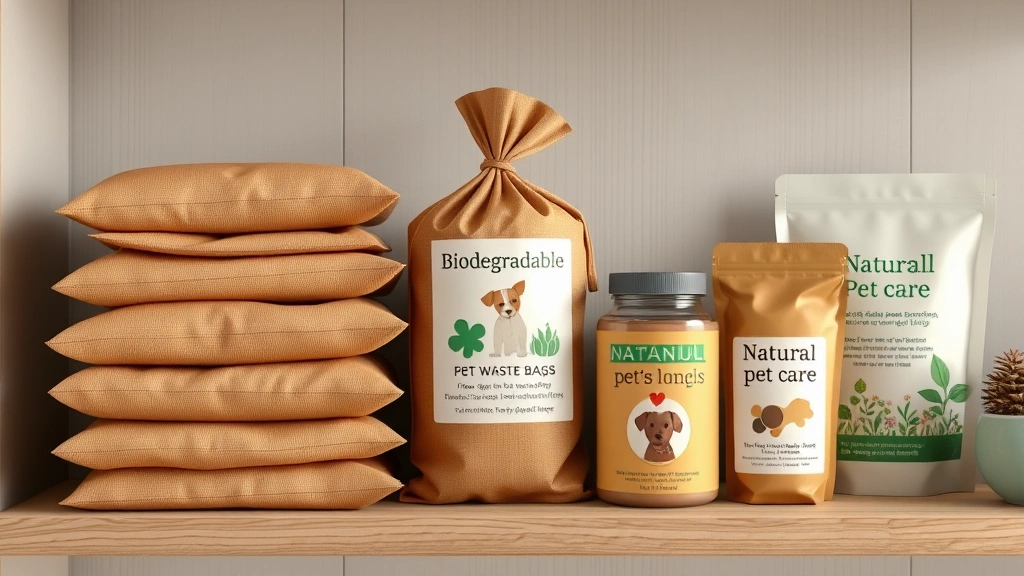
Pet products are everywhere, and most are made from plastic or other non-sustainable materials. Swap out conventional toys for those made from recycled materials, natural rubber, or sustainably-harvested wood. Brands like West Paw Design make incredibly durable toys from recycled plastic bottles and upcycled materials.
For pet beds, leashes, and collars, look for organic cotton, hemp, or recycled polyester options. Yes, they might cost more upfront, but they last longer and won’t end up in a landfill within six months. Thrift stores and online resale platforms like Chewy’s trade-in program also offer gently-used pet gear at a fraction of the environmental cost.
Support Sustainable Pet Brands and Certifications
Not all eco-friendly claims are created equal. Look for third-party certifications like B Corp, Certified Sustainable, or Climate Neutral certifications when shopping for pet products. These labels actually mean something, unlike vague marketing terms like “natural” or “eco-friendly.”
Research brands before you buy. Do they use renewable energy in their facilities? Do they offset their carbon emissions? Are they transparent about their supply chain? Supporting companies that prioritize sustainability sends a message to the entire pet industry that consumers care about environmental impact.
Reduce Your Pet’s Medical Footprint
Pharmaceuticals and medical waste from pet healthcare contribute to environmental pollution. While you should never skip necessary medications, work with your vet to find the most sustainable options. Some medications come in larger bottles that reduce packaging waste. Ask about generic versions, which often have lower production environmental costs than brand-name drugs.
Additionally, proper nutrition and preventative care mean fewer medications overall. A healthy pet is an environmentally-friendly pet.
Make Sustainable Choices in Pet Grooming
If you groom your pet at home, use eco-friendly shampoos and conditioners made from natural ingredients. Professional groomers increasingly offer green grooming services using sustainable products and water-conservation techniques. Ask your groomer about their environmental practices before booking an appointment.
Regular brushing at home reduces matting and the need for professional grooming, saving water and chemicals while strengthening your bond with your pet.
Consider Your Pet’s Lifespan and Breed
This is the uncomfortable truth: larger breeds have larger carbon pawprints. A Great Dane eats significantly more than a Chihuahua. If you’re in the market for a new pet, consider adopting a smaller breed or mixed-breed dog from a shelter. Adoption prevents the environmental cost of breeding and supports animal welfare simultaneously.
If you already have a large-breed pet, don’t stress—just focus on the other strategies in this guide. Every reduction counts, and your pet is already part of your family.
Frequently Asked Questions
Is a low carbon pawprint diet nutritionally complete for my pet?
Yes, absolutely. Sustainable pet foods from reputable brands like The Farmer’s Dog, Jiminy’s, and Yora are formulated to meet AAFCO (Association of American Feed Control Officials) standards. They’re nutritionally complete and balanced, just with a smaller environmental impact. Always check labels and consult your vet to ensure the food meets your specific pet’s nutritional needs.
How much can I actually reduce my pet’s carbon footprint?
Studies suggest that switching to sustainable pet food alone can reduce your pet’s carbon footprint by 25-50%, depending on the food and protein sources. Combined with the other strategies in this guide—portion control, waste reduction, preventative care—you could potentially reduce your pet’s overall environmental impact by 60-70%.
Are eco-friendly pet products actually better quality?
Often, yes. Sustainable brands tend to prioritize durability and quality over cheap mass production. Eco-friendly toys and beds frequently outlast conventional products, making them a better long-term investment despite higher upfront costs. You’re paying for quality and sustainability, which usually go hand-in-hand.
Can I make my cat’s diet more sustainable?
Cats are obligate carnivores, so they need meat-based diets more than dogs. However, you can still reduce their carbon pawprint by choosing sustainably-sourced fish, supporting brands that practice ethical sourcing, and using the portion control and preventative care strategies mentioned above. Some newer cat foods use insect protein, which is more sustainable than traditional meat.
What’s the environmental cost of pet adoption versus breeding?
Adoption is significantly more sustainable. Breeding requires resources for the breeding animals, veterinary care, transportation, and marketing. Adopting from shelters or rescues eliminates these costs and prevents the environmental burden of producing a new pet when millions need homes.
Summary: Your Pet’s Green Future Starts Now
Creating a low carbon pawprint for your pet doesn’t require radical lifestyle changes or turning your furry friend into a vegan. It’s about making informed, sustainable choices in food, products, healthcare, and daily routines. Start with one or two changes—maybe switching to sustainable pet food and biodegradable waste bags—then gradually implement more strategies as you go.
Your pet depends on a healthy planet just as much as we do. By reducing your pet’s environmental impact, you’re not just being trendy; you’re being a responsible pet parent and global citizen. Plus, most of these changes will save you money, improve your pet’s health, and strengthen your bond with your furry companion. That’s a pawprint worth leaving behind.
External Resources:





