

Pet telehealth has revolutionized how pet owners access veterinary care, transforming the way we keep our furry friends healthy without leaving the couch. Gone are the days when a minor concern meant scheduling an appointment weeks in advance or sitting in a waiting room filled with anxious animals. Today, virtual vet consultations bring professional medical expertise directly to your home through your smartphone, tablet, or computer.
Table of Contents
- What Exactly Is Pet Telehealth?
- How Does Virtual Vet Consultation Actually Work?
- The Advantages of Remote Vet Consultation
- What Conditions Can Pet Telehealth Address?
- When You Still Need In-Person Veterinary Care
- Top Pet Telehealth Platforms Worth Considering
- The Cost Breakdown: Is Pet Telehealth Affordable?
- Privacy and Safety Concerns in Virtual Vet Care
- Getting Started: Your First Pet Telehealth Experience
- Frequently Asked Questions
- The Future of Pet Telehealth Technology
- Summary: Making Pet Telehealth Work for Your Family
What Exactly Is Pet Telehealth?
Pet telehealth refers to remote veterinary consultations conducted via video call, phone, or messaging platforms. Think of it as bringing your vet into your living room. A licensed veterinarian can assess your pet’s symptoms, answer health questions, and even prescribe medications—all without the stress of a traditional clinic visit. This isn’t some futuristic fantasy; it’s happening right now and becoming increasingly popular among pet owners who value convenience and accessibility.
The beauty of pet health consultation via video lies in its flexibility. Whether your cat has a minor skin irritation or your dog ate something questionable at 2 AM, you can connect with a vet immediately without the overhead costs of a full clinic visit.
How Does Virtual Vet Consultation Actually Work?
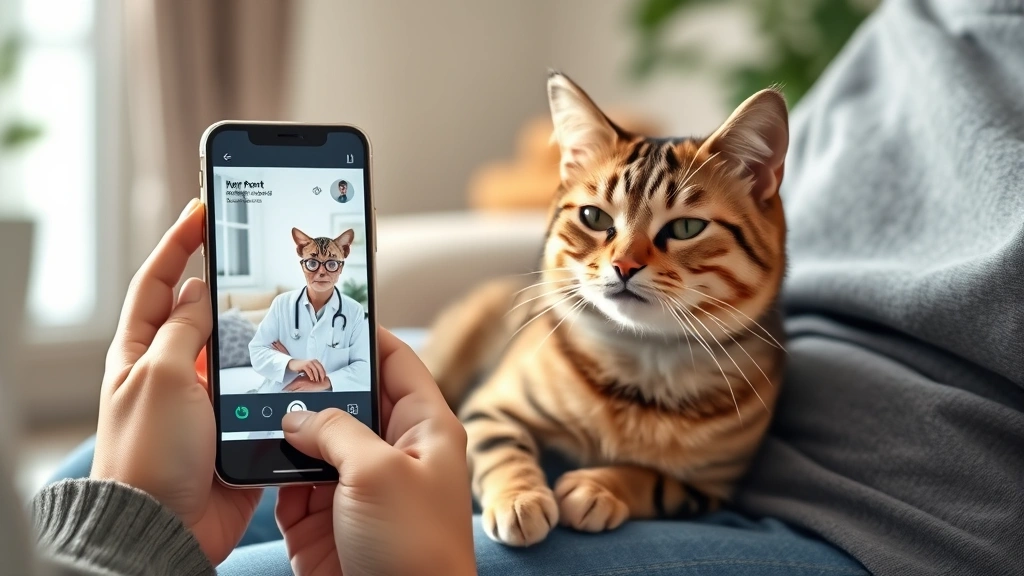
The process is refreshingly straightforward. You book an appointment through a telehealth platform, receive a link or call at your scheduled time, and connect with a licensed veterinarian. During the session, the vet will ask detailed questions about your pet’s symptoms, medical history, and lifestyle. You’ll show your pet on camera so the vet can observe behavior, coat condition, eye clarity, and other visual indicators.
For conditions that require hands-on examination—like checking lymph nodes or listening to heart murmurs—vets may recommend an in-person visit. But for many situations, the visual and verbal assessment provides enough information for diagnosis and treatment recommendations. Some platforms even allow you to upload photos or videos of your pet before the appointment, giving the vet a head start on evaluation.
The Advantages of Remote Vet Consultation
Let’s talk about why pet owners are embracing remote vet consultation like it’s the best invention since sliced bread.
Convenience Factor: No more carting an anxious cat in a carrier or wrestling your 80-pound dog into the car. Many pets actually perform better during telehealth visits because they’re in their familiar, comfortable environment. Anxious animals show their true baseline behavior rather than the stressed version that emerges in a vet clinic.
Cost Savings: Virtual consultations typically cost 30-50% less than in-person visits. You’re saving on facility overhead, and your vet isn’t spending time on non-medical tasks like check-in paperwork.
Time Efficiency: No waiting room. No traffic. No scheduling around clinic hours. Many telehealth platforms offer evening and weekend appointments, making veterinary care accessible for working pet owners.
Perfect for Follow-ups: Had a recent illness? Prescribed medication? A quick virtual check-in ensures your pet’s recovery is on track without another expensive visit.
What Conditions Can Pet Telehealth Address?
Pet telehealth works wonderfully for numerous situations. Skin issues, behavioral questions, medication side effects, dietary concerns related to food allergies feeding routine, and post-operative check-ins are all prime candidates for virtual consultation. If your dog has a mild ear infection or your cat’s refusing food, a vet can often diagnose and recommend treatment remotely.
Chronic condition management is another sweet spot for telehealth. Pets with diabetes or other ongoing issues benefit from regular check-ins, and diabetic pet feeding schedule adjustments can be discussed and modified without clinic visits. Similarly, medication with food schedule concerns can be addressed quickly.

Behavioral issues like excessive barking, aggression, or anxiety often benefit from a detailed conversation with a vet behaviorist via telehealth. You can discuss your pet’s environment, routine, and triggers in depth without time pressure.
When You Still Need In-Person Veterinary Care
Let’s be real: telehealth isn’t a replacement for all veterinary services. Emergency situations—severe trauma, difficulty breathing, suspected poisoning—require immediate in-person care. You can’t perform blood work, ultrasounds, or surgical procedures remotely. Vaccinations and microchipping need hands-on administration.
Pets showing signs of serious illness deserve a thorough physical examination. If your vet recommends in-person evaluation, trust that recommendation. Telehealth is a complement to traditional veterinary medicine, not a complete substitute.
Top Pet Telehealth Platforms Worth Considering
Several reputable platforms have emerged as leaders in this space. Look for services that employ licensed veterinarians in your state (regulations vary by location). The best platforms offer easy scheduling, secure video connections, prescription delivery, and integration with your pet’s medical records.
Research reviews from other pet owners, check whether the platform partners with local vets or uses their own network, and confirm they’re available during hours that work for your schedule. Some platforms specialize in specific services—behavioral consultation, prescription refills, or general wellness—so choose based on your needs.
The Cost Breakdown: Is Pet Telehealth Affordable?
A typical telehealth consultation runs $30-$75, compared to $100-$300 for a traditional vet visit. If your pet needs a prescription, some platforms charge an additional dispensing fee, though many offer competitive pricing on medications. Pet insurance policies increasingly cover telehealth services, so check your coverage before assuming you’re paying out-of-pocket.
For pet owners managing pet obesity prevention through regular dietary consultations or those needing frequent follow-ups, the cumulative savings become substantial. That’s real money staying in your pocket while your pet gets quality care.
Privacy and Safety Concerns in Virtual Vet Care
Your pet’s medical information deserves the same privacy protection as your own health data. Reputable telehealth platforms use encrypted connections and comply with HIPAA regulations. Before signing up, review their privacy policy and data handling practices. Your pet’s medical history shouldn’t be sold to third parties or used for marketing.
Verify that the veterinarian is actually licensed in your state. Scams exist, so stick with established, well-reviewed platforms. If something feels off about a consultation, trust your instincts and seek a second opinion from your regular vet.
Getting Started: Your First Pet Telehealth Experience
Download the app or visit the website, create an account, and provide your pet’s basic information. Have your pet’s medical history handy—previous conditions, current medications, and vaccination records. Schedule your appointment and prepare your space: good lighting, quiet environment, and easy access to your pet.
During the call, be ready to describe symptoms in detail. When did they start? What does your pet’s behavior look like? Have there been any diet or environment changes? The more information you provide, the better the vet can assess the situation. Have your phone or device positioned so the vet can see your pet clearly.
Frequently Asked Questions
Can vets prescribe medication through pet telehealth?
Yes, licensed veterinarians can prescribe medications during telehealth consultations in most states. The prescription is typically sent directly to a pharmacy or the telehealth platform’s pharmacy partner. Some prescriptions may require an in-person exam first, depending on state regulations and the specific medication.
Is pet telehealth covered by pet insurance?
Many pet insurance plans now cover telehealth consultations, though coverage varies by provider and plan type. Check your policy documents or contact your insurance company directly. Some plans cover telehealth at the same rate as in-person visits, while others may have different deductibles or co-pays.
What equipment do I need for a pet telehealth appointment?
You need a smartphone, tablet, or computer with a camera and microphone, plus a stable internet connection. That’s it. No special equipment required. Make sure your device is charged and you have good lighting so the vet can see your pet clearly.
Can pet telehealth handle emergency situations?
Pet telehealth can help you determine if an emergency exists and guide you toward appropriate care, but it’s not a substitute for emergency veterinary services. If your pet is in severe distress, bleeding heavily, or unconscious, go to an emergency vet clinic immediately. Telehealth is for non-emergency situations.
How long does a typical pet telehealth consultation last?
Most consultations last 15-30 minutes, depending on the complexity of the issue. Straightforward questions might be resolved in 15 minutes, while chronic condition management or behavioral consultations may take longer. You’ll typically know the appointment duration when booking.
Will my regular vet have access to telehealth records?
This depends on the platform and your vet’s integration with it. Some platforms share records with traditional veterinary clinics, while others keep them separate. If continuity of care is important, ask about record-sharing options when choosing a platform.
The Future of Pet Telehealth Technology
This field is evolving rapidly. Emerging technologies like AI-assisted diagnostics, wearable pet health monitors, and augmented reality tools are expanding what’s possible remotely. Imagine a collar that tracks your pet’s vital signs and alerts your vet to potential issues before symptoms appear. That future is closer than you think.
As telehealth becomes more mainstream, regulations will likely standardize, making it even more accessible and trustworthy. The integration between telehealth and traditional veterinary care will deepen, creating a seamless healthcare experience for pets.
Summary: Making Pet Telehealth Work for Your Family
Pet telehealth represents a genuine advancement in veterinary care accessibility. It’s convenient, affordable, and effective for countless situations—from minor concerns to chronic condition management. While it won’t replace traditional vet visits for emergencies or procedures requiring physical examination, it fills a critical gap in pet healthcare.
The key is understanding when telehealth is appropriate and when your pet needs in-person care. Use it for follow-ups, behavioral consultations, dietary questions, and non-emergency health concerns. Build a relationship with a telehealth vet who understands your pet’s history and can provide continuity of care. Combine telehealth with regular in-person wellness exams for a comprehensive approach to your pet’s health.
Your pet’s wellbeing is too important for outdated healthcare systems. Embrace the convenience, cost savings, and accessibility that pet telehealth offers. Your furry friend—and your wallet—will thank you.





