
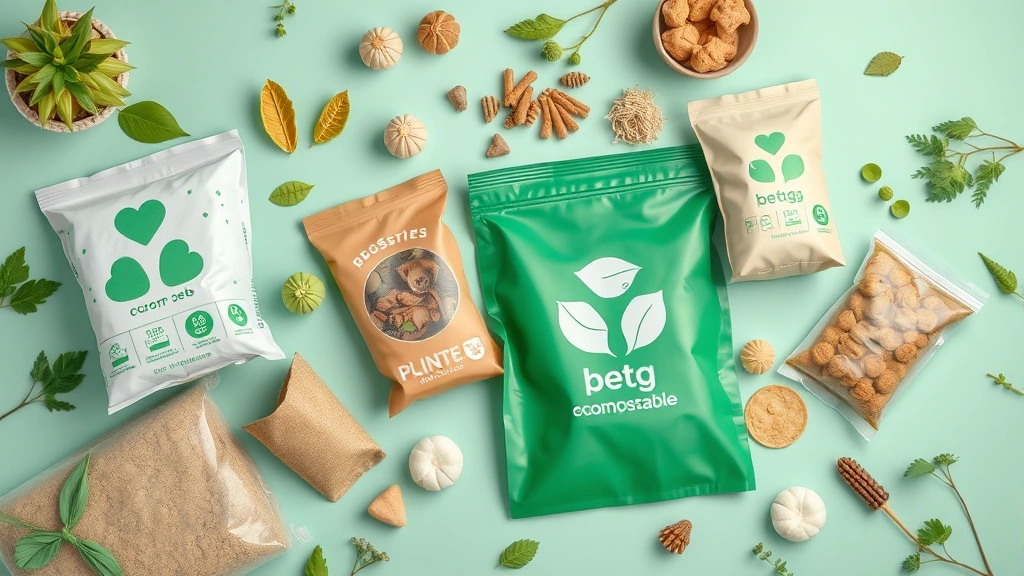
Look, we get it—you love your pet, but you’re also tired of feeling guilty about the mountain of plastic waste accumulating in your trash can every time you scoop the litter box or grab a handful of poop bags for your daily walk. The good news? Compostable pet products are here to save the day (and the planet), and they’re actually way better than you’d think. Gone are the days when eco-friendly meant sacrificing quality or your sanity.
Table of Contents
- Why Compostable Pet Products Actually Matter
- Best Compostable Pet Waste Bags
- Eco-Friendly Litter Box Liners and Flushable Litter
- Sustainable Pet Food Storage Solutions
- Compostable Pet Toys and Chew Products
- Biodegradable Pet Bedding and Blankets
- Natural and Compostable Pet Grooming Products
- How to Actually Compost Your Pet Products
- Cost Comparison: Is It Worth the Investment?
- Reading Labels: Spotting Real Compostable Products
- Frequently Asked Questions
- Making the Switch: Your Action Plan
- The Bottom Line on Eco-Friendly Pet Care
If you’re wondering whether switching to sustainable pet supplies is worth the effort, spoiler alert: it absolutely is. We’re talking about products that break down naturally, reduce your carbon pawprint, and make you feel like an actual responsible adult. Let’s dive into the five best compostable pet products that’ll have your furry companion living their best sustainable life.
Why Compostable Pet Products Actually Matter
Before we jump into the good stuff, let’s talk about why compostable pet products deserve a spot in your home. Traditional plastic pet waste bags? They stick around for 1,000 years. Yep, you read that right. Your great-great-great-great-grandkids will still be dealing with the legacy of today’s poop bags.
The environmental impact is real. Pet waste alone generates millions of tons of plastic waste annually. When you switch to compostable alternatives, you’re not just making a small difference—you’re joining a movement. Plus, composting pet waste reduces methane emissions from landfills and can actually create nutrient-rich soil for your garden (though you’ll want to be careful about where you use it).
According to the American Kennel Club, responsible pet ownership extends beyond training and nutrition—it includes environmental stewardship. Making sustainable choices demonstrates genuine care for the world your pets inherit.
Best Compostable Pet Waste Bags
Let’s start with the MVP of compostable pet products: waste bags. These little heroes are the unsung champions of eco-friendly pet care. The best ones are made from plant-based materials like corn starch or sugarcane, and they actually break down in commercial composting facilities within 6 months.
Look for bags that are certified compostable by the Biodegradable Products Institute (BPI). They should be thick enough to handle the job without tearing (nobody wants that disaster mid-walk), and they come in rolls just like traditional bags. Some brands even make them scented to mask odors, which is honestly a game-changer. The price difference? Usually just a few cents more per bag, which is basically nothing when you consider you’re saving the planet.
Pro tip: Store these bags in a cool, dry place. Unlike regular plastic bags, they’re actually alive (in a microbial sense), so extreme heat can cause them to degrade prematurely. Your coat pocket on a summer day? Not ideal. Your bathroom cabinet? Perfect.
Eco-Friendly Litter Box Liners and Flushable Litter
Cat owners, this section is your golden ticket. Traditional clay litter is an environmental nightmare—it’s mined, it’s heavy, and it clumps in landfills for eternity. Enter: sustainable cat litter and compostable pet products designed specifically for our feline friends.
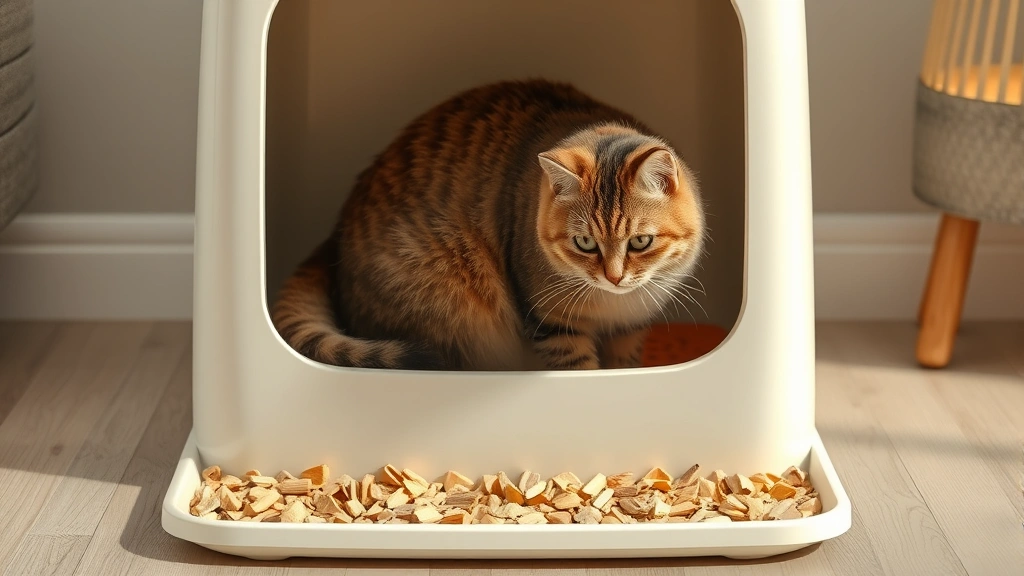
Flushable, compostable litter made from materials like wood, corn, or wheat is becoming increasingly popular. These alternatives are lightweight, actually control odor better than clay, and they break down in your septic system or municipal water treatment facilities. Some brands even make compostable litter box liners from plant-based materials, so you’re not layering plastic waste just to make cleanup easier.
The catch? You need to ensure your plumbing can handle it. Older pipes and certain septic systems might rebel against anything flushed down the drain. Check your system first, or stick with composting the litter in your yard (keeping it separate from vegetable gardens, obviously).
A resource like PetMD offers guidance on safe litter practices and what works best for different cat health situations.
Sustainable Pet Food Storage Solutions
Here’s something people don’t think about enough: how you store your pet’s food matters. Traditional plastic containers leach chemicals, and they’re often not recyclable. Compostable pet products now include storage solutions made from sustainable materials like bamboo fiber or certified compostable bioplastics.

These containers keep food fresh, prevent pantry pests, and they’re actually aesthetically pleasing—which means you might actually want to keep them on your counter. Some brands offer pet supplement storage options that double as feeding stations. Bonus: they’re usually airtight, so your kibble stays crispy and your senior cat’s special food supplements stay potent.
When selecting storage containers, look for ones made from renewable resources and certified as compostable. They should be dishwasher-safe (because let’s be honest, hand-washing is a commitment), and durable enough to withstand the weight of a full bag of pet food without cracking.
Compostable Pet Toys and Chew Products
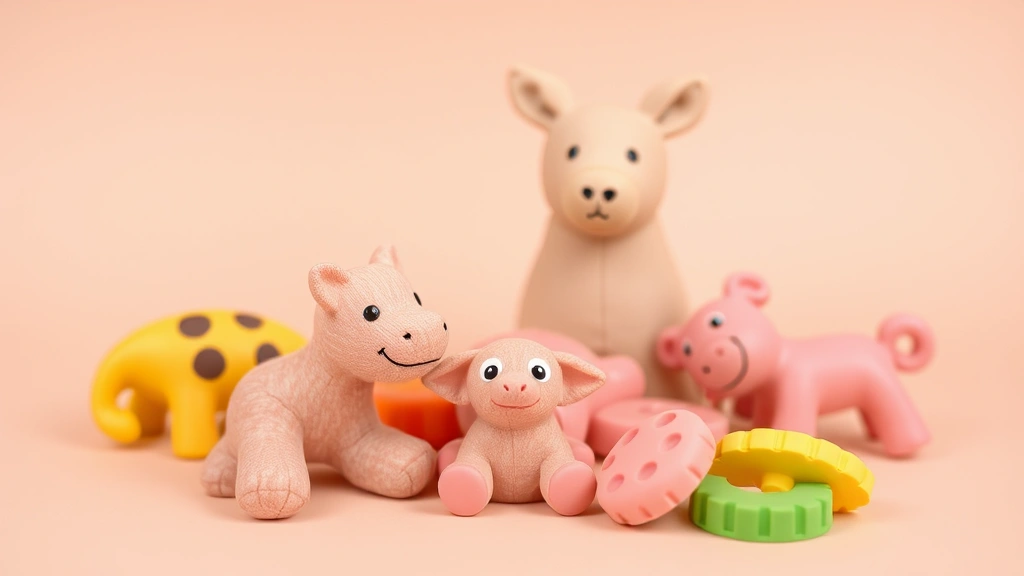
Now we’re talking about something that’ll blow your mind: toys that are actually good for the planet. Traditional rubber and plastic toys last forever in landfills, but compostable pet products now include toys made from natural rubber, wool, and other biodegradable materials.
These toys are durable enough for even aggressive chewers, and when they finally fall apart (because let’s face it, dogs destroy things), they actually decompose naturally. Some brands make toys specifically designed to be composted once they’re too worn for play. Rope toys made from organic cotton, balls made from natural rubber, and chew sticks made from compressed vegetables—all completely compostable.
The best part? They’re often safer than traditional plastic toys. No BPA, no microplastics leaching into your pet’s mouth, and no weird chemical smell. Your dog gets a quality toy, and the Earth gets a break. Check out feeding enrichment toys for options that combine functionality with sustainability.
Biodegradable Pet Bedding and Blankets
Your pet spends hours lounging on their bed, so why not make it sustainable? Compostable pet products extend to bedding made from organic cotton, hemp, or recycled materials. These options are hypoallergenic, machine-washable, and when they finally wear out, they can actually be composted or recycled.
Look for bedding with organic certifications, which means no pesticides were used in growing the materials. This is especially important for pets with sensitive skin or allergies. The durability is impressive too—quality organic cotton bedding outlasts cheap synthetic alternatives by years.
Many eco-conscious brands now offer compostable packaging for their bedding products as well, so you’re reducing waste from the moment the package arrives at your door. It’s a small detail that adds up when you’re committed to the sustainable lifestyle.
Natural and Compostable Pet Grooming Products
Let’s not forget about grooming. Shampoos, conditioners, and dental products designed for pets are often loaded with chemicals that wash down the drain and into our water systems. Sustainable alternatives in the compostable pet products category include solid shampoo bars, natural dental chews, and eco-friendly grooming wipes.
These products are typically made with plant-based ingredients, free from synthetic fragrances, and packaged in minimal or compostable materials. Your pet’s coat will be healthier, your water system will thank you, and you’ll stop contributing to the microplastic problem plaguing our oceans.
The transition is easy—solid shampoo bars last longer than liquid shampoo, so you’re actually saving money while saving the planet. It’s basically a cheat code for responsible pet ownership.
How to Actually Compost Your Pet Products
Okay, so you’ve got all these amazing compostable pet products, but now what? Here’s the thing: not all compostable items can go in your home compost bin. Pet waste, for instance, should only go in commercial composting facilities because home compost doesn’t reach high enough temperatures to kill pathogens.

Check if your city offers commercial composting services. Many municipalities have programs specifically for compostable pet waste. If not, you can create a separate pet waste composting system in your yard using a dedicated bin. Keep it away from vegetable gardens and water sources.
For other compostable pet products like toys, bedding, and packaging, your regular home compost bin is perfect. Just make sure items are actually certified compostable and free of synthetic materials. Greenwashing is real, so always check for third-party certifications.
Cost Comparison: Is It Worth the Investment?
Let’s address the elephant in the room: cost. Yes, compostable pet products are sometimes more expensive than conventional alternatives. But here’s the math: compostable waste bags cost roughly 20-30% more per bag, which translates to maybe $5-10 extra per month depending on your pet’s size.
Compare that to the environmental cost of plastic waste, and suddenly it seems pretty reasonable. Plus, many sustainable products are actually more durable, so you’re buying less frequently. That budget-friendly pet supplements approach applies to eco-friendly products too—buy smart, buy quality, and you’ll save money long-term.
Some pet parents even report that switching to sustainable products encourages them to waste less overall, which saves money in unexpected ways. It’s like a gateway drug to a more intentional lifestyle.
Reading Labels: Spotting Real Compostable Products
Not all products claiming to be “eco-friendly” are created equal. When shopping for compostable pet products, look for these certifications:

BPI (Biodegradable Products Institute): The gold standard for compostable products. If it has the BPI logo, it’s legitimately compostable in commercial facilities.
ASTM D6400: An international standard for compostable plastics. Products meeting this standard will break down in 180 days in commercial composting.
EU 13432: The European equivalent of ASTM D6400. If you see this, you’re looking at a genuinely compostable product.
Avoid vague terms like “biodegradable” or “eco-friendly” without third-party certification. These are marketing words that don’t guarantee anything. A product can be “biodegradable” and still take 500 years to break down. That’s technically true, but not helpful.
Always read the fine print. Some products are only compostable in industrial facilities, not home compost. Others require specific temperature conditions. Understanding these details ensures you’re actually making a difference.
Frequently Asked Questions
Are compostable pet waste bags really better for the environment?
Absolutely. They break down within 6 months in commercial composting facilities, compared to 1,000 years for plastic bags. Even if they end up in a landfill, they decompose much faster than conventional plastic, reducing methane emissions. The environmental benefit is significant, especially when multiplied across millions of pet owners.
Can I flush compostable cat litter down the toilet?
Only if the litter specifically says it’s flushable and your plumbing system can handle it. Even then, check with your local water treatment facility first. Some systems don’t process plant-based litter well. When in doubt, compost it in your yard instead. Always avoid flushing near vegetable gardens.
Do compostable pet toys hold up to aggressive chewers?
Yes, quality compostable toys are surprisingly durable. Natural rubber and reinforced natural fiber toys can withstand heavy chewing. The difference is that when they finally fall apart, they actually decompose instead of sitting in a landfill for centuries. You’re getting durability with a conscience.
Where can I find compostable pet products?
Major retailers now carry sustainable pet products. Check Amazon, Chewy, Petco, and PetSmart for expanding eco-friendly sections. Specialty pet stores and online retailers focused on sustainability often have wider selections. Local pet stores might also order items for you if they don’t stock them.
How much more do compostable pet products cost?
Typically 15-30% more than conventional products, though prices are dropping as demand increases. Compostable waste bags might cost $0.05-0.10 more per bag. Sustainable litter and toys often cost the same or less than premium conventional brands. When you factor in durability and environmental impact, the value is there.
Can I compost pet waste in my home compost bin?
Not recommended for food-producing gardens. Pet waste should only be composted in commercial facilities or dedicated pet waste bins that reach high enough temperatures to eliminate pathogens. Home compost bins typically don’t get hot enough. However, you can create a separate composting system specifically for pet waste away from vegetable gardens.
Making the Switch: Your Action Plan
Ready to jump into the wonderful world of compostable pet products? Start small. Pick one category—maybe pet waste bags—and make the switch. Once that feels normal, add another product. This gradual approach prevents overwhelm and gives you time to find brands you love.

Connect with your local composting facility to understand their requirements. Some accept pet waste, some don’t. Knowing the rules upfront prevents frustration and ensures you’re actually composting correctly.
Share your journey with other pet owners. When friends see how easy it is to switch to sustainable products, they’ll be inspired to make changes too. That’s how movements start—one pet parent at a time.
Remember, perfect is the enemy of good. You don’t need to replace everything overnight. Every compostable product you choose is a win for the planet and a legacy of responsibility for your pet.
The Bottom Line on Eco-Friendly Pet Care
Switching to compostable pet products isn’t about being a perfect environmentalist—it’s about making thoughtful choices that align with your values. Your pet doesn’t care whether their toys are made from plastic or natural rubber, but the planet does. And honestly, so do you, or you wouldn’t be reading this.
The five categories we’ve covered—waste bags, litter, storage, toys, and bedding—represent the biggest opportunities to reduce your pet’s environmental impact. Start with whichever feels most doable for your lifestyle, and build from there.
Your pet loves you unconditionally. The least you can do is love the planet they depend on just as fiercely. Sustainable pet care isn’t a sacrifice—it’s an investment in a better future for everyone with fur, fins, or feathers.
So go ahead, make the switch. Your pet will be just as happy, and the Earth will be infinitely grateful.





