

Many dog owners find themselves wondering whether it’s safe to share their bread with their furry companions. While bread isn’t inherently toxic to dogs, the question of whether bread is bad for dogs is more nuanced than a simple yes or no answer. Understanding the potential risks and benefits can help you make informed decisions about your pet’s diet.
Most commercial breads contain ingredients that, while not immediately dangerous, may not provide the nutritional value your dog needs and could potentially cause digestive issues or contribute to weight gain. As responsible pet owners, it’s crucial to examine what’s really in that slice of bread before offering it as a treat to your beloved canine friend.
Nutritional Analysis of Bread for Dogs
From a nutritional standpoint, bread offers very little benefit to dogs. Most commercial breads are primarily composed of refined carbohydrates, which provide quick energy but lack the essential nutrients dogs need for optimal health. Unlike rice, which can be a beneficial carbohydrate source for dogs, bread often contains empty calories that contribute to weight gain without nutritional value.
The typical slice of white bread contains approximately 70-80 calories, mostly from simple carbohydrates and a small amount of protein. However, dogs require a diet rich in high-quality animal proteins, healthy fats, and specific vitamins and minerals that bread simply cannot provide. The American Veterinary Medical Association emphasizes that dogs need a balanced diet formulated specifically for their nutritional requirements.
When compared to other carbohydrate sources like quinoa, bread falls short in terms of nutritional density. Quinoa provides complete proteins and essential amino acids, while bread primarily offers refined flour with minimal nutritional benefits. This stark difference highlights why veterinary nutritionists generally recommend avoiding bread as a regular part of a dog’s diet.
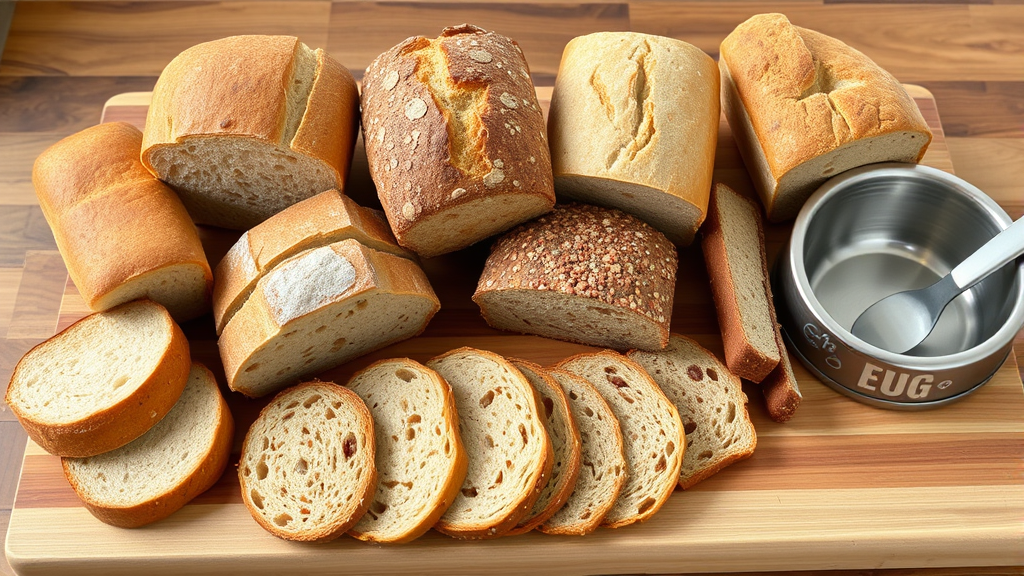
Potential Health Risks of Feeding Bread to Dogs
The primary concern with feeding bread to dogs lies in its potential to cause obesity and related health complications. Dogs that regularly consume high-carbohydrate, low-nutrient foods like bread are at increased risk for weight gain, which can lead to diabetes, joint problems, and cardiovascular issues. The American Kennel Club reports that obesity affects over 50% of dogs in the United States, making portion control and food choices critical.
Additionally, the high sodium content in many commercial breads can be problematic for dogs, especially those with heart conditions or kidney disease. Unlike humans, dogs have a much lower tolerance for sodium, and excessive intake can lead to increased blood pressure and strain on vital organs. Some breads contain up to 200mg of sodium per slice, which represents a significant portion of a dog’s daily sodium allowance.
Another significant risk involves the rapid expansion of bread dough in a dog’s stomach if uncooked bread or dough is consumed. This can cause dangerous bloating and potentially life-threatening gastric distension. The fermentation process of yeast in the stomach can also produce alcohol, leading to alcohol poisoning in dogs.
Toxic Ingredients Commonly Found in Bread
Many bread varieties contain ingredients that are toxic to dogs, making it essential to read labels carefully before sharing any bread products. Garlic and onion powder are common flavoring agents in artisanal and seasoned breads, both of which are highly toxic to dogs and can cause hemolytic anemia. Even small amounts can be dangerous, as these compounds accumulate in a dog’s system over time.
Xylitol, an artificial sweetener found in some sugar-free breads, poses an extreme danger to dogs. This sweetener can cause rapid insulin release, leading to severe hypoglycemia within 10-60 minutes of consumption. The ASPCA Animal Poison Control Center lists xylitol as one of the most dangerous substances dogs can consume.
Raisins and nuts, often found in specialty breads, represent additional toxic threats. Raisins can cause kidney failure in dogs, while certain nuts like macadamia nuts can cause weakness, vomiting, and tremors. These ingredients make flavored breads particularly hazardous, similar to how chocolate poses serious risks to canine health.
Digestive Issues and Allergic Reactions
Dogs can experience various digestive issues when consuming bread, particularly if they have grain sensitivities or wheat allergies. Common symptoms include diarrhea, vomiting, excessive gas, and abdominal discomfort. These reactions occur because many dogs lack the digestive enzymes necessary to properly break down complex carbohydrates found in wheat-based products.
Gluten intolerance, while less common in dogs than humans, can still affect some breeds, particularly Irish Setters who are genetically predisposed to gluten-sensitive enteropathy. Dogs with this condition may experience chronic diarrhea, weight loss, and poor coat condition when exposed to gluten-containing foods like bread.
The high fiber content in whole grain breads, while generally beneficial, can cause digestive upset in dogs not accustomed to such foods. Unlike processed snacks such as pretzels, which pose their own risks, bread’s fiber content can lead to loose stools or constipation depending on the individual dog’s digestive system and the amount consumed.
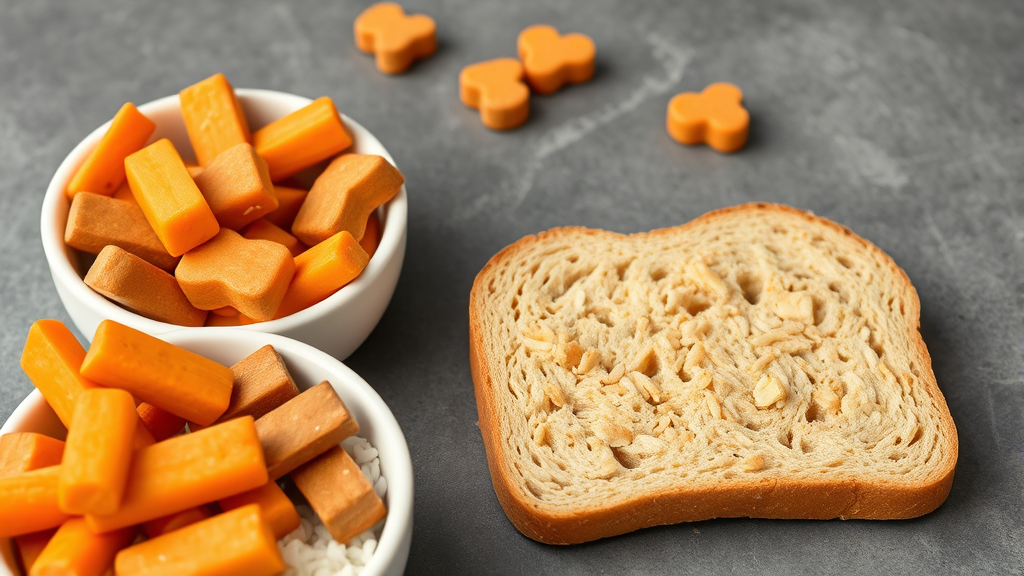
Healthier Snack Alternatives for Dogs
Instead of bread, consider offering your dog healthier carbohydrate alternatives that provide better nutritional value. Brown rice serves as an excellent substitute, offering fiber, B vitamins, and minerals while being easily digestible for most dogs. Similarly, white rice can be beneficial for dogs with sensitive stomachs.
Fresh fruits and vegetables make excellent low-calorie treats that dogs typically enjoy. Carrots provide beta-carotene and help clean teeth, while sweet potatoes offer vitamins A and C along with beneficial fiber. Apple slices (without seeds) provide natural sweetness and fiber, making them a much healthier alternative to bread.
Commercial dog treats specifically formulated for canine nutrition represent the safest option for regular snacking. These treats are designed to complement your dog’s primary diet while providing appropriate portion sizes and nutritional balance. The FDA’s Center for Veterinary Medicine provides guidelines for selecting appropriate pet foods and treats.
For dogs who enjoy the texture of bread, consider offering small pieces of plain, cooked chicken or freeze-dried meat treats. These alternatives provide high-quality protein that supports muscle development and overall health, unlike the empty calories found in most bread products.
Safe Feeding Guidelines When Bread is Consumed
If your dog accidentally consumes bread or you choose to offer a small piece as an occasional treat, certain guidelines can minimize potential risks. Always ensure the bread is plain white or whole wheat without any added seasonings, nuts, raisins, or artificial sweeteners. Remove any crusts, as these tend to be harder to digest and may contain concentrated flavoring agents.
Portion control is crucial when offering bread to dogs. A general rule suggests that treats should not exceed 10% of a dog’s daily caloric intake. For most dogs, this means no more than a small piece of bread per day, and preferably less frequent than daily consumption. Unlike balanced breakfast options such as pancakes, which should also be avoided, plain bread in minimal quantities poses fewer immediate risks.
Monitor your dog closely after bread consumption for any signs of digestive upset, allergic reactions, or unusual behavior. Symptoms such as vomiting, diarrhea, excessive gas, or lethargy warrant immediate attention and may indicate that bread should be completely eliminated from your dog’s diet.
Always provide fresh water when offering any new food to help with digestion and prevent dehydration. The Humane Society recommends introducing any new food gradually and in small quantities to assess your dog’s individual tolerance.
Frequently Asked Questions
Is bread bad for dogs to eat regularly?
Yes, bread is generally not recommended for regular consumption by dogs. While not immediately toxic, bread provides empty calories with little nutritional value and can contribute to obesity, digestive issues, and nutrient imbalances. Regular bread consumption can displace more nutritious foods from your dog’s diet and lead to weight-related health problems.
What happens if my dog eats a whole loaf of bread?
If your dog consumes a large amount of bread, monitor them closely for signs of bloating, vomiting, or distress. The bread will likely expand in their stomach, potentially causing discomfort or obstruction. Contact your veterinarian immediately, especially if the dog shows signs of lethargy, excessive drooling, or attempts to vomit without success. Large quantities of bread can also lead to dangerous spikes in blood sugar levels.
Can puppies eat bread?
Puppies should not be given bread, as their developing digestive systems are more sensitive than adult dogs. Puppies require carefully balanced nutrition for proper growth and development, and bread can interfere with their nutritional needs. Additionally, puppies are more susceptible to digestive upset and allergic reactions from foods outside their regular diet.
Is sourdough bread safer for dogs than regular bread?
Sourdough bread is not necessarily safer for dogs than regular bread. While the fermentation process may break down some compounds, sourdough still contains the same basic ingredients as regular bread, including refined carbohydrates and often salt. Some sourdough breads may contain additional ingredients like garlic or herbs that are toxic to dogs, making them potentially more dangerous.
What should I do if my dog ate bread with raisins?
If your dog consumed bread containing raisins, this is a medical emergency requiring immediate veterinary attention. Raisins are highly toxic to dogs and can cause kidney failure even in small amounts. Do not wait for symptoms to appear – contact your veterinarian or emergency animal hospital immediately. Time is critical in treating raisin toxicity.
Can dogs with diabetes eat bread?
Dogs with diabetes should never be given bread due to its high carbohydrate content and potential to cause dangerous blood sugar spikes. Diabetic dogs require carefully controlled diets with consistent carbohydrate levels, and bread can disrupt this balance. Always consult with your veterinarian about appropriate treats for diabetic dogs.
Are there any types of bread that are safe for dogs?
While no bread is ideal for dogs, plain white or whole wheat bread without added ingredients poses the least risk when given in very small quantities. However, even these should only be offered occasionally and never as a regular treat. Always avoid breads containing garlic, onions, raisins, nuts, seeds, or artificial sweeteners, as these ingredients can be toxic to dogs.





