
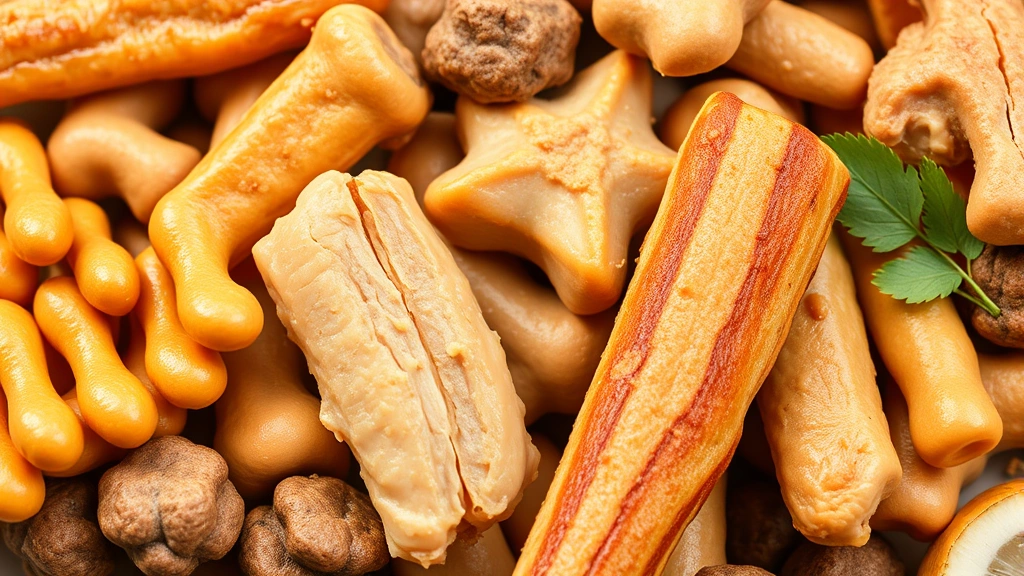
Your furry friend deserves snacks that won’t turn them into a furry potato, and that’s where organic pet treats come in to save the day. If you’re tired of reading ingredient labels that look like a chemistry experiment gone wrong, it’s time to explore treats made from actual food instead of mysterious powders and questionable by-products.
Table of Contents
- Why Organic Pet Treats Matter More Than You Think
- Understanding Labels: What “Organic” Really Means
- The Top 5 Organic Pet Treats Your Pet Will Actually Love
- Benefits That Go Beyond Good Ingredients
- Organic Treats for Specific Dietary Needs
- Cost Considerations: Is Organic Worth the Price Tag?
- How to Transition Your Pet to Organic Treats
- Recommended Organic Treats from Trusted Brands
- Storage and Shelf Life of Organic Treats
- Frequently Asked Questions
- Conclusion: Making the Switch to Organic
Why Organic Pet Treats Matter More Than You Think
Let’s be honest—most conventional pet treats are basically junk food for dogs and cats. They’re loaded with artificial flavors, preservatives, and fillers that do nothing but pad your pet’s waistline and potentially cause digestive upset. Organic pet treats, on the other hand, are made from ingredients you can actually pronounce and recognize. Your vet will probably give you a knowing nod of approval when you mention switching to organic options.
The difference between regular and organic treats comes down to sourcing and processing. Organic treats skip the synthetic pesticides, artificial colors, and mystery meat meals. Instead, they feature whole foods like real chicken, sweet potatoes, and pumpkin. Your pet’s digestive system will thank you, and you’ll feel like an actual responsible pet parent instead of just throwing whatever’s on sale into their bowl.
Understanding Labels: What “Organic” Really Means
Before you start filling your cart with treats labeled “organic,” you need to know what that word actually means. In the pet food industry, “organic” certification means the ingredients meet USDA standards—no synthetic pesticides, no artificial hormones, and no weird chemical additives. It’s not just marketing fluff (though some companies definitely try to make it seem that way).
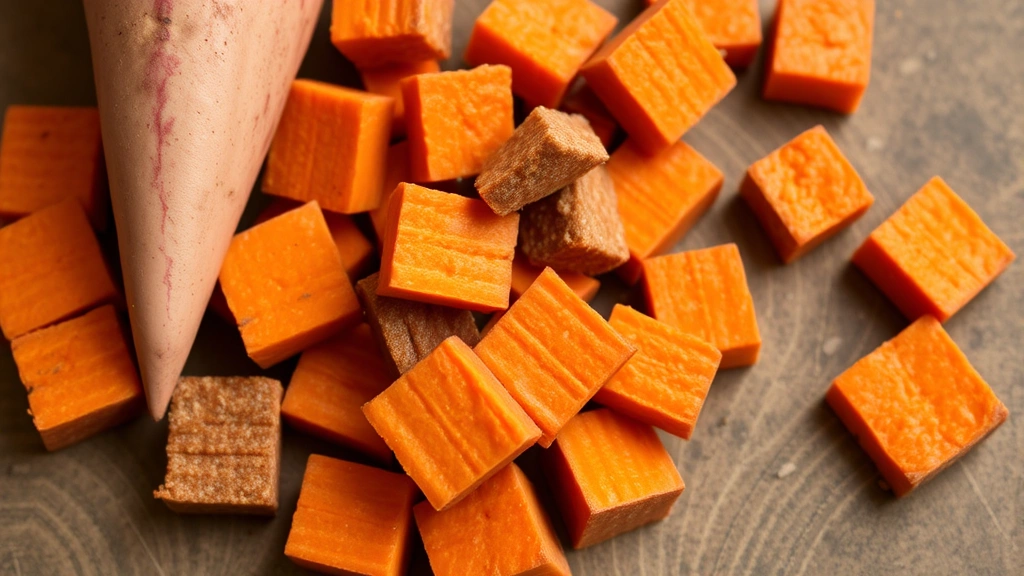
When shopping for natural pet treats and organic options, look for certifications from legitimate organizations. AAFCO (Association of American Feed Control Officials) sets standards for pet food, while USDA organic certification is the gold standard. If a treat claims to be organic but doesn’t have these certifications backing it up, it’s probably just expensive regular treats with a fancy label.
The Top 5 Organic Pet Treats Your Pet Will Actually Love
Ready to upgrade your pet’s snack game? Here are five organic treat options that’ll make your pet’s tail wag (or purr) with genuine enthusiasm:
1. Free-Range Chicken Strips
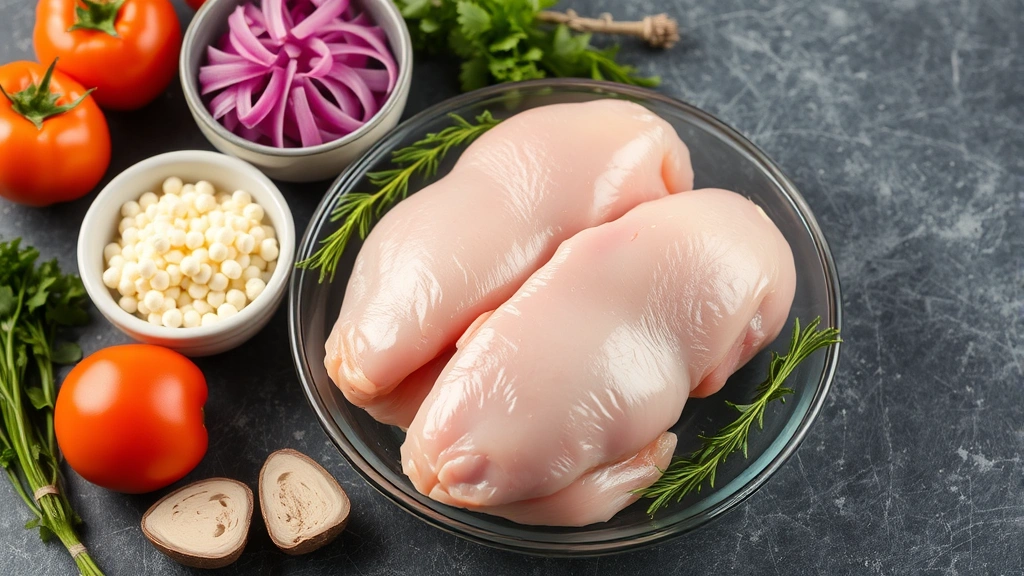
Chicken is basically the gateway drug of pet treats—almost every pet loses their mind for it. Organic, free-range chicken strips contain nothing but actual chicken meat, dried to perfection. No breading, no weird sauces, just pure poultry goodness. These treats are protein-packed and perfect for training sessions or just making your pet love you even more than they already do.
2. Sweet Potato Chews
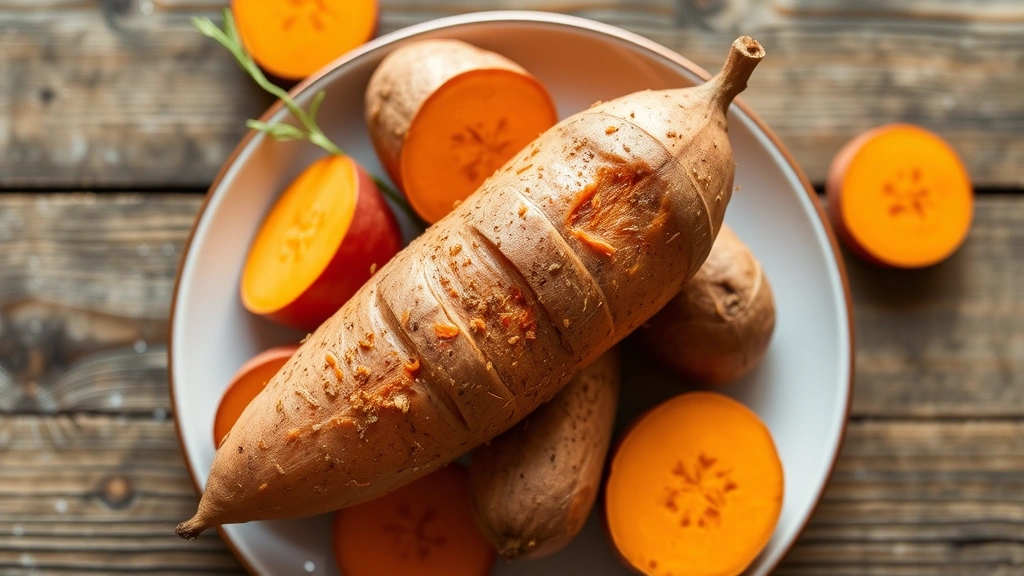
If your pet has a sweet tooth (yes, they can), organic sweet potato chews are a game-changer. They’re naturally sweet, packed with fiber, and won’t cause blood sugar spikes like sugary treats. Plus, they’re chewy enough to keep your pet entertained for a solid chunk of time, which means fewer demands for your attention while you’re trying to work.
3. Pumpkin-Based Treats
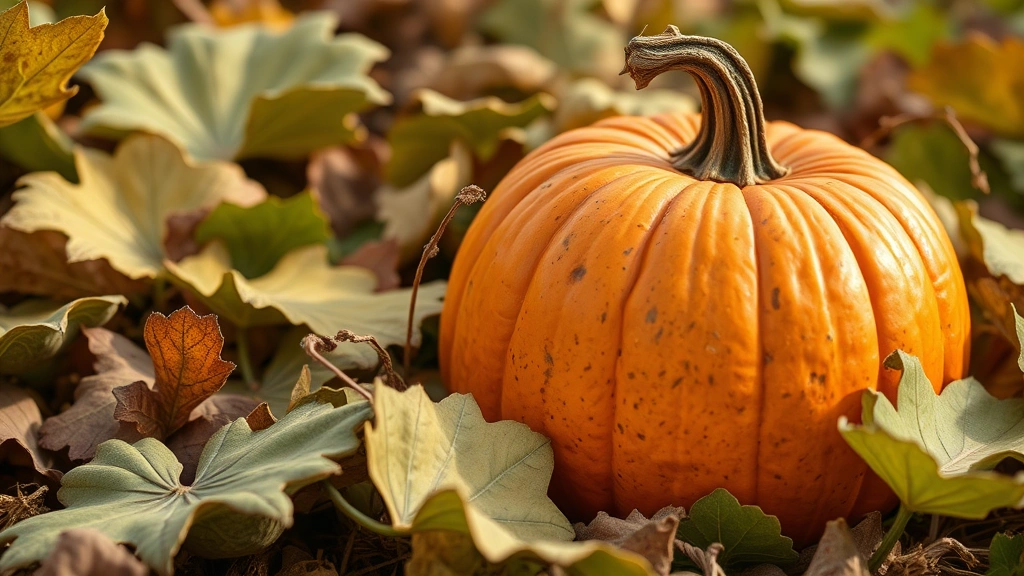
Pumpkin is basically the superfood of the pet world. It aids digestion, supports healthy weight management, and most pets actually enjoy the flavor. Look for organic pumpkin treats that combine pumpkin with other whole food ingredients like oats or carrots. Your pet gets nutrition, you get peace of mind—it’s a win-win.
4. Bone Broth Biscuits
Bone broth has become trendy for humans, and the pet food industry caught on for good reason. Organic bone broth biscuits support joint health, improve coat quality, and provide collagen and other beneficial compounds. Plus, they smell amazing (to your pet—they might smell a little funky to you).

3. Freeze-Dried Meat Treats
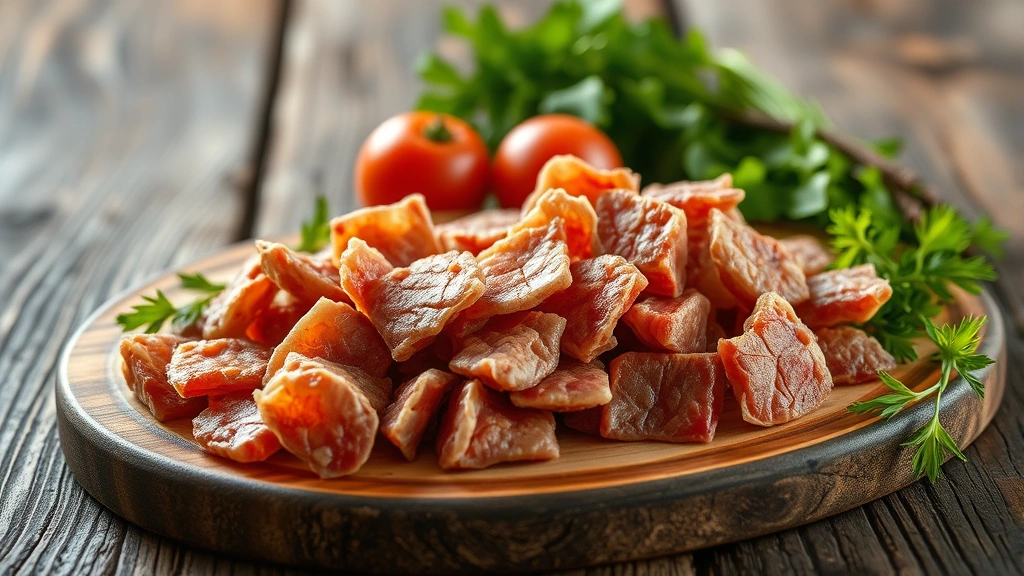
Want the ultimate in organic simplicity? Freeze-dried meat treats contain literally one ingredient: meat. Beef, chicken, turkey, or fish—your pet gets pure protein with zero additives. They’re lightweight, shelf-stable, and so nutrient-dense that you can use smaller portions than with other treats.
Benefits That Go Beyond Good Ingredients
Switching to organic pet treats isn’t just about avoiding scary chemicals (though that’s definitely part of it). Your pet will likely experience real, noticeable improvements. Better digestion means fewer trips outside at 3 AM. Healthier skin and coat means less scratching and shedding. Stable energy levels mean your pet isn’t bouncing off walls from sugar crashes.
Many pet owners also report that their animals maintain healthier weights when switched to organic treats. Since these treats are more nutrient-dense, your pet feels satisfied with smaller portions, which helps with pet obesity prevention. Plus, when you’re feeding quality nutrition, you’re investing in fewer vet visits down the road.

Organic Treats for Specific Dietary Needs
Not all pets have the same nutritional needs. Senior dogs might benefit from treats with joint support, while puppies need different nutrient ratios. That’s where breed-specific feeding needs come into play. Many organic treat companies now offer specialized options for different life stages and health considerations.
If your pet has allergies or sensitivities, organic treats become even more valuable. You can actually read every ingredient and avoid the culprits causing problems. Some pets do better with limited ingredient treats, while others thrive on more complex recipes. Experimenting with pet food supplement boosters alongside organic treats can address specific health goals too.
Cost Considerations: Is Organic Worth the Price Tag?
Yes, organic treats cost more than the mystery meat nuggets at your local big-box store. But here’s the thing—you’re not just paying for the word “organic.” You’re paying for quality sourcing, better processing methods, and treats that actually contribute to your pet’s health instead of detracting from it. Think of it as preventative healthcare wrapped in a delicious package.
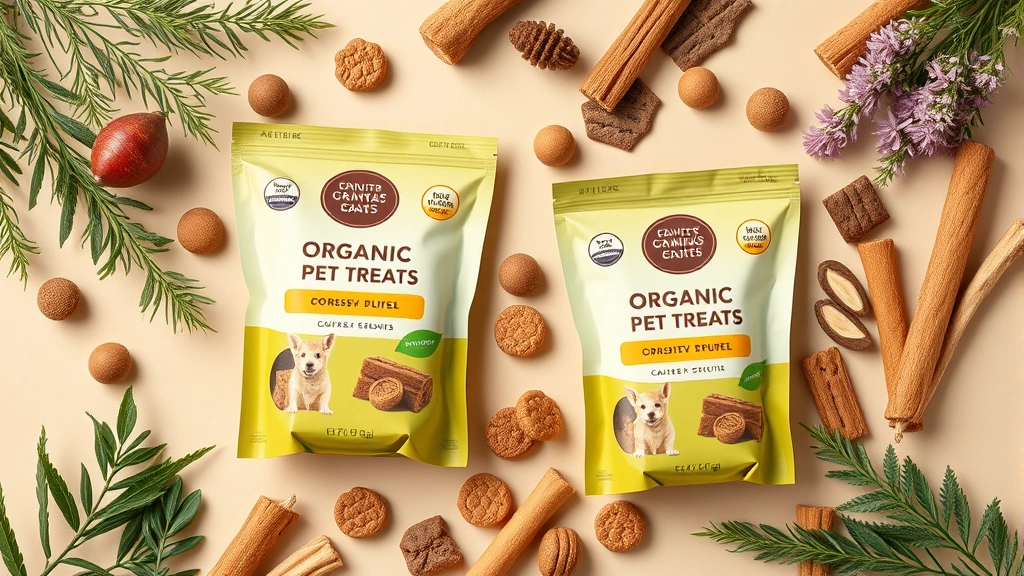
When you factor in potential vet bills from digestive issues, allergies, or obesity-related problems, those premium organic treats start looking like a bargain. Plus, you can feel good about supporting companies that actually care about ingredient quality instead of just maximizing profit margins.
How to Transition Your Pet to Organic Treats
If your pet has been living on conventional treats, don’t just swap everything overnight. Introduce organic treats gradually, mixing them with familiar options over about a week. This gives your pet’s digestive system time to adjust without causing upset stomach or loose stools. Most pets transition smoothly, but some sensitive stomachs need a slower introduction.
Start with single-ingredient treats if your pet has never had organic options before. This helps you identify if any ingredients cause reactions. Once you’ve found some winners, you can expand to more complex recipes. Keep track of which treats your pet loves most—every pet has preferences, and finding their favorites makes training and bonding way more fun.
Recommended Organic Treats from Trusted Brands
While I can’t recommend specific brands without knowing your pet’s individual needs, I can tell you what to look for. Check out AKC resources for breed-specific treat recommendations, and PetMD’s treat guides for nutritional information. Many veterinarian-recommended supplements companies also produce high-quality organic treats worth exploring.
Look for brands that are transparent about sourcing, clearly display certifications, and have positive reviews from actual pet owners (not just paid testimonials). The best organic treat is one your pet actually enjoys eating and that fits your budget—there’s no point buying premium treats if they sit in the cupboard uneaten.
Storage and Shelf Life of Organic Treats
Since organic treats skip the artificial preservatives, they typically have shorter shelf lives than conventional options. Most last 6-12 months in cool, dry storage, though some freeze-dried options last longer. Check expiration dates, store them properly (airtight containers work great), and don’t buy massive quantities unless you have multiple pets or go through treats quickly.
Proper storage is important because organic treats without synthetic preservatives can go rancid or develop mold if exposed to moisture or heat. Your kitchen pantry is usually fine, but avoid storing them in humid bathrooms or warm garages. When in doubt, refrigerate or freeze them—your pet won’t mind thawed treats, and it extends shelf life significantly.
Frequently Asked Questions
Are organic pet treats significantly more expensive than regular treats?
Yes, organic treats typically cost 30-50% more than conventional options, but you’re paying for quality ingredients, better sourcing, and treats that actually support your pet’s health. When you factor in potential vet bills from diet-related issues, the premium often pays for itself. Plus, pet supplement starter kits can help you create a comprehensive wellness approach that justifies the investment.
Can organic treats help with my pet’s allergies?
Absolutely. Since organic treats contain fewer ingredients and no artificial additives, they’re often easier on sensitive digestive systems. If your pet has allergies, you can identify and avoid specific triggers more easily with organic options. However, you should still work with your vet to identify the actual allergens and choose treats accordingly.
Are all organic treats actually better for pets?
Not necessarily. Some organic treats still contain high amounts of fat or salt, or use organic ingredients that your specific pet might not tolerate well. The organic label is a good starting point, but you still need to read ingredient lists and consider your individual pet’s nutritional needs.
Can I make my own organic pet treats at home?
Yes! Homemade treats give you complete control over ingredients. Simple recipes using organic chicken, sweet potatoes, and oats work great. Just make sure you’re not adding anything toxic to pets (like xylitol, chocolate, or grapes), and consult your vet about nutritional balance if treats make up a significant portion of your pet’s diet.
How do I know if a treat is truly organic?
Look for USDA organic certification and AAFCO compliance statements on the packaging. Check the ingredient list for recognizable whole foods, and research the company’s sourcing practices. If a brand can’t clearly explain their organic certification or sourcing, it’s probably not as organic as they claim.
Are organic treats better for weight management?
Generally yes, because they’re more nutrient-dense and often contain fewer fillers and empty calories. Your pet feels satisfied with smaller portions, which helps with weight control. However, treats should still only make up about 10% of your pet’s daily caloric intake, organic or not. Pair organic treats with proper portion control and exercise for best results.
Conclusion: Making the Switch to Organic
Switching your pet to organic treats is one of the easiest ways to improve their overall health and wellbeing. You’re eliminating unnecessary chemicals, providing better nutrition, and supporting companies that actually care about ingredient quality. Your pet gets healthier snacks, you get peace of mind, and everyone wins.
Start by identifying which organic treat options appeal to your pet, introduce them gradually, and monitor how your pet responds. Most pets thrive on organic treats, showing improvements in digestion, coat quality, energy levels, and overall health. It’s a simple change that delivers real results, and honestly, if you’re going to splurge on your pet (and let’s be real, you will), organic treats are one of the smartest places to invest that money. Your furry friend will thank you with extra tail wags and that special look that says, “You’re the best pet parent ever.”





