
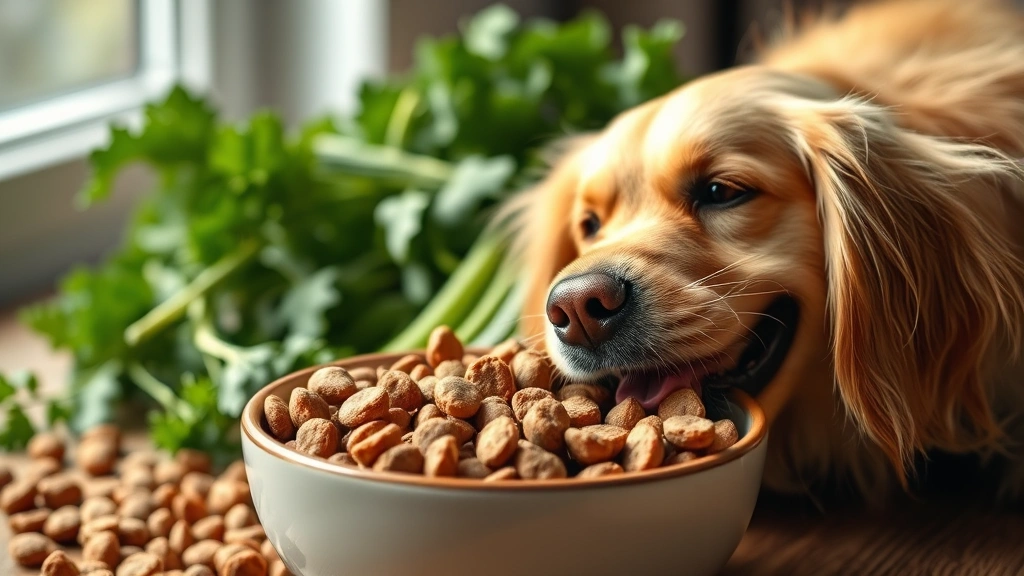
Cricket protein pet food is revolutionizing how we feed our beloved dogs and cats, and honestly, it’s about time we talked about this game-changer. If you’ve been scrolling through pet food aisles wondering what all the buzz is about, you’re in the right place. This guide breaks down everything you need to know about cricket-based pet nutrition, from the science behind it to which brands actually deliver on their promises.
Table of Contents
- What Exactly Is Cricket Protein Pet Food?
- Why Pet Owners Are Making the Switch to Insect-Based Proteins
- Nutritional Benefits: What Makes Cricket Protein Stand Out
- Insect-Based Pet Nutrition: The Broader Picture
- Reading Cricket Protein Pet Food Labels Like a Pro
- Top Cricket Protein Pet Food Brands Worth Your Money
- Transitioning Your Pet to Cricket Protein: A Smart Approach
- Addressing Common Concerns About Cricket Protein Pet Food
- Cost Comparison: Is Cricket Protein Pet Food Worth the Premium?
- Environmental Impact: Why Cricket Protein Matters for the Planet
- Digestibility and Nutrient Absorption: The Science Behind Better Health
- Cricket Protein for Specific Pet Types: Dogs vs. Cats
- Where to Buy Cricket Protein Pet Food in 2024
- Frequently Asked Questions
- Final Thoughts: Making the Cricket Protein Decision
What Exactly Is Cricket Protein Pet Food?
Let’s cut through the confusion right away. Cricket protein pet food contains actual crickets—or more specifically, cricket flour and cricket meal—as a primary protein source instead of traditional chicken, beef, or fish. These little insects pack a serious nutritional punch, delivering complete amino acid profiles that rival conventional meat proteins. Your pet gets all nine essential amino acids needed for muscle development, energy, and overall health. The best part? Crickets are sustainable, require minimal water compared to livestock farming, and your pup or kitty absolutely doesn’t care that their dinner used to chirp.
Why Pet Owners Are Making the Switch to Insect-Based Proteins
The shift toward cricket protein for pets isn’t just a trendy fad—it’s backed by legitimate nutritional science and environmental responsibility. Dogs and cats thrive on this protein source because it’s highly digestible and contains all the amino acids they need. Many pet owners report improved coat quality, better digestion, and increased energy levels within weeks of switching. Plus, if your furry friend has sensitivities to chicken or beef, cricket protein offers a novel protein alternative that can reduce allergic reactions. Check out our guide on Food Allergies Feeding Routine to understand how alternative proteins help manage dietary sensitivities.
Nutritional Benefits: What Makes Cricket Protein Stand Out
Cricket protein contains roughly 60-70% crude protein by weight, which is exceptional. Beyond protein, crickets deliver B vitamins, omega-3 fatty acids, and minerals like iron and zinc. They’re also rich in chitin, a prebiotic fiber that supports gut health and beneficial bacteria growth in your pet’s digestive system. Unlike some plant-based proteins that lack complete amino acid profiles, cricket protein gives your pet everything they need in a single ingredient. The sustainability angle matters too—producing cricket protein uses 2,000 times less water than beef production and requires minimal feed inputs.
Insect-Based Pet Nutrition: The Broader Picture
Cricket protein sits within the larger category of insect-based pet nutrition, which includes mealworms, black soldier fly larvae, and grasshoppers. However, crickets have become the industry standard because they’re easier to farm, more palatable to pets, and have the longest track record of safety data. The European Pet Food Industry Federation has approved cricket protein for pet consumption, and it’s gaining regulatory approval across North America. This isn’t some fringe movement—it’s the future of sustainable pet feeding, and major brands are investing heavily in cricket-based formulas.
Reading Cricket Protein Pet Food Labels Like a Pro
When shopping for cricket protein pet food, look for products where cricket meal or cricket flour appears in the first three ingredients. The ingredient list tells you everything. Quality brands list specific protein sources rather than vague terms like “meat meal” or “animal by-products.” Check the crude protein percentage—aim for at least 22% for dogs and 26% for cats. Don’t get fooled by marketing language like “cricket-flavored” or “cricket-inspired.” You want actual cricket protein, not a product that just smells like crickets (which would be weird, honestly). Our article on Pet Food Supplement Boosters explains how to identify quality protein sources in any pet food formula.
Top Cricket Protein Pet Food Brands Worth Your Money
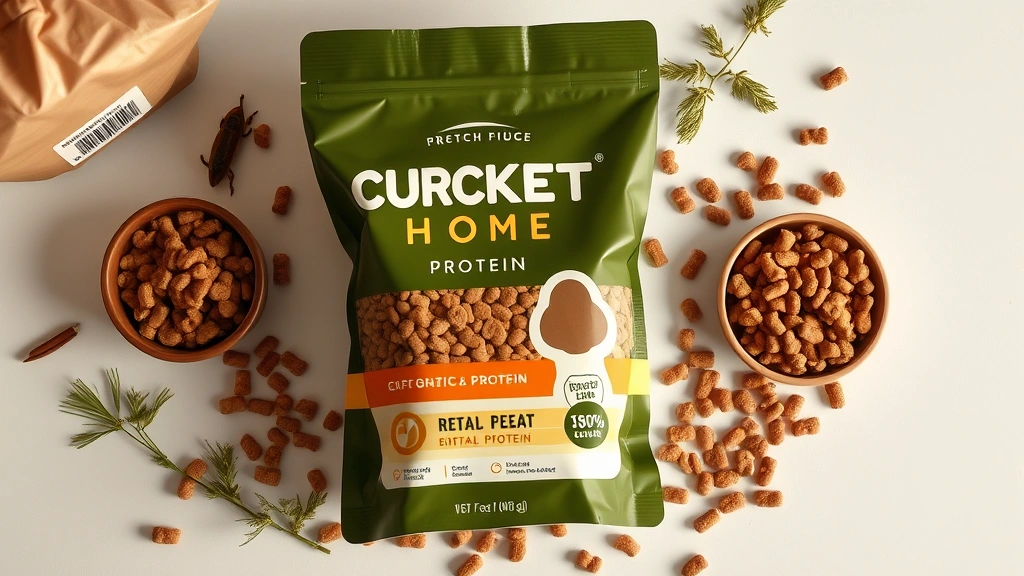
Several brands have genuinely nailed the cricket protein formula. Jiminy’s has been leading the charge with their cricket-based kibble and treats, offering options for both dogs and cats. Entomo Petfood delivers premium cricket protein blends with added vegetables and probiotics. Bitsy’s Braised Beef uses cricket protein as a complementary ingredient alongside traditional proteins, which works great for pets transitioning to insect-based diets. Akela offers cricket protein in their limited ingredient lines, perfect for sensitive dogs. These brands consistently score well on ingredient quality, nutritional completeness, and customer satisfaction. Do your homework by checking third-party reviews and asking your vet for recommendations based on your pet’s specific needs.
Transitioning Your Pet to Cricket Protein: A Smart Approach
Don’t just dump a bowl of cricket protein kibble in front of your pet and expect them to celebrate. Gradual transitions prevent digestive upset and give your pet time to adjust to the new flavor and texture. Start by mixing 25% new cricket protein food with 75% of their current food for 3-5 days. Move to 50/50 for another week, then 75% new food with 25% old food for the final transition week. Most pets adapt within two weeks, though some might take longer. If your pet has a sensitive stomach, slow the transition down even more. Keep an eye on stool quality, energy levels, and overall behavior during this period. Our guide on Feeding Schedules for Pets provides detailed information on how to adjust feeding routines during dietary changes.
Addressing Common Concerns About Cricket Protein Pet Food
“Will my pet actually eat cricket-based food?” Yes, most do. Crickets have a naturally savory flavor that appeals to carnivores. “Is cricket protein safe?” Absolutely. Cricket farming is heavily regulated, and the protein undergoes rigorous safety testing. “Will it upset my pet’s stomach?” Only if you transition too quickly. “Is it more expensive?” Cricket protein typically costs 10-15% more than conventional pet foods, but you’re paying for sustainability and superior nutrition. “What about allergies to crickets?” True cricket allergies are rare, but if your pet has a shellfish allergy (since crickets are arthropods), consult your vet first. The American Kennel Club recognizes insect-based proteins as legitimate nutrition sources, and PetMD has published articles supporting their safety and efficacy.
Cost Comparison: Is Cricket Protein Pet Food Worth the Premium?
Let’s talk money. A 25-pound bag of quality cricket protein kibble typically costs $40-60, compared to $25-45 for conventional proteins. That’s roughly $1.60-2.40 per pound versus $1.00-1.80 for traditional options. However, the superior digestibility means your pet absorbs more nutrients and often requires smaller portions. Many owners report needing 10-15% less food to maintain ideal body weight, which partially offsets the higher per-pound cost. Factor in potential vet visits avoided due to fewer food sensitivities and digestive issues, and the economics start looking pretty favorable. Check out our article on Caloric Needs for Dogs to calculate exactly how much food your pet actually needs.
Environmental Impact: Why Cricket Protein Matters for the Planet
Here’s the thing that gets pet parents excited about cricket protein pet food: the environmental footprint is dramatically smaller than traditional pet food production. Cricket farming requires 99% less water than beef production, uses a fraction of the land, and generates minimal greenhouse gases. A single cricket farm can produce as much protein as a massive cattle ranch in a fraction of the space. Pet food represents a significant portion of global meat consumption, so switching to insect-based proteins actually matters at scale. If you care about your pet’s health AND the planet’s health, cricket protein aligns perfectly with both values.
Digestibility and Nutrient Absorption: The Science Behind Better Health
Cricket protein boasts a digestibility rate of 80-90%, meaning your pet’s body can access and utilize most of the nutrients in the food. Compare that to some conventional proteins at 75-85%, and you’re looking at meaningfully better nutrient absorption. The chitin in crickets acts as a prebiotic, feeding beneficial bacteria in your pet’s gut and supporting a healthier microbiome. This translates to better digestion, improved immune function, and fewer digestive issues over time. Many vets now recommend cricket protein specifically for pets with inflammatory bowel conditions or chronic digestive problems. The amino acid profile is also perfectly balanced for muscle maintenance and recovery, especially important for active dogs and aging pets.
Cricket Protein for Specific Pet Types: Dogs vs. Cats
Dogs absolutely thrive on cricket protein, and it works for all life stages from puppies to seniors. The high protein content supports growing puppies, active adults, and aging dogs needing muscle maintenance. Cats are obligate carnivores, so you’d think they’d be pickier, but many cats actually prefer the taste of cricket-based foods. However, ensure any cricket protein formula for cats meets AAFCO standards for feline nutrition, particularly taurine content. Some cricket protein foods are formulated specifically for cats with added taurine and adjusted nutrient ratios. Our article on Size-Based Portion Control explains how to adjust portions based on your pet’s size and life stage.
Where to Buy Cricket Protein Pet Food in 2024
You’ve got options. Online retailers like Chewy, Amazon, and Petco carry multiple cricket protein brands with convenient subscription options. Direct-to-consumer brands often offer the best prices and freshest products. Local pet specialty stores increasingly stock cricket-based foods and can provide personalized recommendations. Some vets now carry premium cricket protein brands in their clinics. Costco and Sam’s Club occasionally feature insect-based pet foods at competitive prices. Read reviews on multiple platforms before committing to a brand, and don’t hesitate to ask for samples before buying full bags. Many companies offer first-purchase discounts or money-back guarantees, so there’s minimal risk in trying new brands.
Frequently Asked Questions
Is cricket protein pet food safe for all dogs and cats?
Cricket protein is safe for the vast majority of pets. It’s particularly beneficial for animals with chicken or beef sensitivities. However, if your pet has a documented shellfish allergy, consult your vet before introducing cricket-based foods since crickets are arthropods. Always transition gradually to any new food, regardless of protein source.

How long does it take to see health improvements after switching to cricket protein?
Most pet owners notice improvements within 2-4 weeks. Coat quality, energy levels, and digestion typically improve first. Weight management and allergy symptom reduction might take 6-8 weeks as the new diet fully takes effect.
Can I mix cricket protein with my pet’s current food permanently?
Absolutely. Many pet owners use cricket protein as part of a rotational diet, mixing it with other quality proteins. This provides nutritional variety and reduces the risk of developing sensitivities to any single protein source.
What’s the shelf life of cricket protein pet food?
Most cricket protein kibble lasts 12-18 months from the manufacturing date when stored in cool, dry conditions. Check the packaging date and store opened bags in airtight containers to maintain freshness.
Is cricket protein more sustainable than plant-based pet foods?
Yes. While plant-based proteins require less water than conventional meat, cricket protein uses even less water and land while providing complete amino acid profiles that plant proteins often lack. It’s the most sustainable complete protein option available.
Will switching to cricket protein help with my pet’s allergies?
Cricket protein often helps pets with chicken, beef, or fish allergies since it’s a completely novel protein source. However, if your pet has true protein allergies rather than sensitivities, consult your vet to determine if cricket protein is appropriate.
Final Thoughts: Making the Cricket Protein Decision
Cricket protein pet food represents a genuine shift in how we can feed our pets—better nutrition, better sustainability, and often better health outcomes. It’s not a gimmick or a trend that will fade away. The science is solid, the environmental benefits are real, and pet owners worldwide are seeing tangible improvements in their animals’ health. Whether you’re motivated by your pet’s wellbeing, environmental concerns, or both, cricket protein deserves serious consideration. Start with a small bag from a reputable brand, transition gradually, and pay attention to how your pet responds. Most likely, you’ll join the growing community of pet parents who’ve discovered that sometimes the best innovations come from the most unexpected places—even if those places used to chirp. Your pet will thank you, and so will the planet.





