
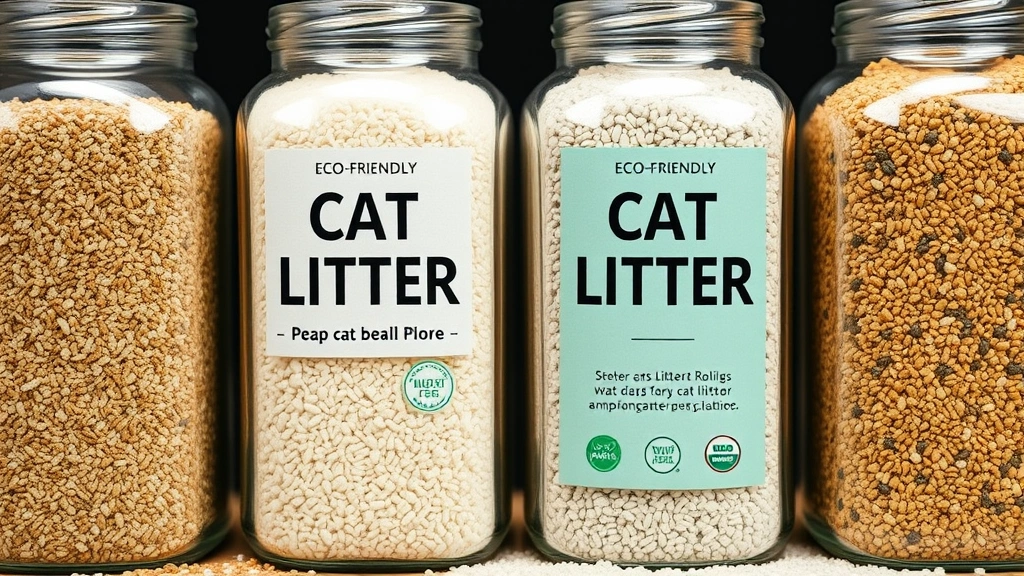
Let’s be honest—sustainable cat litter might not sound like the most thrilling topic, but if you’re a cat parent who actually cares about the planet, it’s absolutely worth your attention. Traditional clay litter has been the default choice for decades, but it’s basically the environmental equivalent of your cat’s litter box: full of stuff nobody really wants to deal with.
Table of Contents
- Why Traditional Cat Litter Is Actually Terrible for the Planet
- What Makes Cat Litter Actually Sustainable?
- Pine Litter: The Woody Wonder
- Paper-Based Litter: The Recycled Champion
- Corn-Based Litter: The Clumping Superstar
- Wheat and Grain-Based Litter: The Natural Option
- Coconut Husk Litter: The Tropical Alternative
- Making the Transition: How to Switch Your Cat Over
- Cost Comparison: Is Sustainable Actually Affordable?
- Health Benefits for Your Cat and Family
- Disposal and Composting Options
- Frequently Asked Questions
- The Bottom Line: Making the Switch
The problem? Most conventional cat litter comes from strip-mined bentonite clay, which destroys ecosystems, produces mountains of non-biodegradable waste, and ends up in landfills where it’ll outlive your great-grandchildren. If you’ve got multiple cats (or even just one), you’re contributing tons of waste annually. The good news? There are fantastic eco-friendly alternatives that actually work better than you’d expect, and your cat probably won’t even notice the difference.
Why Traditional Cat Litter Is Actually Terrible for the Planet
Before we dive into the good stuff, let’s talk about why your current litter choice might be making Mother Earth cry. Conventional clay-based litter is mined through a process that strips topsoil, destroys habitats, and creates massive erosion problems. Once it’s in your cat’s box and then in the landfill, it takes approximately forever to decompose—we’re talking centuries, if ever.
The mining industry for bentonite clay produces significant carbon emissions during extraction and transportation. Plus, these litters often contain silica dust, which is harmful to both your cat’s respiratory system and the environment. It’s basically a lose-lose situation that benefits nobody except the companies making billions off our cats’ bathroom habits.

What Makes Cat Litter Actually Sustainable?
Real sustainable cat litter needs to check several boxes. First, it should be biodegradable or compostable—meaning it actually breaks down in a reasonable timeframe. Second, it should come from renewable resources that don’t require destructive mining. Third, it shouldn’t create respiratory hazards for your cat or your family. And ideally, the production process should have a minimal carbon footprint.
The best eco-friendly options use materials like wood, corn, wheat, recycled paper, or coconut husks. These are agricultural byproducts or rapidly renewable resources that would otherwise end up as waste anyway. They’re clumping, they control odor effectively, and they won’t make you feel like you’re personally responsible for deforestation every time you scoop.

Pine Litter: The Woody Wonder
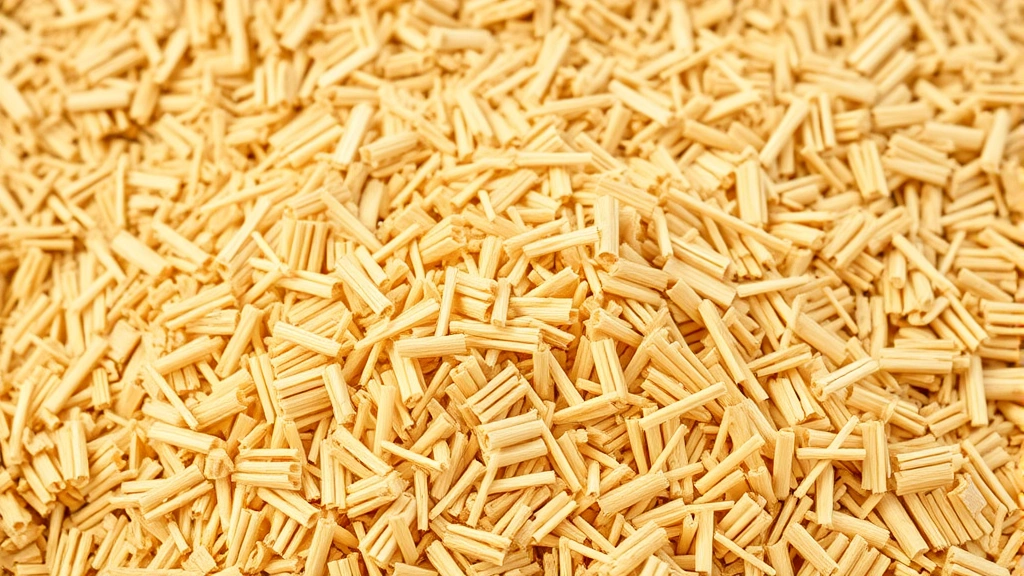
Pine-based sustainable cat litter is made from compressed pine sawdust—a byproduct of the lumber industry that would otherwise be burned or dumped. When your cat uses it, the pine naturally absorbs moisture and odors while breaking down into sawdust. You’ll notice a pleasant woodsy scent (which most cats don’t mind and some humans actually enjoy).
The best part? Pine litter is genuinely affordable and widely available. It’s also lightweight compared to clay, which means less strain on your back when hauling bags home. The main consideration is that some cats are sensitive to pine oils, though most modern pine litters are processed to minimize this issue. Start with a small bag to test your cat’s reaction before committing to a full switch.

Paper-Based Litter: The Recycled Champion
If you want to feel extra virtuous about your litter choice, paper-based sustainable cat litter is made from recycled paper products—literally turning trash into treasure. These litters are extremely soft on paws, hypoallergenic, and perfect for cats with sensitive feet or respiratory issues. They’re also dust-free, which means you won’t be breathing in particles while scooping.
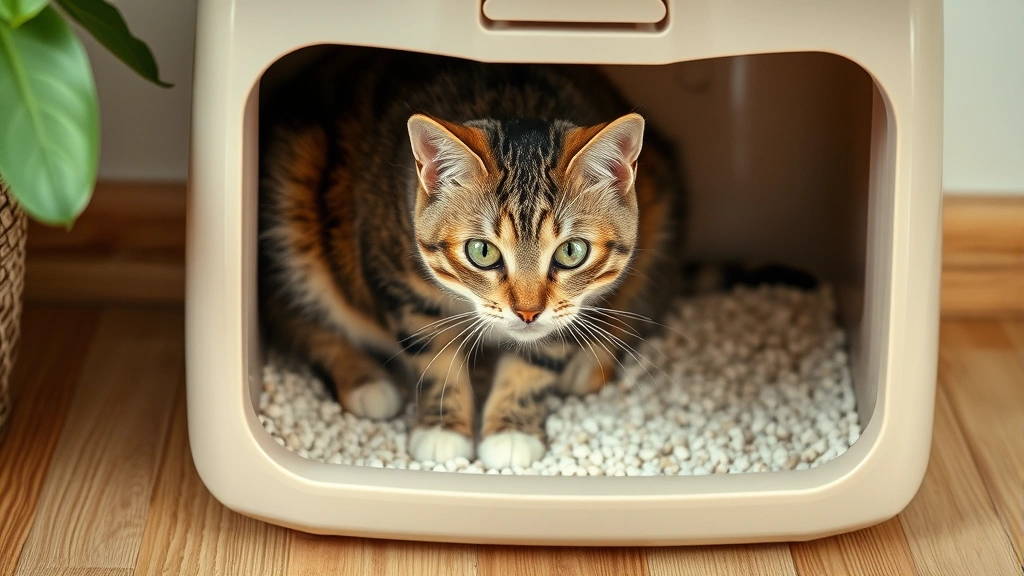
Paper litter does require more frequent scooping than some alternatives because it doesn’t clump as aggressively, but many cat parents find this a worthwhile trade-off. It’s excellent for multi-cat households where you want to minimize dust accumulation. The environmental impact is genuinely minimal since you’re literally recycling waste products into a useful commodity.

Corn-Based Litter: The Clumping Superstar
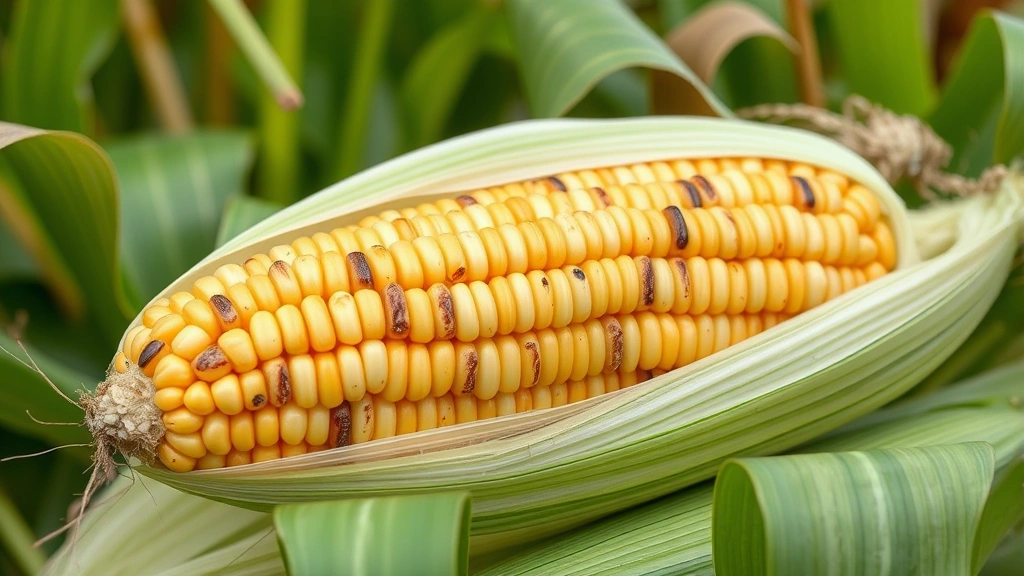
Corn litter offers impressive clumping ability that rivals traditional clay litters, which is why it’s become increasingly popular among eco-conscious cat owners. Made from corn cobs (the woody center of corn ears), this sustainable cat litter is biodegradable and compostable. It controls odor effectively, produces minimal dust, and most cats adapt to it without fussing.
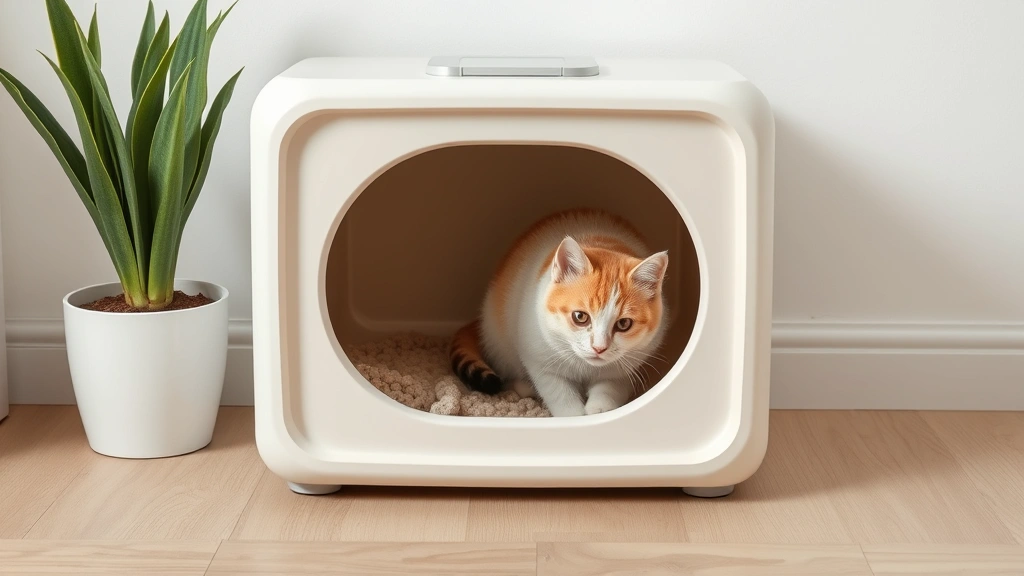
The clumping action is genuinely impressive—you’ll get tight, easy-to-scoop clumps that make maintenance simple. Since corn is a renewable agricultural resource, you’re supporting sustainable farming practices rather than destructive mining operations. Just note that some cats might track corn litter more than they would clay, so you may need a larger litter mat.

Wheat and Grain-Based Litter: The Natural Option
Wheat and grain-based sustainable cat litter products use agricultural byproducts that would otherwise be wasted. These litters clump effectively, control odors naturally, and are completely biodegradable. They’re softer on paws than clay and generally produce less dust, making them excellent for cats with asthma or allergies.

The main consideration is that some cats (and some humans) find grain-based litters attract insects or develop mold if stored improperly in humid environments. Keep bags in a dry location and consider using airtight containers once opened. The clumping performance is solid, and the environmental credentials are genuinely impressive—you’re supporting agricultural waste reduction.

Coconut Husk Litter: The Tropical Alternative
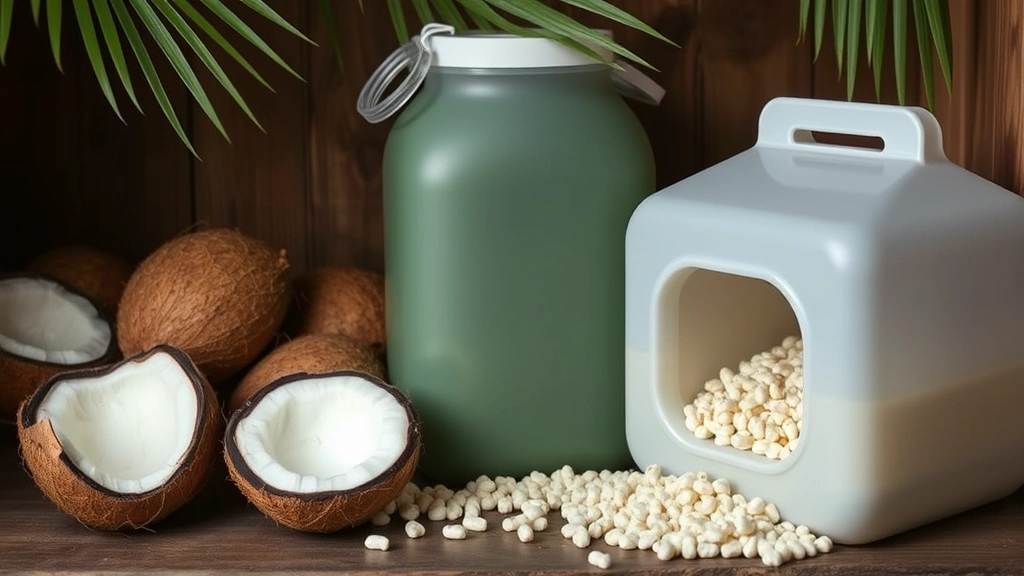
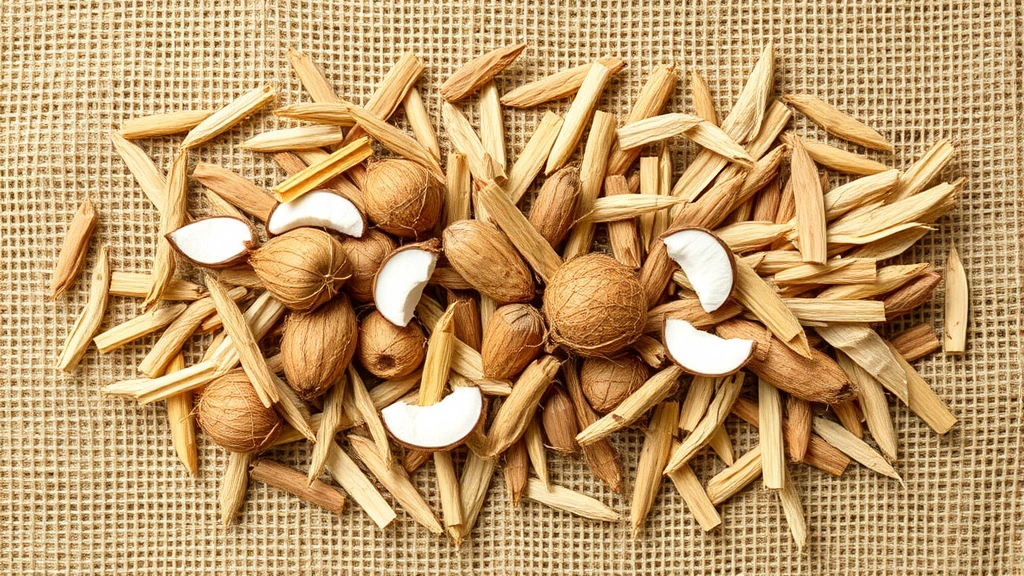
Coconut husk litter is an increasingly popular sustainable cat litter option made from the fibrous byproduct of coconut processing. It’s naturally antimicrobial, controls odors effectively, and biodegrades within months rather than centuries. The texture is slightly coarser than some alternatives, but most cats adapt quickly.
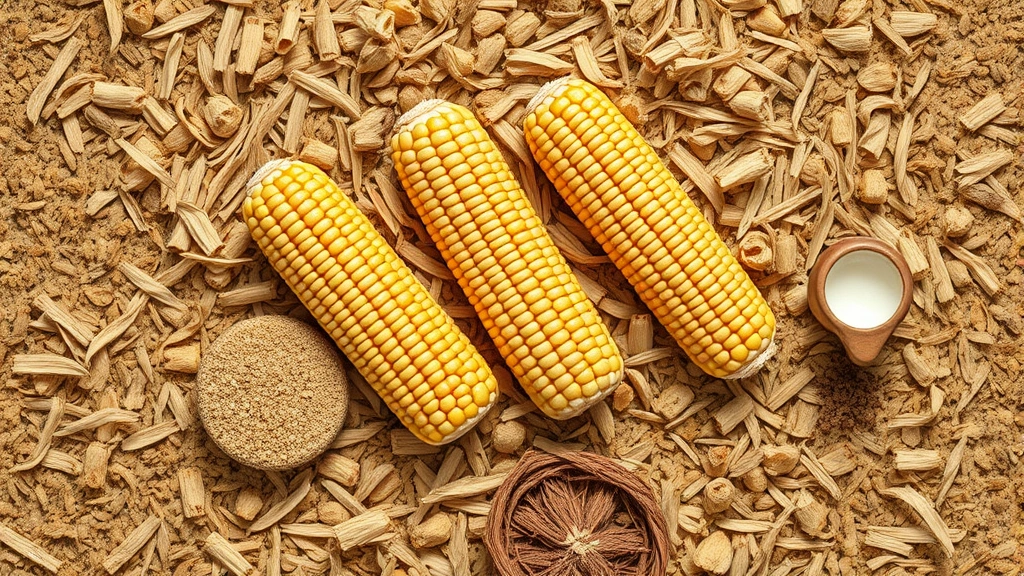
Coconut litter is particularly popular in tropical regions where coconut processing creates massive waste streams. Using this byproduct transforms an environmental problem into a useful product. It produces minimal dust, is lightweight, and genuinely controls odors without artificial fragrances. The sustainability story is compelling—you’re essentially upcycling agricultural waste into cat litter gold.
Making the Transition: How to Switch Your Cat Over
Here’s the thing about cats: they’re creatures of habit who view change with the suspicion of a conspiracy theorist. Switching to sustainable cat litter requires patience and strategy, or you might end up with a cat who decides your bedroom carpet is now acceptable bathroom territory.

Start by mixing 25% new sustainable litter with 75% old litter. Gradually increase the ratio over 7-10 days, adjusting based on your cat’s behavior. Some cats adapt in days; others need weeks. Monitor bathroom habits closely during the transition. If your cat starts eliminating outside the box, slow down the transition process. Keep multiple litter boxes available during switching—the general rule is one box per cat plus one extra.
Pro tip: Place the new litter box next to the old one initially, then gradually move it to the desired location once your cat is using it consistently. Most cats are surprisingly adaptable once they get over the initial “what is this weird stuff?” phase.

Cost Comparison: Is Sustainable Actually Affordable?
Let’s address the elephant in the room: sustainable cat litter used to be significantly more expensive than clay litter. The good news? Prices have dropped dramatically as more manufacturers entered the market and production scaled up. Many eco-friendly options now cost comparable to or only slightly more than traditional litter.

Pine litter is often the cheapest sustainable option. Paper-based litter typically costs a bit more. Corn and grain-based litters fall in the middle range. Coconut husk litter varies depending on your location. When you factor in that sustainable litters often require less frequent complete changes because they control odors better, the actual cost difference becomes negligible.
Consider the long-term environmental cost of traditional litter: ecosystem destruction, carbon emissions, landfill waste, and respiratory health impacts. Suddenly, paying a few extra dollars for sustainable cat litter seems like the bargain of the century.
Health Benefits for Your Cat and Family
Beyond environmental benefits, sustainable cat litter offers genuine health advantages. Traditional clay litter produces silica dust that can damage your cat’s lungs and your own respiratory system. The dust accumulates in litter boxes, on paws, and throughout your home. Long-term exposure contributes to respiratory issues in both cats and humans.
Most sustainable litters produce little to no dust, which means better air quality in your home. They’re often hypoallergenic and free from artificial fragrances and chemicals that can irritate sensitive cats. If your cat has asthma, allergies, or respiratory sensitivity, switching to dust-free sustainable litter can make a noticeable difference in their health and comfort.
For more information on maintaining overall cat health, check out our cat feeding schedule guide to ensure your feline friend is getting proper nutrition alongside their environmental benefits.
Disposal and Composting Options
One of the best features of sustainable cat litter is that most options are actually compostable or biodegradable. Unlike clay litter that sits in landfills for centuries, paper, corn, wheat, and coconut litters break down naturally within months to a couple of years.
Important caveat: cat waste contains pathogens that make it unsuitable for food gardens, but it’s perfectly fine for ornamental plants, trees, and general landscaping. Some municipalities now accept certain sustainable litters in compost programs. Check your local waste management guidelines before attempting to compost.
The disposal process is straightforward—scoop solid waste into compostable bags, then dispose of clumps in your compost bin or regular trash. The remaining litter can be composted or discarded in regular waste. This is infinitely better than non-biodegradable clay litter that will outlive your home.
Frequently Asked Questions
Is sustainable cat litter really effective at controlling odors?
Absolutely. Many sustainable litters actually control odors better than traditional clay litter because they contain natural antimicrobial properties or superior moisture absorption. Corn, wheat, and coconut-based litters are particularly impressive in odor control. You might need to scoop more frequently with some options, but overall odor management is excellent.
Will my cat refuse to use sustainable litter?
Most cats adapt to sustainable litter without issues, especially if you transition gradually. Cats care more about litter texture and box cleanliness than environmental credentials. The transition period might take a couple of weeks, but persistence usually pays off. If your cat is particularly finicky, try multiple sustainable options to find one they prefer.
Can I flush sustainable cat litter down the toilet?
No. Even though sustainable litters are biodegradable, they should never be flushed down toilets. They can cause clogs and damage septic systems. Always dispose of litter in trash or compost bins. Some brands market themselves as “flushable,” but veterinarians and plumbers universally recommend against flushing any cat litter.
Which sustainable litter is best for multiple cats?
Corn-based litter is often the best choice for multi-cat households because of its excellent clumping ability and odor control. Paper-based litter is also good if dust is a concern. You might need multiple litter boxes and more frequent scooping, but sustainable litters handle the workload effectively. Check our multiple cat feeding solutions guide for other multi-cat household tips.
Are sustainable litters safe for kittens?
Yes, most sustainable litters are safe for kittens. Paper-based and corn-based options are particularly good choices since they’re soft and dust-free. Avoid litters with strong fragrances that might irritate young cats’ sensitive systems. Introduce kittens to sustainable litter early, and they’ll have no issues. For more kitten care information, visit our kitten feeding schedule resource.
How do I store sustainable cat litter properly?
Store litter in a cool, dry place in airtight containers. Some sustainable litters are more moisture-sensitive than traditional clay, particularly grain-based options. Keep bags sealed and avoid humid environments where mold could develop. Most litters have shelf lives of 6-12 months if stored properly.
The Bottom Line: Making the Switch
Sustainable cat litter isn’t just a trendy eco-conscious choice—it’s a genuinely better option for your cat, your family, and the planet. The environmental impact of traditional clay litter is staggering, while sustainable alternatives offer comparable performance at similar or slightly higher costs.
Whether you choose pine, paper, corn, wheat, or coconut-based sustainable cat litter, you’re making a positive environmental impact while potentially improving your cat’s health. The transition might take a couple of weeks, but most cats adapt without drama. Your litter box becomes a small but meaningful part of your environmental responsibility.
Start with a small bag of your preferred sustainable option, transition gradually, and monitor your cat’s response. Within a month, you’ll likely wonder why you didn’t make the switch sooner. Your cat will be happier, your home will smell better, and you’ll sleep soundly knowing you’re not personally responsible for strip-mining the planet every time your feline friend uses the bathroom.
For authoritative information on sustainable pet products, check out PetMD’s sustainability resources and the ASPCA’s environmental guidelines for additional insights on eco-friendly pet care practices.





