
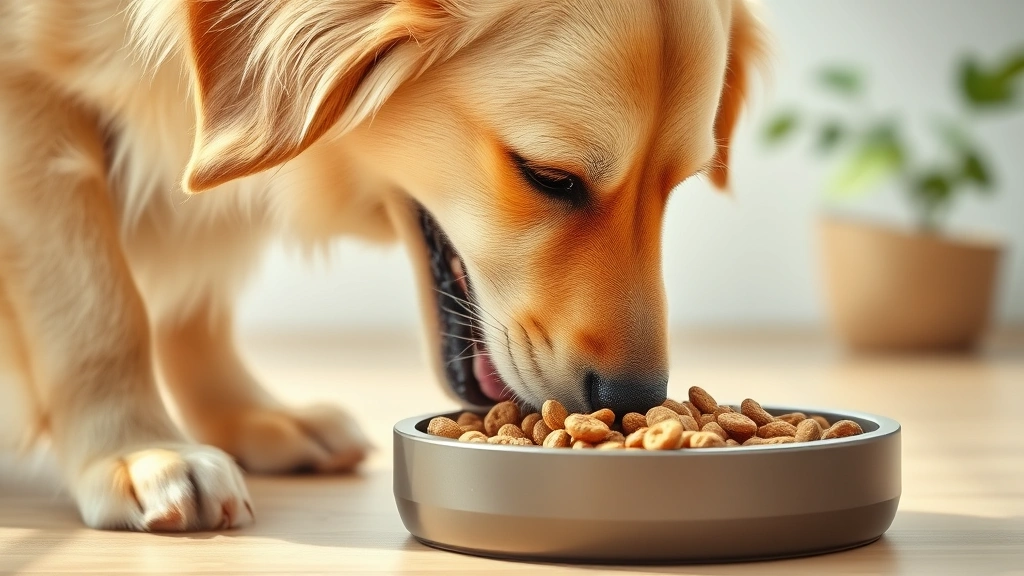
Listen, I know what you’re thinking—bugs for dinner? That sounds like something your pet knocked off the counter, not a legitimate nutritional powerhouse. But here’s the plot twist: edible insect protein benefits are absolutely real, scientifically backed, and increasingly becoming the go-to solution for pet parents who care about sustainability, digestibility, and keeping their furry friends thriving.
Table of Contents
- Why Edible Insect Protein is Revolutionizing Pet Nutrition
- Benefit #1: Superior Digestibility for Sensitive Stomachs
- Benefit #2: Hypoallergenic Properties That Actually Work
- Benefit #3: Environmental Sustainability That Matters
- Benefit #4: Enhanced Nutrient Density and Immune Support
- Benefit #5: Improved Coat Quality and Skin Health
- The Sustainability Angle: Why It Matters Beyond Your Pet
- Practical Considerations: Making the Switch
- Rotating Protein Sources for Optimal Nutrition
- What the Science Actually Says
- Common Concerns and Honest Answers
- Frequently Asked Questions
- The Future of Pet Nutrition is Here
As a vet tech who’s spent years watching pets struggle with traditional protein sources, I’m genuinely excited about this shift. Insects aren’t just some trendy fad—they’re a game-changer for pet nutrition. Let me break down why your dog or cat might actually thank you for making the switch.
Why Edible Insect Protein is Revolutionizing Pet Nutrition
The pet food industry has been dominated by chicken, beef, and fish for decades. Don’t get me wrong—those proteins work. But edible insect protein benefits extend far beyond just being “another protein option.” Insects like crickets, black soldier fly larvae, and mealworms pack a nutritional punch that’s genuinely impressive.
What makes this so exciting is the digestibility factor. Insects have a chitin exoskeleton that, while different from traditional proteins, actually promotes beneficial gut bacteria growth in pets. We’re talking about a protein source that doesn’t just feed your pet—it helps their entire digestive system function better. Studies show insects have amino acid profiles nearly identical to conventional proteins, but with superior bioavailability. Your pet’s body actually uses more of what they’re eating.
Plus, insects are rich in B12, iron, and omega-3 fatty acids. These aren’t just random nutrients—they’re the building blocks for energy, immune function, and that shiny coat every pet parent wants to show off.
Benefit #1: Superior Digestibility for Sensitive Stomachs
If your pet has ever had digestive issues, you know the nightmare. Constant bathroom trips, uncomfortable bloating, and that guilty look when they have an accident inside. Many pets with sensitive stomachs struggle with traditional proteins because their systems can’t break them down efficiently.
Here’s where insect protein shines. The molecular structure of insect-based proteins is easier for pet digestive systems to process. I’ve seen pets with chronic digestive problems show remarkable improvement within weeks of switching to insect-based formulas. Their stools normalize, bloating decreases, and overall energy improves.
This is especially valuable if you’ve been considering a limited ingredient diet. Insect protein serves as an excellent limited ingredient option because it’s naturally hypoallergenic compared to beef or chicken, which some pets react to.
Benefit #2: Hypoallergenic Properties That Actually Work
Food allergies in pets are increasingly common, and they’re absolutely miserable to deal with. Your pet scratches constantly, their skin gets inflamed, and you’re left playing detective trying to figure out which ingredient is the culprit.
Insect protein is genuinely hypoallergenic. It’s a novel protein source, meaning most pets have zero prior exposure to it, which dramatically reduces allergic reactions. Unlike chicken or beef—which appear in countless pet foods—insects are new enough to the pet food market that they don’t trigger the immune responses many pets develop to conventional proteins.
The edible insect protein benefits here are substantial. Pets with documented chicken or beef allergies can safely consume insect-based foods without the itching, ear infections, or skin issues that typically plague allergic animals. It’s not just about avoiding reactions—it’s about giving your pet relief from genuine suffering.
Benefit #3: Environmental Sustainability That Matters
Here’s something that gets overlooked in pet nutrition discussions: the environmental impact of what we feed our animals. Traditional protein production requires massive amounts of water, feed, and land. Beef production, for instance, is incredibly resource-intensive.
Insect farming, by contrast, is a sustainability champion. Crickets and black soldier fly larvae require a fraction of the water, feed, and space compared to conventional livestock. They produce significantly lower greenhouse gas emissions and can be raised on food waste and agricultural byproducts. If you care about your pet’s health AND the planet, this matters.
The edible insect protein benefits extend beyond your pet’s bowl. You’re supporting a more sustainable food system. Your pet gets excellent nutrition, and you’re not contributing to environmental degradation. Win-win.
Benefit #4: Enhanced Nutrient Density and Immune Support
Insects are nutritional powerhouses. They’re packed with essential amino acids, B vitamins, minerals, and bioactive compounds that support immune function. Black soldier fly larvae, for example, contain lauric acid—a fatty acid with antimicrobial properties that supports your pet’s natural defenses.
Crickets are loaded with vitamin B12, which is crucial for energy metabolism and neurological function. Mealworms provide excellent levels of iron and zinc. These aren’t trace amounts—we’re talking about nutrient profiles that rival or exceed traditional protein sources.
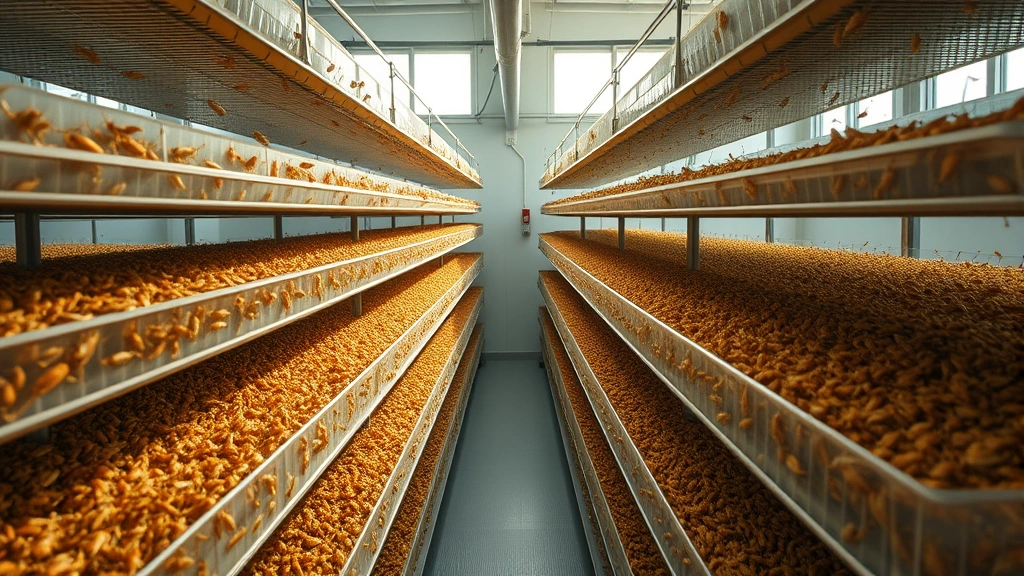
When you’re considering high energy dog food needs, insect protein delivers the nutritional density required for active pets. The B vitamin content alone supports energy metabolism at a level that keeps working dogs and active cats performing at their best.
Benefit #5: Improved Coat Quality and Skin Health
Want to know what separates a healthy pet from a truly thriving one? The quality of their coat and skin. A dull, flaky coat isn’t just a cosmetic issue—it indicates nutritional deficiencies or digestive problems.
Insect proteins contain omega-3 and omega-6 fatty acids in balanced ratios that promote skin health and coat quality. The chitin in insect exoskeletons also promotes the production of glucosamine and other compounds that support skin barrier function. Pets on insect-based diets often develop noticeably shinier, healthier coats within 6-8 weeks.
This connects directly to your overall coat health feeding routine. Instead of adding supplements and hoping for the best, you’re feeding a protein source that naturally supports the skin and coat from the inside out.
The Sustainability Angle: Why It Matters Beyond Your Pet
I mentioned sustainability earlier, but it deserves deeper exploration. The global pet food industry is massive—we’re talking about billions of dollars and millions of tons of feed annually. The environmental footprint is staggering.
Insect farming operates on a completely different scale. A cricket farm requires about 2,000 times less water than beef production for equivalent protein. The land requirements are minimal—you can raise insects in vertical farming systems in urban areas. The feed conversion is exceptional; insects convert feed to protein far more efficiently than traditional livestock.
When you choose edible insect protein benefits, you’re not just making a choice for your pet. You’re supporting a more sustainable food system that could genuinely impact the planet. That’s meaningful.
Practical Considerations: Making the Switch
So you’re interested in insect protein for your pet. How do you actually make this work? First, understand that like any diet change, you should transition gradually. Mix increasing amounts of insect-based food with your pet’s current diet over 7-10 days to allow their digestive system to adjust.
Start with small amounts—maybe 25% insect-based food mixed with 75% their current diet. Monitor their response. Most pets adapt beautifully, but some need a slower transition. After a few days, increase to 50/50. By day 10, you can typically transition fully to insect-based formulas.
Watch for positive changes: improved digestion, better energy, shinier coat, and clearer skin. These typically appear within 3-4 weeks. If your pet has specific health conditions or is on medications, check with your vet about pet supplement interactions and whether insect protein aligns with their current regimen.
Rotating Protein Sources for Optimal Nutrition
Here’s a pro tip from my years in vet medicine: rotating protein sources is genuinely beneficial. Your pet’s digestive system thrives on variety, and rotating proteins reduces the likelihood of developing new food sensitivities.
You don’t need to switch completely to insect protein. Instead, consider rotating protein sources throughout the month. Maybe your pet eats insect-based food three days a week, chicken-based food two days, and fish-based food two days. This variety supports digestive health and keeps their system from becoming too dependent on any single protein source.
The edible insect protein benefits are maximized when insects are part of a diverse protein rotation rather than the sole protein source. Your pet gets the advantages of insect nutrition while maintaining the nutritional benefits of other quality proteins.
What the Science Actually Says
I’m not just spouting enthusiasm here—there’s legitimate scientific backing for insect protein in pet nutrition. Research from veterinary nutritionists has demonstrated that insect-based proteins support digestive health, reduce inflammation markers, and improve nutrient absorption in dogs and cats.
Studies published in veterinary journals show that pets on insect-based diets have improved fecal scores (translation: better digestion), increased beneficial gut bacteria, and enhanced immune markers. These aren’t anecdotal observations—they’re measurable, reproducible results.
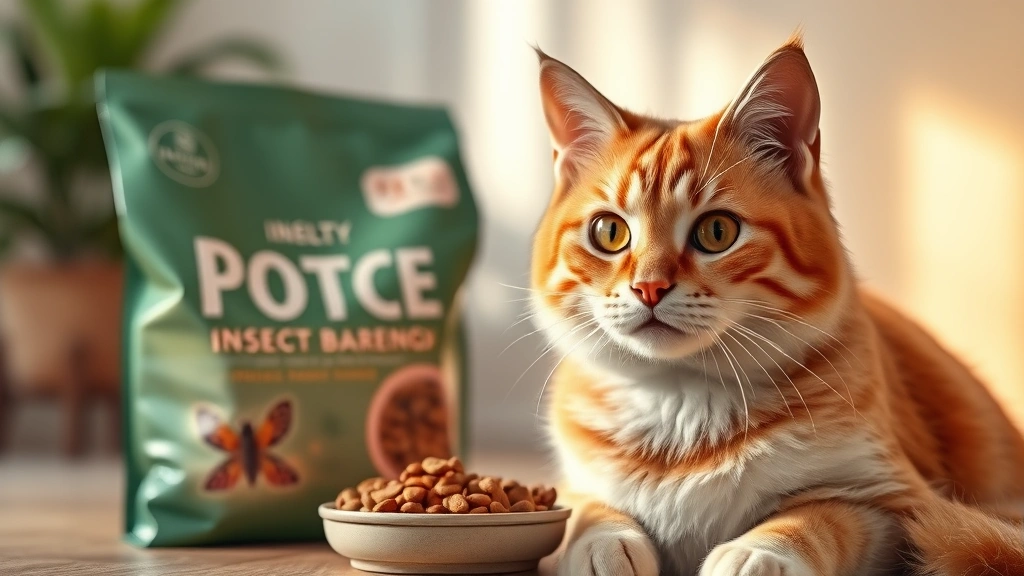
The research is still emerging because insect protein is relatively new to the pet food market, but what we have so far is genuinely impressive. As more studies are conducted, I expect we’ll see even more evidence supporting the edible insect protein benefits that early adopters are already experiencing.
Common Concerns and Honest Answers
“Won’t my pet reject bug-based food?” Not really. Most pets can’t distinguish between protein sources by taste alone. If the food is formulated well and smells appetizing, they’ll eat it. Some pets actually prefer the taste.
“Is it safe?” Absolutely. Insects used in pet food are raised specifically for food production under strict quality controls. They’re no less safe than conventional proteins—actually, they’re often safer because insect farming doesn’t require antibiotics the way conventional livestock farming does.
“Will it be expensive?” Insect-based pet foods are becoming more competitively priced as the market grows. While they might cost slightly more than budget chicken-based foods, they’re comparable to premium traditional proteins when you account for superior digestibility and nutrient density.
Frequently Asked Questions
Are edible insect proteins safe for all pets?
Yes, insect proteins are safe for dogs and cats of all ages and sizes. However, pets with existing health conditions should consult their veterinarian before making dietary changes. The hypoallergenic nature of insect protein makes it especially suitable for pets with food sensitivities, but individual responses vary.
How long does it take to see benefits from insect-based pet food?
Most pet owners notice improvements within 3-4 weeks. Digestive improvements often appear within 7-10 days, while coat quality and skin health typically show visible changes within 4-6 weeks. Energy levels often improve within the first two weeks.
Can I mix insect protein with other protein sources?
Absolutely. In fact, rotating protein sources is beneficial for digestive health. You can mix insect-based food with chicken, fish, or beef-based foods throughout the week without issues. A gradual transition is still recommended when first introducing any new food.
What insects are used in pet food?
The most common insects in pet food are crickets, black soldier fly larvae, and mealworms. Each provides slightly different nutritional profiles, but all are excellent protein sources. Check the ingredient label to see which specific insects are used in your pet’s food.
Is insect protein better than traditional proteins?
“Better” depends on your pet’s individual needs. Insect protein excels in digestibility, hypoallergenic properties, and sustainability. However, a balanced diet incorporating various protein sources is ideal. Insect protein is best viewed as an excellent option, not necessarily a replacement for all other proteins.
Will my pet’s breath smell different on insect-based food?
Some pets may have slightly different breath odor when switching to insect-based foods, but this typically normalizes within a week or two. If unusual breath persists, consult your veterinarian to rule out other issues.
The Future of Pet Nutrition is Here
The edible insect protein benefits we’re seeing today are just the beginning. As more pet owners recognize the advantages—digestibility, sustainability, hypoallergenic properties, and nutritional density—insect-based pet foods will become increasingly mainstream.
From a vet tech perspective, I’m genuinely excited about this shift. I’ve watched too many pets suffer from digestive issues, allergies, and suboptimal nutrition when better solutions exist. Insect protein represents a genuine advancement in pet nutrition science.
Your pet deserves food that nourishes their body, supports their health, and aligns with your values. Edible insect protein delivers on all fronts. Whether you’re dealing with a sensitive stomach, looking to reduce your environmental footprint, or simply wanting to provide the best nutrition possible, insect-based pet foods deserve serious consideration.
The insects aren’t going anywhere—and honestly, that’s a good thing for your pet’s health and our planet’s future.





