

So your pup got a scrape, and you’re standing in your bathroom looking at that trusty tube of Neosporin wondering: can I put Neosporin on my dog? It’s a question almost every dog owner asks at some point, and honestly, the answer isn’t as straightforward as you might hope. Let’s dig into what vets actually recommend and why your dog’s skin deserves a little extra consideration.
Table of Contents
- Is Neosporin Safe for Dogs? The Short Answer
- Why Your Dog’s Skin Is Different
- What About Neosporin Plus? That’s Even Worse
- Vet-Approved Alternatives for Dog Wound Care
- When Should You Actually Call Your Vet?
- Step-by-Step Guide to Treating Minor Dog Wounds
- The Licking Problem: Why Dogs Can’t Leave Wounds Alone
- Prevention: The Best Medicine
- Special Considerations for Different Dog Types
- What the Experts Say
- Frequently Asked Questions
- The Bottom Line: Skip Neosporin, Choose Better
Is Neosporin Safe for Dogs? The Short Answer
Here’s the deal: Neosporin isn’t toxic to dogs in small amounts, but it’s not ideal either. The topical antibiotic ointment contains neomycin, bacitracin, and polymyxin B—ingredients designed for human skin. Your dog’s skin has a different pH level and barrier function, which means what works for your scraped knee might not be the best choice for Fido’s wound care routine.
The biggest concern? Dogs love to lick things. If your pup decides to make a snack out of that Neosporin-covered wound, they might experience mild gastrointestinal upset. It’s not usually dangerous, but it’s definitely annoying when you’re trying to help them heal.
Why Your Dog’s Skin Is Different
Dogs have thinner skin than humans—about three layers compared to our fifteen. This means they’re more sensitive to certain ingredients and more prone to irritation. Additionally, dog skin is naturally more acidic (pH around 6.2-7.4) compared to human skin (pH around 4.5-5.5). Neosporin is formulated for human skin chemistry, which can sometimes disrupt your dog’s natural skin barrier.
If your dog has sensitive skin, allergies, or existing skin conditions, using human-grade wound care products becomes even riskier. You might think you’re helping, but you could actually be making things worse.

What About Neosporin Plus? That’s Even Worse
If regular Neosporin seems questionable, Neosporin Plus is a straight-up no-go. This version contains an additional pain reliever (lidocaine or pramoxine), and some formulations include hydrocortisone. These ingredients can be problematic for dogs, especially if ingested through licking. Stick to the original formula at best, but honestly, there are better options available.
Vet-Approved Alternatives for Dog Wound Care
Instead of reaching for your medicine cabinet, consider these dog-safe alternatives that actually work better:
Chlorhexidine Solution: This is a veterinary-approved antiseptic that’s gentler on dog skin. Many vets recommend it for cleaning minor wounds. It doesn’t sting, and dogs are less likely to have adverse reactions.
Vetericyn Plus: Specifically formulated for pets, this antimicrobial solution is non-toxic if ingested and works effectively on minor cuts and abrasions. It’s become a favorite among pet owners and vets alike.
Manuka Honey: Yes, really. Medical-grade manuka honey has natural antimicrobial properties and promotes healing. Dogs are less interested in licking it off compared to other ointments, and it’s completely safe if they do.
Dog-Specific Antibiotic Ointments: Your vet can prescribe or recommend ointments specifically designed for canine skin. These are formulated with your dog’s pH and skin structure in mind.
When Should You Actually Call Your Vet?
Not every scrape requires professional attention, but knowing when to call your vet is crucial. Reach out to your veterinarian if:
- The wound is deep, gaping, or won’t stop bleeding after 10 minutes of pressure
- Your dog shows signs of infection (swelling, pus, increased redness, or heat around the wound)
- The wound is on your dog’s face, paw pad, or a joint (these heal differently)
- Your dog seems in pain or is constantly licking/biting at the area
- Your dog has a compromised immune system or is on medications
- The wound doesn’t show improvement after 3-5 days
For minor scrapes and small cuts, your Pet First Aid Guidance should include basic wound cleaning with saline solution and monitoring for infection.
Step-by-Step Guide to Treating Minor Dog Wounds
If your dog has a minor cut or scrape, here’s how to handle it properly:
Step 1: Assess the Wound Look for debris, dirt, or foreign objects. If your dog is bleeding heavily or the wound looks serious, skip to calling your vet.
Step 2: Clean Your Hands Wash your hands thoroughly before touching your dog’s wound. You don’t want to introduce bacteria.
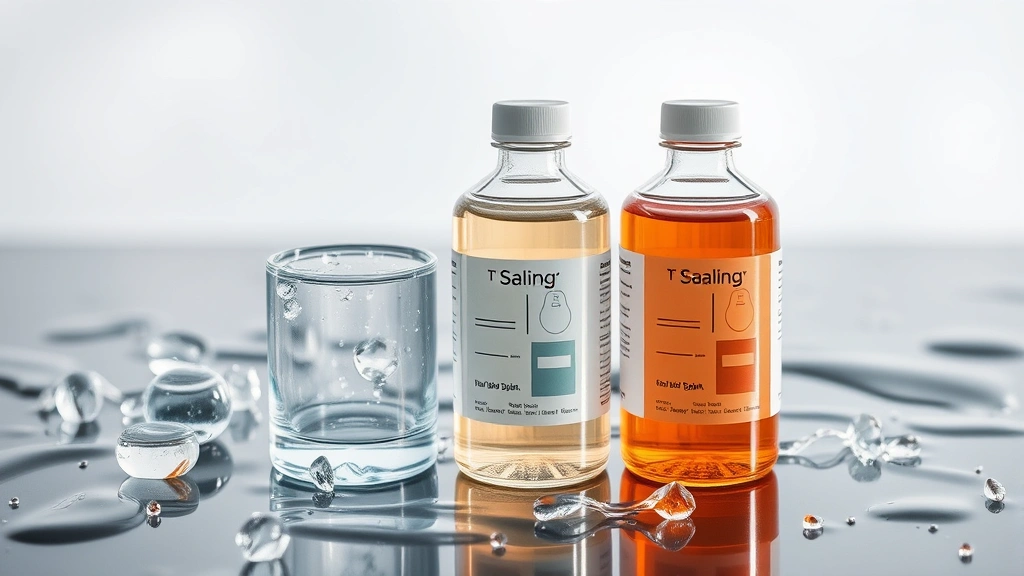
Step 3: Gently Clean the Area Use lukewarm water or a saline solution. If there’s dirt or debris, you might need to gently clip the hair around the wound (use blunt scissors to avoid further injury).
Step 4: Pat Dry Use a clean, lint-free cloth or gauze. Don’t rub—just gently pat.
Step 5: Apply a Dog-Safe Antiseptic Use chlorhexidine, Vetericyn, or another vet-approved option. Skip the Neosporin.
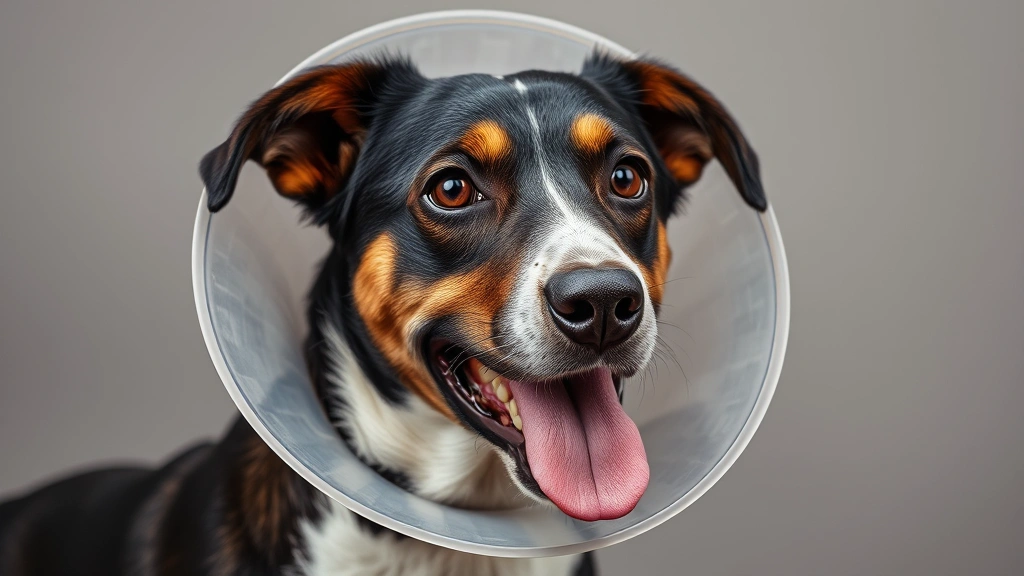
Step 6: Monitor and Prevent Licking This is key. Consider using an Elizabethan collar (cone) if your dog keeps trying to lick the wound. Constant licking prevents healing and increases infection risk.
For more comprehensive guidance on keeping your dog healthy, consider a Pet Health Consultation Via Video with a licensed veterinarian.
The Licking Problem: Why Dogs Can’t Leave Wounds Alone
Dogs lick wounds for several reasons: it feels soothing, they’re trying to clean it (instinct), or the wound itches as it heals. Unfortunately, their saliva contains bacteria, and constant licking introduces infection risk. If your dog is obsessively licking a wound, that’s a sign something’s wrong—either the wound itself or your dog’s anxiety level.
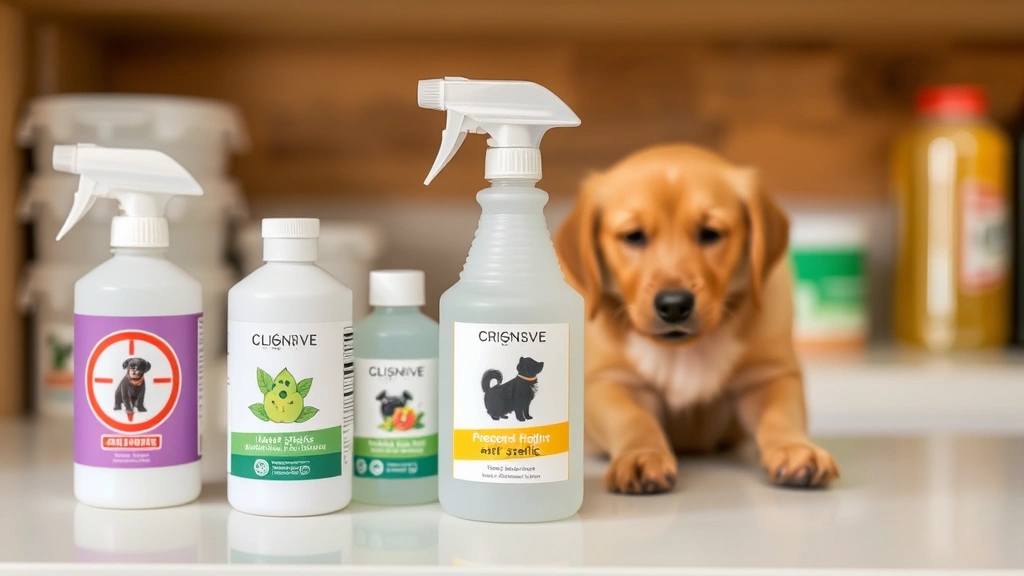
An Elizabethan collar isn’t fun for anyone, but it’s sometimes necessary. You can also try bitter-tasting sprays designed to discourage licking, though these work better on some dogs than others.
Prevention: The Best Medicine
The easiest approach? Prevent wounds in the first place. Keep your dog’s environment safe, trim their nails regularly, and check their paws after outdoor activities. If your dog has mobility issues or joint problems, supplements like Mobility Supplements for Dogs might help reduce falls and injuries.
Special Considerations for Different Dog Types
Some dogs need extra wound care attention. Dogs with thick coats might trap moisture and bacteria under their fur. Dogs with skin conditions or allergies are more prone to complications. Senior dogs heal more slowly, so minor wounds need more careful monitoring. If your dog falls into any of these categories, always err on the side of caution and contact your vet for guidance.
What the Experts Say
The American Veterinary Medical Association (AVMA) recommends against using human medications on pets without veterinary approval. The American Kennel Club (AKC) suggests keeping a pet-specific first aid kit rather than relying on human products. PetMD veterinarians consistently advise pet owners to use products specifically formulated for dogs when possible.
These organizations exist for a reason—to keep your pets safe based on actual science and veterinary medicine.
Frequently Asked Questions
Is a small amount of Neosporin dangerous if my dog licks it?
A small amount of regular Neosporin is unlikely to cause serious harm, but it can cause mild gastrointestinal upset including diarrhea or vomiting. Prevention through an Elizabethan collar or bandaging is better than hoping your dog doesn’t lick it.
Can I use Neosporin on my dog’s paw pads?
Paw pads are extra sensitive and heal differently than other skin. Avoid Neosporin on paws. Use a vet-approved product instead, and consider a protective bootie to keep the area clean while it heals.

What if my dog already ingested Neosporin?
Don’t panic. Call your vet or poison control, but a small amount of Neosporin is usually not toxic. They might recommend monitoring for symptoms like vomiting, diarrhea, or loss of appetite. If your dog shows any of these signs, contact your vet immediately.
Are there any dogs that shouldn’t use antibiotic ointments at all?
Dogs with certain allergies, skin conditions like atopic dermatitis, or those taking immunosuppressant medications should avoid topical ointments unless specifically approved by their vet. Always mention your dog’s medical history when discussing wound care.
How long does it take for a minor dog wound to heal?
Most minor cuts and scrapes heal within 7-14 days if kept clean and infection-free. Deeper wounds or wounds on joints take longer. If a wound isn’t improving after two weeks, contact your vet.
Can I use antibiotic ointment as a preventative on my dog’s skin?
No. Using antibiotics preventatively can lead to antibiotic resistance and isn’t recommended by veterinarians. Only use wound care products when there’s an actual wound that needs treatment.
The Bottom Line: Skip Neosporin, Choose Better
So, can you put Neosporin on your dog? Technically, in small amounts, it’s not going to poison them. But should you? Nope. There are better, safer, more effective options specifically designed for your dog’s unique skin. Your dog’s health deserves products formulated with their biology in mind, not human medicine cabinet hand-me-downs.
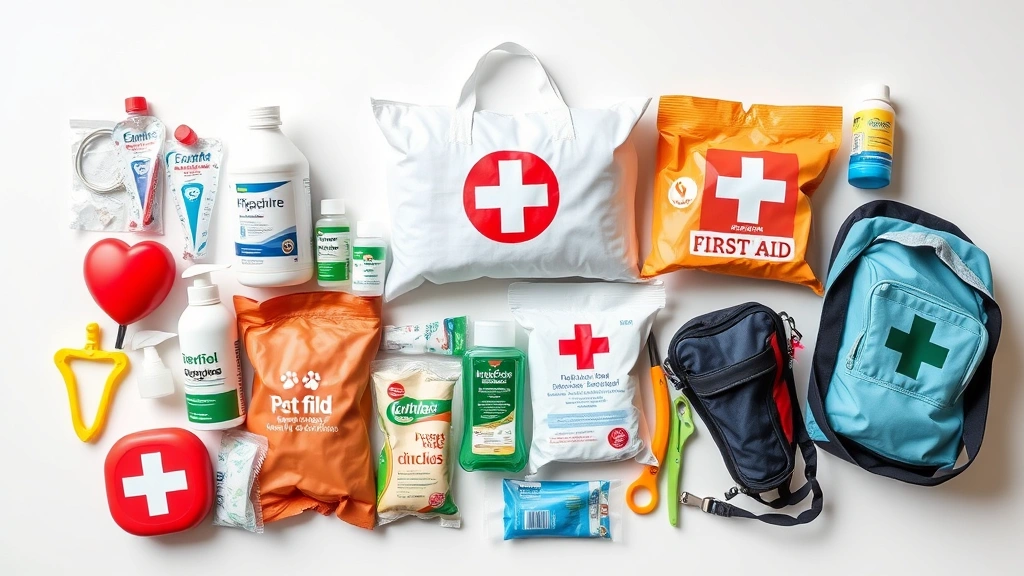
Keep a pet-specific first aid kit stocked with chlorhexidine, Vetericyn, or whatever your vet recommends. When in doubt about a wound, reach out to your veterinarian. They’re there to help, and most vets would rather answer a “silly” question than treat a preventable infection. Your pup will thank you for the extra care.





