

So, can you give dogs melatonin? The short answer is yes, but it’s way more complicated than just tossing a pill in your pup’s kibble and calling it a day. As a vet tech who’s seen plenty of well-meaning dog parents try everything under the sun to help their anxious or insomniac furry friends, I’m here to break down what you actually need to know about melatonin for dogs.
Table of Contents
- What Exactly Is Melatonin and How Does It Work?
- Is Melatonin Safe for Dogs? The Real Truth
- Dosing Melatonin for Dogs: The Tricky Part
- When Melatonin for Dogs Actually Makes Sense
- When Melatonin Is Absolutely NOT the Answer
- Better Alternatives to Melatonin for Dog Sleep and Anxiety
- How to Talk to Your Vet About Melatonin
- The Bottom Line on Melatonin for Dogs
- Frequently Asked Questions
Melatonin has become the go-to supplement for humans struggling with sleep, but our canine companions are a different beast entirely. While it can be helpful in certain situations, there are real risks, dosing nightmares, and scenarios where it’s absolutely not the answer. Let’s dig into this properly.
What Exactly Is Melatonin and How Does It Work?
Melatonin is a hormone naturally produced by the pineal gland in both humans and dogs. It regulates the sleep-wake cycle—basically telling your body when it’s time to hit the hay. When light decreases in the evening, melatonin production ramps up, making you (and your dog) feel drowsy.
The supplement version is synthetically made or derived from animal sources. When you give it to your dog, it’s supposed to help regulate their circadian rhythm and promote sleep. Sounds simple, right? It’s not.
Is Melatonin Safe for Dogs? The Real Truth
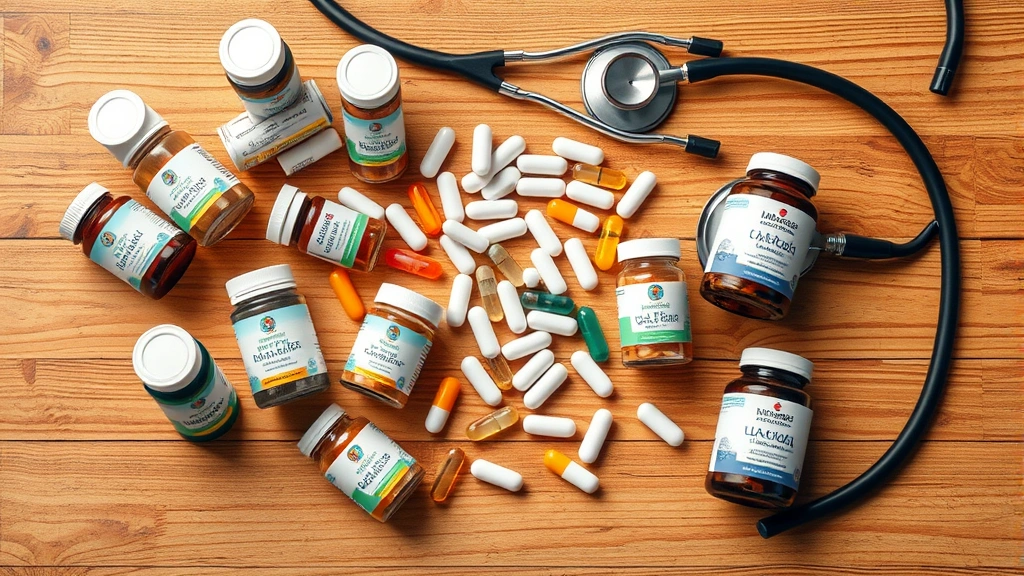
Here’s where I need to be straight with you: melatonin is generally considered safe for dogs when used appropriately, but there’s a massive caveat. The FDA doesn’t regulate supplements the way it regulates medications, which means quality, purity, and dosage can vary wildly between brands.
More importantly, some melatonin products contain xylitol, a sugar substitute that’s toxic to dogs. Even small amounts can cause liver damage and hypoglycemia. Before you even think about giving your dog melatonin, you need to check the ingredient list like you’re inspecting a crime scene. If xylitol is listed anywhere, put it back immediately.
Beyond the xylitol issue, melatonin can cause side effects including dizziness, stomach upset, headaches (though your dog can’t tell you about this one), and in rare cases, increased aggression or behavioral changes.
Dosing Melatonin for Dogs: The Tricky Part
This is where things get messy. There’s no official veterinary dosing standard for melatonin in dogs because it’s not FDA-approved as a veterinary medication. Most vets recommend 0.1 to 0.5 mg per pound of body weight, but this is more of a guideline than gospel.
A 50-pound dog might get 5-25 mg, but a 10-pound Chihuahua getting 5 mg is a completely different story proportionally. Start low, go slow, and always—and I mean always—consult your vet before starting any new supplement. They know your dog’s medical history, current medications, and any underlying conditions that could make melatonin a bad idea.
When Melatonin for Dogs Actually Makes Sense
Melatonin isn’t just for insomnia in dogs. Vets sometimes recommend it for:
- Sleep disorders: Some dogs genuinely struggle to sleep, especially senior dogs with cognitive dysfunction.
- Anxiety: The calming effect can help anxious dogs, though there are often better options like L-Theanine for Pets or other anxiety supplements.
- Seasonal alopecia: Some dogs lose hair seasonally, and melatonin may help regulate this in certain cases.
- Cushing’s disease: In rare cases, vets use melatonin as an adjunctive treatment.
If your dog is dealing with fireworks anxiety or storm-related stress, melatonin might provide some relief, though you might want to explore Fireworks Anxiety Relief options first.
When Melatonin Is Absolutely NOT the Answer
Just because something is natural doesn’t mean it’s appropriate for your dog. Skip melatonin if:
- Your dog is pregnant or nursing
- Your dog has diabetes or blood sugar issues
- Your dog is on medications that interact with melatonin (talk to your vet about drug interactions)
- Your dog has liver or kidney disease
- Your dog has hormone-sensitive conditions
- The product contains xylitol (seriously, check that label)
Better Alternatives to Melatonin for Dog Sleep and Anxiety
Before jumping to melatonin, consider other proven options. Over-the-Counter Pet Supplements include several alternatives that might work better for your specific situation.
L-theanine, an amino acid from green tea, promotes relaxation without sedation. Chamomile and valerian root are herbal options some vets recommend. CBD products are increasingly popular, though the research is still evolving. Pheromone Supplements like Adaptil mimic calming pheromones dogs naturally produce and can be surprisingly effective for anxiety without any systemic effects.
For behavioral issues, behavior modification training often works better long-term than any supplement. For medical sleep disorders, your vet might recommend prescription medications that are actually studied and dosed properly for canine use.
How to Talk to Your Vet About Melatonin
Don’t just show up with a bottle of melatonin and ask if it’s okay. Instead, describe your dog’s specific problem: Is your dog anxious? Can’t sleep? Pacing at night? Having behavioral issues? Your vet can then determine if melatonin is appropriate or if something else would work better.
Bring the actual bottle or a photo of the label so your vet can check the ingredients and dosage. Ask about potential interactions with any medications your dog is currently taking. Get a specific dosing recommendation in writing. And establish a timeline for re-evaluation—if melatonin isn’t helping after two weeks, it’s probably not going to help.

The Bottom Line on Melatonin for Dogs
Can you give dogs melatonin? Yes, but it requires careful consideration, vet approval, and attention to product quality. It’s not a magic bullet for every anxious or sleepless pup. It’s one tool in a larger toolkit that should include behavior modification, environmental management, and sometimes other supplements or medications.
The fact that it’s available over-the-counter doesn’t mean it’s always the right choice. Your dog deserves a thoughtful approach to their health, not just whatever supplement is trendy this month.
Frequently Asked Questions
Is melatonin safe for all dogs?
Melatonin is safe for most healthy adult dogs when dosed appropriately, but it’s not suitable for dogs with certain health conditions, pregnant/nursing dogs, or those taking specific medications. Always get vet approval first.
How much melatonin can I give my dog?
General guidelines suggest 0.1 to 0.5 mg per pound of body weight, but this varies by individual dog and reason for use. Your vet should provide a specific dose for your dog’s situation.
What’s the biggest risk with melatonin for dogs?
The primary risk is xylitol toxicity in some melatonin products. Additionally, quality and purity vary widely since supplements aren’t FDA-regulated. Some dogs may experience side effects or have contraindications based on their health status.
How long does melatonin take to work in dogs?
Most dogs show effects within 30 minutes to an hour, though this varies. It’s not a long-term solution for behavioral issues—it’s more of an acute tool for specific situations.
Can I use human melatonin for my dog?
You can, but you need to verify the ingredient list doesn’t contain xylitol and that the dose is appropriate for your dog’s weight. However, veterinary-formulated products are preferable since they’re designed specifically for canine use.
What should I do if my dog has a bad reaction to melatonin?
Stop giving it immediately and contact your vet. If your dog ingested a product with xylitol or shows signs of toxicity, seek emergency veterinary care right away.





