
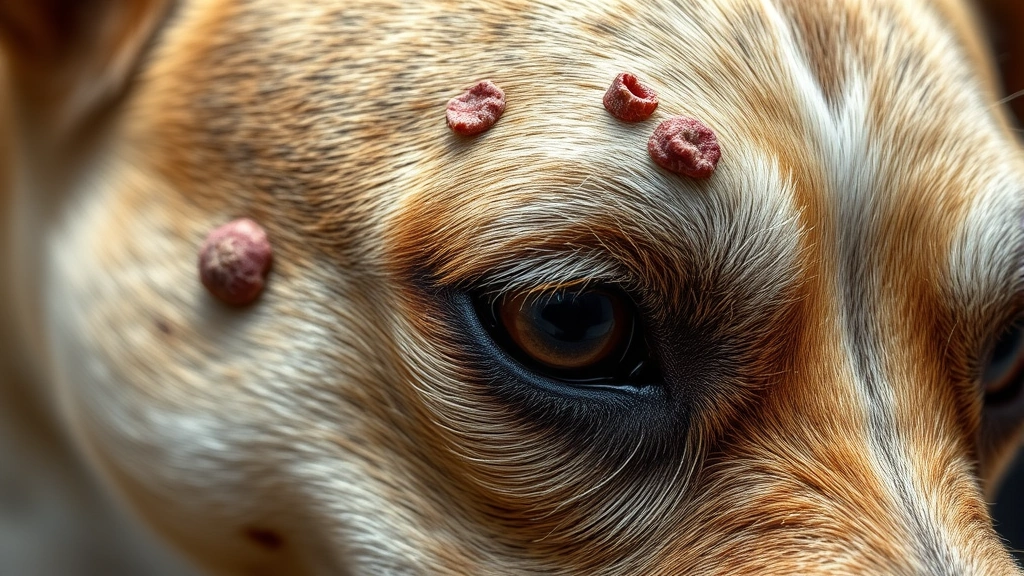
Cancerous skin tags on dogs images might look innocent at first glance, but spotting the difference between benign growths and malignant tumors could literally save your dog’s life. As a vet tech who’s seen thousands of skin lesions, I can tell you that most dog owners catch these things way too late—and that’s a problem we need to fix right now.
Table of Contents
- What Are Skin Tags vs. Malignant Growths?
- Warning Sign #1: Rapid Growth and Changes
- Warning Sign #2: Color Changes and Discoloration
- Warning Sign #3: Bleeding or Oozing
- Warning Sign #4: Inflammation and Redness Around the Base
- Warning Sign #5: Itching, Scratching, and Licking
- Warning Sign #6: Odor Coming From the Growth
- Warning Sign #7: Irregular Borders and Asymmetrical Shape
- Warning Sign #8: Location on High-Risk Areas
- Warning Sign #9: Ulceration and Open Sores
- Warning Sign #10: Multiple Growths Appearing Simultaneously
- How to Document Cancerous Skin Tags on Dogs Images
- Diagnostic Steps Your Vet Will Take
- Prevention and Early Detection Strategies
- When to Panic vs. When to Wait
- Treatment Options if Cancer is Diagnosed
- Frequently Asked Questions
- The Bottom Line on Cancerous Skin Tags on Dogs Images
What Are Skin Tags vs. Malignant Growths?
Let’s clear up the confusion first. Skin tags are those little dangly bits of skin that look like they’re just hanging there for no reason. They’re usually harmless, benign, and honestly kind of annoying looking. But here’s where it gets tricky: not everything that looks like a skin tag actually is one. Some growths that appear similar can be mast cell tumors, melanomas, or other nasty stuff hiding under innocent-looking skin.
The challenge? Cancerous skin tags on dogs images often look remarkably similar to regular skin tags in photos. You can’t always tell the difference just by looking at a picture, which is why veterinary examination is crucial.
Warning Sign #1: Rapid Growth and Changes
If that little bump went from pea-sized to marble-sized in a few weeks, that’s your red flag waving frantically. Benign skin tags grow slowly—we’re talking months or years. Malignant growths? They can change faster than your dog can chase a squirrel. Keep a mental note of when you first noticed the growth and how fast it’s expanding.
Warning Sign #2: Color Changes and Discoloration
Normal skin tags are usually the same color as your dog’s skin or maybe a bit darker. But if you’re seeing cancerous skin tags on dogs images with irregular coloring, multiple colors in one lesion, or colors that look like dark brown or black, that’s concerning. Melanomas in particular love to show off with dark pigmentation. Any lesion that looks like it’s auditioning for a rainbow needs veterinary attention immediately.
Warning Sign #3: Bleeding or Oozing
This is a big one. Healthy skin tags don’t bleed unless your dog scratches them raw. If you’re noticing discharge, pus, or blood coming from the growth without any trauma, you’re looking at a potential problem. Some cancerous growths are fragile and bleed easily because the tissue is abnormal and poorly formed.
Warning Sign #4: Inflammation and Redness Around the Base
Check out the skin surrounding the growth. Is it red, swollen, or irritated? That halo of inflammation around a skin growth is your body’s immune system throwing a fit about something it doesn’t like. While some inflammation can happen with benign growths, excessive redness and swelling warrant a vet visit. This is especially true for older dogs, where immune responses to tumors become more pronounced.
Warning Sign #5: Itching, Scratching, and Licking
Dogs lick and scratch for lots of reasons, but obsessive attention to one particular growth is suspicious. When your pup won’t leave that one spot alone, it often means something’s bothering them—sometimes pain, sometimes irritation from an abnormal growth. The constant licking can actually make things worse, creating a cycle of inflammation and infection.
Warning Sign #6: Odor Coming From the Growth
Trust your nose on this one. A foul smell emanating from a skin lesion suggests infection or tissue necrosis, both of which can indicate a more serious problem. Benign skin tags don’t usually smell bad. If you’re getting a whiff of something off, that’s your cue to call the vet. Consider using urgent care telehealth for pets to get a quick professional opinion if you can’t get an appointment immediately.
Warning Sign #7: Irregular Borders and Asymmetrical Shape
The ABCDE rule from human dermatology applies to dogs too. Look for Asymmetry (one half doesn’t match the other), Border irregularity (jagged or unclear edges), Color variation, Diameter (anything bigger than a pencil eraser is worth checking), and Evolving (changing over time). Cancerous skin tags on dogs images often show these characteristics. Benign skin tags tend to be symmetrical, uniform in color, and have clear borders.
Warning Sign #8: Location on High-Risk Areas
Some spots on your dog’s body are more prone to cancer. Growths on the legs, paws, face, or genital area have higher malignancy rates than growths on the trunk. Senior dogs, particularly those over 8 years old, are more susceptible to skin cancers. If your aging pup has a new growth in these locations, extra vigilance is warranted. Check out our guide on brain health for aging pets for more comprehensive senior dog care information.
Warning Sign #9: Ulceration and Open Sores
An ulcerated growth—one that’s broken down into an open wound—is definitely concerning. The tissue has literally broken apart, which suggests abnormal cell structure. This is more common in malignant tumors because they lack the integrity of normal tissue. If your dog has an open sore that won’t heal, that’s not something to wait on.
Warning Sign #10: Multiple Growths Appearing Simultaneously
One weird bump? Maybe nothing. Five weird bumps appearing over a few months? That suggests a systemic issue. Multiple skin growths can indicate a predisposition to tumors or an underlying condition affecting skin health. This pattern is especially concerning in older dogs and warrants comprehensive screening.
How to Document Cancerous Skin Tags on Dogs Images
If you’re worried about a growth, start taking photos. Use consistent lighting, include a size reference (like a coin), and take pictures from multiple angles. Document any changes weekly. This visual record is gold when you show your vet—they can see the progression and make better decisions. When you bring these images to your vet or use pet wellness exam telehealth services, you’re giving them crucial information.
Diagnostic Steps Your Vet Will Take
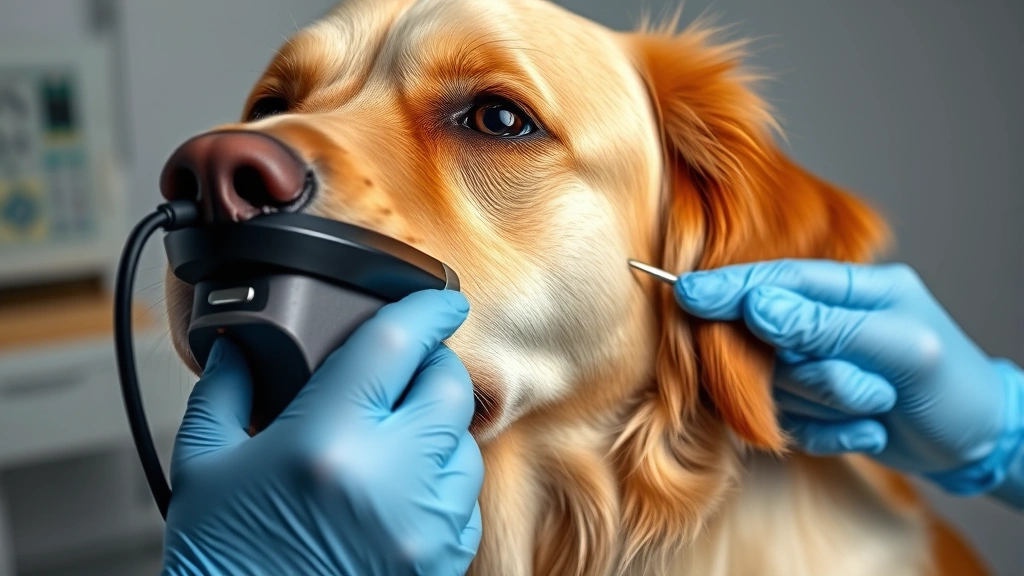
Your veterinarian won’t rely on cancerous skin tags on dogs images alone. They’ll perform a physical examination, potentially do a fine-needle aspirate (basically a tiny needle sample), or recommend a biopsy for definitive diagnosis. A biopsy is the gold standard—it’s the only way to know for sure if something is cancerous. Some vets might also recommend bloodwork or imaging to check for spread.
Prevention and Early Detection Strategies
Monthly skin checks are your best friend. Run your hands over your dog’s entire body, feeling for lumps and bumps. Most dogs don’t mind this, and it becomes a bonding activity. Keep your dog at a healthy weight, provide quality nutrition, and consider preventative care supplements that support skin and immune health. UV protection matters too—dogs with light-colored skin are more prone to skin cancer, so limit sun exposure for vulnerable pups.
When to Panic vs. When to Wait
Not every growth needs immediate emergency intervention, but certain signs demand urgent attention: rapid growth, bleeding, open sores, or multiple growths. If you see any of these, don’t wait for your regular vet appointment—call for an emergency visit or use telehealth services for immediate guidance. For slow-growing, stable growths without concerning signs, scheduling a routine appointment is appropriate.
Treatment Options if Cancer is Diagnosed
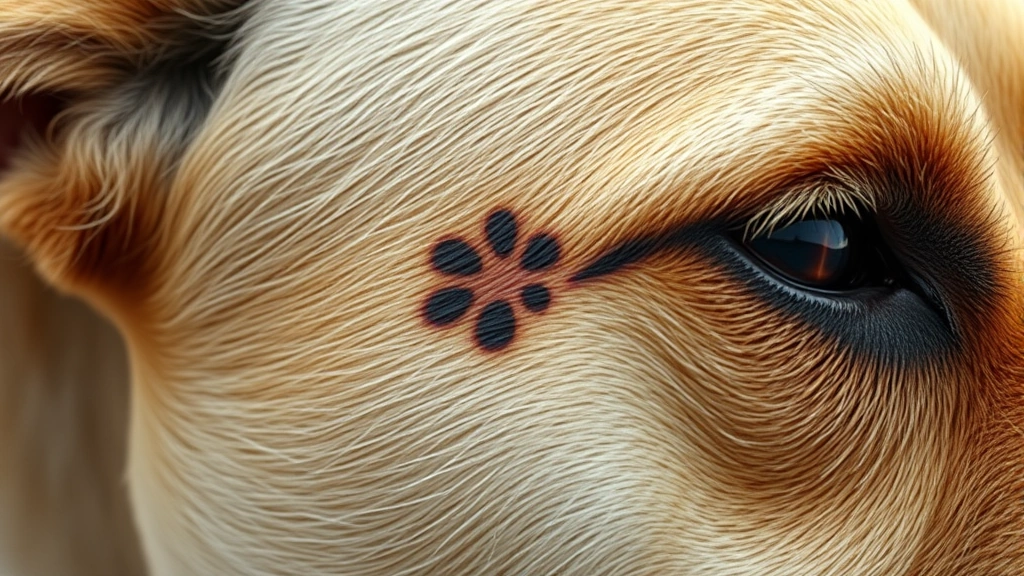
If your vet confirms cancer, options might include surgical removal, chemotherapy, radiation, or immunotherapy depending on the type and stage. Early detection genuinely improves outcomes. A small tumor caught early might be completely removable with surgery alone, while advanced cancer requires more aggressive treatment.
Frequently Asked Questions
Can I tell if a skin tag is cancerous just by looking at cancerous skin tags on dogs images online?
Not reliably. While images can show you what concerning growths look like, only a veterinary examination and potentially a biopsy can confirm cancer. Online images are helpful for education but shouldn’t replace professional diagnosis. Use them to decide whether something warrants a vet visit, not to self-diagnose.
Are skin tags more common in certain dog breeds?
Older dogs and certain breeds like Cocker Spaniels, Poodles, and Boxers seem more prone to skin growths. Senior dogs in general develop more skin tags and tumors as they age. If your breed has a predisposition, extra vigilance during wellness exams is smart.
How much does it cost to remove a suspicious growth?
Costs vary widely depending on location, size, and whether biopsy is needed. A simple removal might cost $300-800, while a biopsy adds $200-500. Emergency removal costs more. Check with your vet for specific pricing, and consider pet insurance if skin issues run in your dog’s family.
Can I use home remedies to treat cancerous skin tags?
Absolutely not. Home remedies can delay diagnosis and allow cancer to progress. Never apply essential oils, apple cider vinegar, or other DIY treatments to suspicious growths. If it’s cancer, you need professional treatment. If it’s benign, you still need proper removal to prevent complications.
How often should senior dogs be checked for skin growths?
Monthly self-exams and veterinary checks at least twice yearly for dogs over 8 years old. If your senior dog has a history of skin issues, quarterly vet visits make sense. These check-ups catch problems early when treatment is most effective.
The Bottom Line on Cancerous Skin Tags on Dogs Images
Spotting cancerous skin tags on dogs images requires knowing what to look for, but professional diagnosis is non-negotiable. Monthly self-exams combined with regular vet visits give your dog the best chance of early detection. Trust your gut—if something looks off, it probably is. Your dog can’t tell you they’re uncomfortable, so you have to be their advocate. Don’t let fear paralyze you, but don’t ignore warning signs either. Early intervention saves lives, and your vet is your partner in keeping your pup healthy and happy for years to come.





