
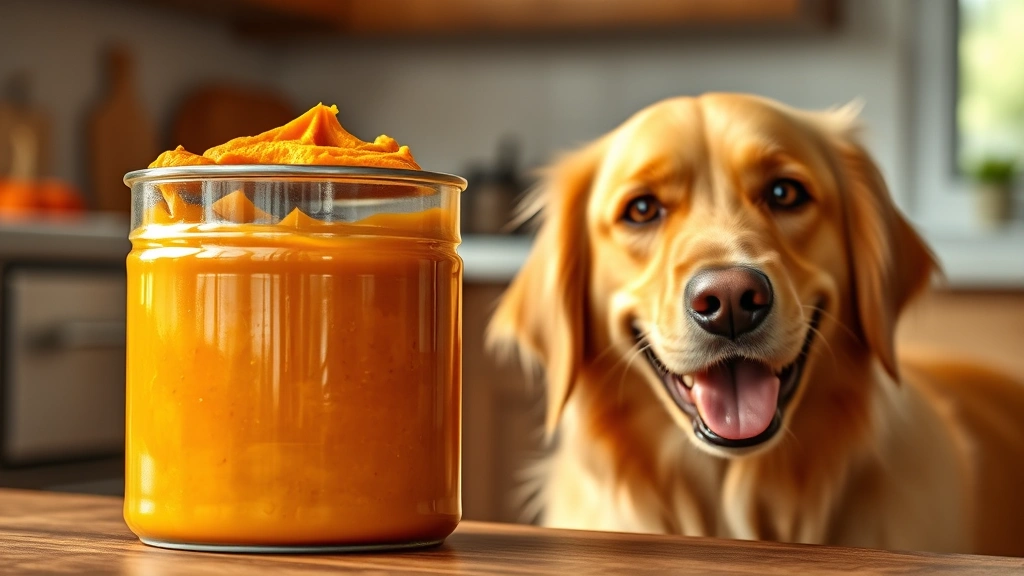
Listen, if you haven’t discovered canned pumpkin for dogs yet, you’re missing out on one of pet nutrition’s best-kept secrets. This humble orange stuff sitting on grocery store shelves isn’t just for Thanksgiving pie—it’s basically a canine superfood that vets have been quietly recommending for decades. Whether your furry friend is dealing with digestive drama or you’re just looking to boost their overall wellness, pumpkin might be the answer you’ve been searching for.
Table of Contents
- What Makes Canned Pumpkin So Special for Dogs?
- Benefit #1: Tackles Diarrhea Like a Boss
- Benefit #2: Constipation Relief That Actually Works
- Benefit #3: Weight Management Support for Chunky Pups
- Benefit #4: Promotes Healthy Skin and Coat
- Benefit #5: Supports Overall Digestive Health and Nutrient Absorption
- How to Introduce Pumpkin to Your Dog’s Diet
- The Right Kind of Pumpkin: What to Buy
- When to Use Pumpkin and Potential Considerations
- Real Results: What Dog Owners Are Saying
- Frequently Asked Questions
- The Bottom Line: Why Pumpkin Deserves a Spot in Your Dog’s Diet
Here’s the thing: most dog owners have no idea that a simple can of pumpkin can tackle everything from constipation to diarrhea, support weight management, and even improve skin health. We’re talking about a whole pharmacy of benefits wrapped up in one affordable, natural ingredient. Let’s dive into why this orange wonder deserves a permanent spot in your dog’s diet.
What Makes Canned Pumpkin So Special for Dogs?
Before we get into the nitty-gritty, let’s talk about what’s actually in this stuff. Pure canned pumpkin (and we’re talking 100% pumpkin puree here, not pumpkin pie filling—that stuff has added sugar and spices that your dog doesn’t need) is loaded with fiber, vitamins A, C, E, and potassium. It’s basically nature’s way of saying, “Here, have something good for your gut.”
The real magic happens because of pumpkin’s unique combination of soluble and insoluble fiber. This fiber content is what makes pumpkin work like a charm for digestive issues. Whether your pup’s system is moving too fast or too slow, pumpkin helps regulate things. It’s like the Goldilocks of dog foods—just right for most situations.
Benefit #1: Tackles Diarrhea Like a Boss
One of the most common reasons vets recommend pumpkin is for diarrhea relief. The soluble fiber in pumpkin absorbs excess water in your dog’s intestines, which means firmer stools and a happier pup (and a happier you, let’s be honest). Most dogs see improvement within 24-48 hours of adding pumpkin to their diet.
The best part? It works without the side effects of medications. You’re not dealing with potential drug interactions or upset stomachs from antibiotics. Just pure, natural fiber doing its job. Most vets recommend starting with 1-4 tablespoons per day depending on your dog’s size, mixed right into their regular food. Check out our guide on feeding during illness for more specific recommendations when your pup isn’t feeling great.
Benefit #2: Constipation Relief That Actually Works
Here’s where things get interesting: the same fiber that stops diarrhea can also help with constipation. We know, it sounds backwards, but that’s the beauty of pumpkin’s balanced fiber profile. The insoluble fiber acts like a broom, sweeping things through your dog’s digestive tract. If your senior dog or your pup with mobility issues is struggling to go, pumpkin might be exactly what they need.
The key is making sure your dog is drinking enough water—fiber works best when there’s adequate hydration. Think of it like this: fiber without water is like trying to clean with a dry mop. Not happening. So encourage your pup to drink up, add some pumpkin, and watch things get moving again.
Benefit #3: Weight Management Support for Chunky Pups
Got a dog who thinks they’re a garbage disposal? Pumpkin for dogs can actually help with weight management because it’s incredibly low in calories (about 42 calories per 100 grams) but high in fiber. This means your pup feels fuller longer without consuming extra calories. You can even use it as a lower-calorie treat or mixer to make their regular food more satisfying.
For dogs on restricted calorie diets, pumpkin is a game-changer. You can increase the volume of their meals without increasing the caloric content, which keeps them satisfied and less likely to beg for extra treats. It’s basically a nutritional hack for keeping your pup at a healthy weight. Learn more about proper pet food consistency when adjusting your dog’s diet.
Benefit #4: Promotes Healthy Skin and Coat
Remember those vitamins we mentioned? Pumpkin is packed with beta-carotene (vitamin A), which is crucial for healthy skin and a shiny coat. Dogs with dull, dry fur or itchy skin often see noticeable improvement when pumpkin is added to their regular diet. The antioxidants in pumpkin also help reduce inflammation, which can be especially beneficial for dogs with allergies or sensitive skin.
The combination of fiber and nutrients means better nutrient absorption overall, which translates to better skin health from the inside out. You’re not just treating symptoms; you’re actually supporting your dog’s body’s ability to maintain healthy skin and coat naturally. It’s like giving your pup a spa day, but from the inside.
Benefit #5: Supports Overall Digestive Health and Nutrient Absorption
Beyond treating specific issues, canned pumpkin for dogs supports long-term digestive health. The fiber feeds beneficial bacteria in your dog’s gut, creating an environment where good microbes thrive. This is especially important if your dog has been on antibiotics or has a history of digestive issues. Consider combining pumpkin with multi-strain probiotics for pets for maximum digestive support.
A healthier gut means better nutrient absorption, which means your dog gets more benefit from their regular food. It’s a win-win situation. Plus, a balanced digestive system means less gas, fewer digestive disturbances, and a generally happier dog overall.
How to Introduce Pumpkin to Your Dog’s Diet
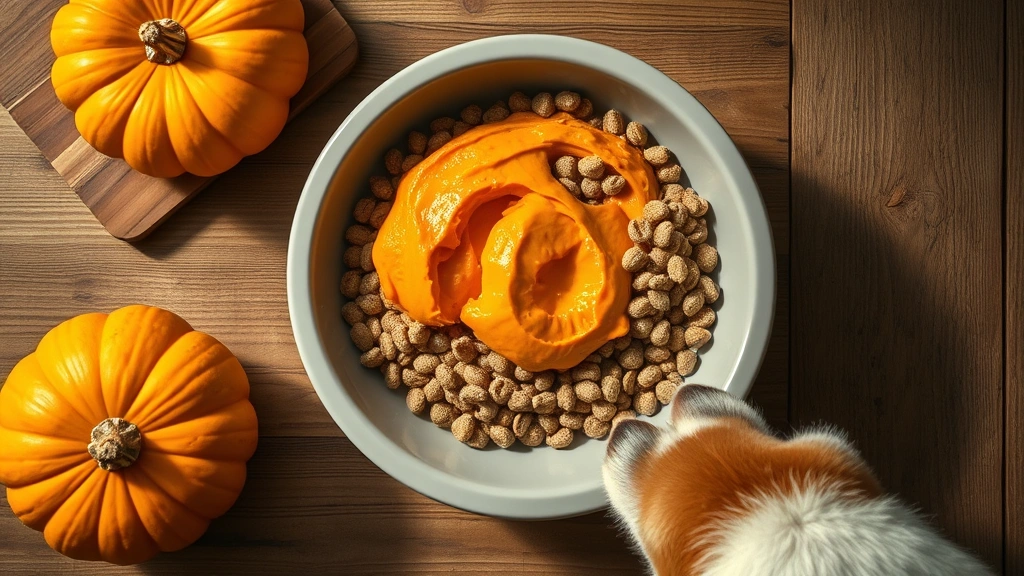
Okay, so you’re sold on pumpkin. Now let’s talk about how to actually use it without creating a pumpkin-colored mess. Start small—like, really small. A teaspoon for tiny dogs, a tablespoon for medium dogs, and 2-3 tablespoons for large breeds. Mix it right into their regular food.
The key is introducing it gradually over a few days so your dog’s system can adjust. You don’t want to shock their digestive system by going from zero pumpkin to maximum pumpkin overnight. Think of it like easing into a new exercise routine—you build up gradually. Most dogs take to it immediately because, let’s face it, pumpkin tastes pretty good to them.
Pro tip: You can freeze pumpkin in ice cube trays for easy portioning and longer storage. Pop one out, thaw it, and you’ve got a perfect serving. Some people even mix pumpkin with plain yogurt for an extra probiotic boost.
The Right Kind of Pumpkin: What to Buy
This is critical: you want 100% pure pumpkin puree, not pumpkin pie filling. Pie filling has added sugars, spices, and sometimes thickeners that aren’t ideal for dogs. Check the ingredient list—it should literally just say “pumpkin.” That’s it. Nothing else.
You’ll find it in the baking aisle, usually year-round (though it gets harder to find in summer). Most major grocery stores carry it, and it’s dirt cheap—usually around a dollar per can. For the price, you’re getting a supplement that rivals products costing three times as much.
When to Use Pumpkin and Potential Considerations
While pumpkin is generally safe for most dogs, there are a few situations where you should check with your vet first. Dogs with pancreatitis need careful dietary management—check our pancreatitis feeding schedule before adding pumpkin. Dogs with kidney disease should consult their vet about potassium content, especially if they’re on restricted diets. See our guide on renal diet feeding routine for more information.
Diabetic dogs can have pumpkin, but it should be factored into their overall carbohydrate intake. And if your dog is on certain medications, always run it by your vet first. Most of the time, pumpkin is a green light, but it’s better to be safe than sorry.

Real Results: What Dog Owners Are Saying
The internet is full of stories from dog owners who’ve had success with pumpkin. One owner reported that their rescue dog’s chronic diarrhea cleared up within three days of adding pumpkin to their diet. Another mentioned that their senior dog’s constipation issues disappeared, and they actually started having energy to play again. A third owner noticed their dog’s coat went from dull and flaky to shiny and healthy within a few weeks.
These aren’t miracle stories—they’re just what happens when you give your dog’s digestive system the support it needs. The consistency of these results across so many different dogs is what makes pumpkin such a reliable recommendation from vets and nutritionists.
Frequently Asked Questions
Can I give my dog too much pumpkin?
Yes, too much pumpkin can actually cause constipation or loose stools, depending on your dog’s individual system. Stick to the recommended amounts: 1-4 tablespoons daily depending on size. More isn’t always better, especially when it comes to fiber. If you’re not seeing improvement after a few days, talk to your vet rather than increasing the amount.
How long does it take for pumpkin to work?
Most dogs see results within 24-48 hours for diarrhea. Constipation relief might take a bit longer, sometimes 2-3 days. If you’re using pumpkin for long-term digestive support or skin health, give it at least 2-3 weeks to see noticeable changes.
Is canned pumpkin safe for puppies?
Yes, pumpkin is safe for puppies, but use smaller amounts and check with your vet first. Puppies have developing digestive systems, and you want to make sure pumpkin is appropriate for their specific situation. Generally, a teaspoon mixed into their food is a safe starting point.
Can I use fresh pumpkin instead of canned?
Fresh pumpkin works, but canned is more convenient and has more consistent fiber content. If you do use fresh pumpkin, cook it first and puree it. The canned version is shelf-stable, easier to portion, and you know exactly what you’re getting, so it’s the better choice for most dog owners.
What if my dog won’t eat pumpkin?
Most dogs love pumpkin, but some are picky. Try mixing it with something they do love—plain yogurt, their regular food, or even a bit of bone broth. You can also try warming it slightly to make the smell more appealing. If your dog absolutely refuses it, talk to your vet about alternatives.
The Bottom Line: Why Pumpkin Deserves a Spot in Your Dog’s Diet
Here’s what we know: canned pumpkin for dogs is safe, affordable, effective, and backed by both veterinary science and real-world results. Whether your dog is dealing with digestive issues, needs support for their skin and coat, or you’re just looking for a way to support their overall wellness, pumpkin is worth trying. For comprehensive digestive support, consider combining it with other proven supplements from our digestive health supplements guide.
It costs about a dollar per can, has virtually no downside for most dogs, and can make a real difference in how your pup feels and looks. Start with a small amount, monitor your dog’s response, and prepare to be amazed at what this humble orange puree can do. Your dog’s digestive system will thank you, and honestly, your vet will probably be thrilled that you’re being proactive about your pup’s health. That’s what responsible pet ownership looks like.
External Resources:





