

If you’re considering bringing a Catahoula leopard dog personality into your home, buckle up—you’re about to meet one of the most intense, loyal, and downright fascinating dog breeds on the planet. These spotted hunting legends from Louisiana aren’t your typical lap dogs, and understanding their temperament is absolutely crucial before you commit to one.
Table of Contents
- What Makes Catahoula Leopard Dogs So Unique?
- The Loyal Guardian: Understanding Catahoula Temperament
- Energy Levels That’ll Make Your Head Spin
- Intelligence and Stubbornness: A Double-Edged Sword
- Prey Drive and Hunting Instincts
- Socialization: Make It or Break It
- Health Considerations and Behavioral Support
- Feeding and Nutrition for Active Dogs
- The Catahoula as a Family Dog
- Training Tips for Success
- Common Behavioral Challenges
- Frequently Asked Questions
- Summary: Is a Catahoula Right for You?
What Makes Catahoula Leopard Dogs So Unique?
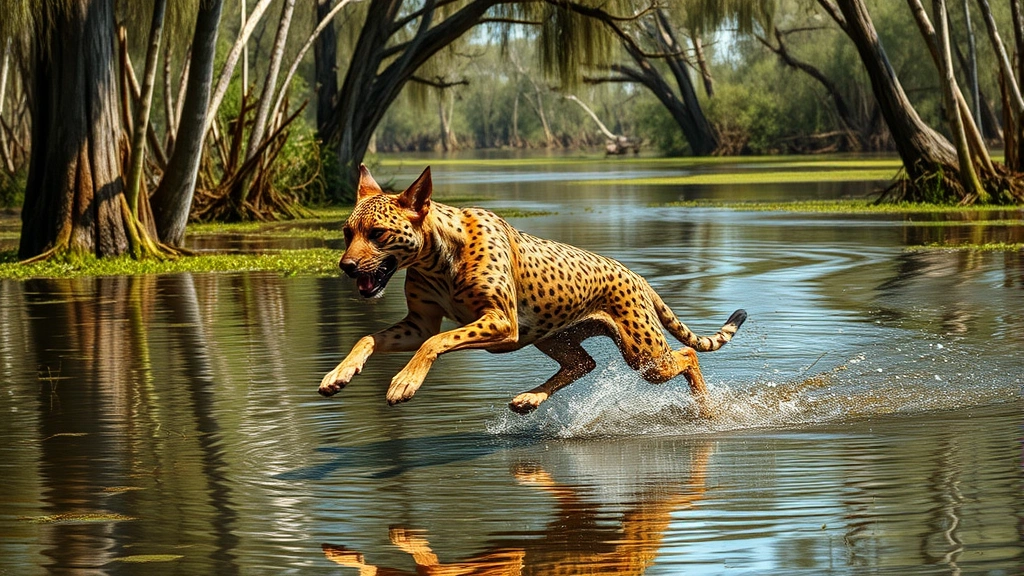
The Catahoula leopard dog is Louisiana’s official state dog, and for good reason. These medium-to-large dogs were originally bred to hunt wild boar and herd livestock in the swamps and forests of Louisiana. That heritage means they’ve got drive, intelligence, and an independent streak that would make a cat jealous. Their striking leopard-spotted coat and those mesmerizing glass eyes (a pale blue or amber color) are just the beautiful wrapper around what’s essentially a working machine.
The breed’s personality reflects its hunting background. We’re talking about a dog that was designed to make split-second decisions in dangerous terrain without waiting for a human to tell them what to do. That translates to a modern Catahoula that’s confident, protective, and sometimes stubborn as heck.
The Loyal Guardian: Understanding Catahoula Temperament
Here’s the thing about Catahoula leopard dog personality traits: loyalty runs deeper than the bayou. These dogs form intense bonds with their families and will literally put themselves between you and danger. They’re not aloof or independent in the way some working breeds can be—they’re actually deeply attached to their people.
But that loyalty comes with a caveat. Catahoulas are naturally protective and territorial. They’ll be suspicious of strangers, which makes them excellent guard dogs but potentially problematic if not properly socialized. Early exposure to different people, environments, and situations is non-negotiable with this breed.
Energy Levels That’ll Make Your Head Spin
If you’re a couch potato looking for a Netflix buddy, a Catahoula isn’t your match. These dogs have energy that needs an outlet, or they’ll create their own (usually involving your furniture). We’re talking about 60-90 minutes of vigorous exercise daily, minimum. Running, swimming, hiking, or intense play sessions aren’t optional—they’re essential for maintaining a balanced, happy Catahoula.
The breed’s high-energy nature means they thrive with owners who lead active lifestyles. Without adequate physical stimulation, Catahoulas can develop destructive behaviors, anxiety, and aggression. This is where proper high energy dog food needs come into play—these athletes require premium nutrition to fuel their demanding lifestyle.
Intelligence and Stubbornness: A Double-Edged Sword
Catahoulas are smart. Like, genuinely intelligent dogs that can outsmart their owners if given the chance. This intelligence makes them trainable, but it also means they’ll question your authority if they don’t respect you. They’re not the type to blindly follow commands just because you said so.
Training a Catahoula requires consistency, patience, and respect. These dogs respond best to positive reinforcement and clear leadership. They need to understand the “why” behind commands, not just the “what.” Harsh corrections or punishment-based training methods often backfire spectacularly with this breed, creating resentment and behavioral issues.
Prey Drive and Hunting Instincts
Remember, Catahoulas were bred to hunt. That means they have a prey drive that makes them unsuitable for homes with small pets like cats, rabbits, or hamsters. They’ll see these animals as prey, and no amount of training will completely override that instinct. Even well-socialized Catahoulas can’t be trusted around small animals.
This prey drive also extends to their play style. They can be rough, intense, and sometimes aggressive during play, especially with other dogs. Multi-dog households need careful management and supervision to prevent conflicts.
Socialization: Make It or Break It
The window for socializing a Catahoula is narrow but critical. Between 3-16 weeks of age, puppies are most receptive to new experiences. During this time, expose your Catahoula to different people, animals, sounds, and environments. This isn’t optional—it’s the foundation for a well-adjusted adult dog.
Without proper socialization, Catahoulas can develop fear-based aggression or become overly protective and territorial. They’re naturally suspicious of strangers, which is fine, but they shouldn’t be genuinely aggressive toward people who aren’t threats. A well-socialized Catahoula can learn to differentiate between normal visitors and actual danger.
Health Considerations and Behavioral Support
Catahoulas are generally healthy dogs, but stress and anxiety can manifest physically. Some dogs develop behavioral issues rooted in anxiety or frustration. If you notice excessive barking, destructive behavior, or aggression, it might be worth exploring behavioral support supplements alongside training and exercise modifications. Additionally, pet stress supplements can help dogs prone to anxiety manage their nervous system response.
Always consult with your veterinarian before adding supplements, as some may interact with medications or health conditions. The key is addressing the root cause—usually insufficient exercise or stimulation—rather than just treating symptoms.
Feeding and Nutrition for Active Dogs
Catahoulas need high-quality nutrition to support their active lifestyle. Their dog feeding routine should include protein-rich foods that support muscle maintenance and recovery. Most adult Catahoulas do well on 2-3 cups of high-quality dog food daily, split into meals.
If your Catahoula shows food guarding behaviors, check out our guide on food aggressive dog feeding strategies. Food aggression is a serious issue that requires professional intervention and management.
The Catahoula as a Family Dog
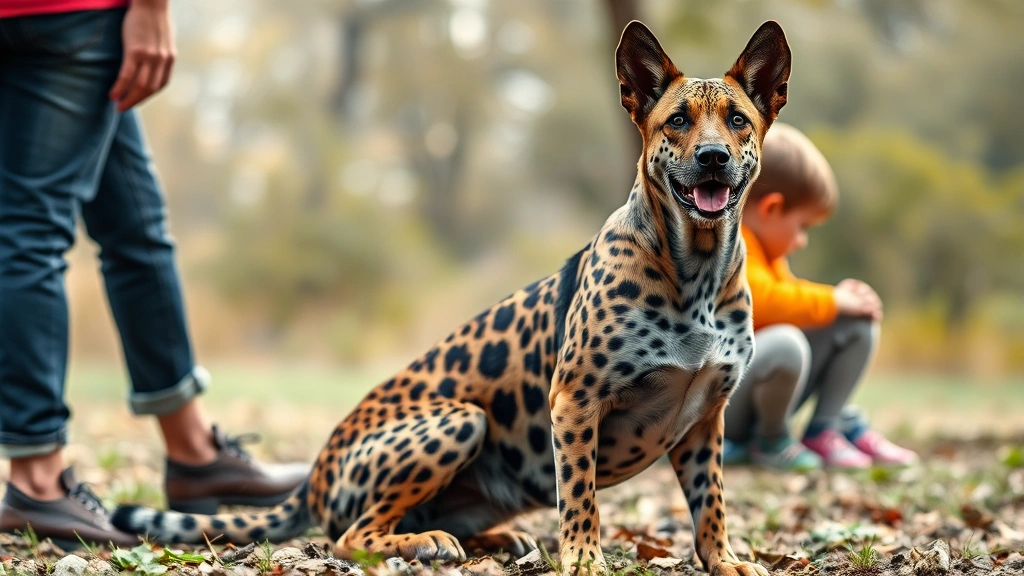
Can Catahoulas be family dogs? Absolutely, but with caveats. They’re excellent with children they’ve been raised with and are naturally protective of kids in their family. However, their rough play style and size mean they’re better suited to families with older children who can handle their intensity.
Their protective nature means they’ll take their job as family guardian seriously. This is wonderful until a friend comes over and your Catahoula decides they’re a threat. Early socialization and consistent training help manage this tendency.
Training Tips for Success
Training a Catahoula leopard dog personality requires understanding what motivates them. These dogs work for respect and purpose, not just treats. Use positive reinforcement, establish clear boundaries, and be consistent. Short, engaging training sessions work better than long, repetitive ones—remember, they’re intelligent and get bored easily.
Catahoulas also respond well to having a job. Whether it’s agility, dock diving, or simply being your running partner, giving them purpose channels their energy constructively. A Catahoula with a job is a happy Catahoula.
Common Behavioral Challenges
The most common issues Catahoula owners face are destructive behavior (from insufficient exercise), aggression toward other dogs, food guarding, and escape artistry. These dogs are escape artists who can climb fences, dig under barriers, and generally MacGyver their way out of confinement.
Many behavioral problems stem from boredom or lack of exercise. Before assuming your Catahoula has a behavioral disorder, ensure they’re getting adequate physical and mental stimulation. A tired Catahoula is a well-behaved Catahoula.
Frequently Asked Questions
Are Catahoula leopard dogs good for first-time dog owners?
Not typically. Catahoulas require experienced handlers who understand working breeds, can provide consistent training, and have the lifestyle to meet their exercise needs. First-time owners often underestimate the breed’s intensity and end up frustrated. If you’re a first-time owner, consider working with a trainer experienced in the breed.
Do Catahoulas get along with other dogs?
It depends on socialization and individual temperament. Many Catahoulas have prey drive that makes them incompatible with smaller dogs. Same-sex aggression is also common in the breed. They can live peacefully with other dogs if raised together and properly managed, but they’re not naturally pack dogs.
How long do Catahoula leopard dogs live?
Catahoulas typically live 10-14 years. They’re relatively healthy dogs without major breed-specific health issues, though hip dysplasia and deafness (especially in dogs with excessive white markings) can occur.
What’s the best living situation for a Catahoula?
A home with a large, securely fenced yard and an active owner is ideal. They need space to run and an owner who can provide daily exercise and mental stimulation. Apartment living is possible but challenging unless you have exceptional access to exercise areas and are committed to meeting their needs.
Can Catahoulas be off-leash dogs?
Not reliably. Their prey drive and independent nature mean they may chase wildlife or simply decide to explore on their own. Always keep them on-leash in unfenced areas, even if they’re well-trained. A secure, high fence is essential.
Summary: Is a Catahoula Right for You?
The Catahoula leopard dog personality is a complex blend of loyalty, intelligence, intensity, and independence. They’re not for everyone, and that’s okay. These dogs thrive with experienced owners who appreciate their working-dog mentality, can provide substantial exercise, and are committed to consistent training and socialization.
If you lead an active lifestyle, have experience with working breeds, and understand the commitment required, a Catahoula can be an incredibly rewarding companion. They’ll protect your family fiercely, keep you active, and provide unconditional loyalty. But if you’re looking for an easy-going, everyone-friendly family pet, you might want to explore other breeds.
Take time to research the breed thoroughly, connect with breed clubs and rescue organizations, and honestly assess whether your lifestyle aligns with a Catahoula’s needs. The right match between dog and owner creates magic; the wrong match creates heartbreak. Choose wisely.





