

When the Chernobyl nuclear disaster struck on April 26, 1986, thousands of animals were left behind in the exclusion zone, and Chernobyl dogs became some of the most unlikely survivors of one of history’s worst environmental catastrophes. These remarkable canines didn’t just survive—they thrived, adapted, and became living proof that nature is far more resilient than we give it credit for. Today, over 35 years later, their story continues to fascinate scientists, animal lovers, and researchers worldwide.
Table of Contents
- The Night Everything Changed: Understanding the Disaster
- The Pack Mentality: How Chernobyl Dogs Organized Themselves
- Genetic Mutations and Radiation Resistance in Canine Populations
- Life in the Exclusion Zone: Daily Survival Tactics
- Scientific Studies and Ongoing Research Programs
- Health Challenges and Medical Observations
- The Role of Volunteer Rescuers and Activists
- Behavioral Adaptations: From Pets to Pack Survivors
- Genetic Insights and Future Research Implications
- The Emotional Connection: Why We Care About Chernobyl Dogs
- Challenges in Rescue and Relocation Efforts
- Long-Term Monitoring and Population Dynamics
- Frequently Asked Questions
- Conclusion: The Legacy of Chernobyl Dogs
The Night Everything Changed: Understanding the Disaster
The explosion at the Chernobyl Nuclear Power Plant released approximately 400 times more radiation than the atomic bomb dropped on Hiroshima. In the immediate aftermath, Soviet authorities evacuated roughly 116,000 people from the surrounding areas. But the animals? They were left behind. Soldiers were ordered to shoot the remaining pets to prevent them from spreading radioactive contamination, but many managed to escape into the forests and abandoned towns. This is where our story of Chernobyl dog survival truly begins—a tale of resilience against impossible odds.
The Pack Mentality: How Chernobyl Dogs Organized Themselves
Within weeks of the evacuation, the abandoned dogs of Chernobyl formed packs for survival. These weren’t wild dogs—they were pets and strays that had to rapidly adapt to life without human care. Scientists have observed that these packs developed sophisticated social hierarchies, hunting strategies, and territorial behaviors. The dogs learned to scavenge from abandoned buildings, hunt small game, and navigate the dangerous terrain of the exclusion zone. Researchers estimate there are now between 400 to 900 dogs living in the Chernobyl exclusion zone, all descendants of those original survivors.
Genetic Mutations and Radiation Resistance in Canine Populations
One of the most fascinating aspects of studying Chernobyl dogs is understanding how they’ve adapted to extreme radiation exposure. Scientists from the University of South Carolina and other institutions have been studying these dogs’ DNA to understand radiation resistance mechanisms. Some researchers have identified genetic mutations that may provide protection against radiation damage. These findings could have profound implications for understanding how mammals can survive in contaminated environments and potentially inform cancer research and treatment strategies.
The dogs show remarkably low cancer rates compared to what would be expected given their radiation exposure—a phenomenon that has puzzled and intrigued the scientific community. Some theories suggest that natural selection has favored dogs with better DNA repair mechanisms, while others believe the constant low-level radiation exposure may have triggered adaptive responses in their immune systems.
Life in the Exclusion Zone: Daily Survival Tactics
Living in the Chernobyl exclusion zone presents challenges that would seem insurmountable to most animals. The dogs have learned to avoid contaminated water sources, navigate through abandoned towns with crumbling infrastructure, and deal with extreme weather conditions. During winter, temperatures can plummet to dangerous levels, yet these Chernobyl dog populations have developed behavioral adaptations to survive. They’ve learned to seek shelter in abandoned buildings, huddle together for warmth, and maintain pack structures that ensure weaker members are protected.
Researchers have documented these dogs hunting in coordinated groups, using sophisticated communication methods including barks, whines, and body language to coordinate their efforts. Some packs have been observed crossing roads together in organized fashion, suggesting a level of intelligence and social organization that rivals wolf packs in the wild.
Scientific Studies and Ongoing Research Programs
Over the past two decades, numerous research initiatives have focused on understanding Chernobyl dogs and their remarkable adaptability. The University of South Carolina’s Department of Biology has conducted extensive genetic analysis of these populations. Scientists have collected blood samples, conducted health assessments, and analyzed the dogs’ DNA to understand what makes them so resilient to radiation exposure.
One groundbreaking study published in peer-reviewed journals found that Chernobyl dog populations show genetic signatures of rapid evolution, with certain genes related to DNA repair and immune function showing signs of positive selection. This research has enormous implications not just for understanding dog biology, but for comprehending how mammals in general can adapt to extreme environmental stress. Check out the American College of Sports Medicine for more on biological adaptation research.
Health Challenges and Medical Observations
Despite their remarkable survival, Chernobyl dogs face significant health challenges. Researchers have documented higher rates of certain illnesses, including thyroid problems, which are commonly associated with radiation exposure. The dogs also suffer from parasitic infections, malnutrition, and injuries from living in a harsh environment. Many have visible signs of radiation exposure, including skin abnormalities and fur loss in certain areas.
However, what’s truly remarkable is that these health issues haven’t prevented the population from thriving. The dogs maintain stable population numbers, successfully reproduce, and raise healthy puppies. This suggests that whatever genetic adaptations they’ve developed, they’re sufficient to maintain population viability despite ongoing radiation exposure. For insights into pet health monitoring, understanding baseline health metrics can help identify problems early.
The Role of Volunteer Rescuers and Activists
While Chernobyl dogs have adapted to survive in the exclusion zone, they haven’t been completely abandoned by humanity. A dedicated network of volunteer rescuers and animal activists regularly enters the zone to provide food, medical care, and in some cases, rescue individual dogs. Organizations have documented and named many of these dogs, creating a bridge between the scientific community and the public. These volunteers have become crucial to understanding the dogs’ behavior, health status, and living conditions.
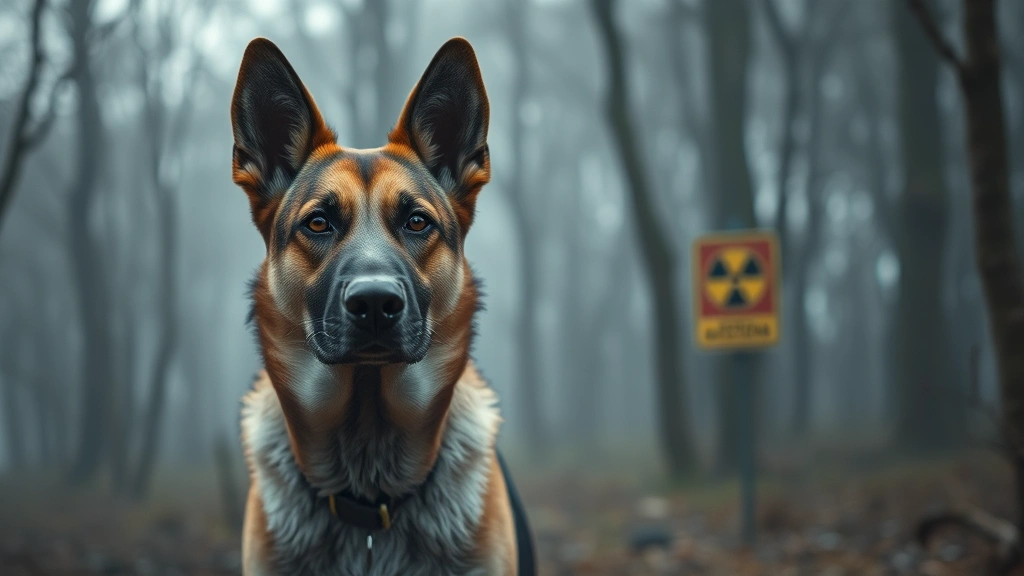
Some rescue organizations have successfully relocated Chernobyl dog individuals to sanctuaries and homes outside the exclusion zone. These rescued dogs have proven to be loving, intelligent companions, further humanizing their story and demonstrating that they’re not some alien creatures, but simply dogs who’ve been through extraordinary circumstances.
Behavioral Adaptations: From Pets to Pack Survivors
Perhaps the most striking aspect of Chernobyl dogs is how quickly they’ve transitioned from domesticated pets to wild pack animals. Within a single generation, these dogs developed entirely new behavioral patterns. They learned to hunt cooperatively, establish territories, and navigate complex social hierarchies without any wolf ancestry (unlike their wild cousins).
Researchers have observed that Chernobyl dog packs display remarkable intelligence in problem-solving. They’ve learned to cross busy roads safely, avoid dangerous structures, and identify food sources. Some packs have even learned to interact with humans in ways that maximize their chances of receiving food without putting themselves in danger. This behavioral plasticity—the ability to rapidly change behavior in response to environmental demands—may be one of the most important factors in their survival.
Genetic Insights and Future Research Implications
The genetic studies of Chernobyl dogs have revealed something truly remarkable: evidence of rapid evolutionary change in response to radiation exposure. Researchers have identified specific genetic variants that appear to provide protection against radiation damage. These findings could have applications far beyond the exclusion zone, potentially informing cancer research, treatment strategies, and our understanding of how organisms adapt to environmental stress.
Some scientists are investigating whether the genes identified in Chernobyl dogs could be studied to develop new cancer therapies or radiation protection strategies for humans. The dogs have essentially provided a living laboratory for understanding adaptive evolution in real-time—something that rarely happens in scientific research. For more on biological research and health monitoring, check out at-home pet treatments resources.
The Emotional Connection: Why We Care About Chernobyl Dogs
Beyond the science, Chernobyl dogs have captured the hearts of people worldwide. Their story represents resilience, adaptation, and the indomitable spirit of survival. In an era of environmental catastrophe, these dogs remind us that life finds a way, that nature is more resilient than we often believe, and that even in the darkest circumstances, hope persists.
The emotional connection people feel to Chernobyl dogs has translated into real-world action. Fundraising campaigns have raised hundreds of thousands of dollars for rescue operations and research. Documentary films and books have brought their story to global audiences. This emotional investment has actually helped advance our scientific understanding, as public support has enabled larger research initiatives and rescue operations.
Challenges in Rescue and Relocation Efforts
Rescuing and relocating Chernobyl dogs presents unique challenges. The dogs are often wary of humans, having lived wild for multiple generations. They may carry radioactive contamination that requires decontamination procedures before leaving the exclusion zone. Additionally, there are logistical and political complications—the exclusion zone is highly restricted, and accessing it requires special permissions and safety protocols.
Despite these challenges, rescue organizations have successfully relocated hundreds of Chernobyl dogs to sanctuaries and homes. These dogs have proven to be remarkably adaptable to domestic life, quickly learning to trust humans and adjust to living indoors. Their ability to transition from wild pack life back to domestication demonstrates the incredible neuroplasticity and adaptability of canines. If you’re interested in emergency care for pets, urgent care telehealth for pets can provide quick access to professional guidance.
Long-Term Monitoring and Population Dynamics
Scientists continue to monitor Chernobyl dogs populations using various methods, including GPS tracking, photo identification, and genetic sampling. These long-term studies provide invaluable data on how populations adapt to environmental stress over multiple generations. Researchers are particularly interested in understanding whether the genetic adaptations observed in current populations will persist, intensify, or stabilize in future generations.
The population dynamics of Chernobyl dogs are fascinating—despite living in a radioactive zone with limited resources, the population has remained relatively stable, suggesting that the dogs have achieved some form of ecological balance with their environment. This stability is remarkable given the harsh conditions and ongoing radiation exposure.

Frequently Asked Questions
Are Chernobyl dogs radioactive and dangerous to humans?
While Chernobyl dogs living in the exclusion zone do carry some radioactive contamination, they are not dangerously radioactive to humans. The contamination levels are manageable and can be reduced through decontamination procedures. Rescued dogs undergo these procedures before being relocated outside the exclusion zone. The dogs themselves are not inherently dangerous due to radiation—they’re living, breathing proof that mammals can adapt to such environments.
How many Chernobyl dogs are currently alive?
Scientists estimate there are between 400 to 900 dogs currently living in the Chernobyl exclusion zone. This population has remained relatively stable for decades, with births balancing deaths. The exact number fluctuates seasonally and is difficult to determine precisely due to the vast area of the exclusion zone and the dogs’ mobility.
Can Chernobyl dogs be adopted as pets?
Yes, many Chernobyl dogs have been successfully rescued and adopted as pets. Organizations work to relocate dogs to sanctuaries and homes outside the exclusion zone. These dogs typically undergo decontamination and health assessments before adoption. They have proven to be loving, intelligent companions despite their extraordinary background.
What makes Chernobyl dogs genetically different from other dogs?
Research has identified specific genetic mutations in Chernobyl dogs that may provide enhanced radiation resistance. These mutations are primarily in genes related to DNA repair and immune function. While these differences are significant from a research perspective, Chernobyl dogs are still fundamentally the same species as other dogs—they’ve simply undergone rapid evolutionary adaptation.
Do Chernobyl dogs have higher cancer rates?
Surprisingly, Chernobyl dogs show remarkably low cancer rates given their radiation exposure—much lower than would be expected. This counterintuitive finding is one of the most intriguing aspects of their biology and suggests that genetic adaptations or other mechanisms are providing protection against radiation-induced cancer.
How do scientists study Chernobyl dogs?
Researchers use various methods including GPS tracking, photo identification, genetic sampling, health assessments, and behavioral observation. Teams regularly enter the exclusion zone to collect data, blood samples, and health information. Some dogs are captured temporarily for more detailed examination before being released back into the zone.
Conclusion: The Legacy of Chernobyl Dogs
The story of Chernobyl dogs is ultimately a story of resilience, adaptation, and the remarkable capacity of life to persist even in the most challenging circumstances. These dogs have survived and thrived in an environment that should have been lethal, developing genetic and behavioral adaptations that continue to fascinate scientists and inspire animal lovers worldwide.
Their legacy extends far beyond the exclusion zone. Chernobyl dogs have provided invaluable insights into evolutionary adaptation, radiation biology, and the neuroplasticity of canines. They’ve demonstrated that even in the aftermath of catastrophe, life finds a way. The ongoing research into their genetics could potentially inform cancer research and radiation protection strategies for humans. Most importantly, they’ve reminded us of the incredible resilience of nature and the importance of protecting both animals and the environment.
For those interested in monitoring their own pets’ health, resources like pet symptom checker online tools can help identify potential health issues early. While our domestic pets don’t face the extraordinary challenges of Chernobyl dogs, they deserve the same dedication to their health and wellbeing that rescue organizations provide to these remarkable survivors.





