
Chlorhexidine for dogs is one of those veterinary superstars that doesn’t get nearly enough credit. It’s like the unsung hero of pet healthcare—quietly working behind the scenes to keep your furry friend’s skin, teeth, and wounds in tip-top shape. But here’s the thing: just because it’s effective doesn’t mean you can go rogue with it. Let’s dive into everything you need to know about this powerful antimicrobial agent, from its legitimate uses to the safety precautions that’ll keep your pup wagging happily.
Table of Contents
- What Exactly Is Chlorhexidine and Why Do Vets Love It?
- Common Uses of Chlorhexidine for Canine Dental Health
- Skin and Ear Infections: Where Chlorhexidine Shines
- Wound Care and Post-Surgical Healing
- Safety First: Concentrations and Dilution Matter
- Potential Side Effects and Adverse Reactions
- Drug Interactions and Contraindications You Should Know
- Choosing the Right Chlorhexidine Product for Your Dog
- Application Techniques: Doing It Right
- Monitoring Your Dog’s Response to Treatment
- When to Call Your Vet Instead of DIY Treatment
- Cost-Effectiveness and Long-Term Management
- Frequently Asked Questions
- Final Thoughts: Using Chlorhexidine Wisely
What Exactly Is Chlorhexidine and Why Do Vets Love It?
Chlorhexidine is a broad-spectrum antimicrobial compound that’s been trusted in veterinary medicine for decades. Think of it as a microscopic bouncer for your dog’s body—it kicks out bacteria, fungi, and some viruses without causing unnecessary drama. The stuff works by disrupting the cell membranes of microorganisms, essentially making them unable to survive. It’s particularly useful because it’s both fast-acting and has residual effects, meaning it keeps working even after you’ve applied it.
Vets absolutely love this ingredient because it’s versatile, relatively affordable, and backed by solid science. You’ll find chlorhexidine in everything from dental rinses to wound washes, and for good reason. It’s been the gold standard in antimicrobial solutions for decades, and it’s still going strong.
Common Uses of Chlorhexidine for Canine Dental Health
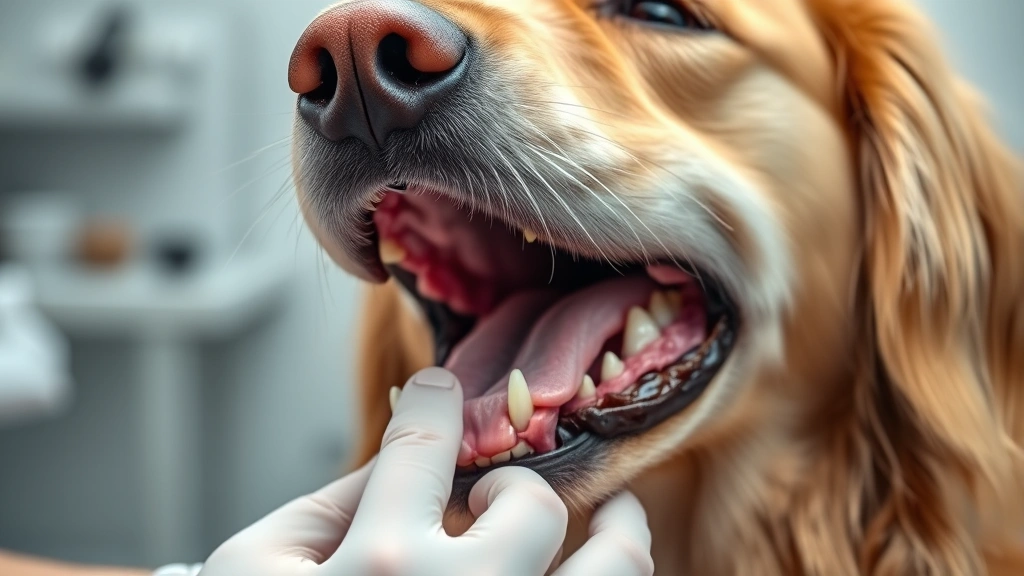
One of the most popular applications of chlorhexidine for dogs is in pet dental health. Dental disease is rampant in dogs—we’re talking about a condition that affects the majority of pooches over age three. Chlorhexidine dental rinses and sprays help combat plaque and gingivitis by reducing the bacterial load in your dog’s mouth. Some pet owners use chlorhexidine-based dental washes as part of their regular grooming routine, which can genuinely make a difference in preventing costly dental procedures down the road.
The cool part? Many dogs tolerate chlorhexidine rinses better than you’d expect. Sure, they might make a funny face, but it beats dealing with painful extractions later. Just remember that these products are meant to supplement, not replace, proper dental care like brushing and professional cleanings.
Skin and Ear Infections: Where Chlorhexidine Shines
Itchy, infected skin is basically the bane of a dog owner’s existence. Whether your pup is dealing with bacterial folliculitis, yeast dermatitis, or that maddening ear infection that keeps coming back, chlorhexidine-based shampoos and solutions are often a vet’s go-to recommendation. These products work wonders for managing pet dermatology issues because they directly target the microorganisms causing the problem.
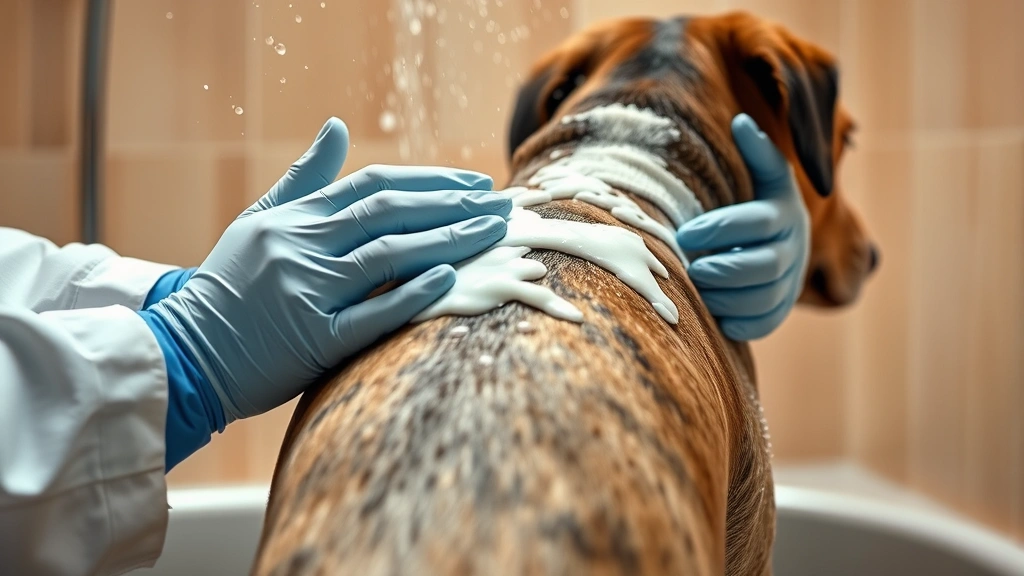
Many dogs with allergies or chronic skin conditions benefit from regular chlorhexidine baths. The typical protocol is bathing once or twice weekly for a few weeks, then tapering off as the infection improves. What makes chlorhexidine particularly valuable for skin issues is that it’s gentler than some alternative antimicrobials while still being incredibly effective. Your dog’s skin barrier stays intact, and you’re not dealing with excessive drying or irritation in most cases.
Wound Care and Post-Surgical Healing
Got a scrape, laceration, or post-surgical wound? Chlorhexidine is your friend. This is where the antimicrobial really earns its paycheck. Chlorhexidine solutions are commonly used to flush and clean wounds because they eliminate bacteria without damaging healthy tissue—a crucial distinction that separates it from harsher disinfectants. Vets often recommend chlorhexidine rinses as part of pet first aid guidance for minor injuries at home.
After surgery, your vet might send you home with chlorhexidine solution for incision care. Following their instructions precisely is critical here. You’re not just cleaning the wound; you’re actively preventing infection during the vulnerable healing period. This is one situation where chlorhexidine truly prevents complications and keeps your dog from needing additional treatments.
Safety First: Concentrations and Dilution Matter
Here’s where things get serious. Chlorhexidine is safe when used appropriately, but it’s absolutely not a “more is better” situation. The concentration matters tremendously. A 0.05% solution is generally considered safe for routine use on skin and wounds. Higher concentrations (like 4% solutions) are meant for specific applications and should only be used under veterinary guidance.
Never, and I mean never, apply undiluted chlorhexidine to your dog’s skin or wounds. Always follow your vet’s dilution instructions to the letter. Misuse can lead to irritation, toxicity, and serious complications. Think of it like this: your dog’s body is a finely tuned machine, and chlorhexidine is a powerful tool. Use it correctly, and it performs miracles. Use it wrong, and you’re asking for trouble.
Potential Side Effects and Adverse Reactions
Most dogs tolerate chlorhexidine beautifully, but some don’t. Allergic reactions, while uncommon, can happen. Watch for signs like excessive drooling, vomiting, difficulty swallowing, or skin irritation at application sites. Some dogs experience gastrointestinal upset if they ingest chlorhexidine, which is why you need to prevent them from licking treated areas immediately after application.
There’s also the matter of oral toxicity. Chlorhexidine can be toxic if swallowed in significant quantities, which is why dental rinses and sprays need to be used carefully around the mouth. Never let your dog drink chlorhexidine solutions, and rinse thoroughly after use. If your pup has a history of gastrointestinal sensitivity, mention this to your vet before starting chlorhexidine treatments.
Drug Interactions and Contraindications You Should Know
Chlorhexidine doesn’t play well with everyone. If your dog is on certain medications or has specific health conditions, chlorhexidine might not be appropriate. For instance, some medications can reduce chlorhexidine’s effectiveness, while others might increase the risk of adverse effects. This is exactly why you should never self-prescribe chlorhexidine products without veterinary input.
Dogs with known hypersensitivity to chlorhexidine obviously shouldn’t use it. Additionally, if your pup has open sores or severe dermatitis, you’ll want vet approval before applying chlorhexidine solutions. Your veterinarian needs to know your dog’s complete medical history, current medications, and any previous reactions to antimicrobials before recommending chlorhexidine treatment.
Choosing the Right Chlorhexidine Product for Your Dog
The market is flooded with chlorhexidine products, and not all of them are created equal. You’ve got shampoos, rinses, sprays, washes, and solutions. The right choice depends entirely on what you’re treating. For dental care, a rinse or spray makes sense. For skin infections, a medicated shampoo is typically more effective. For wounds, a diluted solution is your best bet.
Always buy products specifically formulated for veterinary use. Human-grade chlorhexidine products might have different concentrations or additives that aren’t safe for dogs. Check the label for the concentration percentage, and if you’re unsure, ask your vet which specific product they recommend. Brands matter less than formulation and concentration here.
Application Techniques: Doing It Right
Applying chlorhexidine correctly makes all the difference between success and frustration. For shampoos, wet your dog’s coat thoroughly, apply the product, and let it sit for the recommended time (usually 5-10 minutes). This contact time is when the magic happens. Don’t rinse it off immediately—that defeats the purpose. After the appropriate duration, rinse completely with clean water.
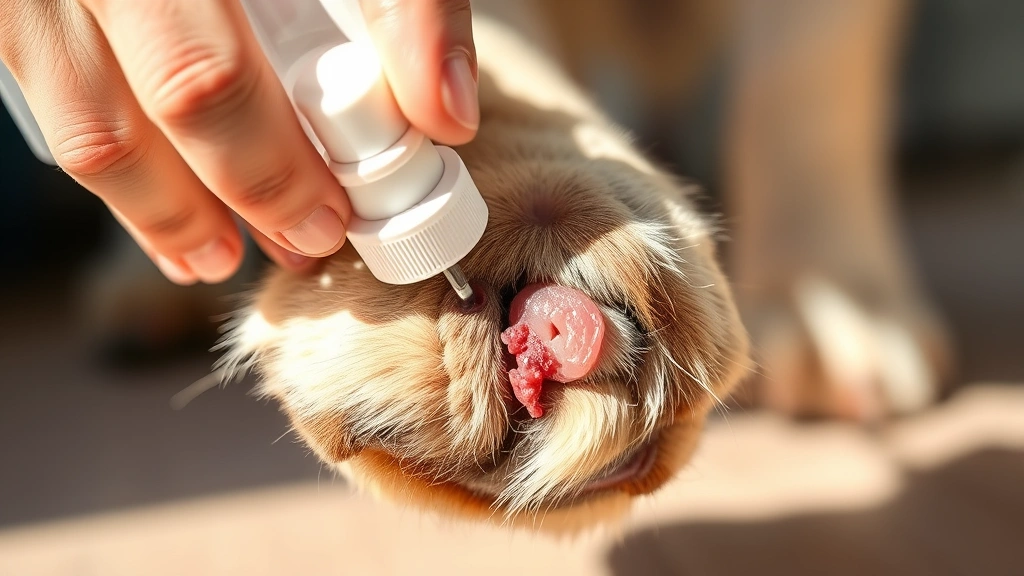
For wound irrigation, use a syringe or spray bottle to flush the area gently. Don’t pour it straight from the bottle—control matters. For dental rinses, follow the product instructions carefully. Some are meant to be sprayed directly onto gums, while others should be added to water bowls. If you’re uncertain about technique, your vet can demonstrate the proper application method during your visit.
Monitoring Your Dog’s Response to Treatment
Once you start chlorhexidine treatment, keep a close eye on your dog. Are the symptoms improving? Is the skin looking better? Are you seeing any unexpected reactions? Document progress with photos if you’re treating visible skin issues. This information is gold for your vet when determining whether to continue, adjust, or discontinue treatment.
If your dog develops any concerning symptoms—increased scratching, swelling, discharge, or behavioral changes—stop treatment immediately and contact your vet. Sometimes what looks like an improvement is actually a temporary flare-up before things settle down, but your vet needs to make that call, not you.
When to Call Your Vet Instead of DIY Treatment
Not every skin issue, ear problem, or wound is appropriate for home chlorhexidine treatment. If your dog has a deep wound, signs of systemic infection (fever, lethargy, loss of appetite), or a condition that’s not improving after a week of treatment, your pup needs professional evaluation. Serious ear infections might require oral antibiotics in addition to topical solutions. Skin conditions could be allergic, fungal, or parasitic—chlorhexidine won’t address the underlying cause if that’s the issue.
Your vet can also perform cultures or other diagnostics to identify exactly what microorganism is causing the problem. This information helps determine whether chlorhexidine is truly the right choice or if a different approach is needed. Don’t let your dog suffer through weeks of ineffective home treatment when professional help could resolve things in days.
Cost-Effectiveness and Long-Term Management
Here’s a practical consideration: chlorhexidine products are generally affordable, which makes them accessible for most dog owners. A bottle of dental rinse or a medicated shampoo costs significantly less than a professional dental cleaning or extensive dermatology workup. From a preventive standpoint, using chlorhexidine regularly for dogs prone to dental disease or skin infections can save you serious money long-term.
However, don’t let cost drive your decision-making. An expensive prescription medication might be more appropriate than a cheap chlorhexidine product if that’s what your dog actually needs. Work with your vet to develop a cost-effective treatment plan that prioritizes your dog’s health. Sometimes that includes chlorhexidine; sometimes it doesn’t.
Frequently Asked Questions
Is chlorhexidine safe for dogs to ingest?
In small amounts, chlorhexidine is generally safe, but ingestion of large quantities can cause toxicity. Never intentionally give your dog chlorhexidine orally unless specifically directed by your vet. Always prevent your dog from licking treated areas immediately after application, and rinse thoroughly after use.
How long does chlorhexidine take to work on dog skin infections?
Most dogs show improvement within 1-2 weeks of consistent chlorhexidine treatment, though some conditions take longer. Severe infections might require 4-6 weeks of regular bathing before you see significant improvement. If there’s no progress after 3 weeks, contact your vet about alternative treatments.
Can I use human chlorhexidine products on my dog?
It’s not recommended. Human products might have different concentrations, additives, or formulations that aren’t safe for dogs. Always use veterinary-formulated products to ensure appropriate concentration and safety profile for canine use.
What’s the difference between chlorhexidine and other antimicrobial solutions?
Chlorhexidine is broad-spectrum, fast-acting, and has residual effects. Other antimicrobials like povidone-iodine or hydrogen peroxide work differently and have different safety profiles. Chlorhexidine is generally preferred for many applications because of its effectiveness and safety when used correctly.
Can chlorhexidine treat yeast infections in dogs?
Yes, chlorhexidine is effective against many fungal organisms, including some yeasts. However, severe or recurrent yeast infections might require systemic antifungal medications in addition to topical chlorhexidine. Your vet can determine the best approach for your dog’s specific situation.
Is chlorhexidine appropriate for puppies?
Generally yes, but concentration and application method matter. Lower concentrations (0.05%) are safer for puppies. Always consult your vet before using any antimicrobial product on puppies, as their skin is more sensitive and their immune systems are still developing.
Final Thoughts: Using Chlorhexidine Wisely
Chlorhexidine for dogs is genuinely effective when used appropriately. It’s a valuable tool in your veterinary medicine cabinet that can prevent infections, manage chronic skin conditions, and support oral health. But—and this is a big but—it’s not a cure-all, and it’s not something to use without veterinary guidance.
The key to success is understanding what chlorhexidine can and can’t do, using the correct concentration for your dog’s specific situation, following application instructions precisely, and monitoring your pup’s response closely. When in doubt, reach out to your vet. They can recommend the right product, concentration, and treatment duration for your dog’s unique needs. You might also consider pet wellness exam telehealth options for quick consultations about whether chlorhexidine is appropriate for your dog’s situation.
Your dog depends on you to make informed decisions about their health. By understanding chlorhexidine thoroughly and using it responsibly, you’re setting your pup up for better outcomes and fewer complications. That’s what responsible pet ownership looks like.





