

When it comes to cinnamon and dogs, the relationship is more nuanced than a simple yes or no answer. Many pet owners wonder if they can sprinkle a little of this warm spice into their furry friend’s diet, and honestly, it’s a question that deserves a thorough exploration. Let’s break down what you really need to know about keeping your pup safe around this kitchen staple.
Table of Contents
- Is Cinnamon Safe for Dogs? The Short Answer
- Understanding Different Types of Cinnamon for Dogs
- Potential Health Risks: When Cinnamon Becomes Problematic
- Cinnamon and Dogs: Potential Benefits (In Moderation)
- Safe Ways to Use Cinnamon Around Dogs
- What About Cinnamon in Commercial Dog Products?
- Monitoring Your Dog’s Health and Nutrition
- When to Contact Your Veterinarian
- Safer Alternatives to Cinnamon for Dogs
- The Bottom Line on Cinnamon and Dogs
- Frequently Asked Questions
Is Cinnamon Safe for Dogs? The Short Answer
Yes, cinnamon is generally safe for dogs in small amounts. Unlike chocolate, grapes, or xylitol, cinnamon isn’t toxic to our canine companions. However—and this is a big however—there are important caveats and safety considerations that every pet owner should understand. The key word here is moderation. Your dog can tolerate small quantities without experiencing serious harm, but that doesn’t mean you should be generous with the spice.
According to the American Kennel Club, while cinnamon itself isn’t poisonous, certain forms and quantities can cause problems. This is where understanding the difference between cinnamon types becomes crucial for your pup’s wellbeing.
Understanding Different Types of Cinnamon for Dogs
Not all cinnamon is created equal, and this matters when considering cinnamon and dogs safety. There are two main types: Ceylon cinnamon and Cassia cinnamon. Ceylon, often called “true cinnamon,” is milder and contains lower levels of coumarin, a compound that can be harmful in large doses. Cassia cinnamon, the more common variety found in most grocery stores, contains significantly higher coumarin levels.
If you’re determined to give your dog cinnamon, Ceylon is the safer choice. However, even with Ceylon cinnamon, we’re talking about tiny amounts—think a light dusting, not a teaspoon. The difference between these two types is substantial enough that pet owners should actually check their spice jar before considering any cinnamon treats for their furry friends.
Potential Health Risks: When Cinnamon Becomes Problematic
The main concern with cinnamon and dogs relates to coumarin toxicity. In excessive amounts, coumarin can damage the liver and increase bleeding risk. Dogs with existing liver disease, bleeding disorders, or those taking blood thinners should absolutely avoid cinnamon entirely. Your veterinarian should be consulted if your dog falls into any of these categories.
Additionally, cinnamon powder can irritate a dog’s respiratory system if inhaled. Never let your pup sniff cinnamon directly or play with cinnamon powder. The spice can cause coughing, difficulty breathing, and throat irritation. This is especially concerning for dogs with pre-existing respiratory conditions or smaller breeds with more delicate airways.
As PetMD notes, gastrointestinal upset is another consideration. Some dogs may experience stomach discomfort, diarrhea, or vomiting if they consume cinnamon, particularly if they have sensitive digestive systems.
Cinnamon and Dogs: Potential Benefits (In Moderation)
Here’s where things get interesting. Some pet owners are attracted to cinnamon because of its potential health properties. Cinnamon contains antioxidants and has anti-inflammatory properties that, theoretically, could benefit dogs. However, the amounts required for these benefits are typically larger than what’s safe for dogs to consume regularly.
If you’re interested in supporting your dog’s health with antioxidants and anti-inflammatory compounds, consider exploring pet antioxidant supplements that are specifically formulated for canine safety and efficacy. These products are designed with your dog’s nutritional needs in mind and come in appropriate dosages.
Some research suggests cinnamon may help with blood sugar regulation, but again, the practical application for dogs is limited. Your veterinarian can recommend evidence-based supplements if blood sugar support is needed for your specific pup.
Safe Ways to Use Cinnamon Around Dogs
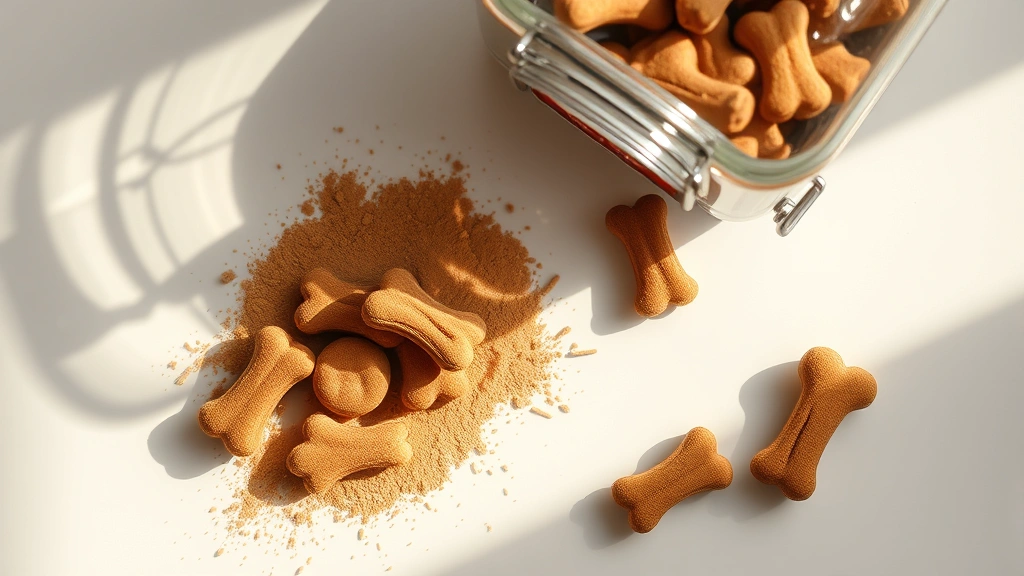
If you want to incorporate cinnamon into your dog’s life, here are the safest approaches. First, avoid cinnamon-heavy treats and products marketed as “cinnamon dog treats” unless they’re specifically formulated by reputable pet food companies with veterinary oversight. Many commercial treats contain excessive amounts.
Second, if you’re using cinnamon in your own cooking, ensure your dog doesn’t have access to the spice or spice-heavy foods. Keep the cinnamon shaker away from curious noses. Third, never use essential oils containing cinnamon around your dog, as concentrated oils are far more potent and potentially harmful than the spice itself.
If you’re baking with cinnamon, the small amounts that might end up in a treat are generally okay, but intentionally adding cinnamon to homemade dog treats isn’t recommended. Instead, focus on premium pet supplements that provide proven nutritional benefits without the guesswork.
What About Cinnamon in Commercial Dog Products?
The pet industry has jumped on the cinnamon bandwagon, with products ranging from cinnamon-flavored dog treats to cinnamon-infused dental chews. While some of these products may be safe in the quantities provided, it’s crucial to read labels carefully. Check the ingredient list and nutritional information to understand exactly how much cinnamon your dog would be consuming.
Look for products from established, reputable manufacturers that have undergone safety testing. If a product doesn’t clearly state the amount of cinnamon or doesn’t provide nutritional information, it’s safer to skip it. Your dog’s health isn’t worth the risk of an unknown quantity of spice.
Monitoring Your Dog’s Health and Nutrition
Whether or not you decide to give your dog cinnamon, regular health monitoring is essential. Keep track of your dog’s weight, energy levels, digestion, and overall wellness. If you notice any changes after introducing a new food or treat, contact your veterinarian immediately.
Understanding your dog’s caloric needs for dogs is also important when considering any additions to their diet. Treats, including those with cinnamon, should make up no more than 10% of your dog’s daily caloric intake. This ensures they’re getting proper nutrition from their primary food source.
Consider implementing a pet health monitoring routine to track any changes in your dog’s condition over time. This proactive approach helps catch potential issues early.
When to Contact Your Veterinarian
If your dog has accidentally consumed a significant amount of cinnamon, or if they show signs of distress after any cinnamon exposure, contact your veterinarian immediately. Symptoms of concern include vomiting, diarrhea, difficulty breathing, lethargy, or unusual behavior. Don’t wait to see if symptoms resolve on their own—professional guidance is always the safest route.
Additionally, before introducing any new spices or supplements to your dog’s diet, discuss it with your vet. They know your individual dog’s health history and can provide personalized recommendations based on their specific needs and any existing health conditions.

Safer Alternatives to Cinnamon for Dogs
If you want to add flavor or nutritional variety to your dog’s diet without the risks associated with cinnamon, there are better options. Carrots, apples (without seeds), and pumpkin are safe, nutritious choices that most dogs enjoy. These whole foods provide natural nutrients without the concentrated spice concerns.
For dogs that need anti-inflammatory or antioxidant support, fish oil supplements and turmeric (in appropriate amounts and forms) are more researched and safer options. Always consult your veterinarian before starting any supplement regimen.
The Bottom Line on Cinnamon and Dogs
Cinnamon and dogs can coexist safely, but only under strict conditions. A tiny amount of Ceylon cinnamon occasionally won’t harm most healthy dogs, but there’s really no compelling reason to give it to them. The potential risks—however small—outweigh the minimal benefits when safer alternatives exist.
Your dog doesn’t need cinnamon to be happy or healthy. Focus instead on providing balanced nutrition, regular exercise, veterinary care, and plenty of love. If you’re interested in optimizing your dog’s health through supplements or dietary additions, work with your veterinarian to develop a plan that’s tailored to your individual pup’s needs.
Frequently Asked Questions
Can dogs eat cinnamon rolls or cinnamon bread?
No, dogs should not eat cinnamon rolls or cinnamon bread. These products contain not only cinnamon but also sugar, butter, and other ingredients that aren’t healthy for dogs. The combination makes them particularly problematic. Stick to plain, unsweetened treats instead.
Is cinnamon essential oil safe for dogs?
Absolutely not. Cinnamon essential oil is highly concentrated and can be toxic to dogs. Never use essential oils around your dog without explicit veterinary approval, and cinnamon oil should be avoided entirely.
What should I do if my dog ate a lot of cinnamon?
Contact your veterinarian or an animal poison control center immediately. While small amounts are generally safe, large quantities could cause problems. It’s better to err on the side of caution with your pet’s health.
Can cinnamon help with my dog’s blood sugar?
While cinnamon has been studied for blood sugar benefits in humans, the evidence for dogs is limited, and the amounts required would be unsafe. If your dog has diabetes or blood sugar concerns, work with your vet on proven treatments and supplements.
Are there any dog breeds that shouldn’t have cinnamon?
Dogs with liver disease, bleeding disorders, respiratory conditions, or those taking blood thinners should avoid cinnamon entirely. Smaller breeds and senior dogs may also be more sensitive to the spice’s effects.





