
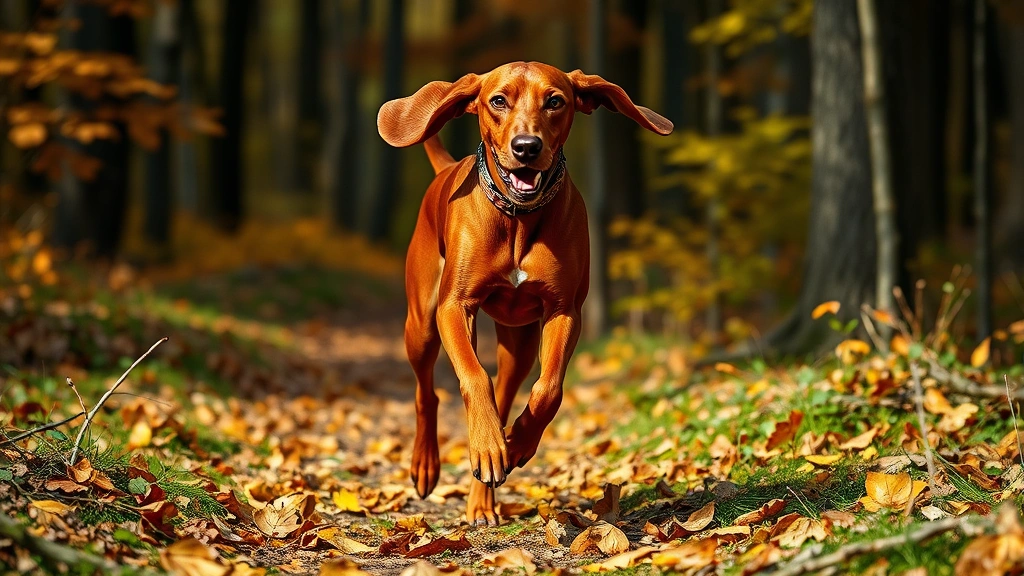
If you’re thinking about bringing a coonhound dog into your home, buckle up—you’re about to meet one of the most energetic, vocal, and downright entertaining hunting dogs on the planet. These hound dogs aren’t your typical lap dogs; they’re working animals bred for centuries to track raccoons (and other game) through forests and swamps with their noses to the ground and their voices echoing through the night. But here’s the thing: coonhounds can make fantastic family pets if you understand what you’re getting into.
Table of Contents
- What Exactly Is a Coonhound Dog?
- Physical Characteristics and Appearance
- Temperament: What You Need to Know
- Energy Levels and Exercise Requirements
- Training and Socialization Challenges
- Nutritional Needs and Feeding Guidelines
- Health Issues Common to Coonhound Dogs
- The Vocalization Factor: That Famous Coonhound Bark
- Grooming and Coat Care
- Is a Coonhound Right for Your Family?
- Finding and Selecting a Coonhound
- Cost Considerations
- Frequently Asked Questions
- Conclusion: Is a Coonhound Your Perfect Match?
What Exactly Is a Coonhound Dog?
A coonhound dog is a hunting hound specifically developed to hunt raccoons, though they’re also used for hunting other game like opossum and even big cats. The breed encompasses six main types recognized by the United Kennel Club (UKC): Black and Tan Coonhound, Bluetick Coonhound, English Coonhound, Plott Hound, Redbone Coonhound, and Treeing Walker Coonhound. Each variety has its own unique characteristics, but they all share the fundamental traits of exceptional scent-tracking ability, incredible stamina, and—let’s be honest—a bark that could wake the dead.
These dogs were developed primarily in the American South during the 18th and 19th centuries, where hunters needed reliable companions to tree raccoons (chase them up trees) and alert hunters to their location. The result? A dog with an incredible nose, boundless energy, and a voice that’s as distinctive as a foghorn.
Physical Characteristics and Appearance
Most coonhound dog breeds are medium to large, typically weighing between 45 to 90 pounds depending on the specific variety. They have long, droopy ears (which help funnel scent toward their nose), athletic builds, and short coats that come in various colors like black and tan, blue ticked, red, or combinations thereof.
The physical structure of a coonhound is purpose-built for hunting. Their long legs allow them to cover ground quickly, their deep chests house powerful lungs, and their muscular bodies can endure hours of tracking through challenging terrain. They’re built like the athletes they are, with a lean, muscular frame that demands proper exercise and nutrition.
Temperament: What You Need to Know
Here’s where things get real: coonhound dogs are pack hunters with incredibly strong prey drives. They’re intelligent, independent thinkers who were bred to make decisions in the field without constant human direction. This means they can be stubborn and single-minded when they catch a scent. If you have small pets like cats, rabbits, or hamsters, you’ll need to be extremely cautious, as their hunting instincts might kick into overdrive.
That said, coonhounds are generally friendly, loyal, and affectionate with their families. They love being around people and often bond strongly with their owners. They’re playful, goofy, and have a sense of humor that’ll make you laugh regularly. But they’re not the type to be couch potatoes—they need purpose, activity, and mental stimulation.
Energy Levels and Exercise Requirements
If you’re looking for a dog that’s content with a quick walk around the block, a coonhound dog is absolutely not your match. These are high-energy working dogs that need substantial daily exercise—we’re talking 1-2 hours minimum of vigorous activity. Without adequate exercise, coonhounds become destructive, develop behavioral problems, and may become escape artists who dig under fences or climb gates to find adventure.
The best exercise for a coonhound isn’t just running in circles; it’s activities that engage their natural hunting instincts. Scent work games, trailing exercises, dock diving, or even participating in coonhound hunting trials provide mental and physical stimulation that typical fetch sessions can’t match. Consider enrolling your coonhound in activities that challenge their nose and brain, not just their legs.
Training and Socialization Challenges
Training a coonhound dog requires patience, consistency, and a sense of humor. These dogs were bred to think independently, which means they don’t always see the point in following commands when they’ve caught an interesting scent. Positive reinforcement works best—these dogs respond well to high-value rewards like treats, toys, or praise.
Early socialization is crucial. Expose your coonhound puppy to various people, environments, sounds, and other animals during their critical socialization window (3-16 weeks). This helps prevent fear-based aggression and ensures they’re comfortable in different situations. However, remember that their prey drive means they may never be 100% trustworthy around small animals, regardless of socialization.
Recall training is particularly important for coonhounds. Their hunting instincts can override their desire to listen, so teaching a reliable recall command could literally save their life if they escape. Many owners use long leads during outdoor training to prevent their coonhound from bolting after a scent.
Nutritional Needs and Feeding Guidelines
Active hunting dogs like coonhounds have higher caloric and nutritional requirements than sedentary breeds. A high-quality, protein-rich diet is essential for maintaining muscle mass, supporting their active lifestyle, and keeping their coat healthy. Most adult coonhounds thrive on 2-3 cups of quality dog food daily, though this varies based on individual metabolism, age, and activity level.

When selecting food, look for options with high-quality protein sources (meat-based, not just grain fillers) and balanced omega fatty acids for coat health. Many owners find that consulting with a veterinarian about coat health feeding routine helps optimize their coonhound’s nutrition. Additionally, understanding pet meal frequency ensures you’re feeding at appropriate intervals.
For puppies, follow a structured weaning puppies feeding schedule to support healthy growth. And if your hunting companion experiences joint stress or muscle soreness after intense activity, recovery supplements can support their overall wellness.
Health Issues Common to Coonhound Dogs
Like all breeds, coonhound dog breeds are prone to certain health conditions. Hip dysplasia is common in larger coonhounds, where the hip joint doesn’t develop properly, potentially leading to arthritis. Ear infections are surprisingly frequent due to their long, floppy ears that trap moisture and debris—regular ear cleaning is essential.
Some coonhounds are prone to bloat (gastric dilatation-volvulus), a serious and potentially fatal condition where the stomach twists. Feed multiple smaller meals rather than one large meal, and avoid vigorous exercise immediately after eating. Other health concerns include hypothyroidism, eye problems, and certain types of cancer.
Regular veterinary check-ups, appropriate vaccinations, and preventative care are crucial. Talk to your vet about screening for hip dysplasia, especially if you’re planning to breed or if the dog will be doing intense physical activity. According to the American Kennel Club (AKC), responsible breeding practices significantly reduce hereditary health issues.
The Vocalization Factor: That Famous Coonhound Bark
Let’s address the elephant in the room: coonhound dogs are LOUD. Their distinctive baying bark is legendary—it’s a deep, resonant sound that can carry for miles. This was perfect for hunters who needed to locate their dogs in dense forests, but it’s less perfect for apartment living or noise-sensitive neighbors.
This vocalization isn’t something you can simply train away; it’s hardwired into their DNA. Some coonhounds are more vocal than others, but expect barking during excitement, when they catch a scent, or sometimes just because they feel like announcing their presence to the world. If excessive barking is a dealbreaker for you, a coonhound probably isn’t the right fit. However, proper exercise and mental stimulation can reduce unnecessary vocalization.
Grooming and Coat Care
The good news: coonhounds have short, dense coats that don’t require extensive grooming. Brush them weekly to remove loose hair and distribute natural oils. Bathe them every 4-8 weeks or as needed, especially if they’ve been hunting or playing in muddy areas.
The challenging part is those ears. Long, floppy ears are prone to yeast infections and ear mites, so clean them weekly with a vet-approved ear cleaner. Check between their toes for debris, trim nails every 3-4 weeks, and brush their teeth regularly. Some coonhounds have skin sensitivity, so use gentle, high-quality grooming products.
Is a Coonhound Right for Your Family?
Coonhound dogs make excellent pets for active families who understand their needs and respect their hunting heritage. They’re best suited for homes with yards (preferably fenced securely—these dogs are escape artists), families that can provide substantial daily exercise, and owners who appreciate their unique personality quirks.
They’re not ideal for apartment dwellers, families with young children (their size and energy can be overwhelming), or households with small pets like cats or rabbits. However, if you have the space, time, and energy to match theirs, you’ll have a loyal, entertaining, and deeply affectionate companion who’ll keep you laughing and active.
Finding and Selecting a Coonhound
Whether you’re looking for a puppy or an adult rescue, do your homework. If purchasing from a breeder, ensure they conduct health testing (hip and elbow evaluations, eye exams) and can provide references. Check the AKC website for breeder directories and health information.

Rescue organizations dedicated to coonhounds exist throughout the country and often have wonderful adult dogs available. Adopting a rescue gives a deserving dog a second chance and often means they’re already past the demanding puppy stage. Websites like PetMD offer resources for finding breed-specific rescues.
Cost Considerations
Owning a coonhound dog involves more than just the initial purchase price. Factor in high-quality food for an active dog ($50-100+ monthly), veterinary care including preventative screenings, grooming supplies, training classes, and activities. Unexpected health issues can be expensive, so consider pet insurance. Budget realistically before committing to this breed.
Frequently Asked Questions
How long do coonhound dogs live?
Most coonhound varieties have a lifespan of 10-12 years with proper care. Some individuals live into their mid-teens. Maintaining healthy weight, providing regular exercise, and addressing health issues promptly can extend their lifespan.
Can coonhound dogs live in apartments?
While technically possible, it’s not ideal. Their high energy levels, need for extensive exercise, and vocal nature make apartments challenging. They truly thrive with access to outdoor space and active families who can meet their needs.
Are coonhound dogs good with children?
Coonhounds can be great family dogs, but their size and energy mean they’re better suited for families with older children (8+) who can handle their exuberance. Supervision is always necessary, and teaching children to respect the dog’s boundaries is essential.
What’s the difference between coonhound varieties?
Each variety has distinct traits. Bluetick Coonhounds are known for intelligence and speed. Redbone Coonhounds are often considered the most beautiful and are excellent swimmers. Black and Tan Coonhounds are larger and powerful. Treeing Walker Coonhounds are known for speed and competitive hunting ability. Each has its own personality quirks and hunting specialties.
Do coonhound dogs require special training?
They benefit from consistent, positive reinforcement training, but they’re not inherently difficult to train. Their independence means they need owners who understand and respect their nature rather than trying to force obedience. Professional trainers experienced with hunting breeds can be invaluable.
What’s the best exercise for a coonhound?
Activities that engage their natural hunting instincts work best: scent work games, trailing exercises, hunting (if legal in your area), dock diving, or organized coonhound field trials. These activities satisfy both their physical and mental needs better than simple running.
Conclusion: Is a Coonhound Your Perfect Match?
A coonhound dog isn’t for everyone, but for the right owner, they’re an incredible companion. They’re energetic, intelligent, loyal, and endlessly entertaining. They’ll keep you active, make you laugh with their antics, and love you with genuine devotion. They’re also loud, stubborn, independent, and require substantial commitment and understanding.
If you’re drawn to coonhounds because you appreciate their hunting heritage, enjoy an active lifestyle, have space for them to run, and can handle their unique personality, then you might be ready for one of these amazing dogs. Just go in with realistic expectations, commit to proper training and socialization, provide abundant exercise and mental stimulation, and you’ll have a friend for life.
The coonhound lifestyle isn’t for the faint of heart, but for those who embrace it fully, the rewards are immeasurable. These dogs have been working alongside humans for centuries, and that partnership continues to thrive today in homes across the country.





