
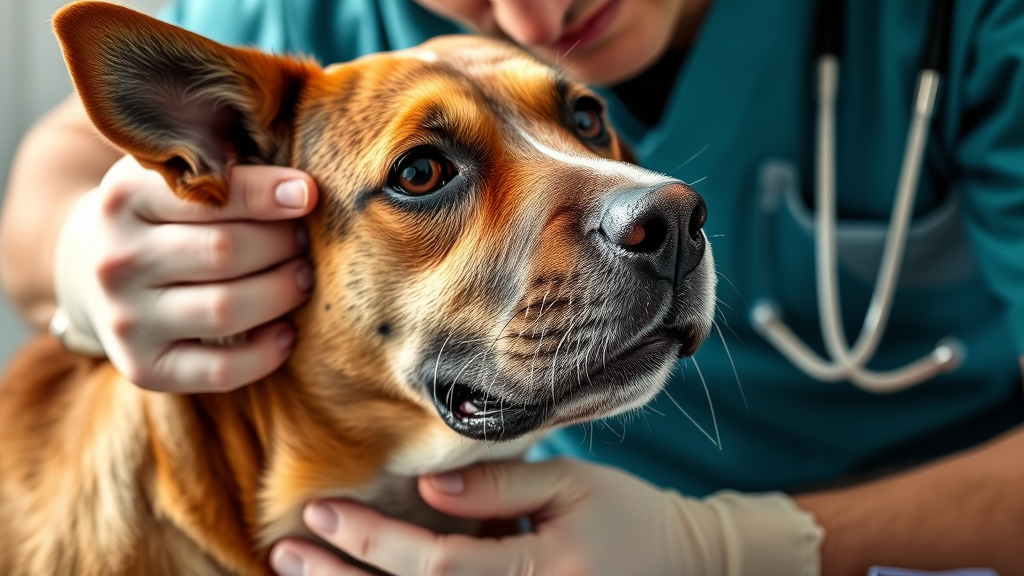
If you’ve noticed your beloved canine companion has developed an unusual fishy odor, you’re not alone in this puzzling situation. Many dog owners find themselves wondering why their furry friend suddenly smells like they’ve been rolling around in a seafood market. This distinctive scent can be both concerning and embarrassing, especially when you’re trying to enjoy quality time with your pet or have guests over.
The good news is that a fishy smell emanating from your dog is rarely a cause for immediate panic, but it often indicates an underlying issue that needs attention. From dental problems and skin conditions to more serious health concerns, understanding the root cause of this peculiar odor is essential for maintaining your dog’s health and comfort. Let’s explore the various reasons why your dog might smell like fish and what you can do to address each situation effectively.
Anal Gland Issues: The Most Common Culprit
The most frequent reason dogs develop a fishy odor stems from problems with their anal glands, also known as anal sacs. These small, grape-sized glands are located on either side of your dog’s anus and naturally express a pungent, fishy-smelling fluid when your dog defecates. This scent serves as a territorial marker and communication tool in the wild.
When these glands become impacted, infected, or fail to empty properly, the accumulated fluid can create an overwhelming fishy smell that seems to follow your dog everywhere. Small breeds like Chihuahuas, Cocker Spaniels, and Poodles are particularly prone to anal gland problems, though any dog can experience these issues.
Signs that your dog may be suffering from anal gland problems include scooting across the floor, excessive licking of the rear end, difficulty sitting comfortably, and of course, that unmistakable fishy odor. If you notice your dog displaying these behaviors, it’s important to have a veterinarian examine and potentially express the anal glands manually.
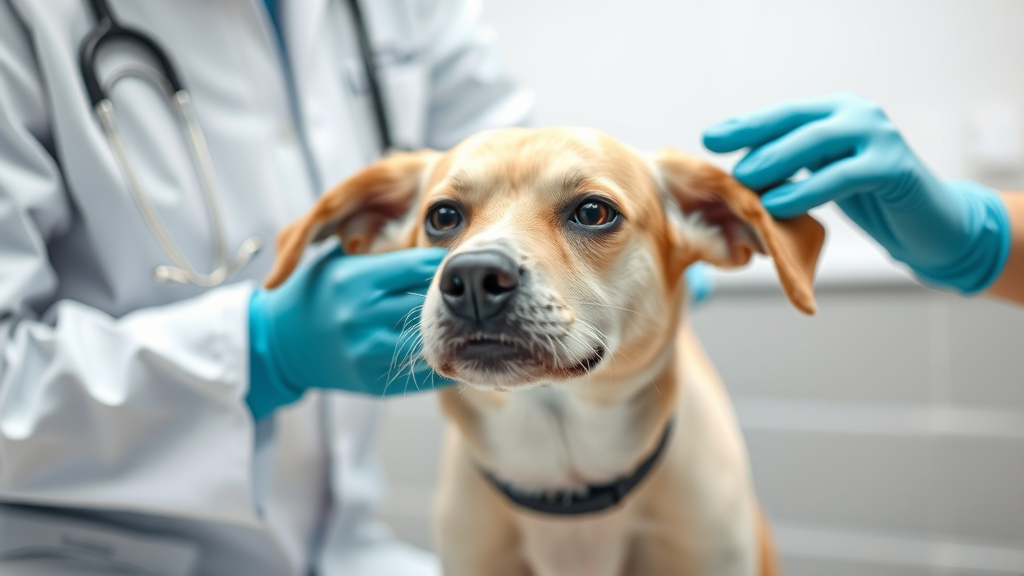
Dental and Oral Health Problems
Poor dental hygiene can lead to a variety of oral health issues that produce fishy or foul odors. Periodontal disease, tooth decay, and bacterial infections in the mouth can all contribute to unpleasant smells emanating from your dog’s breath and overall body odor. The bacteria responsible for these conditions often produce compounds that smell distinctly fishy or rotten.
Plaque buildup, tartar accumulation, and gingivitis create an environment where harmful bacteria thrive. These bacteria not only cause bad breath but can also enter the bloodstream and affect other organs, making dental care crucial for your dog’s overall health. Regular dental cleanings and proper oral hygiene can prevent these issues from developing.
Signs of dental problems include yellow or brown tartar buildup on teeth, red or swollen gums, difficulty eating, pawing at the face, and persistent bad breath with a fishy undertone. The American Veterinary Medical Association recommends regular dental checkups and cleanings to maintain optimal oral health in dogs.
Skin Infections and Conditions
Various skin conditions can produce fishy odors, particularly when bacterial or yeast infections are present. Seborrhea, dermatitis, and allergic reactions can all lead to skin irritation that creates an ideal environment for odor-causing bacteria to flourish. These conditions often affect areas where moisture tends to accumulate, such as skin folds, between toes, and around the ears.
Hot spots, which are localized areas of skin inflammation and infection, can also produce strong fishy odors. Understanding what causes hot spots on dogs can help you identify and address these painful conditions before they worsen. These moist, infected areas provide the perfect breeding ground for bacteria that produce unpleasant smells.
Yeast infections, particularly those caused by Malassezia, are another common source of fishy odors. These infections typically occur in warm, moist areas of the body and can be identified by their characteristic musty, fishy smell combined with greasy or waxy discharge.
Ear Infections and Related Issues
Ear infections are a frequent cause of fishy odors in dogs, especially those with floppy ears or excessive ear hair that traps moisture and debris. Bacterial and yeast infections in the ear canal produce distinct smells that can range from sweet and fruity to distinctly fishy. The warm, moist environment of a dog’s ear canal creates perfect conditions for these microorganisms to multiply.
Proper ear hygiene is essential for preventing these infections. Learning how to clean dogs ears correctly can help maintain ear health and prevent odor-causing infections from developing. Regular cleaning removes wax, debris, and excess moisture that bacteria and yeast need to thrive.
Signs of ear infections include head shaking, scratching at the ears, dark or discolored discharge, redness, swelling, and a strong fishy or yeasty odor emanating from the ear canal. Some dogs may also show signs of pain or discomfort when their ears are touched. The American Kennel Club provides comprehensive information about recognizing and treating ear infections in dogs.

Digestive Problems and Diet-Related Causes
Digestive issues can contribute to fishy odors through various mechanisms. Gastrointestinal infections, food allergies, and inflammatory bowel disease can all affect digestion and create conditions that lead to unusual body odors. Poor digestion can result in the production of gases and compounds that are absorbed into the bloodstream and eventually expelled through the skin and breath.
Certain dietary factors can also contribute to fishy smells. Fish-based dog foods, while nutritious, can sometimes leave a lingering fishy odor on your dog’s breath and skin. Additionally, if your dog has gotten into spoiled food or garbage, this can cause digestive upset that manifests as unusual body odors.
Sometimes digestive issues can lead to other symptoms that might concern pet owners, such as when they wonder why is my dog throwing up. Digestive problems often present with multiple symptoms that require careful evaluation to determine the underlying cause.
Urinary Tract Infections
Urinary tract infections (UTIs) can produce strong, fishy odors that may be noticeable on your dog’s breath, urine, or general body odor. These infections occur when bacteria enter the urinary system and multiply, creating compounds that produce distinctive smells. Female dogs are more susceptible to UTIs due to their shorter urethra, but male dogs can also develop these infections.
Kidney disease and other urinary system disorders can also contribute to fishy odors. When the kidneys aren’t functioning properly, waste products can accumulate in the bloodstream and be expelled through the breath and skin, creating unusual smells including fishy odors.
Signs of urinary tract infections include frequent urination, straining to urinate, blood in the urine, accidents in the house, and strong-smelling urine with a fishy or ammonia-like odor. PetMD offers detailed information about urinary tract infections in dogs and their treatment options.
When to Consult Your Veterinarian
While some fishy odors may be temporary or easily resolved, certain situations warrant immediate veterinary attention. If your dog’s fishy smell is accompanied by other concerning symptoms, it’s important to seek professional help. These symptoms include lethargy, loss of appetite, difficulty breathing, excessive scratching, visible pain or discomfort, or any sudden changes in behavior.
Knowing how to tell if a dog has a fever can help you determine if your pet’s fishy odor might be related to an infection or other serious condition. Fever often accompanies bacterial infections that can cause unusual body odors.
You should also consult your veterinarian if the fishy smell persists despite your efforts to address it through improved hygiene, if it becomes progressively worse, or if you notice discharge from any body openings. Early intervention can prevent minor issues from becoming serious health problems.
The ASPCA recommends regular veterinary checkups to maintain your dog’s health and catch potential problems early. During these visits, discuss any concerns about unusual odors with your veterinarian.
Prevention and Home Care Tips
Preventing fishy odors in dogs often involves maintaining good overall hygiene and health. Regular bathing with appropriate dog shampoos can help remove surface bacteria and oils that contribute to unpleasant smells. However, avoid over-bathing, as this can strip natural oils and lead to skin irritation that may worsen odor problems.
Maintaining proper dental hygiene through regular teeth brushing, dental chews, and professional cleanings can prevent oral health issues that contribute to fishy breath. Similarly, keeping your dog’s ears clean and dry helps prevent infections that cause odors. For dogs prone to ear problems, understanding how to clean dog ears properly is essential.
Diet plays a crucial role in preventing digestive issues that can lead to unusual body odors. Feed your dog a high-quality, appropriate diet and avoid giving them table scraps or foods that might cause digestive upset. Ensure fresh water is always available to support proper kidney function and overall health.
Regular grooming, including brushing and nail trimming, helps maintain skin health and prevents the accumulation of dirt and bacteria that can cause odors. Pay special attention to areas prone to moisture retention, such as skin folds and between toes.
For some conditions, you might wonder about home treatment options, such as how to treat dog ear infection without vet intervention. However, it’s always best to consult with a veterinarian before attempting any home treatments to ensure you’re addressing the problem safely and effectively.
The Humane Society provides excellent resources for general dog care that can help prevent many health issues that cause unusual odors.
Frequently Asked Questions
Why does my dog suddenly smell like fish?
A sudden fishy smell in dogs is most commonly caused by anal gland problems, where the glands become impacted or infected. Other possible causes include ear infections, dental issues, skin conditions, or urinary tract infections. If the smell appears suddenly and persists, it’s best to consult your veterinarian for proper diagnosis and treatment.
Is it normal for dogs to smell fishy after swimming?
While dogs may have a wet dog smell after swimming, a distinctly fishy odor is not normal and may indicate an underlying issue. Swimming in contaminated water or having water trapped in the ears can lead to infections that produce fishy smells. Always rinse your dog with fresh water after swimming and dry their ears thoroughly.
Can I fix my dog’s fishy smell at home?
Some mild fishy odors can be addressed through improved hygiene, regular bathing, dental care, and ear cleaning. However, persistent or strong fishy smells usually indicate medical issues that require veterinary attention. Never attempt to express anal glands yourself, as this can cause injury if done incorrectly.
How often should I bathe my dog to prevent fishy odors?
Most dogs should be bathed every 4-6 weeks, but this varies based on breed, lifestyle, and skin condition. Over-bathing can strip natural oils and worsen skin problems that contribute to odors. Focus on maintaining good overall hygiene rather than frequent baths to prevent fishy smells.
Are certain dog breeds more prone to fishy odors?
Yes, some breeds are more susceptible to conditions that cause fishy odors. Small breeds like Chihuahuas and Cocker Spaniels are prone to anal gland problems. Dogs with floppy ears, such as Basset Hounds and Golden Retrievers, are more likely to develop ear infections. Breeds with skin folds, like Bulldogs, may experience skin infections that produce odors.
Could my dog’s diet be causing the fishy smell?
Yes, diet can contribute to fishy odors in several ways. Fish-based foods may leave a lingering smell, while poor-quality diets can cause digestive issues that manifest as body odors. Food allergies can also lead to skin conditions that produce unusual smells. Consider discussing your dog’s diet with your veterinarian if you suspect it’s contributing to odor problems.
When should I be worried about my dog’s fishy smell?
You should consult a veterinarian if the fishy smell is accompanied by other symptoms like lethargy, loss of appetite, excessive scratching, visible discomfort, or behavioral changes. Also seek professional help if the odor persists despite improved hygiene, becomes progressively worse, or if you notice any discharge from your dog’s body openings. Sometimes respiratory issues like why is my dog coughing can accompany systemic infections that cause unusual odors.





