
The cure for dehydration in dogs isn’t always about forcing water down their throats—sometimes it’s way more nuanced than that. If you’ve noticed your pup looking a bit droopy, with dry gums and less enthusiasm for their favorite squeaky toy, dehydration might be the culprit. Let’s dive into what actually works to get your furry friend back to their hydrated, happy self.
Table of Contents
- Understanding Canine Dehydration: More Than Just Thirst
- Method 1: The Fresh Water Foundation
- Method 2: Electrolyte Solutions and Hydration Supplements
- Method 3: Wet Food and Moisture-Rich Treats
- Method 4: Subcutaneous Fluid Therapy (When It Gets Serious)
- Method 5: Addressing the Underlying Cause
- Signs Your Dog Needs Immediate Help
- Prevention: The Best Medicine
- When to Call the Vet (And When to Panic)
- Conclusion: Hydration is Non-Negotiable
- Frequently Asked Questions
Understanding Canine Dehydration: More Than Just Thirst
Dehydration in dogs happens when their body loses more fluids than it takes in. It’s not just about drinking water—it’s about maintaining that delicate balance of electrolytes and fluids that keeps everything running smoothly. Your dog’s body is roughly 60-70% water, and when that percentage drops, things get ugly fast.
Dogs can become dehydrated from vomiting, diarrhea, excessive panting (especially in hot weather), or simply not drinking enough water. The tricky part? Dogs are terrible at telling us they’re thirsty. They’ll just suffer silently while we’re worried sick.
Method 1: The Fresh Water Foundation
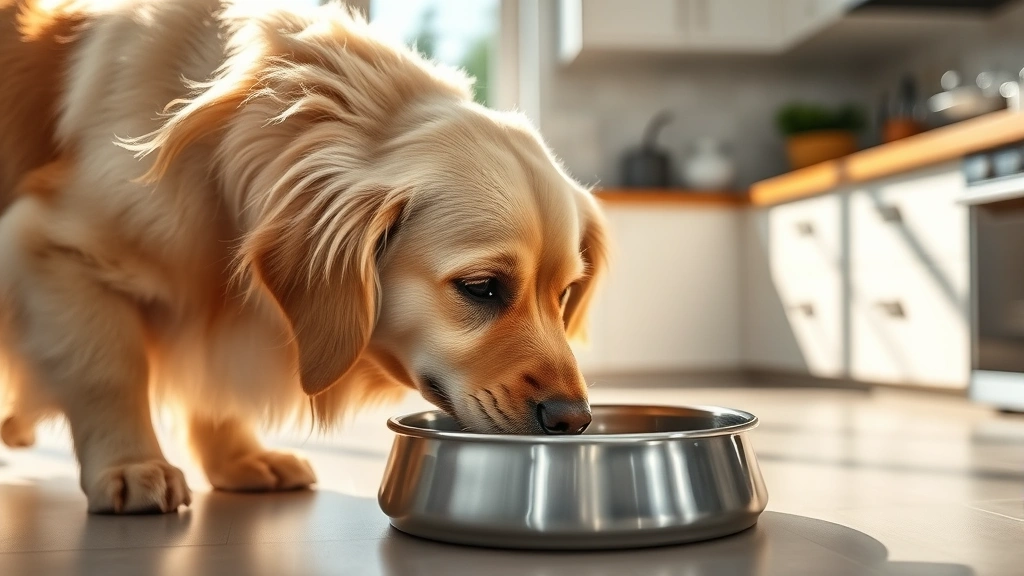
I know this sounds obvious, but you’d be surprised how many dehydrated dogs just need consistent access to clean, fresh water. Not the bowl that’s been sitting in the corner since Tuesday. Fresh water, changed daily, available 24/7.
Some dogs are picky about water temperature—try offering room temperature water alongside cold water and see which your pup prefers. Some dogs also respond better to running water (like from a fountain), so if your dog seems uninterested in their bowl, a pet water fountain might be a game-changer.
Make sure water bowls are in multiple locations around your home. This is especially important for older dogs or those with mobility issues. Check out our Pet Nutrition Advice for more hydration tips tailored to your dog’s specific needs.
Method 2: Electrolyte Solutions and Hydration Supplements
When your dog has lost significant fluids through vomiting or diarrhea, plain water sometimes isn’t enough. This is where electrolyte solutions come in clutch. Products like Pedialyte (unflavored, unsweetened) or pet-specific electrolyte drinks help replace essential minerals like sodium, potassium, and chloride that get lost during dehydration.
You can offer electrolyte solutions in their water bowl, or if they’re really resistant, try freezing them into ice cubes for a more appealing treat. Some vets recommend a 50/50 mix of electrolyte solution and water to ease dogs back into proper hydration.
Always consult with your veterinarian before giving any supplement, especially if your dog has kidney disease or other health conditions. Our Virtual Vet Consultation for Diet Questions can help you determine the best electrolyte approach for your specific pup.
Method 3: Wet Food and Moisture-Rich Treats
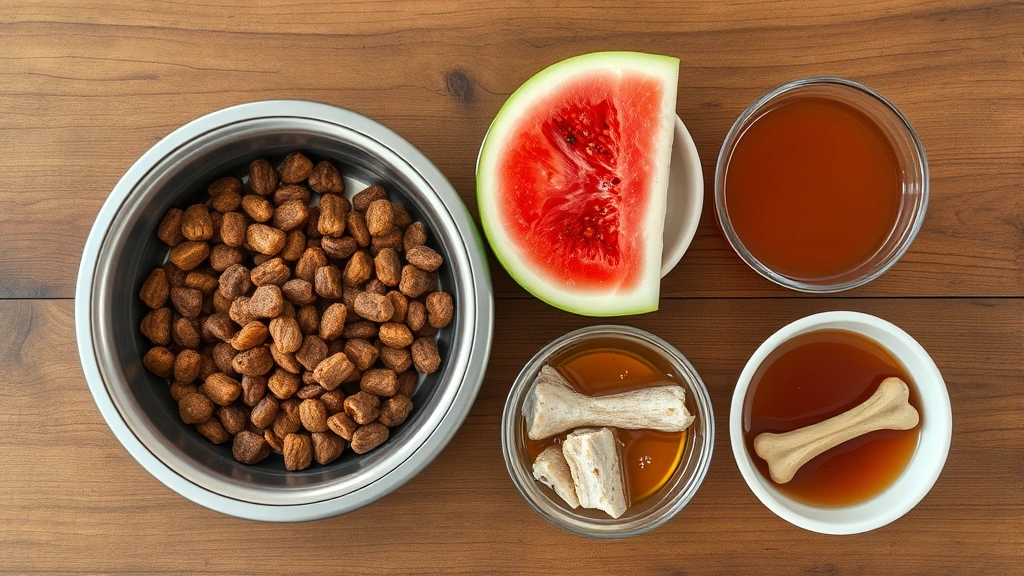
Here’s a sneaky trick: you can increase your dog’s fluid intake through their food. Wet dog food contains significantly more moisture than kibble—sometimes up to 75% water compared to kibble’s 10%. Mixing wet food with their regular diet or switching entirely to wet food during recovery can make a massive difference.
Beyond commercial wet food, you can add low-sodium broth to their kibble, offer watermelon (seedless!), or incorporate other dog-safe vegetables. Our guide on Safe Vegetables for Dogs has plenty of hydrating options that’ll make your dog think they’re getting treats instead of medicine.
Bone broth (unsalted, no onions or garlic) is another fantastic option. It’s nutritious, tasty, and packed with hydration. Many dogs go absolutely bonkers for it.
Method 4: Subcutaneous Fluid Therapy (When It Gets Serious)
If your dog is severely dehydrated and won’t drink or can’t keep fluids down, your vet might recommend subcutaneous fluid therapy. Don’t let the fancy name intimidate you—it’s basically an IV drip administered under the skin rather than directly into a vein.
This method is incredibly effective for dogs with severe dehydration, especially those dealing with conditions like kidney disease or gastroenteritis. While it requires veterinary administration, many vets can teach you to do it at home for ongoing cases. It’s a lifesaver when oral hydration just isn’t cutting it.
The American Veterinary Medical Association (AVMA) recognizes this as a standard treatment for severe dehydration, so don’t hesitate to ask your vet if it’s appropriate for your pup.
Method 5: Addressing the Underlying Cause
Here’s the thing nobody wants to hear: the real cure for dehydration in dogs often means treating whatever caused it in the first place. If your dog has diarrhea from eating something sketchy, you need to address that. If they’re dehydrated from heat exhaustion, you need to prevent future overheating.
Common culprits include:
- Dietary indiscretions (eating something they shouldn’t)
- Viral or bacterial infections
- Kidney disease or other chronic conditions
- Diabetes
- Excessive exercise in heat
- Certain medications
Our article on Human Foods for Pets with Kidney Disease might be relevant if your dog’s dehydration is related to kidney issues. Work with your vet to identify and treat the root cause.
Signs Your Dog Needs Immediate Help
Not all dehydration is created equal. Some cases need emergency veterinary care right now. Watch for:
- Excessive lethargy or collapse
- Sunken eyes
- Loss of skin elasticity (do the skin turgor test—gently pull up the skin on their neck; it should snap back immediately)
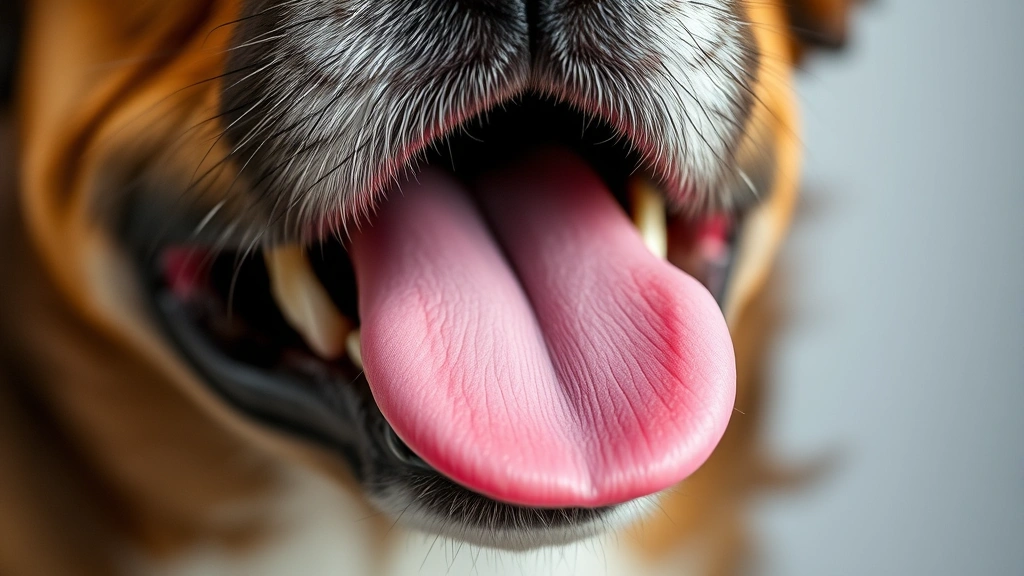
- Pale or dry gums
- Rapid heartbeat
- Inability to stand or walk
If you notice these signs, get to an emergency vet immediately. Don’t wait. Severe dehydration can cause organ failure, shock, and death.
Prevention: The Best Medicine
The absolute best cure for dehydration in dogs is preventing it in the first place. Keep fresh water available at all times, monitor your dog during hot weather, and ensure they’re getting proper nutrition. If you have a puppy or young dog, check out our Puppy Safe Human Foods to ensure you’re not accidentally causing digestive issues that lead to dehydration.
For dogs with chronic conditions that predispose them to dehydration, consider our Telehealth Pet Nutrition Consultation to develop a long-term hydration strategy tailored to your dog’s specific health needs.
When to Call the Vet (And When to Panic)
Here’s the honest truth: if your dog shows any signs of dehydration, they should see a vet. Even mild dehydration can indicate an underlying problem that needs attention. Your vet can perform blood tests to assess kidney function, electrolyte levels, and overall health status.
Don’t try to tough it out at home with severe dehydration. Your dog’s body is basically running on fumes, and every hour counts. Veterinary intervention can literally be the difference between life and death.
Conclusion: Hydration is Non-Negotiable
The cure for dehydration in dogs involves a multi-pronged approach: ensuring constant access to fresh water, using electrolyte solutions when needed, incorporating moisture-rich foods, and most importantly, identifying and treating whatever caused the dehydration in the first place. Some cases need professional veterinary care, including subcutaneous fluids, while others respond beautifully to simple at-home remedies.
Your dog depends on you to keep them hydrated and healthy. Monitor them closely, especially during hot weather or when they’re sick, and don’t hesitate to call your vet if something seems off. A quick call might prevent a serious emergency.
Frequently Asked Questions
How quickly can dehydration in dogs become serious?
Dehydration can become life-threatening within hours, depending on severity and the underlying cause. Mild dehydration might take days to develop into a critical situation, but severe dehydration (from heat stroke, for example) can cause organ failure within hours. This is why prompt veterinary attention matters so much.
Can I give my dog Gatorade or Pedialyte?
Unflavored, unsweetened Pedialyte is generally safe for dogs in small amounts, but it’s not ideal long-term. Gatorade contains too much sugar for dogs. Always check with your vet before giving any electrolyte drink. Some dogs with certain health conditions shouldn’t have them at all.
What’s the fastest way to rehydrate a dog at home?
The fastest at-home method is offering electrolyte solutions in small, frequent amounts (rather than one big bowl). If your dog won’t drink, wet food, ice cubes, or bone broth can help. However, if your dog is severely dehydrated, subcutaneous fluids from a vet is the fastest effective treatment.
Is my dog dehydrated or just tired?
Do the skin turgor test: gently pull up the skin on their neck. If it doesn’t snap back immediately, they’re likely dehydrated. Also check their gums—they should be moist and pink, not dry or pale. When in doubt, call your vet. They can run bloodwork to confirm.
Can puppies get dehydrated more easily than adult dogs?
Yes, puppies are more vulnerable to dehydration because they’re smaller and have less fluid reserves. They also can’t regulate their body temperature as well, making them susceptible to heat-related dehydration. Monitor puppies closely and ensure constant water access.





