
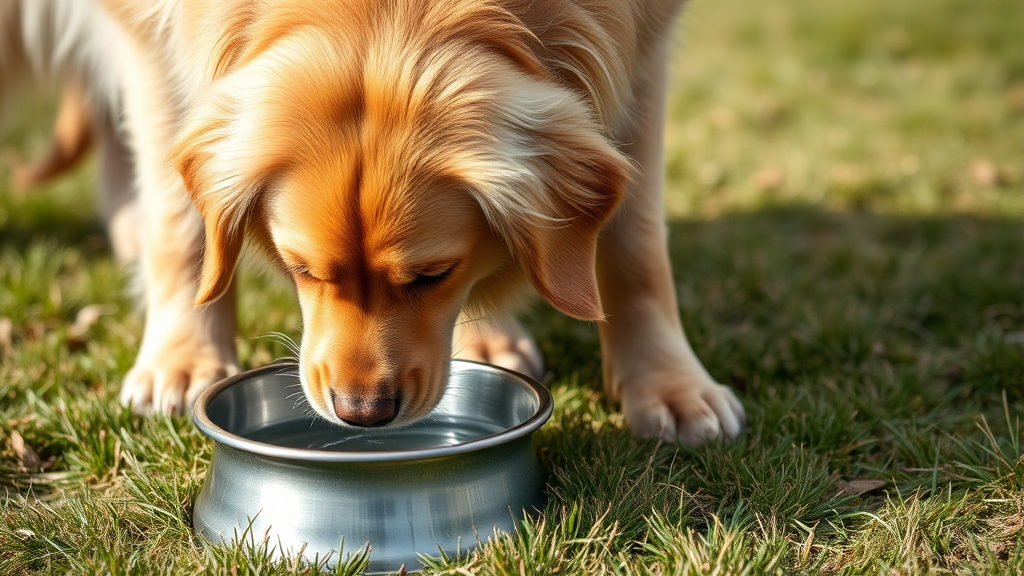
Watching your furry friend lap up water bowl after bowl can be concerning for any pet parent. While staying hydrated is essential for your dog’s health, excessive thirst might signal underlying health issues that require attention. Understanding the difference between normal water consumption and problematic drinking patterns is crucial for maintaining your pup’s wellbeing.
Dogs typically drink between 0.5 to 1 ounce of water per pound of body weight daily, but various factors can influence this amount. Environmental conditions, activity levels, diet, and health status all play roles in determining your dog’s water needs. Recognizing when your dog’s thirst crosses the line from normal to concerning can help you take proactive steps to address potential health problems early.
Understanding Normal Water Consumption in Dogs
Normal water consumption varies significantly among dogs based on multiple factors including size, age, activity level, and overall health. A general rule of thumb suggests dogs should consume approximately 0.5 to 1 ounce of water per pound of body weight daily. This means a 50-pound dog should drink between 25 to 50 ounces of water each day under normal circumstances.
Several factors influence a dog’s normal water intake throughout the day. Age plays a significant role, as puppies and senior dogs often have different hydration needs compared to adult dogs. Puppies require more water relative to their body weight due to their rapid growth and higher metabolic rate, while senior dogs may drink more due to decreased kidney function or medications.
Diet composition also affects water consumption patterns. Dogs eating dry kibble naturally require more water than those consuming wet or raw diets, which contain higher moisture content. The sodium content in your dog’s food can also increase thirst, as can certain treats or table scraps high in salt.
Physical activity and exercise intensity directly correlate with water needs. Active dogs participating in agility training, long hikes, or extended play sessions will naturally require more hydration to replace fluids lost through panting and increased respiration. Understanding your dog’s normal activity-related drinking patterns helps identify when consumption becomes abnormal.
Medical Causes of Excessive Thirst
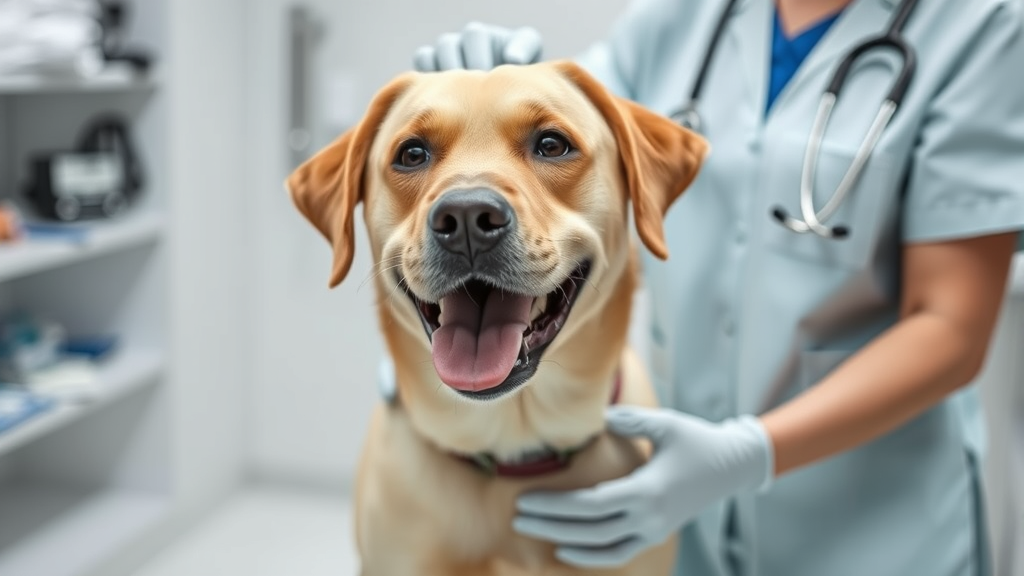
Polydipsia, the medical term for excessive thirst, can indicate various underlying health conditions requiring veterinary attention. Diabetes mellitus is one of the most common causes, occurring when the body cannot properly regulate blood sugar levels, leading to increased urination and compensatory excessive drinking.
Kidney disease represents another serious condition causing increased water consumption. As kidney function declines, the organs lose their ability to concentrate urine effectively, resulting in increased urination and subsequent thirst. Early detection of kidney problems is crucial for managing the condition and maintaining quality of life.
Cushing’s disease, or hyperadrenocorticism, occurs when the body produces excessive cortisol hormones. This condition commonly affects middle-aged to older dogs and causes increased appetite, excessive drinking, frequent urination, and characteristic physical changes like a pot-bellied appearance and hair loss.
Liver disease can also manifest as increased thirst and urination. The liver plays crucial roles in metabolism and toxin filtration, and when compromised, various symptoms including polydipsia may develop. If you notice your dog exhibiting signs like throwing up alongside excessive drinking, veterinary evaluation is essential.
Urinary tract infections and bladder issues frequently cause dogs to drink more water. These conditions create discomfort and frequent urination urges, leading dogs to compensate by drinking additional water. Learning how to treat UTIs properly can help address these symptoms effectively.
Environmental and Lifestyle Factors
Environmental conditions significantly impact your dog’s water consumption patterns. Hot weather, high humidity, and direct sun exposure increase water needs as dogs rely primarily on panting to regulate body temperature. Unlike humans, dogs have limited sweat glands, making water consumption crucial for thermoregulation during warm conditions.
Indoor heating systems during winter months can create dry air conditions that increase your dog’s water needs. Similarly, air conditioning can reduce humidity levels, potentially leading to increased thirst. Monitoring your home’s humidity levels and ensuring adequate ventilation can help maintain comfortable conditions for your pet.
Stress and anxiety can influence drinking behaviors in some dogs. Changes in routine, new environments, or separation anxiety may cause some dogs to drink excessively as a coping mechanism. Observing your dog’s behavior patterns and identifying potential stressors helps distinguish between medical and behavioral causes of increased thirst.
Medication side effects commonly cause increased thirst in dogs. Corticosteroids, diuretics, and certain heart medications can significantly increase water consumption. If your dog recently started new medications and exhibits increased drinking, discuss these changes with your veterinarian to determine if adjustments are necessary.
When to Worry About Your Dog’s Water Intake
Recognizing when your dog’s water consumption becomes concerning requires understanding normal patterns versus problematic drinking behaviors. If your dog suddenly doubles or triples their usual water intake without obvious environmental causes, veterinary evaluation is warranted. Gradual increases over several weeks may be less alarming but still deserve attention.
Accompanying symptoms often provide crucial clues about the severity of the situation. Excessive drinking combined with excessive panting, lethargy, loss of appetite, or changes in urination patterns suggests potential medical issues requiring prompt veterinary care.
Pay attention to your dog’s eating habits alongside their drinking patterns. If increased thirst coincides with questions about appetite changes, this combination may indicate serious underlying conditions requiring immediate veterinary assessment.
Behavioral changes accompanying increased thirst also warrant concern. If your normally energetic dog becomes lethargic while drinking excessively, or if you notice signs like persistent coughing, these symptoms together may indicate systemic health issues.
Emergency situations require immediate veterinary care. If excessive drinking is accompanied by vomiting, diarrhea, difficulty breathing, or signs of fever, don’t delay seeking professional help. These combinations of symptoms may indicate serious conditions requiring urgent intervention.
How to Monitor Your Dog’s Drinking Habits
Accurate monitoring of your dog’s water consumption requires systematic approaches to track intake patterns effectively. Start by measuring the amount of water you provide daily and note how much remains at the end of each day. This simple method provides baseline data for identifying changes in consumption patterns.
Keep a water consumption diary documenting daily intake, weather conditions, activity levels, and any unusual behaviors or symptoms. This comprehensive record helps veterinarians identify patterns and potential triggers for increased thirst when medical evaluation becomes necessary.
Consider using measuring cups or marked water bowls to track consumption more precisely. Some pet owners find success with automatic water dispensers that allow for easier monitoring of daily intake amounts. Technology solutions like smart water bowls can provide detailed consumption data over time.
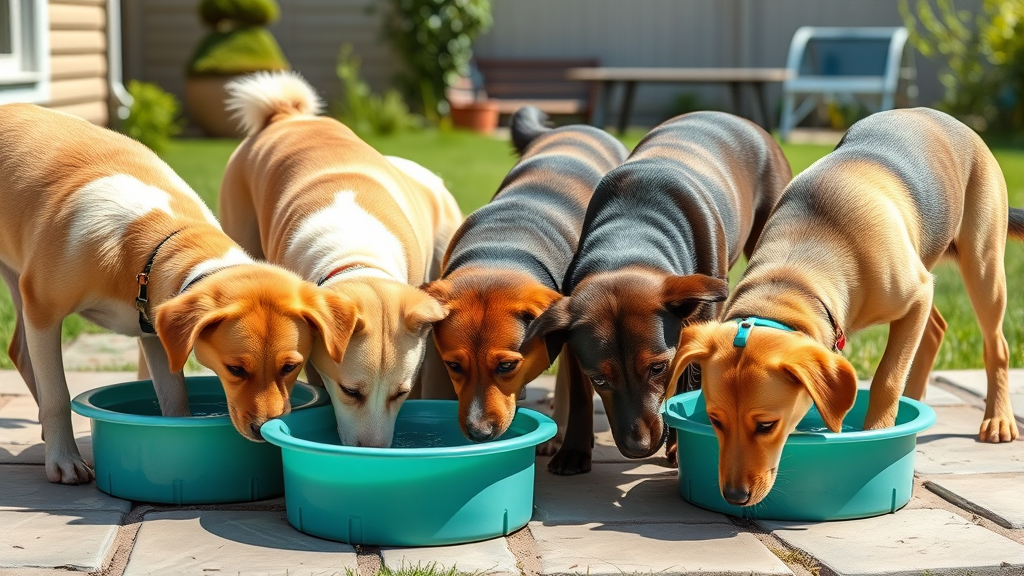
Multiple water sources can complicate monitoring efforts. If your dog has access to outdoor water sources, toilet bowls, or multiple indoor bowls, tracking becomes more challenging. Limiting access to unmeasured water sources during monitoring periods provides more accurate consumption data.
Document accompanying behaviors and symptoms alongside water intake measurements. Note urination frequency, appetite changes, energy levels, and any other concerning symptoms. This comprehensive approach provides veterinarians with crucial information for accurate diagnosis and treatment planning.
Seeking Veterinary Care and Diagnosis
Veterinary evaluation becomes essential when excessive drinking persists for more than a few days without obvious environmental causes. Your veterinarian will conduct a thorough physical examination and gather detailed history about your dog’s drinking patterns, diet, medications, and overall behavior changes.
Diagnostic testing typically begins with complete blood work including a chemistry panel to evaluate organ function, blood sugar levels, and electrolyte balance. Urinalysis provides additional insights into kidney function and can reveal signs of diabetes, infections, or other urinary tract abnormalities.
Advanced diagnostic procedures may be necessary depending on initial test results. These might include thyroid function tests, cortisol level measurements for Cushing’s disease evaluation, or imaging studies like X-rays or ultrasounds to examine internal organs for structural abnormalities.
Your veterinarian may recommend specialized tests based on clinical findings. Water deprivation tests, though rarely performed due to potential risks, might be considered in specific cases to evaluate kidney concentrating ability. Most diagnoses can be reached through less invasive testing methods.
Treatment plans vary significantly depending on the underlying cause of excessive thirst. Some conditions require lifelong management with medications and dietary modifications, while others may resolve with appropriate treatment of underlying infections or environmental changes.
Management and Prevention Tips
Managing your dog’s water consumption involves creating appropriate drinking environments while addressing underlying causes of excessive thirst. Ensure fresh, clean water is always available, but monitor intake patterns to track improvements or changes in consumption following treatment.
Dietary modifications may help manage certain conditions causing excessive thirst. Dogs with kidney disease often benefit from prescription diets with reduced protein and phosphorus content, while diabetic dogs require carefully managed nutrition plans. Proper feeding guidelines support overall health management.
Environmental modifications can reduce stress-related drinking behaviors. Maintaining consistent routines, providing comfortable resting areas, and minimizing environmental stressors helps some dogs reduce anxiety-driven excessive water consumption.
Regular veterinary check-ups enable early detection of conditions that might cause excessive thirst. Annual blood work for adult dogs and bi-annual testing for senior dogs can identify developing problems before symptoms become severe.
Medication compliance plays a crucial role in managing conditions causing excessive thirst. Follow prescribed treatment regimens carefully and communicate with your veterinarian about any concerns or side effects. Some dogs may need medication adjustments over time to maintain optimal health.
Monitor for additional health concerns that might compound drinking issues. Conditions like canine flu or digestive issues causing diarrhea can affect hydration needs and drinking patterns, requiring adjusted monitoring and care approaches.
Frequently Asked Questions
How much water should my dog drink daily?
Dogs should typically consume 0.5 to 1 ounce of water per pound of body weight daily. A 30-pound dog should drink approximately 15-30 ounces of water under normal circumstances. Factors like activity level, weather, diet, and health status can influence these requirements. Puppies, pregnant or nursing dogs, and very active dogs may need more water than this general guideline suggests.
What are the most common medical causes of excessive drinking?
The most common medical causes include diabetes mellitus, kidney disease, Cushing’s disease, liver problems, and urinary tract infections. Diabetes causes excessive thirst as the body tries to flush out excess glucose through urination. Kidney disease impairs the organ’s ability to concentrate urine, leading to increased water loss and compensatory drinking.
When should I be concerned about my dog’s water consumption?
Concern is warranted when your dog suddenly doubles or triples their normal water intake, especially when accompanied by other symptoms like excessive urination, lethargy, loss of appetite, or behavioral changes. Any persistent increase in drinking lasting more than 2-3 days without obvious environmental causes should prompt veterinary consultation.
Can hot weather explain my dog’s increased drinking?
Yes, hot weather commonly increases water consumption as dogs rely on panting and increased respiration to regulate body temperature. However, the increase should be proportional to temperature changes and activity levels. Extreme or persistent increases in drinking that continue despite cooler temperatures may indicate underlying health issues requiring evaluation.
Are there any home remedies for excessive thirst in dogs?
There are no safe home remedies for treating excessive thirst in dogs, as this symptom typically indicates underlying medical conditions requiring professional diagnosis and treatment. However, you can ensure fresh water availability, monitor intake patterns, and provide comfortable environmental conditions while seeking veterinary care for proper evaluation and treatment.
How do I accurately measure my dog’s water intake?
Use measured amounts of water in your dog’s bowl and track how much remains at the end of each day. Keep a daily log noting the amount provided, amount consumed, weather conditions, and activity levels. Consider using marked measuring bowls or cups for more precise tracking. Limit access to unmeasured water sources during monitoring periods for accuracy.
Can medications cause increased drinking in dogs?
Yes, several medications commonly cause increased thirst as a side effect. Corticosteroids, diuretics, heart medications, and some antibiotics can significantly increase water consumption. If your dog started new medications and exhibits increased drinking, discuss this with your veterinarian to determine if the medication is responsible and whether adjustments are possible.





