
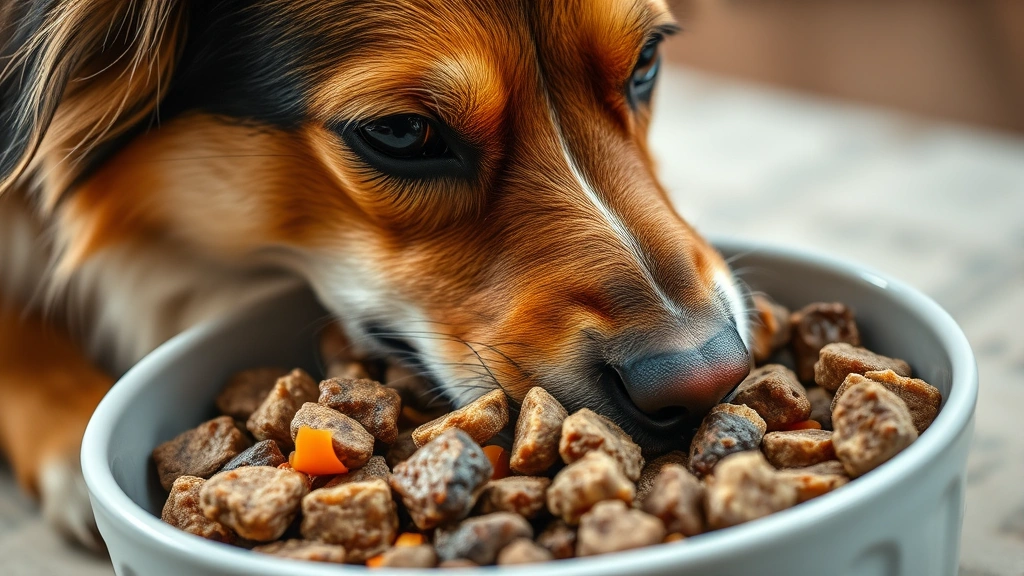
If you’re tired of your dog turning their nose up at kibble that smells like cardboard, dehydrated dog food might be exactly what you need to get them excited about mealtime again. This isn’t some trendy fad—it’s a legitimate way to give your pup whole, recognizable ingredients without the weird preservatives and mystery meat byproducts hiding in commercial dog food.
Table of Contents
- What Exactly Is Dehydrated Dog Food?
- Why Pet Parents Are Ditching Kibble for Dehydrated Options
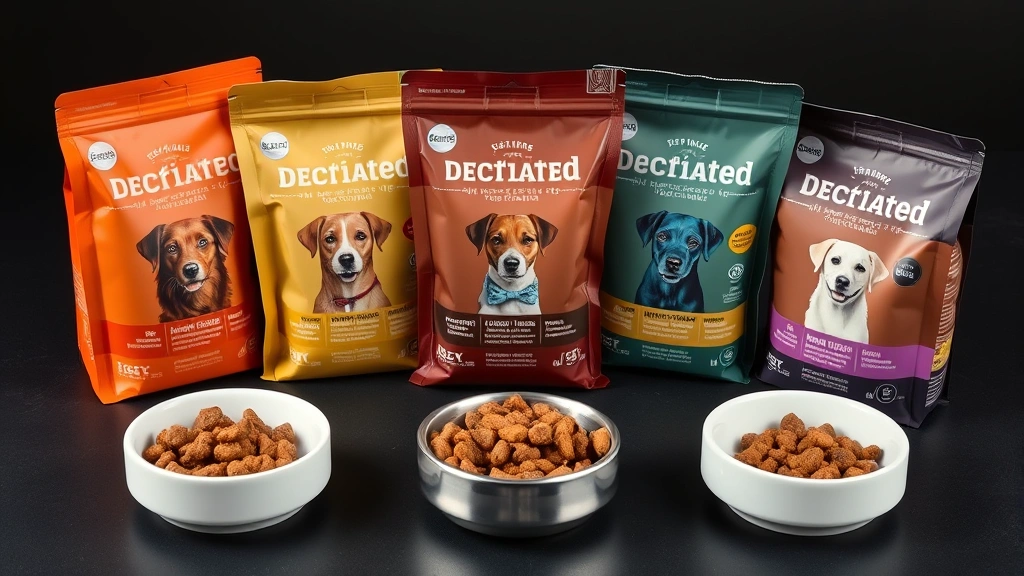
- The Top 5 Dehydrated Dog Food Brands for 2024
- How to Transition Your Dog to Dehydrated Food
- Rehydration: The Secret Sauce
- Cost Comparison: Is It Worth the Money?
- Storage and Shelf Life
- Common Questions About Dehydrated Dog Food
- Frequently Asked Questions
- Making Dehydrated Food Even Better
- The Bottom Line on Dehydrated Dog Food
Dehydrated dog food sits in this sweet spot between raw feeding and traditional kibble. It’s got the convenience factor of dry food (no freezer space required, no thawing drama), but it actually looks and smells like real food. Your dog can tell the difference, and honestly, so can you.
What Exactly Is Dehydrated Dog Food?
Let’s break this down simply. Dehydrated dog food is made by taking whole ingredients—meat, vegetables, organs—and removing the moisture through low-temperature dehydration. This process preserves nutrients way better than high-heat kibble manufacturing does. You’re essentially getting a shelf-stable version of fresh food without the “oh no, it’s been in my pantry for three weeks” anxiety.
The result? A food that rehydrates with water and becomes closer to what dogs would actually eat in nature. No weird texture, no suspicious smells, just real ingredients doing their thing. It’s like the difference between instant coffee and freshly brewed—technically both caffeine delivery systems, but one actually tastes like something worth consuming.
Why Pet Parents Are Ditching Kibble for Dehydrated Options
Here’s the thing about traditional kibble: it’s processed at crazy high temperatures, which destroys some nutrients and requires tons of binders and fillers to hold it together. Dehydrated dog food skips that whole mess.

Dogs on dehydrated dog food diets often show improvements in coat quality, energy levels, and digestion. Their poop is smaller (yes, that matters), and they seem genuinely enthusiastic about eating. Revolutionary? Not really. But effective? Absolutely.
Plus, if you’re into sustainable dog food options, dehydrated brands typically have way better sourcing practices than mass-produced kibble manufacturers. Many use human-grade ingredients and ethical sourcing—which means you can feel good about what goes in your dog’s bowl.
The Top 5 Dehydrated Dog Food Brands for 2024
1. The Farmer’s Dog Dehydrated Recipe
The Farmer’s Dog basically invented the fresh-dog-food subscription game, and their dehydrated line is no joke. They use USDA beef, turkey, pork, and chicken with vegetables like broccoli, carrots, and sweet potatoes. Everything is human-grade, and they’ve got a team of veterinary nutritionists making sure the recipes are balanced.
Real talk: it’s on the pricier side, but the quality is genuinely there. Your dog gets a meal that’s basically what a vet would recommend if they were designing food from scratch.

2. Stella & Chewy’s Meal Mixers
These folks have been in the raw and dehydrated game for years. Their Meal Mixers are freeze-dried (similar concept, slightly different process) and come in flavors like grass-fed beef, cage-free chicken, and wild-caught salmon. You sprinkle it on kibble or mix it with water to create a complete meal.
The ingredient list reads like a grocery store receipt, not a chemistry textbook. Meat, organs, vegetables—that’s it. No weird gums, no mysterious “poultry by-products.”
3. Primal Pet Foods Dehydrated Formulas
Primal takes the ancestral diet concept seriously. Their dehydrated formulas include raw muscle meat, organs, bone, and vegetables. They’re AAFCO-certified (which means they meet nutritional standards), and they source from grass-fed, pasture-raised animals when possible.
If you want to get into pet nutrition advice territory, Primal’s approach is pretty aligned with what evolutionary biologists think dogs should actually be eating.
4. Nom Nom Fresh Dog Food (Dehydrated Option)
Nom Nom started with fresh-cooked meals and now offers a dehydrated line. Their recipes are developed by board-certified veterinary nutritionists and include human-grade ingredients. They’ve got multiple protein options and even customize recipes based on your dog’s specific needs.
The customization angle is huge—not all dogs are the same, and Nom Nom gets that. Your senior Chihuahua has different nutritional needs than a three-year-old Labrador.
5. Grandma Lucy’s Organic Dehydrated Dog Food
Grandma Lucy’s has been around forever and specializes in organic, human-grade ingredients. Their dehydrated recipes include beef, chicken, turkey, and fish options with vegetables and supplements. Everything is certified organic, which means no synthetic pesticides or weird additives.
They’re also one of the more affordable options in the premium dehydrated space, which is clutch if you’ve got multiple dogs or a big breed.

How to Transition Your Dog to Dehydrated Food
Don’t just dump a bowl of rehydrated food in front of your dog and expect them to be thrilled. Dogs have sensitive digestive systems, and switching too fast causes the dreaded doggy diarrhea situation.
Start by mixing about 25% dehydrated food (rehydrated with water) with 75% of their current food. Every few days, bump up the dehydrated percentage until you hit 100% over about 7-10 days. This gives their gut bacteria time to adjust to the new food.
Some dogs might need a slower transition—especially those with sensitive stomachs. Watch for loose stools or vomiting, and if that happens, slow down the switch. Your dog will get there.
Rehydration: The Secret Sauce
Here’s where a lot of people mess up: the water ratio matters. Most dehydrated foods need about a 1:1 or 1:2 ratio of food to water. Check the package instructions—they vary by brand.

Use filtered or distilled water if you can (chlorine in tap water isn’t ideal), and let the food sit for a few minutes before serving. You’re basically making a chunky gravy situation that your dog will find absolutely irresistible.
If you want to get fancy, you can use bone broth instead of water. Yes, your dog will lose their mind. No, you don’t need to do this every time—save it for special occasions or to entice a picky eater.
Cost Comparison: Is It Worth the Money?
Dehydrated dog food is more expensive per serving than kibble, but here’s the thing: it’s more nutrient-dense and requires smaller portions. A 5-pound bag of dehydrated food might last longer than you’d think because you’re not feeding filler.
Plus, when you factor in potential vet bills from digestive issues or poor nutrition, premium food starts looking pretty reasonable. A dog thriving on good nutrition needs fewer vet visits. That’s not a coincidence.

If budget is tight, you could also check out DIY pet treats and combine them with a more affordable dehydrated base, or mix dehydrated food with regular kibble to stretch your budget while still getting nutritional benefits.
Storage and Shelf Life
One of the best parts about dehydrated food? It doesn’t spoil like fresh food. Most brands stay good for 1-2 years in a cool, dry pantry. Once you open a bag, transfer it to an airtight container to maintain freshness and keep moisture out.
No freezer space required, no thawing panic, no accidentally forgetting to defrost dinner. This is genuinely convenient, which matters when you’re juggling a busy life and a hungry dog.
Common Questions About Dehydrated Dog Food
Frequently Asked Questions
Is dehydrated dog food as good as fresh?
Pretty much, yeah. The main difference is that dehydrated food has had water removed, which concentrates nutrients. Fresh food has water, which means you’re feeding more water weight. Nutritionally, they’re in the same ballpark. Dehydrated is just more convenient and shelf-stable.

Can I feed dehydrated food to puppies?
Yes, but check with your vet first. Puppies have specific nutritional requirements (especially large breed puppies), and you want to make sure whatever brand you choose is formulated for growth. Some brands offer puppy-specific recipes; others don’t.
Will my dog’s teeth stay clean on dehydrated food?
Not the way they would with raw meaty bones or crunchy kibble. If dental health is a concern, check out foods for dental health in pets or add some raw meaty bones to the rotation. Dehydrated food alone won’t do much for teeth cleaning.
What if my dog has allergies?
Dehydrated food is actually great for dogs with allergies because you can see exactly what’s in it. There are limited-ingredient formulas available from most brands. Just make sure the specific proteins and vegetables you choose don’t trigger your dog’s allergies.
How do I know if dehydrated food is working for my dog?
Look for shinier coat, more energy, better digestion (smaller poops), and enthusiasm at mealtime. Most dogs show improvement within 2-4 weeks. If your dog isn’t doing well after a month, try a different brand or protein source—not all dogs thrive on the same food.

Making Dehydrated Food Even Better
Want to level up your dog’s meals? Mix dehydrated food with pet treat recipes you make at home, or add some organic pet treats as toppers. You could also rotate between different protein sources to give your dog nutritional variety and keep them from getting bored.
Some people do a rotation diet, switching between different brands or proteins every few weeks. This prevents food sensitivities from developing and keeps mealtime interesting for your dog.
The Bottom Line on Dehydrated Dog Food
Dehydrated dog food bridges the gap between convenience and nutrition in a way that traditional kibble just can’t match. You get real, recognizable ingredients without the hassle of fresh food or the nutritional compromise of standard dry food.
Is it perfect? No—nothing is. But for most dogs, it’s a significant upgrade that shows real results. Your dog’s coat will be shinier, their energy will be better, and they’ll actually be excited when they see the food bowl coming out.
The brands we’ve reviewed here are solid choices with good reputations, transparent ingredient sourcing, and dogs that actually thrive on their food. Pick one, do a slow transition, and watch your dog transform into the most food-motivated version of themselves.
Your dog has been waiting their whole life for food that doesn’t taste like pressed cardboard. Give them a shot at something better.





