
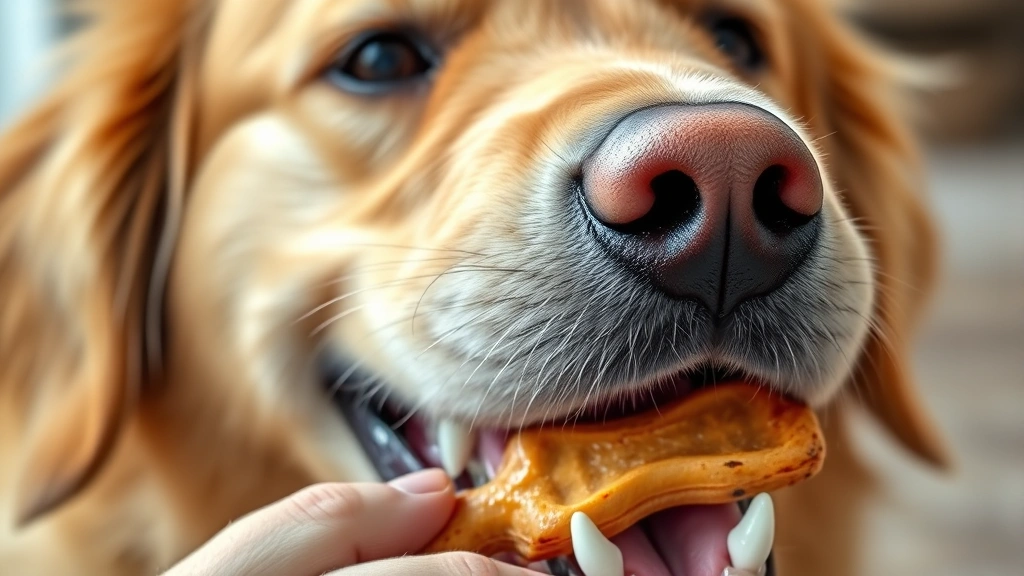
Let’s be real—dental chews for dogs are basically the difference between your pup having breath that could knock you over and actually wanting to snuggle up on the couch without you gagging. Bad dog breath isn’t just unpleasant; it’s often a sign that your furry friend’s teeth need some serious TLC. The good news? There are some fantastic options out there that actually work, and your dog will think they’re getting a treat (because they are).
Table of Contents
- Why Dental Chews for Dogs Actually Matter
- How Dog Dental Chews Work Their Magic
- The Best Dental Chews for Dogs: Our Top 5 Picks
- What to Look for When Choosing Dental Chews
- Size Matters: Matching Chews to Your Dog
- Natural vs. Commercial: The Great Debate
- Safety Considerations for Dental Chews
- Budget-Friendly Options Without Sacrificing Quality
- Real Results: What to Expect
- Expert Recommendations from Veterinary Professionals
- Making Dental Chews Part of Your Dog’s Routine
- Frequently Asked Questions
- Conclusion: Investing in Your Dog’s Smile
Why Dental Chews for Dogs Actually Matter
Your dog’s teeth are just as important as yours, except they can’t book their own dental appointments or complain about sensitivity. Plaque and tartar buildup can lead to gum disease, tooth loss, and even systemic health issues that affect the heart and kidneys. Dental chews for dogs work by mechanically scrubbing away plaque and tartar as your pup chews, kind of like brushing teeth but way more fun (for them, at least). Regular brushing is ideal, but let’s face it—most dogs would rather wrestle a bear than sit still for tooth brushing. That’s where these chews come in clutch.
How Dog Dental Chews Work Their Magic
The science behind dental chews is actually pretty straightforward. As your dog gnaws away, the friction helps remove buildup from the tooth surface and along the gum line. Many quality dental chews also contain enzymes like glucose oxidase that actively fight bacteria in the mouth. It’s like having a tiny dental hygienist working inside your dog’s mouth every time they chew. Some products are designed to be extra abrasive, while others focus on enzymatic action—both approaches have merit depending on your dog’s needs.
The Best Dental Chews for Dogs: Our Top 5 Picks
Finding the right dental chews for dogs can feel overwhelming with so many options on the market. Here are five standouts that actually deliver results:
1. Virbac C.E.T. Enzymatic Oral Hygiene Chews
These are the gold standard for a reason. They’re formulated with glucose oxidase, an enzyme that actively reduces plaque-forming bacteria. Dogs actually enjoy them (they taste like poultry), and vets recommend them constantly. They’re pricier than some alternatives, but the results speak for themselves.
2. Greenies Original Dental Dog Treats
Greenies are the gateway drug to dental chews. They’re tasty, come in multiple sizes, and actually have VOHC (Veterinary Oral Health Council) approval. They’re digestible and designed to be gentle on the stomach while still providing that mechanical cleaning action. Plus, they’re widely available everywhere.
3. Purina Pro Plan Dental ChewSticks
These are solid mid-range options that won’t break the bank. They contain arginine and lysine, amino acids that support oral health, plus they have a textured surface that helps with plaque removal. They’re smaller than Greenies, so they’re good for dogs who prefer shorter chewing sessions.
4. Bully Sticks
If you want to go the natural route, bully sticks are a fantastic alternative. They’re 100% beef muscle, high in protein, and the chewing action naturally cleans teeth. They take longer to chew (which is great for dental health), and most dogs go absolutely bonkers for them. Just watch for choking hazards with smaller dogs.
5. Nylabone Advanced Oral Care
These are designed specifically with dental health in mind, featuring a dual-texture surface—one side is nubby for cleaning, the other is textured for deeper plaque removal. They’re long-lasting and come in flavors dogs love. They’re also affordable, making them a good everyday option.
What to Look for When Choosing Dental Chews
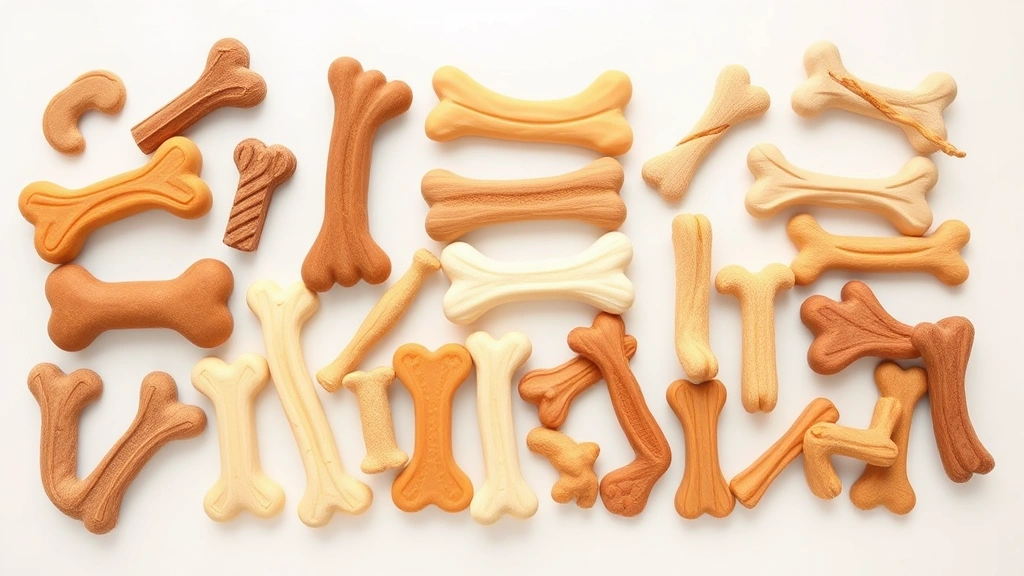
Not all dental chews for dogs are created equal. First, check for VOHC approval—this seal means the product has actually been tested and proven effective. Look for ingredients that support oral health, like enzymes or amino acids. Avoid anything with excessive sugar or artificial sweeteners (xylitol is toxic to dogs, so steer clear). Consider your dog’s size and chewing strength; a gentle chewer needs something different than a power chewer. Healthy snack alternatives for dogs should always be your baseline when evaluating any treat option.
Size Matters: Matching Chews to Your Dog
A Chihuahua gnawing on a dental chew meant for a German Shepherd is a recipe for disaster (or at least frustration). Make sure you’re selecting the right size for your pup. Dental chews for dogs come in small, medium, large, and extra-large varieties. Too small, and your dog swallows it without getting the benefit. Too large, and it becomes a choking hazard or your dog just gives up. Most reputable brands clearly label their products by dog weight.
Natural vs. Commercial: The Great Debate
Some dog owners swear by natural options like raw carrots, apples, or bully sticks, while others trust commercial dental products more. Honestly? Both can work. Natural options like crunchy vegetables provide mechanical cleaning and are great for foods for dental health in pets. Commercial products are more consistent and often contain proven ingredients. The best approach? Use a combination. Give your dog a commercial dental chew a few times a week, supplement with natural options, and if possible, brush their teeth regularly. Your vet can recommend what’s best for your specific dog.
Safety Considerations for Dental Chews
While dental chews for dogs are generally safe, there are some precautions to take. Always supervise your dog while they’re chewing, especially with new products. Watch for signs of choking or intestinal blockage if your dog is an aggressive swallower. Some dogs have sensitive stomachs and might need to be introduced to new chews gradually. If your dog has existing dental disease or tooth loss, check with your vet before starting any new chewing regimen. Also, remember that dental chews are supplementary—they’re not a replacement for professional dental cleanings if your vet recommends them.
Budget-Friendly Options Without Sacrificing Quality
Quality dental chews for dogs don’t have to drain your wallet. Purina Pro Plan and Greenies offer solid options at reasonable prices. You can also buy in bulk online to save money. Some vets offer discounts on dental products, so ask at your next appointment. Another budget hack? Pet treat recipes can help you create your own dental-friendly treats at home using ingredients like peanut butter, pumpkin, and carrots. Just make sure any homemade treats are safe and meet your dog’s nutritional needs.
Real Results: What to Expect
Let’s set realistic expectations. Dental chews for dogs won’t replace professional dental cleanings, but they absolutely help. Most dogs show improvement in breath quality within a few weeks of regular use. Plaque reduction is visible within 2-3 months. Some dogs develop noticeably whiter teeth after consistent use. However, if your dog already has significant tartar buildup or gum disease, you’ll likely need a professional cleaning first. Think of dental chews as preventative maintenance, not a miracle cure.
Expert Recommendations from Veterinary Professionals
The American Veterinary Dental College consistently recommends daily mechanical cleaning combined with professional dental care. According to AAFCO guidelines, treats should make up no more than 10% of your dog’s daily caloric intake. The American Kennel Club supports the use of VOHC-approved dental chews as part of a comprehensive oral health program. And PetMD emphasizes that while dental chews are beneficial, they work best alongside other oral hygiene practices.
Making Dental Chews Part of Your Dog’s Routine
The best dental chew is the one your dog will actually use consistently. Introduce it slowly, make it a daily habit (or at least several times a week), and watch your pup’s teeth improve. Some owners make it a special treat time, creating a positive association. Others incorporate it into their dog’s evening routine. Whatever works for your lifestyle is fine—consistency is what matters. Your dog’s future self (and your nose) will thank you.
Frequently Asked Questions
Are dental chews for dogs safe?
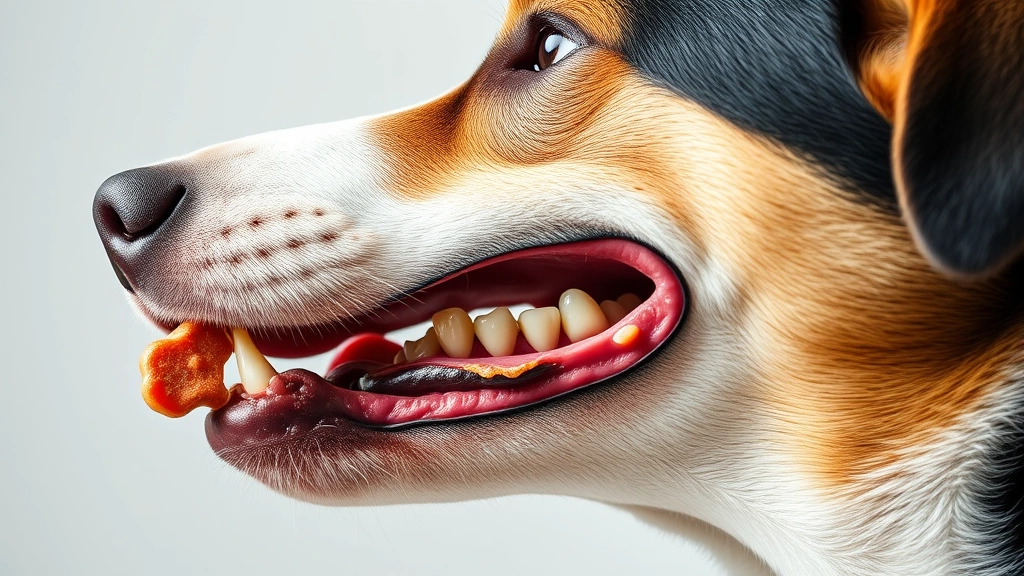
Yes, most dental chews for dogs are safe when used appropriately. Always choose products suited to your dog’s size and age, supervise chewing sessions, and select VOHC-approved options when possible. Watch for choking hazards and monitor your dog’s digestion, as some dogs have sensitive stomachs.
How often should I give my dog dental chews?
For best results, aim for daily dental chews for dogs, or at least 4-5 times per week. However, always follow the product’s specific recommendations and consult your vet about what’s appropriate for your individual dog.
Can dental chews replace professional teeth cleaning?
No, dental chews for dogs are preventative and supplementary. They cannot replace professional dental cleanings performed by a veterinarian, especially if your dog already has significant tartar or gum disease.
What’s the best age to start using dental chews?
You can introduce dental chews for dogs once they have their adult teeth (around 6-7 months old). Puppies should only use products specifically designed for their age group.
Do all dogs like dental chews?
Most dogs enjoy dental chews, but preferences vary. If your dog doesn’t like one brand, try another. Some dogs prefer harder chews, others like softer options. You might need to experiment to find what works for your pup.
Are there any ingredients I should avoid?
Absolutely. Avoid dental chews for dogs containing xylitol (toxic to dogs), excessive sugar, artificial colors, or BPA. Always read ingredient lists carefully and consult your vet if your dog has allergies or sensitivities.
Conclusion: Investing in Your Dog’s Smile
Dental chews for dogs are one of the simplest yet most effective ways to keep your pup’s teeth healthy and their breath fresh. Whether you go with enzymatic options like Virbac, crowd favorites like Greenies, natural choices like bully sticks, or budget-friendly alternatives, the key is consistency. Combine dental chews with regular brushing when possible, professional cleanings as recommended by your vet, and a healthy diet, and you’ve got a comprehensive oral health strategy. Your dog will have healthier teeth, fresher breath, and potentially avoid painful dental procedures down the road. That’s a win-win in our book.





