
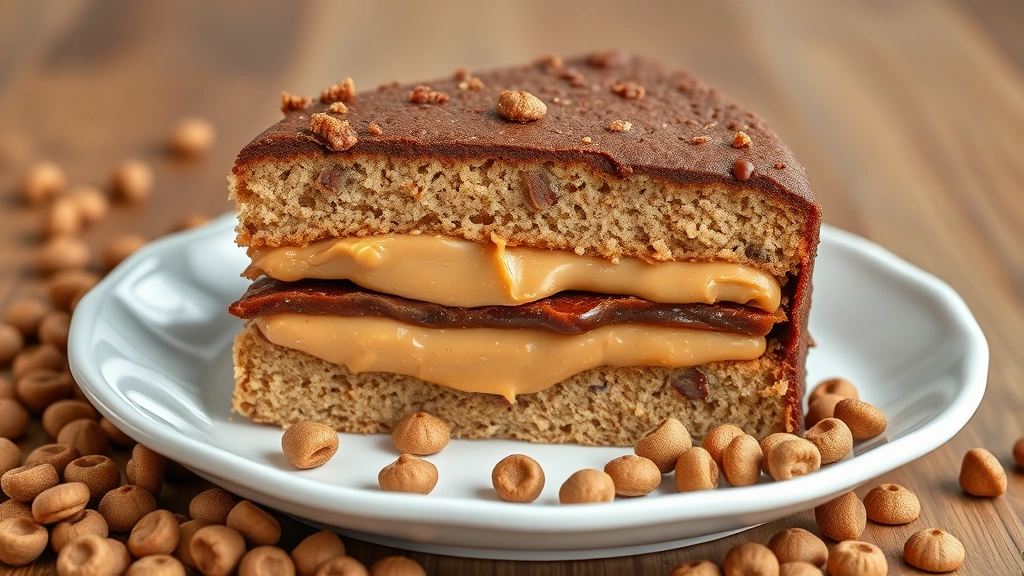
So you want to make a devil dog cake for your furry best friend? Hold up—before you start mixing that cocoa powder and cream filling, we need to talk about what makes a treat actually safe for dogs. The iconic snack cake that humans have loved since 1947 isn’t exactly vet-approved for pups, but don’t worry. We’re going to break down everything you need to know about creating dog-friendly versions that’ll have your pooch doing backflips.
Table of Contents
- What Exactly Is a Devil Dog Cake Anyway?
- Tip #1: Understand Why Regular Devil Dog Cakes Are a No-Go
- Tip #2: Choose Dog-Safe Ingredients for Homemade Versions
- Tip #3: Master Portion Control and Treat Frequency
- Tip #4: Watch for Allergies and Digestive Issues
- Tip #5: Know When to Skip Homemade and Buy Commercial Dog Treats Instead
- Creating Your Own Devil Dog Cake Recipe
- Healthier Treat Alternatives to Consider
- Storage and Safety Tips for Homemade Treats
- Frequently Asked Questions
- Final Thoughts: Loving Your Dog the Right Way
What Exactly Is a Devil Dog Cake Anyway?
For those living under a rock, a devil dog cake is that delicious chocolate sponge cake with a creamy filling in the middle. It’s been a nostalgic favorite for generations of humans. The traditional version contains chocolate, sugar, artificial ingredients, and cream filling—basically a triple threat when it comes to dog nutrition. But here’s the thing: dogs don’t need to eat exactly what humans eat to feel loved. They just need us to be creative.
The name alone sounds a bit devious, which is fitting because feeding your actual dog the human version could cause some serious digestive drama. We’re talking vomiting, diarrhea, and emergency vet visits that’ll make your wallet cry.
Tip #1: Understand Why Regular Devil Dog Cakes Are a No-Go
Let’s get real about the ingredients in store-bought devil dog cakes. Chocolate is toxic to dogs—this isn’t a myth or exaggeration. Theobromine, the compound in chocolate that gives us that happy feeling, is metabolized differently in dogs and can cause heart problems, seizures, and worse. Dark chocolate is the worst offender, but milk chocolate isn’t innocent either.
Beyond chocolate, these cakes are loaded with sugar and artificial sweeteners like xylitol, which is absolutely poisonous to dogs. Even a small amount can cause liver failure. Then there’s the high fat content, which can trigger pancreatitis—an inflammation of the pancreas that requires emergency vet care.
According to the American Kennel Club (AKC), pet parents need to be vigilant about human foods that look harmless but pack serious danger. The takeaway? Your store-bought devil dog cake needs to stay in your snack stash, not your pup’s bowl.
Tip #2: Choose Dog-Safe Ingredients for Homemade Versions
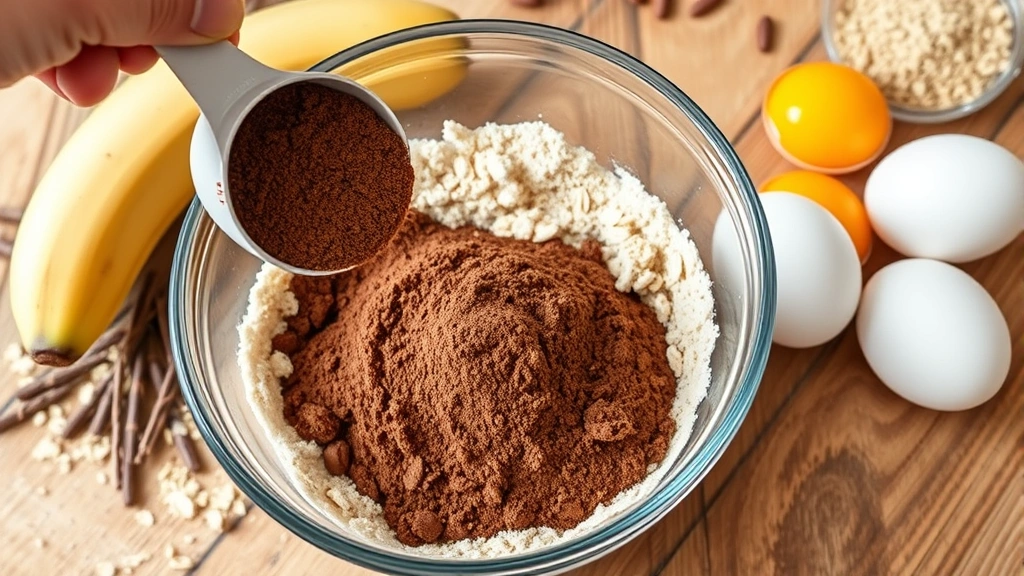
The good news is that you can absolutely make a dog-friendly version that captures the spirit of a devil dog cake. Start with dog-safe base ingredients. Whole wheat flour or oat flour works great for the cake part. Skip the cocoa powder entirely and swap it for carob powder, which gives that chocolatey flavor dogs can enjoy without the toxins.
For sweetness, use dog-safe options like unsweetened applesauce, mashed bananas, or a touch of honey (never xylitol!). Your budget-friendly homemade pet treats can be just as satisfying as store-bought versions when you nail the ingredient list.
The filling is where you can get creative. Instead of traditional cream, try a peanut butter-based filling. Just make sure you’re using peanut butter without xylitol—read that label carefully. Peanut butter treats for dogs are beloved for good reason, and your pup will go absolutely bonkers for a peanut butter filling between two carob cake layers.
Tip #3: Master Portion Control and Treat Frequency
Even with dog-safe ingredients, moderation is key. Treats should make up no more than 10% of your dog’s daily caloric intake. This means if your pup needs 1,000 calories a day, treats should account for only 100 calories. A slice of homemade devil dog cake might pack 80-120 calories depending on size, which means it should be an occasional indulgence, not a daily thing.
Consider your dog’s size too. A Chihuahua and a Great Dane have vastly different caloric needs. What’s appropriate for a large breed might be excessive for a toy breed. If you’re making devil dog cakes regularly, you might want to create smaller portions or mini versions so your pup can enjoy a treat without derailing their nutrition.
The frequency matters just as much as the portion. Once or twice a week is reasonable for most dogs. More than that, and you’re risking weight gain, digestive issues, and an imbalanced diet. Your vet can give you specific recommendations based on your individual dog’s health status.
Tip #4: Watch for Allergies and Digestive Issues
Just because an ingredient is technically dog-safe doesn’t mean your individual pup won’t react negatively to it. Some dogs have sensitivities to wheat, eggs, or dairy—all common ingredients in cake recipes. If your dog has a history of food allergies or sensitive digestion, you’ll need to be extra cautious.
Start with a tiny piece and wait 24 hours to see if there’s any reaction. Look for signs like itching, vomiting, diarrhea, or excessive gas. If your dog has known allergies, check out our guide on human foods for pets with food allergies to navigate treat-making safely.
Older dogs might need softer options too. Soft treat recipes for senior pets can be adapted to create a devil dog cake that’s easy on aging teeth and digestive systems. Consider baking the cake layers slightly longer to make them denser, or even pureeing one layer with the filling to create a smoother texture.
Tip #5: Know When to Skip Homemade and Buy Commercial Dog Treats Instead
Here’s an unpopular opinion: sometimes it’s better to buy commercial dog treats than make your own. If you don’t have time to research ingredients carefully, or if you’re unsure about proper food safety protocols, a quality commercial treat made specifically for dogs is the safer choice. Brands that have gone through AAFCO certification and have transparent ingredient lists are your best bet.
Look for treats that list real meat or vegetables as the first ingredient, with minimal additives. Your dog doesn’t care if a treat looks fancy or homemade—they just care that it tastes good and doesn’t make them sick. Sometimes the responsible choice is admitting that store-bought is better than a well-intentioned homemade attempt.
Creating Your Own Devil Dog Cake Recipe
If you’re committed to making homemade devil dog cakes, here’s a basic framework. Mix together one cup of oat flour, half a cup of unsweetened applesauce, two mashed bananas, and two eggs. Add a tablespoon of carob powder for that devil dog vibe. Bake at 350°F for 20-25 minutes until a toothpick comes out clean.
For the filling, combine natural peanut butter with a bit of coconut oil to create a spreadable consistency. Once the cake cools, slice it horizontally and spread the filling between layers. You can frost the outside with a thin layer of peanut butter or leave it plain.
This recipe yields about 12 small pieces, each roughly 80-100 calories depending on exact measurements. Store in an airtight container in the fridge for up to five days, or freeze for longer storage.
Healthier Treat Alternatives to Consider
While devil dog cakes can be fun, don’t forget about other dog-friendly treat options. Can dogs eat sweet potatoes? Absolutely! They’re packed with nutrients and make excellent treat bases. Plain carrots, apple slices (without seeds), and plain cooked chicken are all fantastic alternatives that require zero baking skills.
If you want something closer to a traditional cake experience, try healthy snack alternatives for dogs like frozen peanut butter and banana bites, or yogurt-based frozen treats. These options often provide more nutritional value than cake-based treats while still feeling special.
Storage and Safety Tips for Homemade Treats
Homemade treats don’t have preservatives, which means they spoil faster than commercial options. Always store your devil dog cakes in an airtight container in the refrigerator. They’ll keep for about five days. For longer storage, freeze them in a freezer-safe container for up to three months.
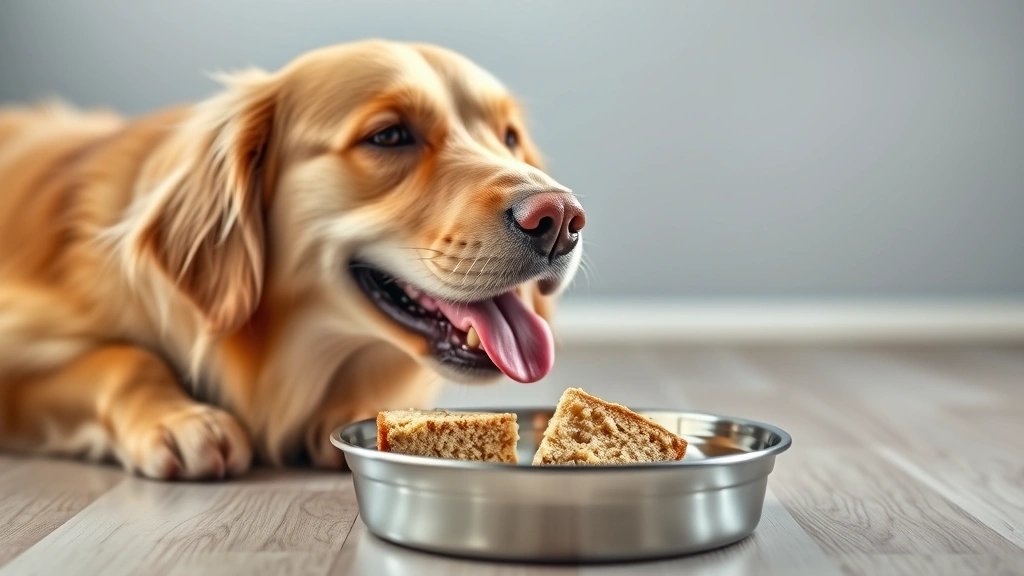
Label your homemade treats clearly so family members don’t accidentally feed them to your dog in excessive amounts. Include the date made and any special notes about ingredients (like “contains peanut butter” or “egg-free”). If you have multiple dogs with different dietary needs, color-code containers or use separate storage areas.
Never leave homemade treats at room temperature for more than two hours, especially if they contain perishable ingredients like dairy or eggs. When in doubt, throw it out. A wasted treat is better than a sick dog.
Frequently Asked Questions
Can dogs eat the filling from a real devil dog cake?
No. The filling typically contains sugar, artificial sweeteners (potentially xylitol), and dairy products that can upset a dog’s stomach. Even a small amount could cause problems. Always stick to dog-safe alternatives like peanut butter or cream cheese in moderation.
What’s the safest chocolate substitute for dog treats?
Carob powder is your best friend. It has a similar flavor profile to chocolate but contains none of the toxic compounds. You can find it in most health food stores or online. It’s completely safe for dogs and adds that chocolatey taste without the danger.
How do I know if my dog ate something toxic?
Signs of chocolate toxicity include vomiting, diarrhea, restlessness, rapid breathing, increased heart rate, and seizures. If you suspect your dog ate chocolate, contact your vet or the ASPCA Animal Poison Control Center immediately. They can assess the situation based on your dog’s weight and the amount consumed.
Are there any dog breeds that shouldn’t eat homemade cakes at all?
Breeds prone to pancreatitis (like Schnauzers and Dachshunds) should avoid high-fat treats, even homemade versions. Dogs with diabetes need careful monitoring of any treat ingredients. Always consult your vet about your specific dog’s dietary restrictions before introducing new treats.
Can puppies eat devil dog cake treats?
Puppies have sensitive digestive systems and different nutritional needs than adult dogs. It’s best to wait until your puppy is fully grown before introducing homemade treats. Stick to puppy-formulated treats during the growth phase, then transition to adult treat recipes.
Final Thoughts: Loving Your Dog the Right Way
Making a devil dog cake for your dog shows you care, but the real love is in making choices that keep them healthy and safe. You don’t need fancy homemade treats to prove your affection. Sometimes the best gift is a simple walk, a game of fetch, or a basic treat that won’t send you to the emergency vet clinic at midnight.
If you do decide to make homemade devil dog cakes, follow these five tips religiously: understand the dangers of regular versions, choose safe ingredients, control portions, watch for allergies, and know when to buy commercial treats instead. Your dog will be just as happy with a simple carob and peanut butter treat as they would be with an elaborate homemade creation.
The bottom line? Your dog’s health is worth way more than any Instagram-worthy treat photo. Make informed choices, consult your vet when in doubt, and remember that the best treat is one that keeps your pup happy, healthy, and by your side for years to come.





