

If your pup has been diagnosed with diabetes, diabetic dog food isn’t just a fancy dietary choice—it’s a game-changer for managing their blood sugar levels and keeping them happy, healthy, and living their best life. Just like humans, dogs can develop diabetes, and the right nutrition can make all the difference between a dog that’s thriving and one that’s struggling.
Table of Contents
- Understanding Canine Diabetes and Why Diet Matters
- Key Ingredients in Effective Diabetic Dog Food
- Hill’s m/d: The Veterinary Gold Standard
- Royal Canin Glycobalance: Precision Nutrition
- Purina Pro Plan DM: Accessible Excellence
- Merrick Grain-Free High-Protein: The Premium Pick
- Iams Veterinary Formula Glucose Management: Budget-Friendly Solution
- Understanding Glycemic Index in Dog Food
- Weight Management and Diabetic Dogs
- Transitioning to Diabetic Dog Food
- Supplements and Additional Support
- Monitoring Progress and Adjusting Diet
- Cost Considerations and Finding the Right Food
- Frequently Asked Questions
- Summary: Choosing the Best Diabetic Dog Food for Your Pup
The good news? You’re not alone in this journey, and there are some seriously solid food options out there designed specifically for diabetic pups. Let’s dive into what makes a food truly diabetic-friendly and which brands are actually worth your money and your dog’s health.
Understanding Canine Diabetes and Why Diet Matters
Before we talk about the best diabetic dog food options, let’s get real about what diabetes actually means for your furry friend. Canine diabetes typically comes in two flavors: Type 1 (the pancreas doesn’t produce enough insulin) and Type 2 (the body can’t use insulin effectively). Most dogs develop Type 1, but here’s the kicker—diet plays a massive role in managing both types.
The primary goal of a diabetic diet is to stabilize blood glucose levels and, in many cases, reduce the amount of insulin your dog needs. A proper diet can sometimes even help dogs go into remission. That’s not just nutrition; that’s life-changing stuff. According to AAFCO standards, diabetic formulas should be carefully balanced for protein, fat, and carbohydrate content.
Key Ingredients in Effective Diabetic Dog Food
So what makes a dog food actually diabetic-friendly? It’s not magic—it’s science. The best diabetic dog food typically features:
High-Quality Protein: Protein helps maintain muscle mass and keeps your dog feeling fuller longer. Look for named meat sources like chicken, beef, or fish as the first ingredients.
Low Carbohydrates: This is huge. High-carb foods cause blood sugar spikes, which is the opposite of what you want. Quality diabetic formulas keep carbs minimal—ideally under 12% on a dry matter basis.
Healthy Fats: Omega-3 and Omega-6 fatty acids support overall health and can help with inflammation management.
Fiber: Soluble fiber helps slow glucose absorption, keeping blood sugar stable throughout the day. It’s like putting a speed bump on the sugar highway.
Hill’s m/d: The Veterinary Gold Standard
Hill’s m/d is practically the poster child for prescription diabetic dog food. Developed by veterinarians specifically for dogs with diabetes, this formula is packed with high-quality protein and formulated to help maintain healthy blood glucose levels.
What makes it stand out? The moderate fat content, controlled carbohydrate levels, and carefully balanced nutrients work together like a well-oiled machine. Many vets recommend it as a first-line option, and for good reason—it actually works. You’ll typically need a vet prescription to grab this one, but it’s worth the extra step. Check out our Pet Nutrition Advice guide for more details on prescription diets.
Royal Canin Glycobalance: Precision Nutrition
Royal Canin isn’t messing around when it comes to diabetic dog food. Their Glycobalance formula is engineered to help maintain stable blood glucose levels with a precise balance of nutrients. The protein content is high, the carbs are low, and the fat is carefully controlled.
This food is also designed to support weight management, which is crucial since obesity can worsen diabetes. If your pup has packed on a few extra pounds (and let’s be honest, many diabetic dogs have), this formula can help address both issues simultaneously. It’s another prescription diet, so chat with your vet about whether it’s the right fit for your individual dog.
Purina Pro Plan DM: Accessible Excellence
Not all great diabetic dog food options require a prescription, and Purina Pro Plan DM proves it. This over-the-counter formula is formulated to support dogs with diabetes and is significantly more affordable than many prescription alternatives.
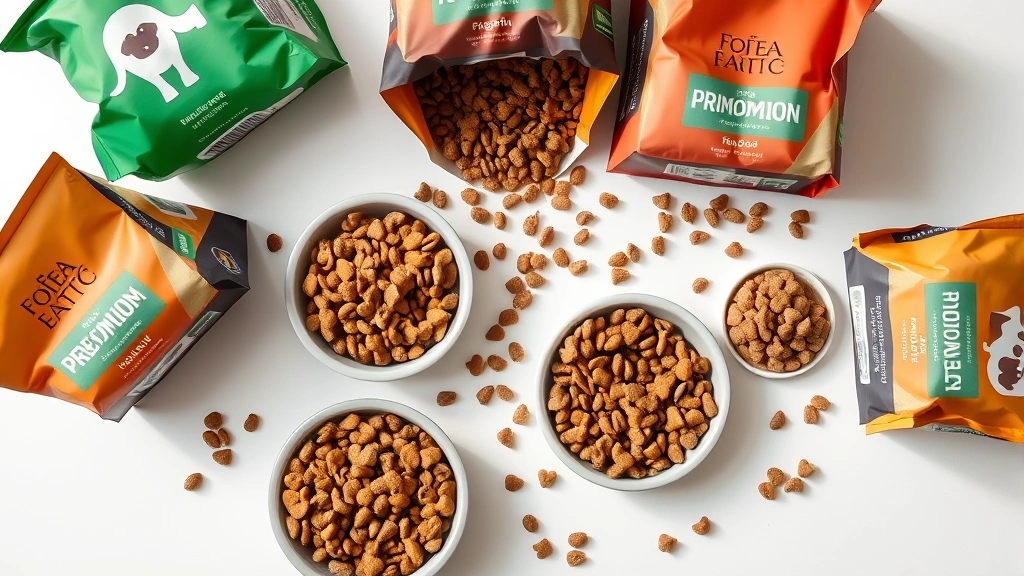
The formula features high protein, controlled fat, and low carbohydrates. While it’s not prescription-only, it’s still a solid choice that many vets approve of. The best part? You can grab it at most pet stores without jumping through hoops. For tips on transitioning to a new food, check out our Pet Diet Transition Advice.
Merrick Grain-Free High-Protein: The Premium Pick
If you’re looking for a grain-free option for your diabetic pup, Merrick’s grain-free formulas pack serious protein punch with minimal carbs. Real meat is the star ingredient here, and the carbohydrate content is kept impressively low.
The grain-free approach appeals to many dog owners, though it’s worth noting that grain-free doesn’t automatically mean better for diabetics—it’s the overall nutritional profile that matters. Merrick’s formulas deliver on that front with high protein content and quality ingredients. This is more of an over-the-counter option, making it accessible without a vet prescription.
Iams Veterinary Formula Glucose Management: Budget-Friendly Solution
Let’s be real—managing a diabetic dog’s health can get expensive, and Iams Veterinary Formula Glucose Management offers a more budget-conscious option without completely compromising quality. It’s formulated to help maintain healthy blood glucose levels and is designed with controlled carbohydrates in mind.
While it might not have all the fancy bells and whistles of premium brands, it gets the job done and is widely available. Many veterinary clinics carry it, and it’s definitely easier on the wallet than some alternatives. For additional nutritional support, explore our guide to vet-approved human foods for pets.
Understanding Glycemic Index in Dog Food
Here’s something that doesn’t get talked about enough: the glycemic index (GI) of dog food. Just like with humans, some carbohydrate sources spike blood sugar faster than others. The best diabetic dog food uses low-GI ingredients that release glucose slowly into the bloodstream.
Ingredients like sweet potato and brown rice have lower GIs than corn or wheat. This is why reading ingredient lists matters—a lot. Your vet can help you understand which foods have the lowest glycemic impact for your specific pup.
Weight Management and Diabetic Dogs
Here’s an uncomfortable truth: obesity and diabetes go together like peanut butter and jelly, except way less delicious. Overweight dogs have a harder time managing blood glucose levels, and excess weight can actually make insulin resistance worse.
The best diabetic dog food often includes weight management benefits. If your dog is overweight, addressing that through diet is crucial. You’re not just feeding them; you’re potentially improving their insulin sensitivity and reducing their medication needs. Talk about a win-win. Our Energy-Boosting Foods guide can help you understand how to keep your diabetic dog active while managing their diet.
Transitioning to Diabetic Dog Food
Switching your dog to a new food isn’t something you do overnight. A gradual transition over 7-10 days helps prevent digestive upset and gives your dog’s system time to adjust. Start by mixing 25% new food with 75% old food, then gradually increase the proportion of new food.
Monitor your dog’s blood glucose levels closely during this transition period. You might notice changes in insulin requirements as the diet takes effect—some dogs actually need less insulin once they’re on a proper diabetic formula. This is exactly why working with your vet is essential. For professional guidance on diet transitions, consider our Telehealth Pet Nutrition Consultation.
Supplements and Additional Support
While diabetic dog food is the foundation of management, some dogs benefit from additional supplements. Chromium, alpha-lipoic acid, and cinnamon have shown promise in some studies for supporting glucose metabolism. However, always check with your vet before adding supplements—they can interact with insulin and other medications.
Some dogs also benefit from adding small amounts of safe vegetables to their diet. Low-carb veggies like green beans, broccoli, and carrots can add volume and nutrients without spiking blood sugar. Check our Safe Vegetables for Dogs guide for a complete list of dog-friendly options.

Monitoring Progress and Adjusting Diet
Once your dog is on a new diabetic dog food, regular blood glucose monitoring is non-negotiable. Work with your vet to establish a monitoring schedule—this might include home testing with a glucometer or regular clinic visits for blood work.
You’re looking for stable blood glucose levels throughout the day. If levels are consistently high or low, your dog’s food or insulin dose might need adjustment. Some dogs even achieve diabetic remission with proper diet and weight management, though this isn’t guaranteed for every pup.
Cost Considerations and Finding the Right Food
Let’s talk money. Prescription diabetic dog foods are pricier than standard kibble, but they’re often cheaper than the long-term costs of managing poorly controlled diabetes. Factor in potential complications, extra vet visits, and increased insulin needs—suddenly that premium food doesn’t seem so expensive.
If cost is a major concern, over-the-counter options like Purina Pro Plan DM or Merrick can be solid alternatives. The key is finding a food that works for your dog’s individual needs and your budget. Your vet can help you find options that fit both criteria.
Frequently Asked Questions
Can diabetic dogs eat regular dog food?
Technically, yes, but it’s not ideal. Regular dog food often contains higher carbohydrate levels that can make blood sugar management more difficult. Diabetic dogs benefit significantly from food specifically formulated to support glucose control. Your vet can advise whether your dog’s current food is appropriate or if a switch is necessary.
How long does it take to see results from diabetic dog food?
Some dogs show improvement in blood glucose levels within days to weeks of switching to a proper diabetic formula. Others take longer. Consistent monitoring is essential to track progress. Many owners notice their dog needs less insulin after a few weeks on an appropriate diet—that’s your sign it’s working.
Is grain-free better for diabetic dogs?
Not necessarily. What matters is the overall carbohydrate content and nutritional profile, not whether the food is grain-free. Some grain-free foods are high in carbs, while some grain-inclusive foods are low in carbs. Focus on the nutritional analysis rather than marketing buzzwords.
Do diabetic dogs need to eat at specific times?
Yes, consistency matters. Feed your dog at the same times each day and coordinate meals with insulin injections. This helps maintain stable blood glucose levels and makes it easier to manage insulin timing. Your vet will provide specific feeding and insulin schedules.
Can diet alone manage canine diabetes?
In some cases, yes—particularly with Type 2 diabetes or early-stage Type 1. However, many dogs require insulin injections in addition to diet management. The goal is to find the combination that works best for your individual dog, which might be diet alone, insulin alone, or both together.
Summary: Choosing the Best Diabetic Dog Food for Your Pup
Managing your dog’s diabetes through proper nutrition is one of the most powerful tools you have as a pet parent. Whether you choose a prescription option like Hill’s m/d or Royal Canin, or an over-the-counter alternative like Purina Pro Plan DM, the key is finding a diabetic dog food that keeps your pup’s blood glucose stable and supports their overall health.
Remember that every dog is unique. What works amazingly for one diabetic pup might not be perfect for another. Work closely with your veterinarian to monitor your dog’s response to dietary changes, adjust as needed, and celebrate those wins—like reduced insulin requirements or improved energy levels.
Your diabetic dog can live a long, happy, and quality life with the right combination of diet, insulin management, and love. The fact that you’re researching and taking this seriously means you’re already halfway there. Now go find that perfect food and give your pup an extra treat (a low-carb one, of course!) from all of us.





