
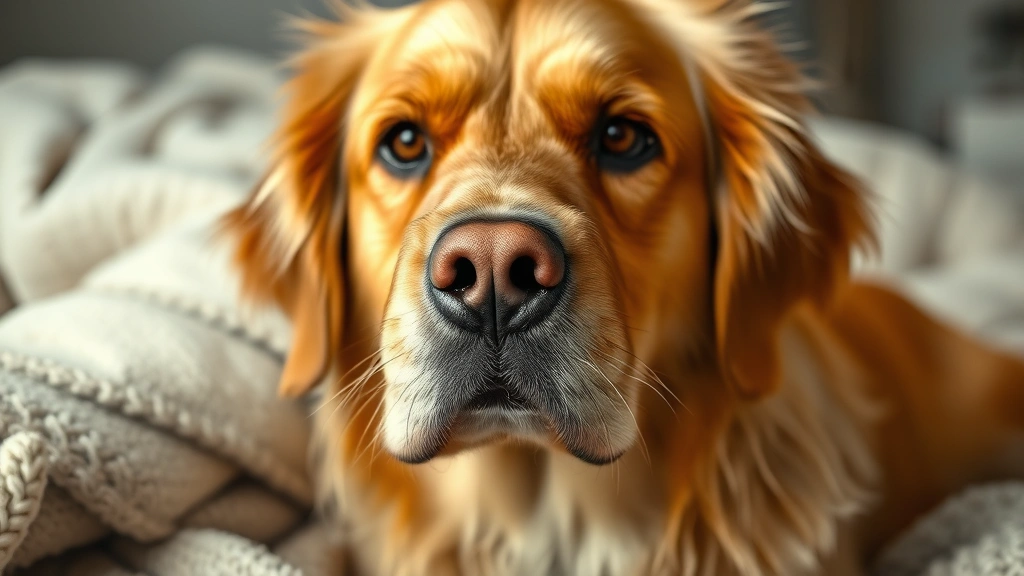
Yes, do dogs catch colds—but not exactly the way humans do. Your furry best friend can absolutely develop upper respiratory infections that feel a lot like the common cold we experience, and knowing the difference between a minor sniffle and something serious could save you a trip to the emergency vet (or at least your sanity at 2 AM).
Table of Contents
- Can Dogs Really Catch Colds Like Humans?
- The 5 Essential Signs Your Dog Has a Cold
- How Canine Respiratory Infections Spread
- Distinguishing Between a Cold and Something More Serious
- Home Care Solutions for Dogs With Colds
- When Veterinary Treatment Becomes Necessary
- Boosting Your Dog’s Immune System Naturally
- Vaccination: Your Best Defense
- Traveling With a Dog: Cold Prevention Tips
- The Recovery Timeline: What to Expect
- Frequently Asked Questions
- Summary: Keeping Your Dog Healthy
Can Dogs Really Catch Colds Like Humans?
Here’s the truth bomb: dogs don’t catch the human rhinovirus that causes our colds. Instead, they’re susceptible to their own version of cold-like illnesses caused by different viruses and bacteria. The most common culprits include canine parainfluenza virus, canine adenovirus, and bordetella bronchiseptica. Think of it as their own exclusive club of respiratory nasties.
When your pup catches a canine cold, it typically affects their upper respiratory system. The symptoms might look familiar—sneezing, coughing, runny nose—but the underlying cause is totally different from your winter sniffles. This distinction matters because the treatment approach varies significantly. Your vet needs to know what they’re dealing with to prescribe the right care.
The 5 Essential Signs Your Dog Has a Cold
Spotting cold symptoms in dogs requires paying attention to behavioral changes and physical signs. Here are the five most telling indicators:
1. Persistent Coughing – If your dog sounds like they’re hacking up a hairball every five minutes, that’s a red flag. Cold-related coughs are often dry and can last for weeks if untreated.
2. Nasal Discharge – Clear, watery discharge is typical of viral infections, while thick yellow or green mucus might indicate a bacterial infection requiring antibiotics.
3. Sneezing Fits – Occasional sneezing is normal, but repeated sneezing throughout the day suggests your pup’s immune system is fighting something off.
4. Lethargy and Loss of Appetite – When your normally energetic dog becomes a couch potato and ignores their favorite treats, illness is likely the culprit. This is your cue to take things seriously.
5. Eye Discharge – Watery or crusty eyes accompanying respiratory symptoms often indicate a viral infection affecting multiple systems.
If your dog displays any combination of these signs, it’s time to consider a virtual pet checkup or in-person veterinary visit to rule out serious conditions.
How Canine Respiratory Infections Spread
Dogs catch colds through direct contact with infected animals or contaminated surfaces. Boarding facilities, dog parks, and grooming salons are notorious transmission hotspots. The virus spreads through respiratory droplets when an infected dog coughs or sneezes—basically the same way human colds spread, except your dog won’t cover their mouth.
Puppies and senior dogs face higher risk because their immune systems are either still developing or declining. Dogs with pre-existing health conditions or compromised immune systems also struggle to fight off these infections effectively.
Distinguishing Between a Cold and Something More Serious
Not every cough means your dog has a cold. Some conditions mimic cold symptoms but require completely different treatment approaches. Kennel cough, for instance, produces a distinctive dry, hacking cough that sounds like your dog is choking. Pneumonia develops when a cold progresses without treatment, causing fever and difficulty breathing. Allergies can trigger sneezing and nasal discharge year-round.
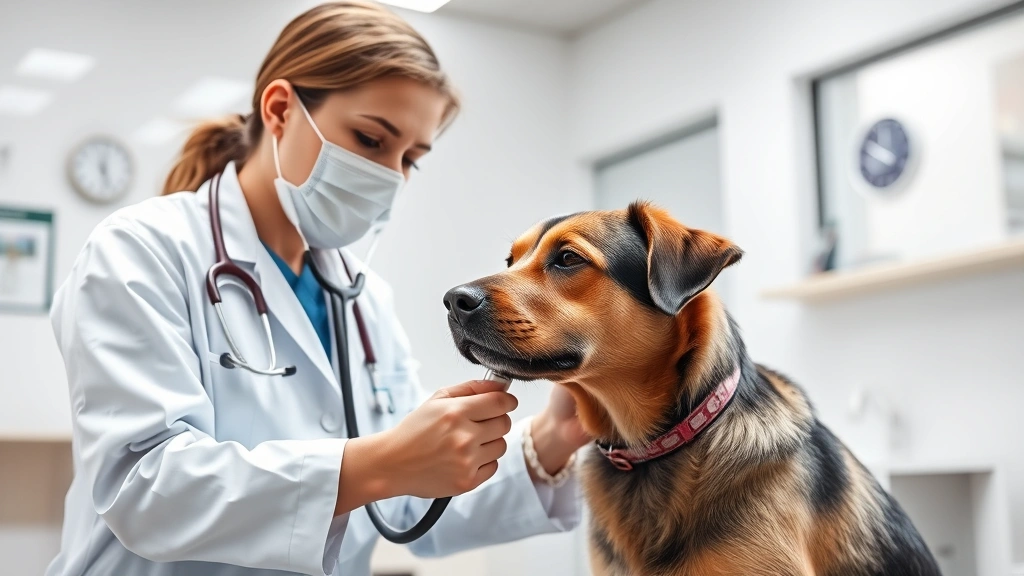
The key difference? Colds typically improve within 7-10 days with supportive care. If symptoms persist beyond two weeks or worsen, you’re dealing with something else entirely. This is when knowing when to call the vet becomes crucial for your pup’s health.
Home Care Solutions for Dogs With Colds
Most canine colds resolve with supportive care at home. Keep your dog hydrated by ensuring fresh water is always available—some dogs prefer running water from a fountain. Provide high-quality nutrition with energy boosting foods for active pets to support immune function, even if your dog’s appetite is reduced.
Use a humidifier in your dog’s sleeping area to ease congestion and soothe irritated airways. Avoid exposing your pup to smoke, strong perfumes, or other respiratory irritants that could worsen symptoms. Keep them warm and comfortable, and limit strenuous exercise until they’ve fully recovered.
Some vets recommend saline nasal drops to help clear congestion, though most dogs find this experience absolutely miserable. If your dog tolerates it, great. If not, the humidifier alone often does the trick.
When Veterinary Treatment Becomes Necessary
While most doggy colds resolve independently, certain situations demand professional intervention. If your dog develops a fever (normal temp is 101-102.5°F), shows signs of difficulty breathing, or exhibits severe lethargy lasting more than a few days, get to your vet immediately.
Secondary bacterial infections sometimes develop after viral colds, requiring antibiotics. Your vet can determine whether antibiotics are necessary through physical examination and sometimes blood work. Don’t demand antibiotics for every cold—unnecessary antibiotic use contributes to resistance, making future infections harder to treat.
For dogs experiencing severe symptoms, remote pet health monitoring allows your vet to track progress without stressing your pup with constant office visits.
Boosting Your Dog’s Immune System Naturally
Prevention is infinitely better than treatment. Support your dog’s immune system with proper nutrition, including antioxidant rich foods for pets that fight free radicals and inflammation. Ensure your dog receives appropriate vaccinations—the Bordetella vaccine specifically protects against kennel cough, one of the most common canine respiratory infections.
Regular exercise strengthens immune function, but avoid extreme exertion in cold, wet weather when respiratory viruses thrive. Manage stress through consistent routines and positive interactions, since stress compromises immune response. Quality sleep is equally important—make sure your dog has a comfortable, quiet sleeping area.
Vaccination: Your Best Defense
The DHPP vaccine protects against distemper, hepatitis, parvovirus, and parainfluenza—all serious respiratory threats. The Bordetella vaccine specifically targets kennel cough and is recommended for dogs with frequent social contact. The influenza vaccine protects against canine flu strains.
Talk to your vet about which vaccines make sense for your dog’s lifestyle. Dogs frequenting boarding facilities, dog parks, or grooming salons benefit from broader vaccination coverage. Indoor dogs with limited social contact might need different protection strategies.
Traveling With a Dog: Cold Prevention Tips
Travel increases cold exposure risk. Keep vaccination records current before any trips. Avoid letting your dog interact with unknown dogs in rest areas or hotels. Bring sanitizing wipes for shared surfaces like hotel bedding. Maintain consistent feeding schedules and routines to minimize stress-related immune suppression.
If your dog develops cold symptoms during travel, seek local veterinary care rather than waiting until you return home. Early intervention prevents complications that could derail your entire trip.
The Recovery Timeline: What to Expect
Most uncomplicated canine colds resolve within 7-14 days. Your dog might seem better after a few days but still cough occasionally for weeks—this is normal as their respiratory tract heals. Don’t assume recovery is complete just because the worst symptoms have passed.
Keep activity restricted until your vet gives the all-clear. Premature return to normal exercise can trigger relapse or allow secondary infections to develop. Some dogs develop post-viral cough that lingers for months, though this is usually harmless.
Frequently Asked Questions
Can my dog give me their cold?
No. Canine respiratory viruses don’t infect humans, and human cold viruses don’t infect dogs. You’re safe from your pup’s sniffles, though you should still practice good hygiene to avoid spreading human colds to your dog.
Is it safe to give my dog over-the-counter cold medicine?
Never give your dog human cold medicine without explicit veterinary approval. Many OTC medications contain ingredients toxic to dogs. Your vet can recommend safe alternatives specifically formulated for canine use if necessary.
How much does treating a dog cold cost?
A basic vet visit runs $50-200 depending on location. If bloodwork or additional diagnostics are needed, costs increase. This is why preventive care and vaccinations are so important—they’re far cheaper than treating complications.
Should I keep my sick dog away from other dogs?
Absolutely. Isolate your dog from other pets for at least 7-10 days to prevent transmission. This includes avoiding dog parks, boarding facilities, and playdates. Wash your hands after handling your sick dog before touching other pets.
Can puppies catch colds more easily than adult dogs?
Yes. Puppies have developing immune systems that haven’t encountered many pathogens yet. They’re also more likely to attend puppy classes and socialization events where exposure is high. Ensure puppies complete their vaccination series before extensive social exposure.
What’s the difference between a cold and kennel cough?
Kennel cough produces a distinctive dry, hacking cough (sounds like a honking goose), while colds cause more varied symptoms including sneezing and nasal discharge. Kennel cough is highly contagious and spreads rapidly in group settings. Both are usually self-limiting but benefit from veterinary evaluation.
Summary: Keeping Your Dog Healthy
Yes, dogs absolutely catch colds, but with proper knowledge and preventive care, you can minimize the impact on your pup’s health. Recognize the warning signs—persistent coughing, nasal discharge, sneezing, lethargy, and eye discharge—and don’t hesitate to seek veterinary care when symptoms persist beyond two weeks.
Focus on prevention through vaccination, proper nutrition, regular exercise, and stress management. Most uncomplicated canine colds resolve within 7-14 days with supportive home care. Keep your dog hydrated, maintain comfort with humidifiers, and ensure adequate rest. When in doubt, contact your vet—early intervention prevents complications and gets your furry friend back to their happy, healthy self faster.
Your dog depends on you to recognize when something’s wrong. Trust your instincts, monitor symptoms closely, and remember that preventive care is always the smartest investment in your dog’s long-term health and happiness.





