
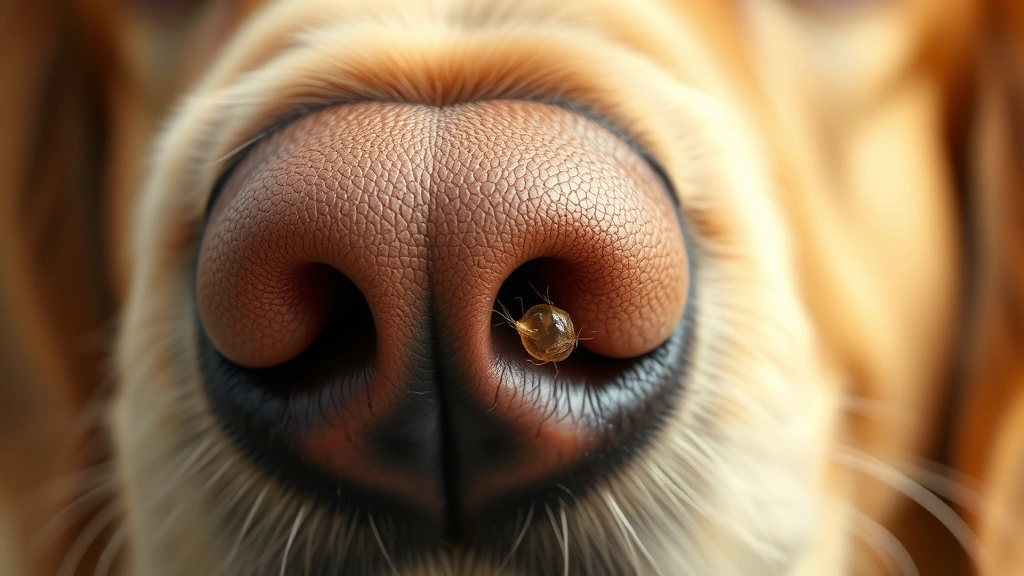
Yes, do dogs get boogers—and honestly, it’s one of those weird pet owner discoveries that catches everyone off guard. Just when you thought you knew everything about your furry best friend, you notice them doing that adorable head shake or catching something crusty on their nose, and boom, you’re down a rabbit hole wondering about canine nasal hygiene. The short answer? Absolutely. Dogs get boogers just like humans do, and understanding why is actually pretty important for keeping your pup healthy and happy.
Table of Contents
- What Are Dog Boogers, Really?
- Why Do Dogs Produce Nasal Mucus?
- Common Reasons Your Dog Gets Boogers
- When Boogers Become a Health Concern
- Breed-Specific Booger Tendencies
- How to Help Your Dog with Booger Management
- Allergies and Nasal Health in Dogs
- When to Worry About Nasal Discharge
- The Adorable Reality of Dog Boogers
- Keeping Your Dog’s Nose Healthy
- Frequently Asked Questions
- Conclusion: Your Dog’s Boogers Are Nothing to Fear
What Are Dog Boogers, Really?
Let’s get scientific for a second (but not too scientific—we’re keeping this fun). Dog boogers are basically the same thing as human boogers: a combination of mucus, dust, dirt, and dead cells that accumulate in the nasal passages. Your dog’s nose is constantly producing mucus to keep those nasal passages moist and to trap particles and bacteria before they can cause problems. When that mucus dries out, it forms crusty little bits that we affectionately call boogers. Pretty straightforward, right? Your pup’s nose is doing exactly what it’s supposed to do—protecting their respiratory system and keeping things clean.

Why Do Dogs Produce Nasal Mucus?
Dogs produce nasal mucus for several important reasons. First and foremost, it’s a defense mechanism. The mucus traps dust, pollen, bacteria, and other particles before they can travel deeper into the respiratory tract. This is crucial because dogs explore the world with their noses, sniffing everything from the ground to other dogs’ rear ends (yes, really). Their nasal mucus is working overtime to keep them safe. Additionally, the mucus keeps the nasal passages moist, which is essential for proper olfactory function—and we all know how important a dog’s sense of smell is. A dry nose is an unhappy nose, and it can actually interfere with their ability to smell properly.

Common Reasons Your Dog Gets Boogers
There are several reasons why your dog might be producing more boogers than usual. Environmental factors play a huge role. Dry air, especially during winter months when heating systems are running, can increase booger production. Dust, pollen, and smoke can also trigger increased mucus production. Some dogs are just naturally more prone to boogers than others, particularly breeds with shorter muzzles like Bulldogs and Pugs. Allergies are another major culprit—just like humans, dogs can suffer from seasonal or year-round allergies that cause their nasal passages to go into overdrive. If your dog has been spending time outdoors during high pollen season, or if they have food allergies, you might notice more crusty bits on their nose. A virtual pet checkup can help determine if allergies are the issue.

When Boogers Become a Health Concern
While most boogers are completely harmless and totally normal, sometimes they can indicate an underlying health issue. If your dog’s nasal discharge is excessive, discolored (yellow, green, or bloody), or accompanied by other symptoms like coughing, sneezing fits, or difficulty breathing, it’s time to call the vet. These could be signs of infection, nasal polyps, or other respiratory issues. Similarly, if your dog seems to be pawing at their nose constantly or acting distressed, that’s a red flag. A virtual vet consultation is a great way to get professional advice if you’re concerned. Certain conditions like candida in dogs can also affect nasal health, so it’s worth staying informed about various health issues that might impact your pup’s respiratory system.
Breed-Specific Booger Tendencies
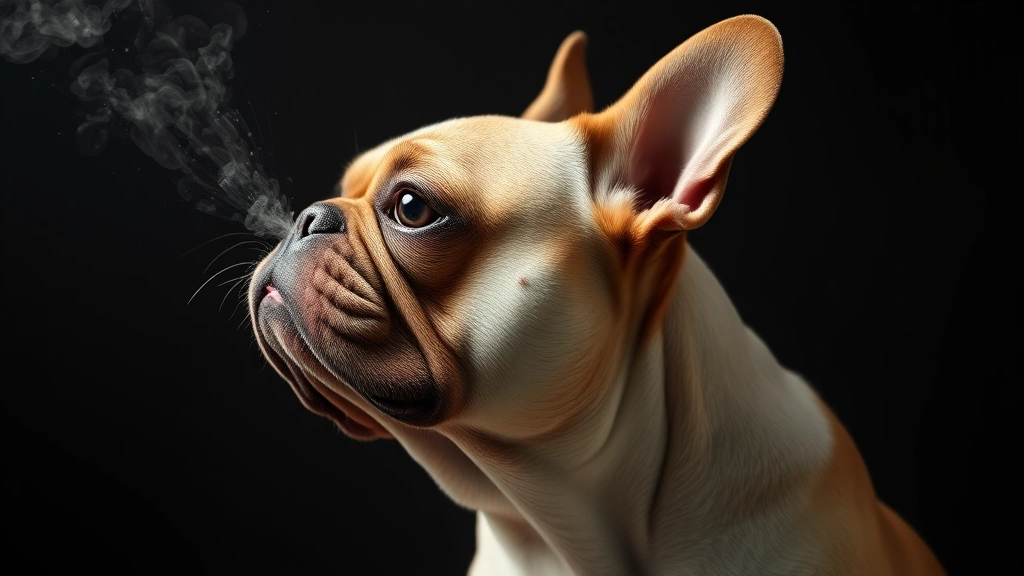
Some dog breeds are notorious for being booger factories. Brachycephalic breeds—those adorable flat-faced pups like Bulldogs, French Bulldogs, and Pugs—tend to produce more nasal discharge because of their unique anatomy. Their shortened muzzles mean less space for air to flow smoothly, which can lead to increased mucus production. Short-haired breeds might also show boogers more obviously since there’s less fur to hide them. On the flip side, long-haired breeds might have boogers too, but you just can’t see them as easily. If you’ve got a flat-faced friend, don’t be alarmed by occasional boogers—it’s just part of their breed characteristics.

How to Help Your Dog with Booger Management
If your dog’s boogers are becoming a nuisance (or if they are, let’s be honest, just kind of gross), there are several things you can do. Keeping your home humidity at a comfortable level—around 40-60%—can help prevent excessive booger formation. A humidifier during dry months can work wonders. Regular nasal saline drops or sprays designed for dogs can help keep those nasal passages moist and healthy. Some vets recommend gently wiping away visible boogers with a soft, damp cloth, though most dogs will handle this themselves just fine. Ensuring your dog stays well-hydrated is also important for maintaining healthy mucus consistency. If your dog has cough or respiratory issues, addressing those underlying problems can also reduce booger production.

Allergies and Nasal Health in Dogs
If your dog seems to be producing excessive boogers or has chronic nasal issues, allergies might be the culprit. Dogs can suffer from environmental allergies (pollen, dust, mold) or food allergies that manifest in nasal symptoms. Seasonal booger increases often correlate with high pollen counts. If you notice your dog’s booger production spikes during certain times of year, allergies are likely the cause. Working with your vet to identify and manage allergies can significantly reduce booger production. Antihistamines, dietary changes, or allergy medications might be recommended depending on the underlying cause.

When to Worry About Nasal Discharge
Normal boogers are usually clear to slightly yellowish and crusty. Abnormal nasal discharge is typically thick, colored (green or yellow), bloody, or foul-smelling. If your dog has unilateral discharge (coming from only one nostril), that could indicate a foreign object, tumor, or infection in that specific nasal passage. Excessive sneezing, reverse sneezing (that weird honking sound dogs sometimes make), or difficulty breathing are all reasons to contact your vet. Nasal infections, whether bacterial or fungal, require professional treatment. Some dogs develop nasal polyps or tumors that cause abnormal discharge, though these are less common.
The Adorable Reality of Dog Boogers
Let’s be real for a moment: dog boogers are kind of adorable in a weird, gross way. That little crusty bit on your pup’s nose, the way they occasionally try to lick it off, or how they shake their head when they feel something in their nostril—it’s all part of the charm of dog ownership. Most of the time, boogers are absolutely nothing to worry about. They’re a sign that your dog’s body is doing exactly what it should be doing: protecting itself from the environment. Unless there are other symptoms or signs of distress, you can just let your dog be their booger-producing self.
Keeping Your Dog’s Nose Healthy
Beyond managing boogers, there are several ways to support your dog’s overall nasal and respiratory health. Regular exercise keeps the respiratory system functioning optimally. A healthy diet rich in omega-3 fatty acids can support immune function and reduce inflammation. Avoiding smoke and other respiratory irritants is important. If your dog has digestive issues like constipation, addressing those can sometimes improve overall health, including respiratory function. Regular vet check-ups allow your vet to monitor your dog’s nasal health and catch any issues early. Keeping your dog’s living environment clean and free from excess dust also helps.

Frequently Asked Questions
Is it normal for dogs to have boogers?
Absolutely! Dogs producing boogers is completely normal and healthy. It’s a sign that their nasal passages are doing their job of protecting against environmental particles and bacteria.

Should I clean my dog’s boogers?
You can gently wipe away visible boogers with a soft, damp cloth if they bother you, but most dogs naturally manage their own boogers by licking or shaking their heads. It’s not necessary to clean them unless they’re excessive or causing discomfort.
What does abnormal nasal discharge in dogs look like?
Abnormal discharge is typically thick, colored green or yellow, bloody, or has a foul smell. It may come from only one nostril or be accompanied by sneezing, coughing, or difficulty breathing. Contact your vet if you notice these signs.
Can dog boogers indicate allergies?
Yes, increased booger production can be a sign of allergies. If your dog’s boogers increase seasonally or seem excessive, allergies might be the cause. A vet can help identify and manage allergies.
Do all dog breeds get boogers?
Yes, all dogs produce nasal mucus and boogers. However, flat-faced breeds like Bulldogs and Pugs tend to have more visible boogers due to their anatomy.
When should I be concerned about my dog’s boogers?
Concern yourself if boogers are accompanied by excessive sneezing, difficulty breathing, colored or bloody discharge, or if your dog seems distressed. These could indicate infection or other health issues requiring veterinary attention.
Conclusion: Your Dog’s Boogers Are Nothing to Fear
So, do dogs get boogers? Yes, they absolutely do, and it’s completely normal. Your dog’s nose is working hard to keep them healthy by producing mucus that traps particles and protects their respiratory system. Most of the time, boogers are just an amusing quirk of dog ownership that doesn’t require any intervention. As long as your pup isn’t showing signs of distress, excessive discharge, or other concerning symptoms, you can rest easy knowing their nasal system is functioning perfectly. Keep an eye out for any changes in nasal discharge, stay on top of regular vet check-ups, and maintain a healthy home environment for your furry friend. And if you ever get worried about your dog’s health, remember that virtual pet checkups are available to provide professional guidance. Now go ahead and give your booger-producing pup a good nose boop—they’ve earned it!
External Resources:
For more information on dog respiratory health, check out the American Kennel Club (AKC), PetMD’s comprehensive pet health guides, and Cornell University’s College of Veterinary Medicine for evidence-based information about canine health.





